






Navigation
Send Us A Message
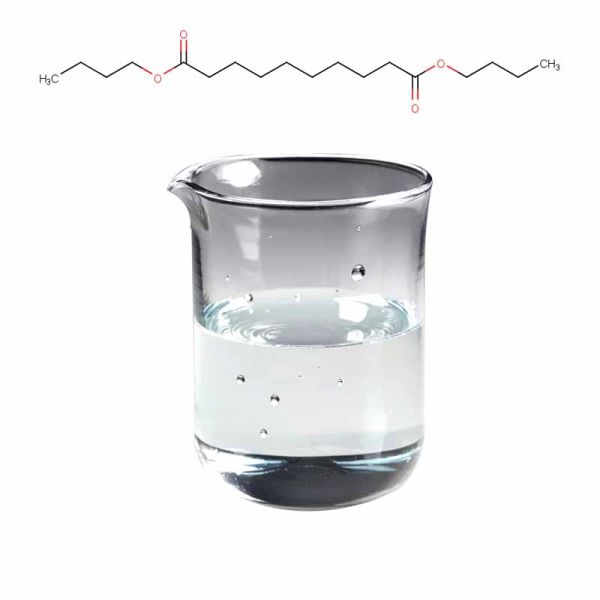
Dibutyl sebacate CAS#109-43-3
Dibutyl sebacate<br/>DBS<br/>colorless transparent liquid<br/><br/>Dibutyl sebacate, often abbreviated DBS, is the dibutyl ester of sebacic acid. This clear, colorless liquid has a mild odor, low volatility and poor water solubility, but mixes with many organic solvents. It serves as a plasticizer in ethylcellulose films and plastic formulations, with additional use as a liquid core medium in specialized extraction capsules.
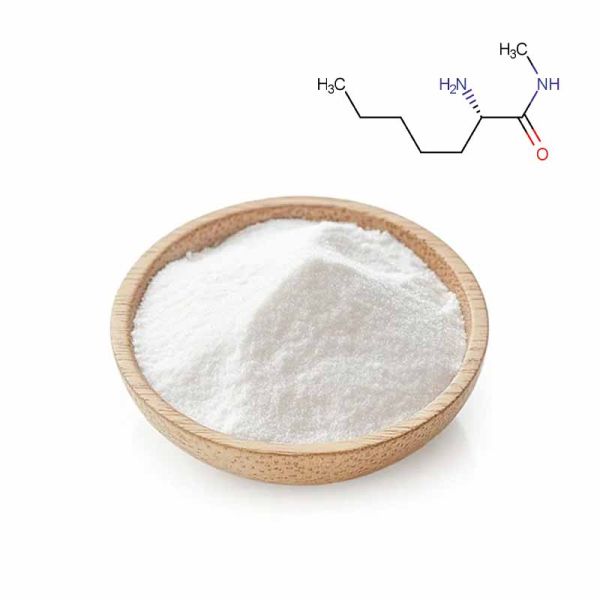
Epsilon-polylysine CAS#28211-04-3
Epsilon-polylysine<br/>light yellow, highly hygroscopic powder<br/><br/>Epsilon-polylysine is a linear lysine polymer produced through Streptomyces fermentation. It appears as a light yellow, strongly hygroscopic powder with a slightly bitter taste and high water solubility. Its relative tolerance of heat and changing acidity is relevant to formulation work. Typical applications center on food preservation, where polymer characteristics and processing conditions determine its suitability for a particular product.
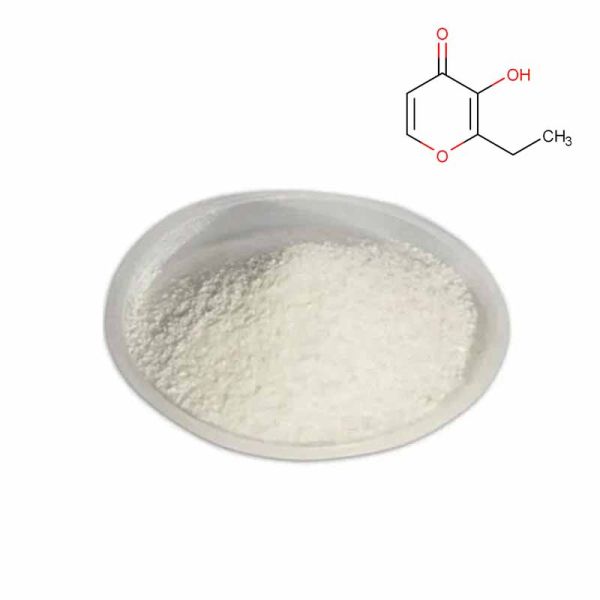
Ethyl maltol CAS#4940-11-8
Ethyl maltol<br/>white crystalline substance; white crystalline powder<br/><br/>Ethyl maltol is a white crystalline flavor ingredient characterized by a persistent caramel-like aroma and sweet, fruity notes. It is only slightly soluble in water but dissolves more readily in alcohol. Typical applications include baked goods, beverages, and berry or citrus flavor blends. It is also used in fragrance and cosmetic formulations to modify aroma profiles and mask unwanted notes.
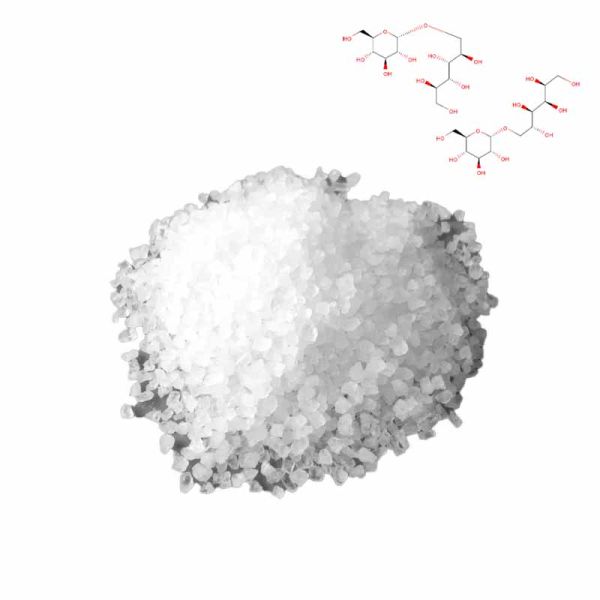
Isomalt CAS#64519-82-0
Isomalt<br/>D-Mannitol<br/>odorless white crystal<br/><br/>Isomalt is a sugar alcohol sweetener supplied as odorless white crystals with a mild sweetness and a cooling sensory character. It dissolves in water and has low moisture uptake. Its resistance to caramelization and Maillard browning is relevant to food processing. Typical use is as a sugar-free sweetening ingredient in food formulations where moisture behavior and browning characteristics matter.
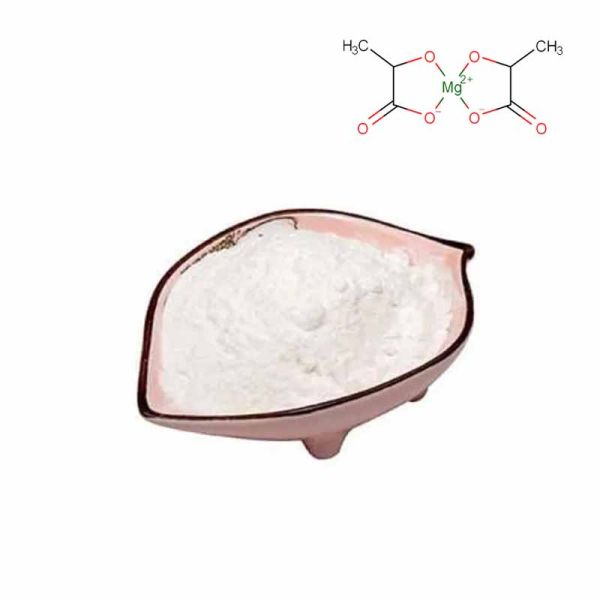
Magnesium L-lactate trihydrate CAS#18917-93-6
Magnesium L-lactate trihydrate<br/>odorless white powder<br/><br/>Magnesium L-lactate trihydrate is the hydrated form of magnesium L-lactate, supplied as an odorless white powder. It dissolves in water but not in ethanol or ether and has very low volatility. Typical applications include magnesium-source ingredients for food and supplement formulations, cosmetic and personal care products, and fertilizer or animal feed formulations requiring a magnesium component.
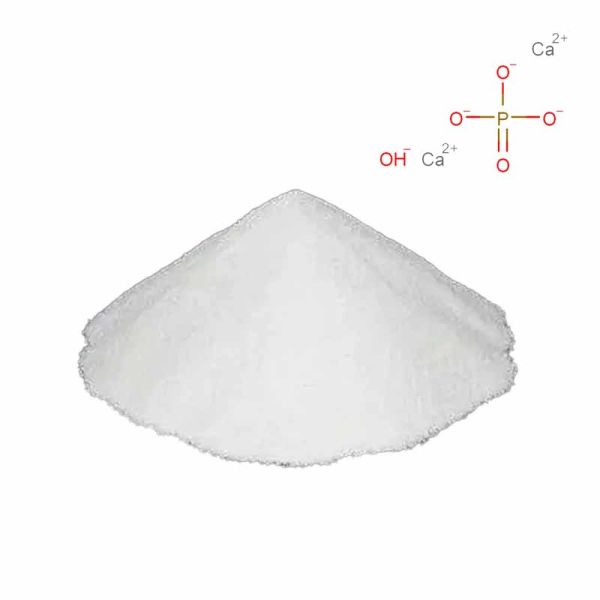
Hydroxyapatite CAS#1306-06-5
Hydroxyapatite<br/>Ca₁₀(PO₄)₆(OH)₂<br/>white powder<br/><br/>Hydroxyapatite is a calcium phosphate material typically supplied as a white powder with low water solubility and greater dissolution under acidic conditions. Particle size and crystallinity influence its processing behavior. It is used in ceramic materials, surface coatings and composites, including research on bone-related and dental materials. Surface adsorption and ion exchange also support water-treatment and environmental research applications.
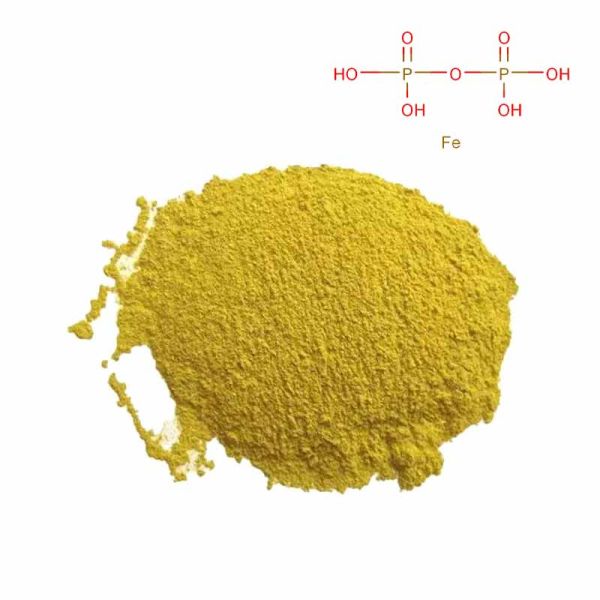
Ferric pyrophosphate CAS#10058-44-3
Ferric pyrophosphate<br/>iron(III) pyrophosphate<br/>pale yellowish-white powder; tan or yellowish-white powder<br/><br/>Ferric pyrophosphate, also known as iron(III) pyrophosphate, is an odorless, pale yellowish-white to tan powder with a slight iron taste. It is insoluble in cold water but dissolves in inorganic acids, alkaline solutions and citric acid. Typical applications involve iron-source ingredients for nutritional formulations, particularly infant formula, where its solubility characteristics are relevant to ingredient selection.
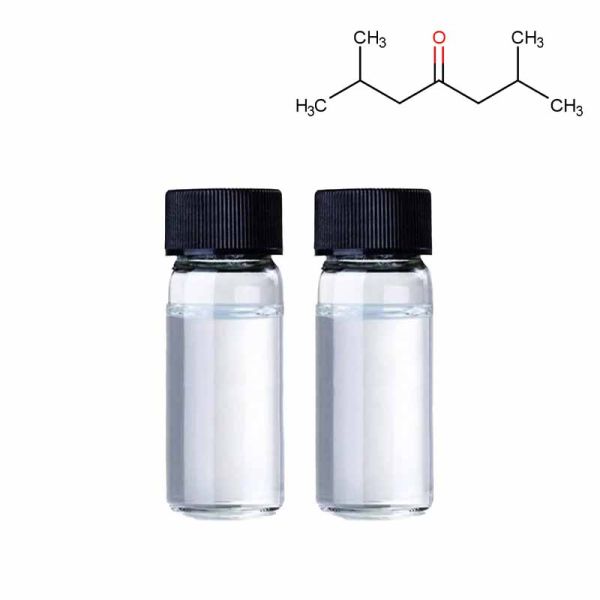
2,6-Dimethyl-4-heptanone CAS#108-83-8
2,6-Dimethyl-4-heptanone<br/>diisobutyl ketone<br/><br/>Diisobutyl ketone, also known as 2,6-dimethyl-4-heptanone, is an organic solvent used in coatings and chemical processing. It dissolves nitrocellulose and serves as a dispersing medium for organosol resins. Analytical applications include solvent extraction for trace-metal determination in aqueous samples and phosphorus measurement. Other uses include flavoring and intermediate manufacture for dyes, corrosion inhibitors and pharmaceutical raw materials.
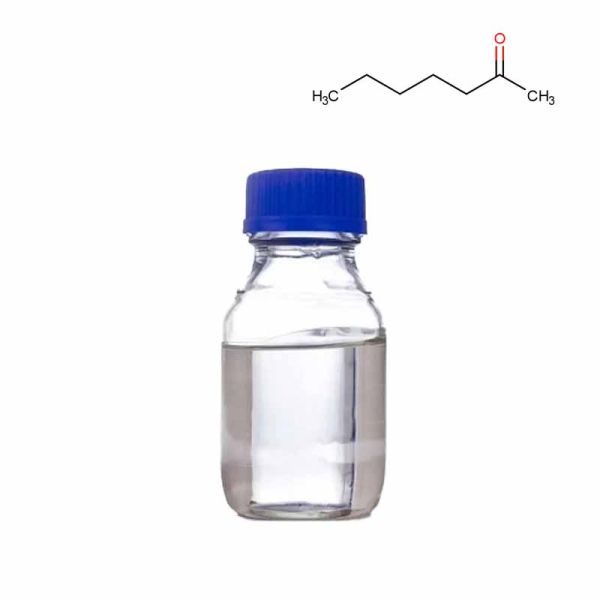
2-Heptanone CAS#110-43-0
2-Heptanone<br/><br/>2-Heptanone is a ketone with a banana-like aroma accompanied by a subtle spicy note. Its odor profile supports use in flavor and fragrance blends, while its solvent function is applied in synthetic resin coatings and surface finishes. It also provides a reaction medium in chemical processing and is used in perfumes, soaps, detergents and personal care fragrance formulations.
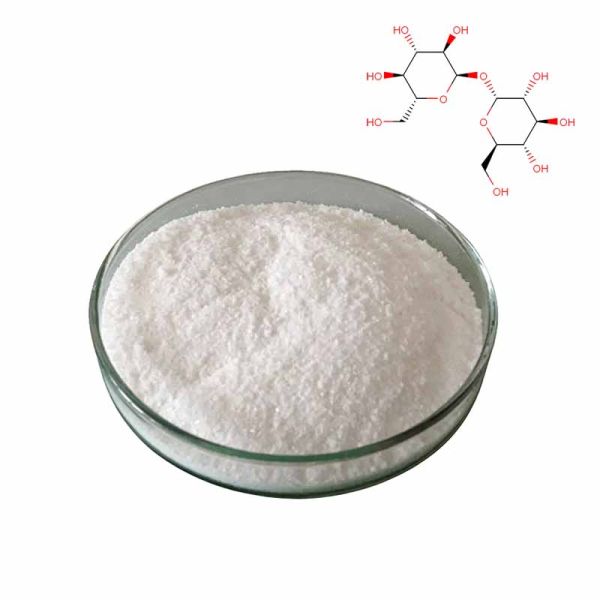
Trehalose CAS#99-20-7
Trehalose<br/>white crystalline powder<br/><br/>Trehalose is an odorless white crystalline powder with a mild sweet taste and low volatility. It dissolves readily in water, has limited ethanol solubility and is insoluble in ether and benzene. Its humectant function is used in skincare and cosmetic formulations for moisture management. The material is generally stable under ordinary conditions, although strong acids and particular enzymes can affect it.
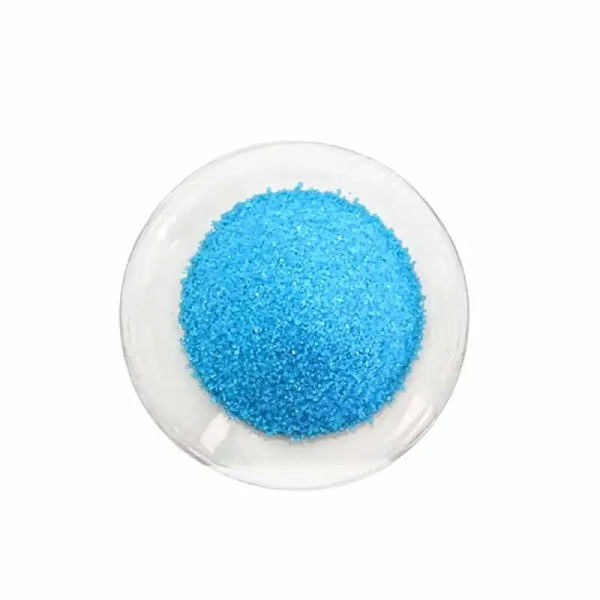
Cupric nitrate trihydrate CAS#10031-43-3
Cupric nitrate trihydrate<br/>copper(II) nitrate trihydrate<br/><br/>Cupric nitrate trihydrate, also called copper(II) nitrate trihydrate, is a copper salt used as a reagent and catalyst precursor. The trihydrate is employed in solvent-free synthesis of amino ketones and esters and in preparation of mononuclear copper coordination complexes. Further applications include copper oxide catalyst manufacture, textile processing, metal polishing, chemical analysis and educational electrochemical demonstrations.
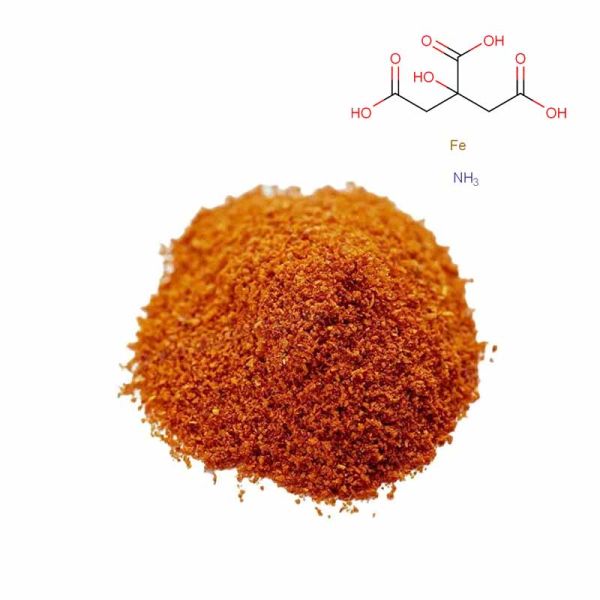
Ammonium ferric citrate CAS#1185-57-5
Ammonium ferric citrate<br/>brownish-red amorphous powder<br/><br/>Ammonium ferric citrate is an odorless, brownish-red amorphous powder with a slight iron taste. It dissolves readily in water but is insoluble in ethanol, ether and chloroform, and it decomposes on heating rather than showing a simple boiling behavior. Appropriate grades are used as iron-source ingredients in fortified cereals, dairy products, infant foods, beverages and other formulated foods.
Send Us Your Inquiry Today