






Navigation
Send Us A Message
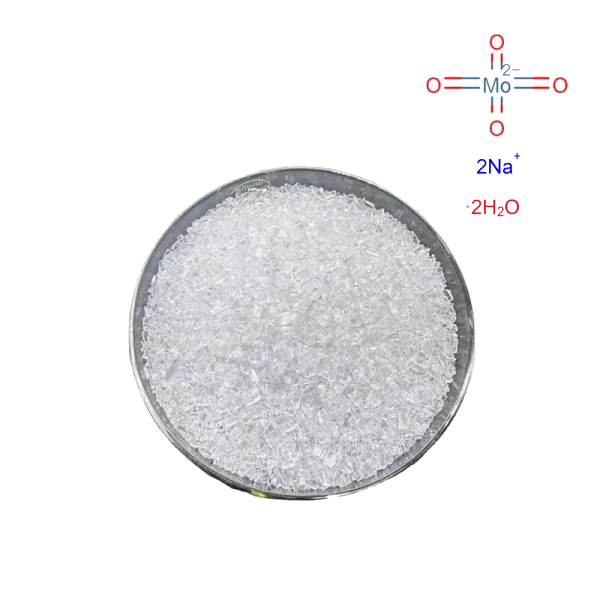
Sodium Molybdate Dihydrate
Sodium Molybdate Dihydrate<br/>White crystalline powder; Colorless crystals<br/><br/>Sodium molybdate dihydrate is a water-soluble crystalline material supplied as white powder or colorless crystals. It forms mildly alkaline solutions and loses its water of crystallization on heating. Typical uses include corrosion control in circulating water, metal phosphating, catalyst preparation, semiconductor film manufacture, and colorimetric analysis of metal ions.
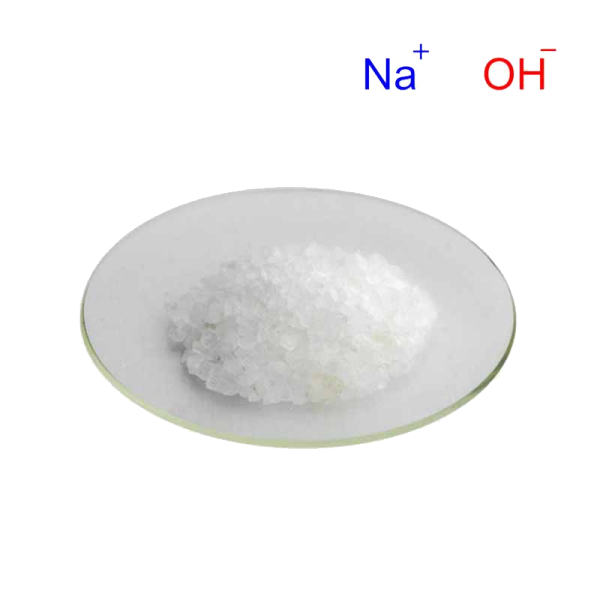
Sodium hydroxide
Sodium Hydroxide<br/>Caustic Soda<br/>NaOH<br/>Flakes; Granules; Beads; Lumps<br/><br/>Sodium hydroxide, commonly known as caustic soda, is an inorganic compound with the chemical formula NaOH. It is a white, hygroscopic solid that dissolves readily in water with the release of heat, forming a strongly alkaline and corrosive solution. It is used for acid neutralization, saponification, grease removal and pH adjustment, with applications in pulp and paper production, textile processing, wastewater treatment, chemical manufacturing and petroleum refining.
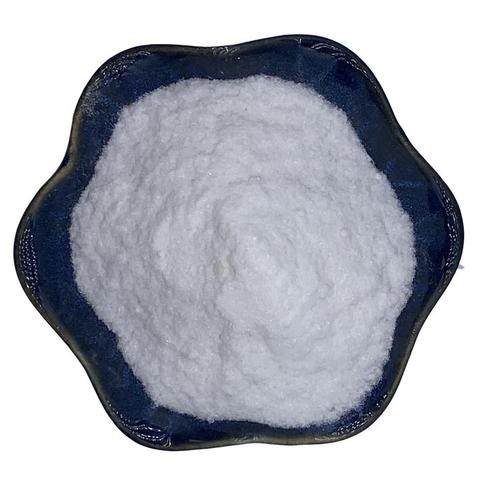
Calcium Hypochlorite
Calcium Hypochlorite<br/>White to off-white granules; Powder; Formulated tablets<br/><br/>Calcium hypochlorite is a chlorine-releasing inorganic oxidizer supplied as white to off-white powder, granules, or formulated tablets. Commercial grades differ in inorganic salt content, moisture, and available chlorine. It is used in swimming pool treatment, industrial water systems, sanitation formulations, and selected industrial bleaching and oxidation processes under applicable use requirements.
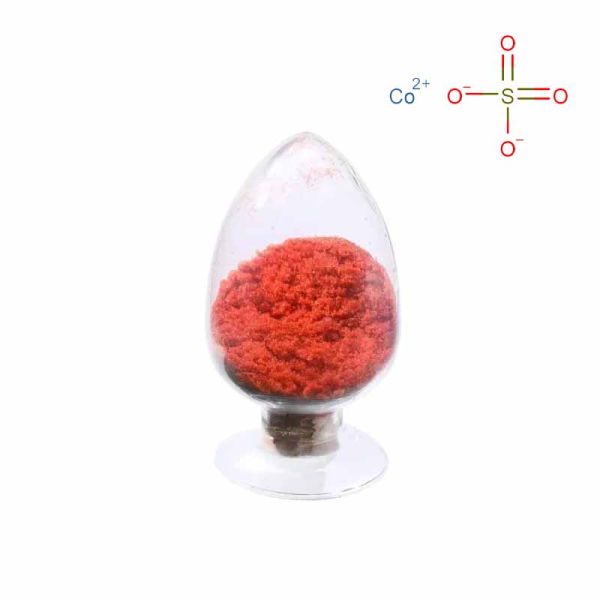
Cobalt Sulfate
Cobalt Sulfate<br/>Crystals<br/><br/>Cobalt sulfate is a cobalt source available in anhydrous and hydrated forms with different crystal colors, dissolution behavior, and dehydration characteristics. Water-soluble grades support solution-based processing for electroplating and catalyst manufacture. It is also used to prepare other cobalt compounds and lithium-ion battery cathode materials, with hydrate identity selected for the process.
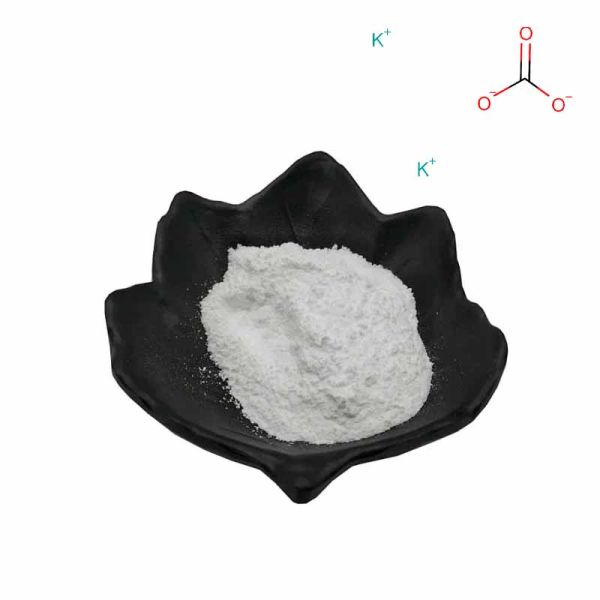
Potassium carbonate
Potassium carbonate<br/>Potash<br/>Pearl Ash<br/>K₂CO₃<br/>White powder; Colorless crystals<br/><br/>Potassium carbonate, also known as potash or pearl ash, is a moisture-absorbing white powder or colorless crystalline solid. It dissolves in water to form alkaline solutions and is insoluble in ethanol. Applications include optical glass manufacture, welding electrode coatings, dye processing, acid-gas absorption, and blended dry-powder fire-extinguishing compositions.
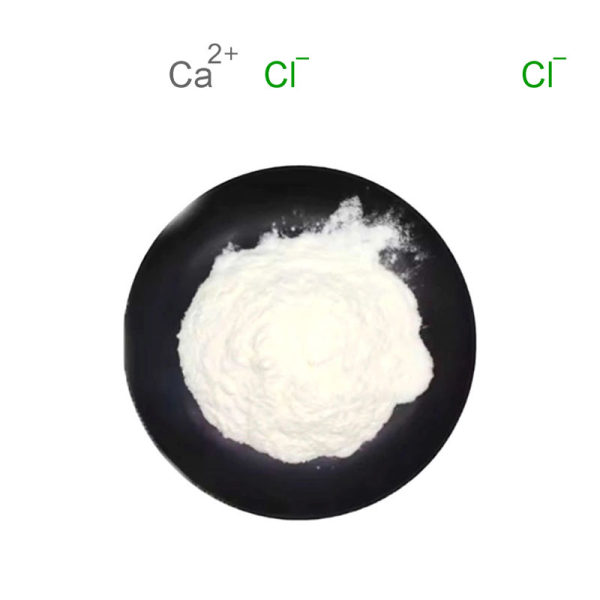
Calcium Chloride
Calcium Chloride<br/>White porous solid; Crystals<br/><br/>Calcium chloride is a strongly hygroscopic salt used where moisture absorption and readily prepared aqueous solutions are important. Dissolution releases heat, while anhydrous and hydrated forms differ in water content and thermal behavior. Typical applications include road deicing, desiccants, liquid and gas dehydration, refrigeration brines, dust suppression, and concrete-setting acceleration.
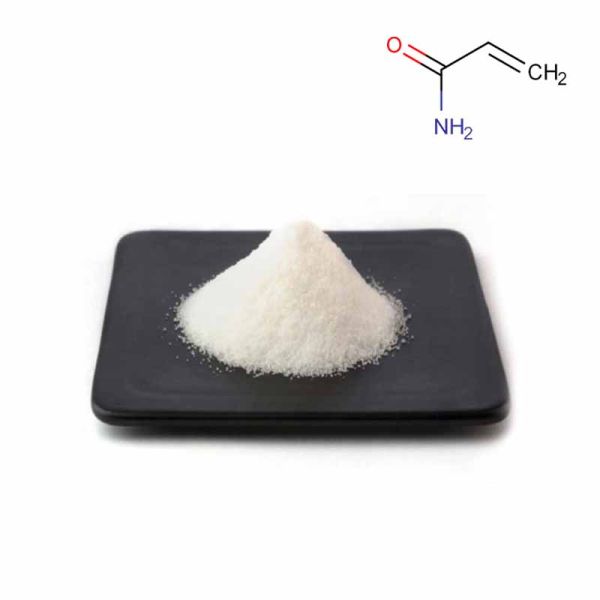
Polyacrylamide
Polyacrylamide<br/>Solid particles; Emulsion<br/><br/>The described polyacrylamide is a cationic polymer available in different charge grades and supplied as solid particles or liquid dispersions. It supports solid-liquid separation in wastewater treatment, sludge dewatering, mining tailings, and coal washing. Other applications include paper retention and drainage, drilling fluids, enhanced oil recovery, and soil conditioning.
Sodium Bicarbonate
Sodium Bicarbonate<br/>Baking Soda<br/>NaHCO3<br/>White crystalline solid<br/><br/>Sodium bicarbonate, widely known as baking soda, is an odorless white crystalline solid that also occurs naturally as nahcolite. Its mildly alkaline aqueous behavior and reaction with food acids make it useful in leavening systems. It is incorporated into baking powder, baked goods, and dry beverage mixes that generate carbon dioxide.
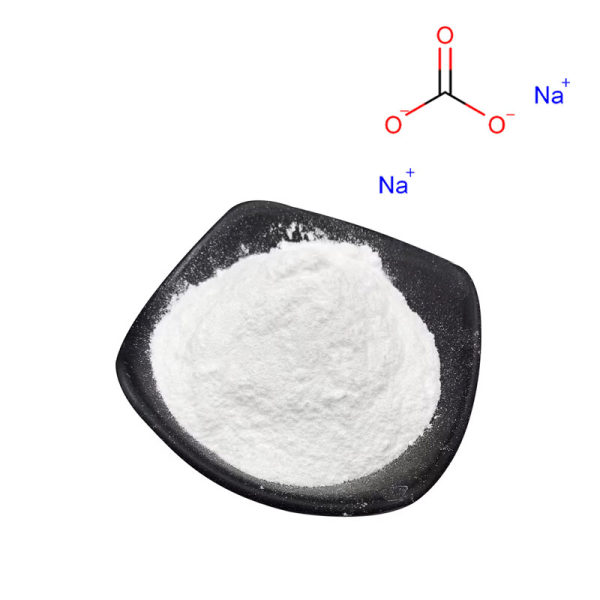
Sodium carbonate
Sodium carbonate<br/>Na₂CO₃<br/>White powder<br/><br/>Sodium carbonate is a white, hygroscopic alkaline material that dissolves in water to provide basic solutions. It serves as a silica flux in glassmaking and an alkalinity source in detergents, water treatment, pulp processing, and textiles. In suitable food-processing grades, it also adjusts acidity and contributes to texture development in prepared foods.
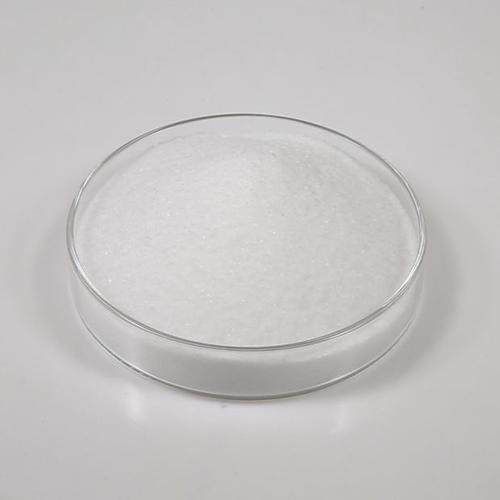
Sodium Cyanide
Sodium Cyanide<br/>White crystalline solid; Briquettes; Industrial solutions<br/><br/>Sodium cyanide is an inorganic salt supplied as white crystalline solids, briquettes, or industrial solutions. It dissolves in water to form alkaline cyanide-containing solutions and is acutely toxic. Its specialized applications include controlled gold recovery, chemical manufacture, and metal finishing, requiring qualified operators, engineered containment, strict acid segregation, and compliant waste management.
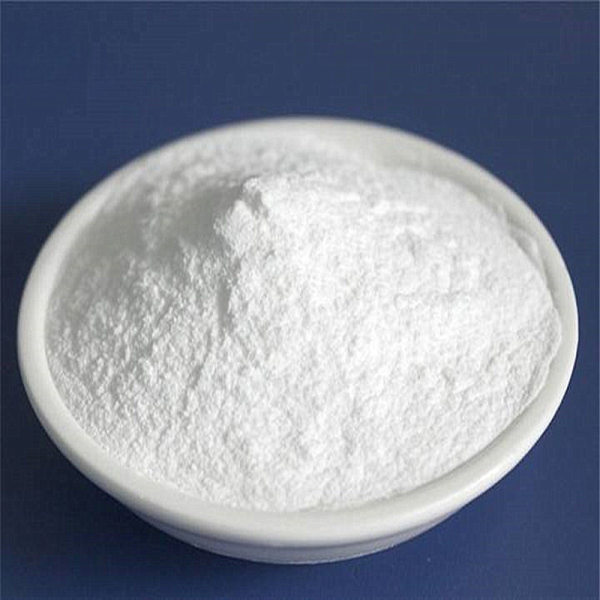
Ammonium Carbonate
Ammonium Carbonate<br/>White crystalline solid<br/><br/>Ammonium carbonate is a white crystalline, ammonia-scented material that forms alkaline aqueous solutions and gradually loses volatile components in air. Commercial products may also contain ammonium bicarbonate and ammonium carbamate. It is used as a chemical reagent, buffering ingredient, and ammonia source; suitable food grades serve as leaveners for low-moisture baked products.
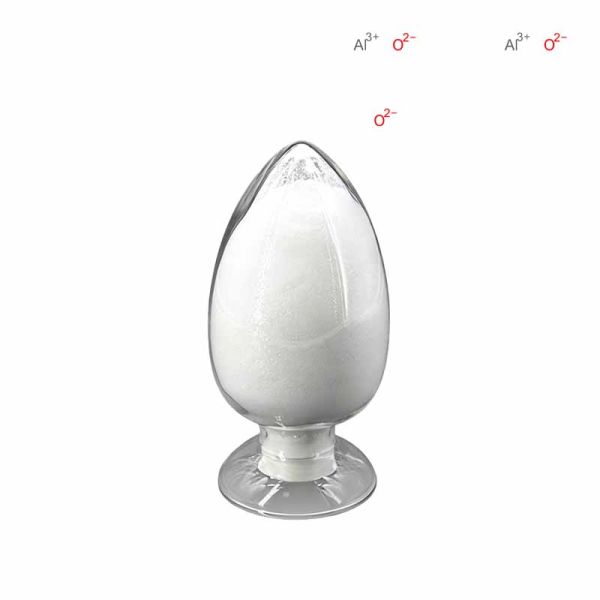
Aluminum oxide CAS#1344-28-1
Aluminum oxide<br/>Al₂O₃<br/><br/>Aluminum oxide, or alumina, is a hard, chemically stable, water-insoluble refractory material occurring in alpha and gamma crystal forms. Its durability and high-temperature performance support use in bearings, abrasives, crucibles, refractories, ceramics, and precision components. It is also applied as a catalyst support, desiccant, inorganic reagent, separation material, and substrate in biochemical and industrial processing.
Send Us Your Inquiry Today