






Navigation
Send Us A Message
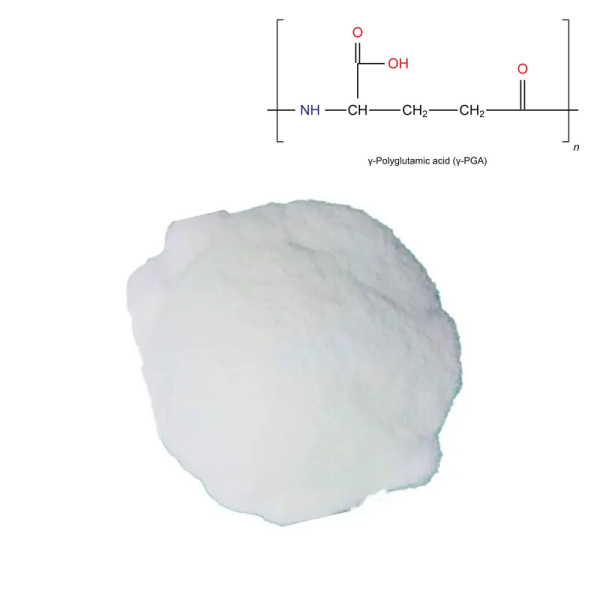
Polyglutamic Acid CAS#25513-46-6
Polyglutamic Acid<br/><br/>Polyglutamic acid is a natural anionic biopolymer produced by fermentation with Bacillus strains. Its carboxyl groups provide water solubility, viscosity, and pH-dependent ionic behavior, while its solution properties vary with molecular weight, pH, and salt form. It is used as a humectant, texture modifier, and formulation aid in cosmetics, food systems, industrial materials, and research carriers.
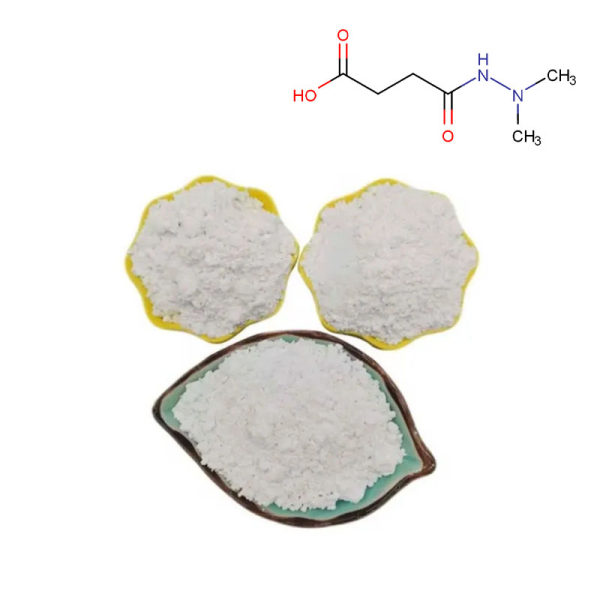
Daminozide CAS#1596-84-5
Daminozide<br/>Alar<br/>butyryl hydrazine<br/>C₆H₁₂N₂O₃<br/>white to off-white crystalline powder<br/><br/>Daminozide, also known as Alar, is a water-soluble synthetic plant growth regulator. In horticulture and agriculture it restrains internode elongation, encouraging compact growth and sturdier stems, while supporting tolerance to heat, drought, and frost. It is applied to ornamental plants and crops including fruit trees, potatoes, tomatoes, and strawberries to manage vegetative growth and fruit set.
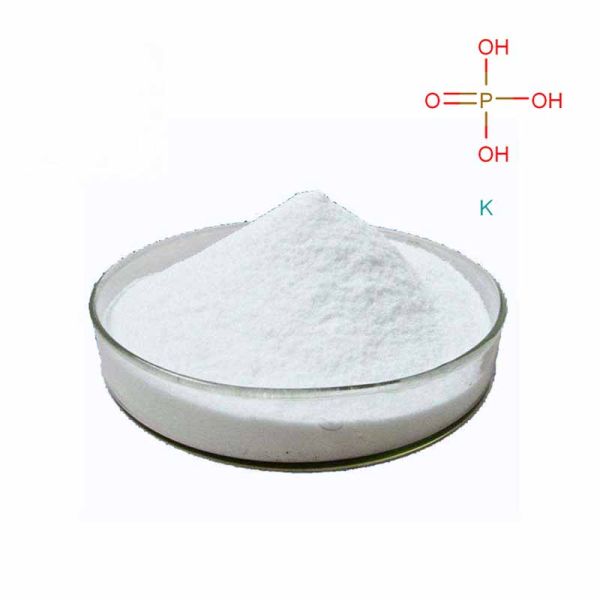
Potassium Phosphate Monobasic CAS#7778-77-0
Potassium Phosphate Monobasic<br/>white crystalline powder or colorless crystals<br/><br/>Potassium phosphate monobasic is a white crystalline phosphate that dissolves readily in water to give a weakly acidic solution and is insoluble in ethanol. Its stable composition and buffering capacity support pH control and nutrient delivery. It is used in buffer solutions, food and feed formulations, agricultural phosphorus-potassium fertilizers, pharmaceutical excipients, water treatment, and electronic-industry processes.
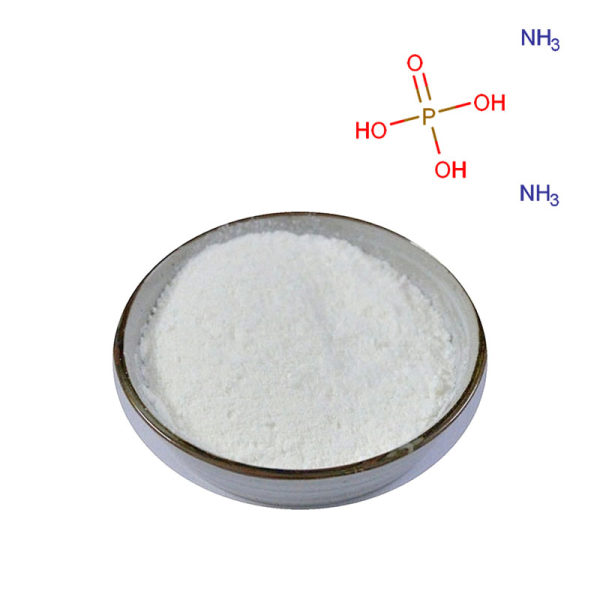
Diammonium Phosphate CAS#7783-28-0
Diammonium Phosphate<br/><br/>Diammonium phosphate is a dry crystalline ammonium phosphate produced by reacting ammonia with phosphoric acid. It provides nitrogen and phosphorus nutrients and is widely used as a compound fertilizer for vegetables, fruit, rice, and wheat. Additional applications include livestock feed, yeast nutrition, water softening, food leavening and buffering, analytical reagents, flame retardants, fire extinguishers, wastewater treatment, and industrial impregnation.
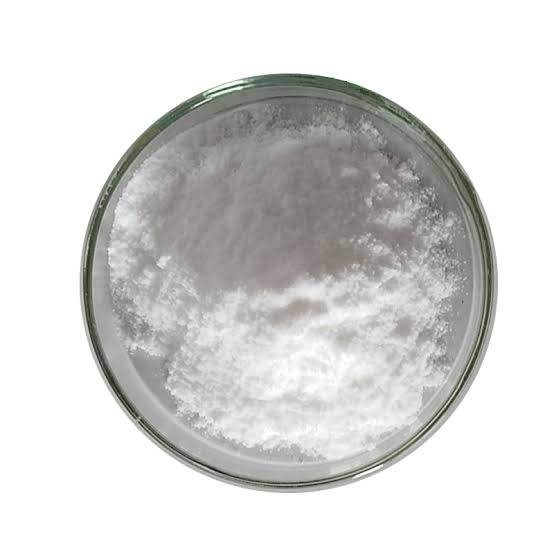
Indole-3-Butyric Acid CAS#133-32-4
Indole-3-Butyric Acid<br/>Indole-3-butyrate<br/><br/>Indole-3-butyric acid is an indole-substituted carboxylic acid that occurs as a plant auxin and metabolite. It is the conjugate acid of indole-3-butyrate and participates in plant development processes associated with cell elongation and differentiation. Typical applications concern plant growth-regulation work and root-development studies, where its auxin identity is central to the intended botanical application.
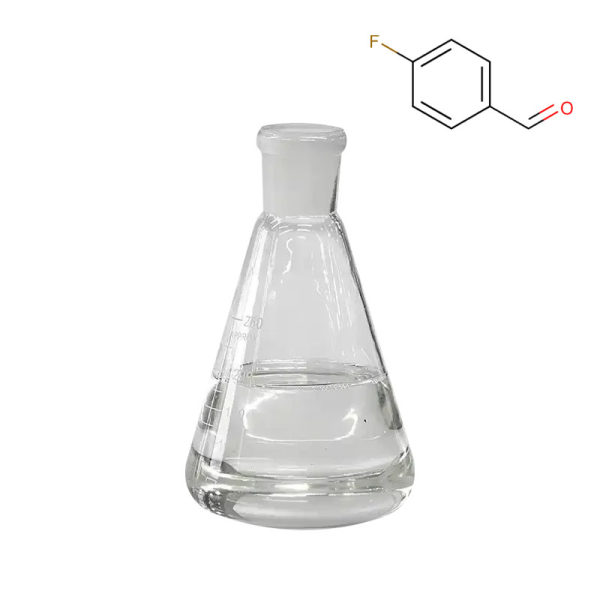
4-Fluorobenzaldehyde CAS#459-57-4
4-Fluorobenzaldehyde<br/>colorless to pale yellow liquid<br/><br/>4-Fluorobenzaldehyde is a fluorinated aromatic aldehyde supplied as a colorless to pale yellow liquid with a characteristic aromatic odor. Its aldehyde group participates in oxidation, reduction and condensation chemistry. Typical uses center on fine-chemical and pharmaceutical synthesis, including preparation of pyrazolopyridine derivatives. The combination of a fluorinated aromatic ring and reactive aldehyde functionality makes it a useful synthetic building block.
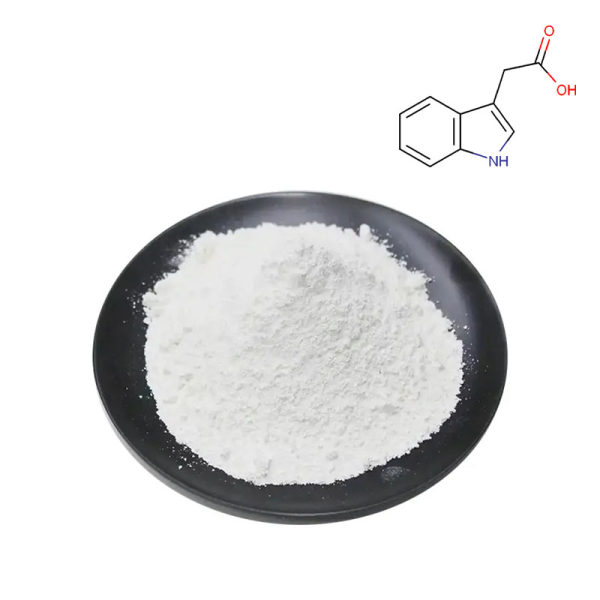
Indole-3-Acetic Acid CAS#87-51-4
Indole-3-Acetic Acid<br/>IAA<br/><br/>Indole-3-acetic acid, commonly called IAA, is a naturally occurring auxin used in plant research and propagation formulations. It has limited water solubility and can degrade in solution under light or elevated temperature. Typical applications include cutting-rooting studies, horticultural propagation and tissue-culture media, where its balance with cytokinins influences developmental responses. Treatment conditions vary with plant species and application method.
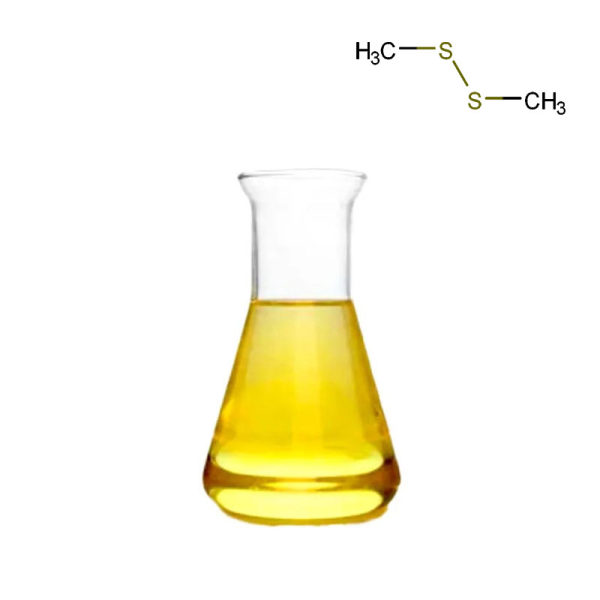
Dimethyl disulfide CAS#624-92-0
Dimethyl disulfide<br/>DMDS<br/>flammable yellow liquid; colorless to pale yellow liquid<br/><br/>Dimethyl disulfide, abbreviated DMDS, is an organosulfur liquid with a pronounced sulfurous odor and limited water solubility. It mixes with many organic solvents and serves primarily as a sulfiding reagent for hydroprocessing catalysts in petroleum refining. Additional uses include sulfur-containing intermediates for chemical synthesis and selected fragrance or flavor intermediate manufacture, rather than direct substitution of industrial material into food.
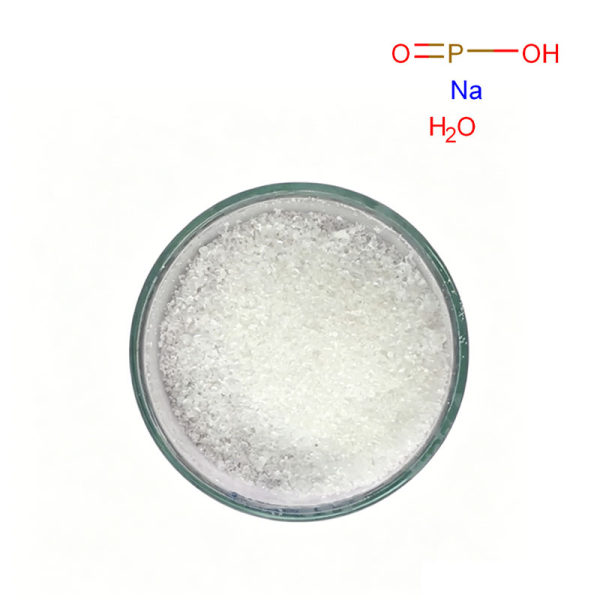
Sodium hypophosphite monohydrate CAS#10039-56-2
Sodium hypophosphite monohydrate<br/><br/>Sodium hypophosphite monohydrate is a hydrated reducing agent and stabilizer used in several industrial processes. Its principal application is electroless nickel plating, where it participates in metal deposition. Other documented uses include water-treatment formulations addressing scale and corrosion, flame-retardant synergist systems for polymers, and specialty chemical synthesis. The monohydrate designation identifies the supplied form rather than an unspecified hypophosphite material.
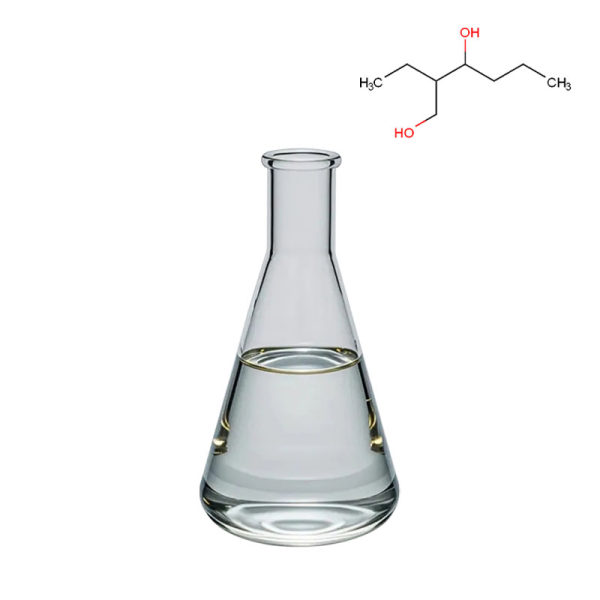
2-Ethyl-1,3-hexanediol CAS#94-96-2
2-Ethyl-1,3-hexanediol<br/><br/>2-Ethyl-1,3-hexanediol, abbreviated EHD, is a diol used in specialized chemical and formulation work. Documented applications include insect-repellent formulations and boron extraction. It also serves as a reactive solvent in non-hydrolytic sol-gel preparation of magnetic iron oxide nanoparticles. Its hydroxyl functionality provides a route to selective oxidation products, including a hydroxy ketone used in further synthetic work.
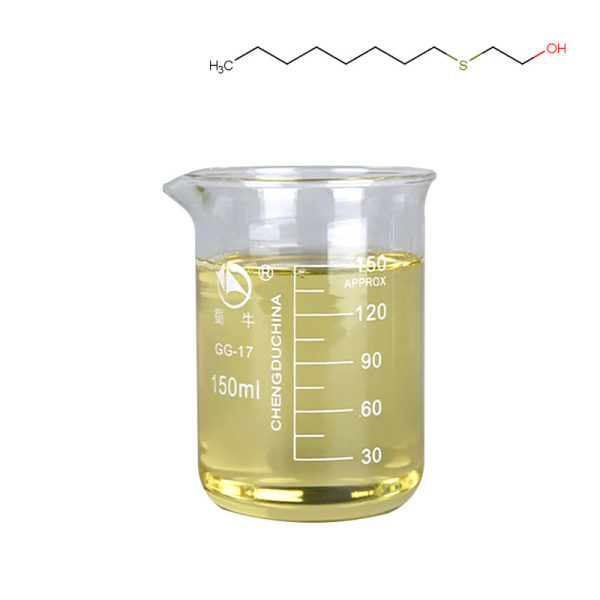
2-Hydroxyethyl-n-octyl-sulde CAS#3547-33-9
2-Hydroxyethyl-n-octyl-sulde<br/>2-Hydroxyethyl-n-octyl-sulfide<br/>C₁₀H₂₂OS<br/><br/>2-Hydroxyethyl n-octyl sulfide, also known as 2-(octylthio)ethanol, is a sulfur-containing alcohol with both hydroxyl and thioether functionality. The hydroxyl group supports reactions such as esterification, while the thioether introduces sulfur chemistry. It is used as an intermediate in specialty organic synthesis. Potential agrochemical and lubricant formulation roles require technical evaluation rather than being assumed from its structural identity alone.
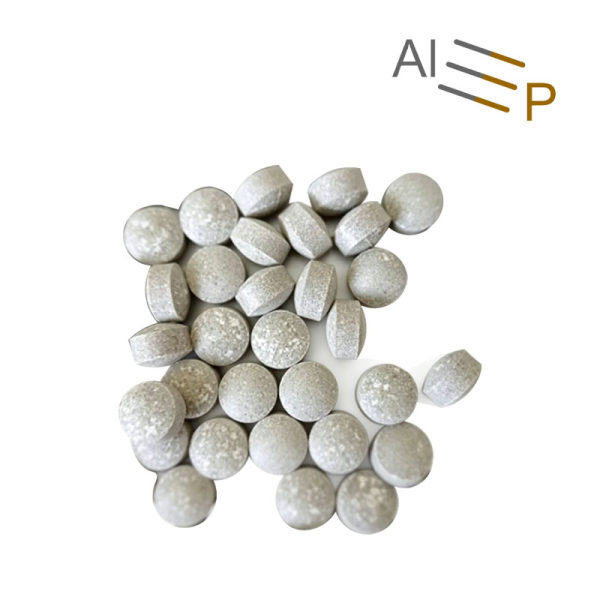
Aluminum Phosphide CAS#20859-73-8
Aluminum Phosphide<br/>AlP<br/><br/>Aluminum phosphide is a highly hazardous, moisture-reactive material used in regulated fumigation products. Commercial formulations commonly appear as gray to gray-green tablets or pellets. Contact with moisture releases extremely toxic phosphine gas, defining both its application and handling limitations. Authorized uses concern stored-grain and other agricultural pest-control settings and require trained professionals, approved products and strict adherence to applicable labels.
Send Us Your Inquiry Today