






Navigation
Send Us A Message
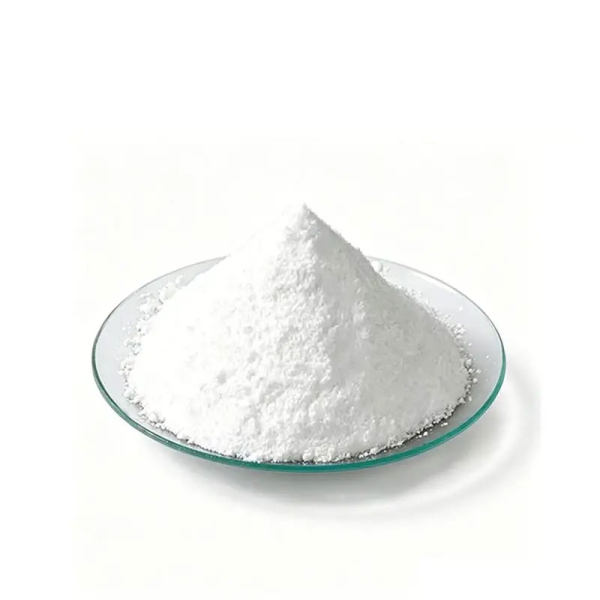
Sodium tripolyphosphate
Sodium tripolyphosphate<br/>STPP<br/>Na₅P₃O₁₀<br/>White crystalline solid<br/><br/>Sodium tripolyphosphate, abbreviated STPP, is a white crystalline phosphate valued for binding calcium and magnesium ions. It functions as a detergent builder, water softener, dispersant, and emulsifying aid. Uses include heavy-duty laundry and dishwashing formulations, drilling-fluid cleaning, peroxide stabilization, and moisture-retention applications in appropriately specified meat and seafood processing grades.
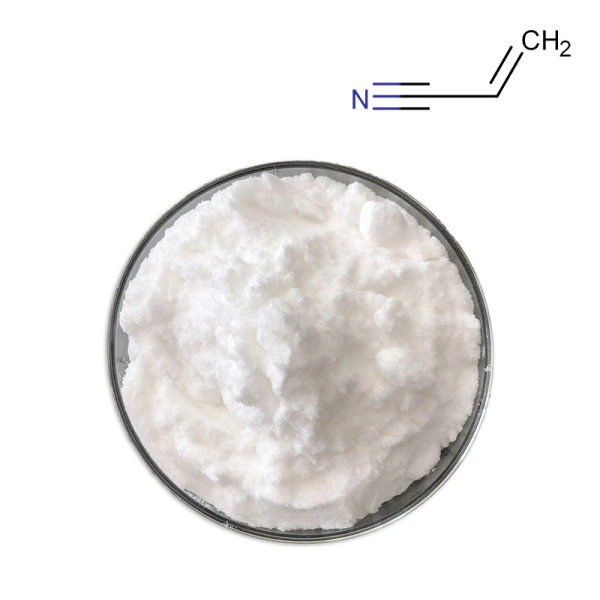
Polyacrylonitrile CAS#25014-41-9
Polyacrylonitrile<br/><br/>Polyacrylonitrile is a synthetic polymer valued for thermal and chemical resistance. Its fiber-forming behavior supports conversion into strong carbon fibers, while the polymer can also provide durable membranes and reinforcement in engineered materials. It is used as a precursor for carbon fiber, in flame-resistant textiles, water-treatment and gas-separation membranes, and reinforced automotive or aerospace composites. The supplied application text also describes analytical and fertilizer-related chemical uses that should be checked against the product identity.
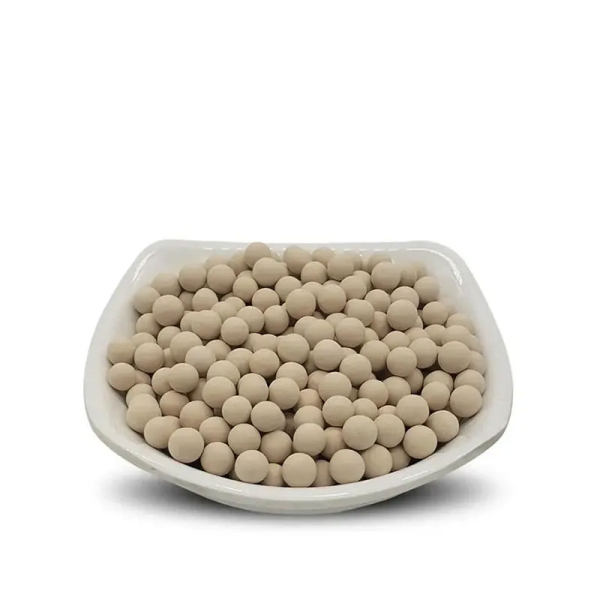
Zeolite CAS#1318-02-1
Zeolite<br/><br/>Zeolite is a family of framework aluminosilicate minerals and synthetic materials with ordered micropores, channels and high surface area. Its lightweight porous structure enables adsorption and molecular transport while allowing natural and manufactured grades to be selected for different processes. It is used for carbon-dioxide sequestration, catalysis and removal of heavy metals from wastewater. Pelletized grades are especially suited to column systems and continuous industrial treatment.
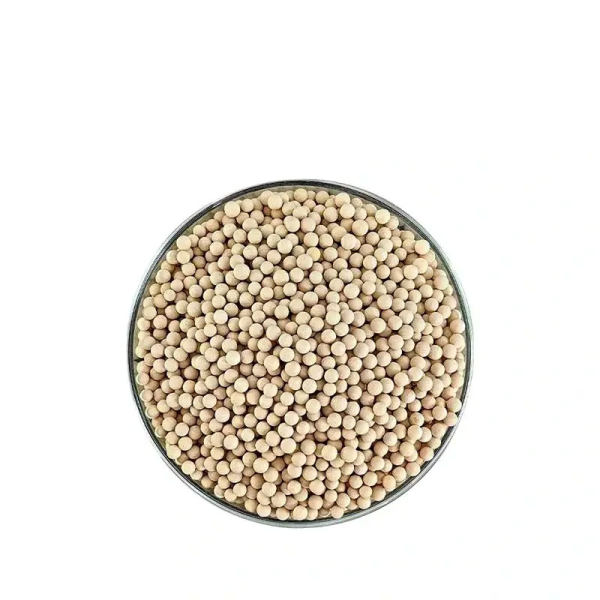
Molecular sieve 3A CAS#308080-99-1
Molecular sieve 3A<br/><br/>Molecular sieve 3A is a porous aluminosilicate with a cubic lattice, uniform channels and high surface area. Its selective pore size adsorbs suitable small molecules while excluding larger species, and its framework remains stable after dehydration by heating. It is a high-efficiency desiccant for petroleum and chemical processing, especially for drying unsaturated hydrocarbons, ethanol solutions, refrigerants and natural gas.
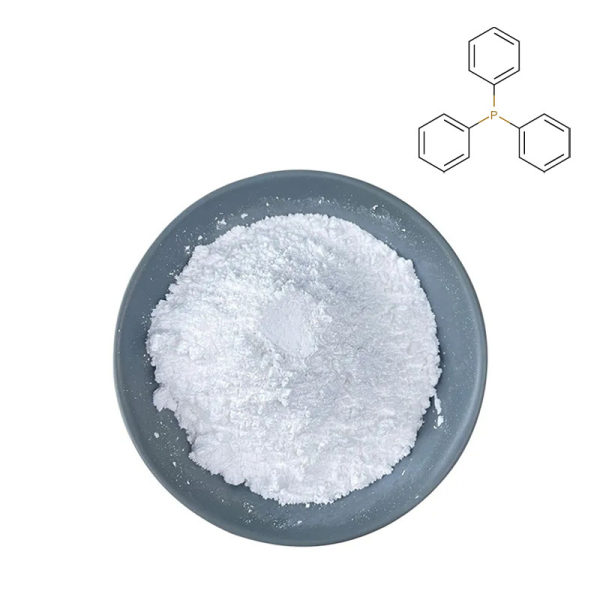
Triphenylphosphine CAS#603-35-0
Triphenylphosphine<br/>C₁₈H₁₅P<br/><br/>Triphenylphosphine is a white to off-white crystalline phosphine ligand. It is freely soluble in ether, soluble in benzene and chloroform, nearly insoluble in water, and sufficiently thermally robust for high-temperature synthesis under inert conditions. It is a standard ligand in homogeneous catalysis and a key reagent in Wittig reactions. Other uses include preparation of organophosphorus intermediates and sulfonated derivatives for petrochemical and fine-chemical processes.
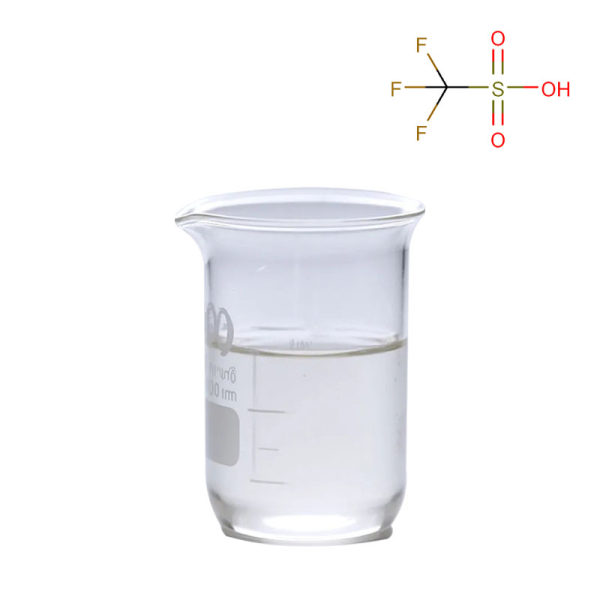
Trifluoromethanesulfonic acid CAS#1493-13-6
Trifluoromethanesulfonic acid<br/>CF₃SO₃H<br/><br/>Trifluoromethanesulfonic acid, or triflic acid, is a non-oxidizing superacid with high thermal stability and strong resistance to oxidation and reduction. The anhydrous form is especially valuable where intense, nonaqueous acidity is required. It catalyzes Friedel–Crafts acylation, alkylation and polymerization, and serves as a nonaqueous acid titrant or ESR solvent. It is also used in pharmaceutical, agrochemical, polymer, nucleoside, peptide, steroid and glycoside synthesis.
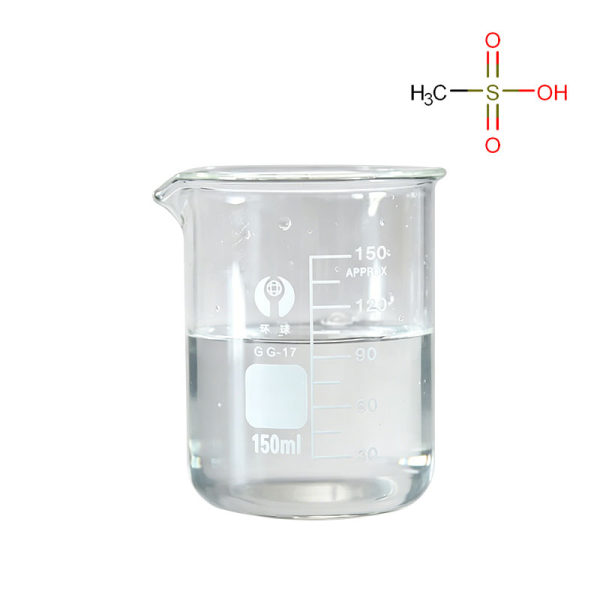
Methanesulfonic acid CAS#75-75-2
Methanesulfonic acid<br/>CH₃SO₃H<br/><br/>Methanesulfonic acid is a strong, nonvolatile organic acid that dissolves well in organic solvents. Its aqueous solutions function as model electrolytes, while its biodegradation profile and process compatibility support the description of a green-acid alternative. It is used as a catalyst for esterification, alkylation and condensation, including preparation of starch, wax, benzoate, phenolic and other alkyl esters. It also participates in borane–tetrahydrofuran complex formation.
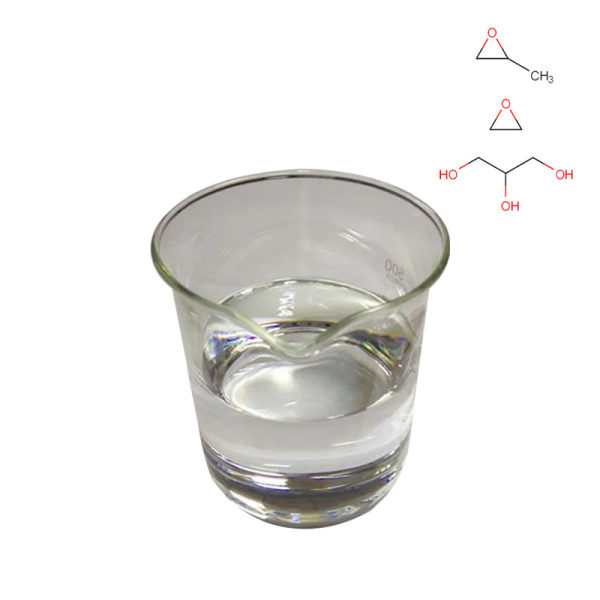
Polyether polyol CAS#9082-00-2
Polyether polyol<br/><br/>Polyether polyol is a colorless to pale-yellow viscous EO–PO copolymer, commonly initiated from glycerol. Its low-foaming, emulsifying and lubricating behavior complements its role as a reactive raw material in polyurethane systems. It is used to make flexible and rigid polyurethane foams, sealants and elastomers, including high-resilience foam and automotive or furniture seating. Related formulations employ it in detergents, defoamers, fabric leveling, antistatic agents, coolants, spinning oils, lubricants and adhesives.
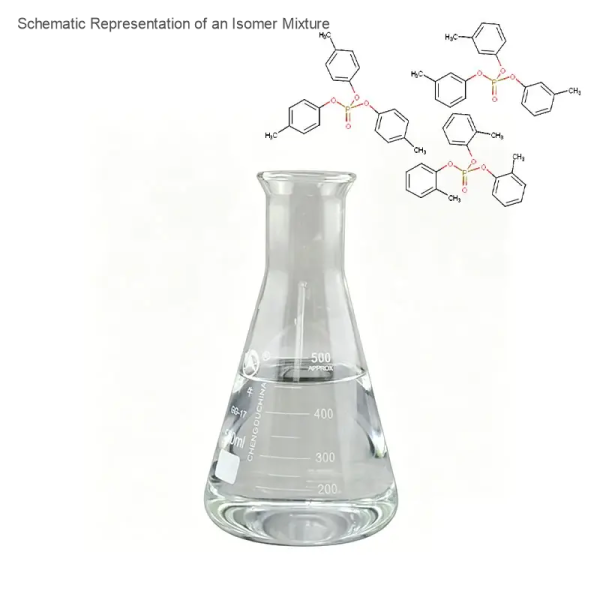
Tricresyl Phosphate CAS#1330-78-5
Tricresyl Phosphate<br/>TCP<br/><br/>Tricresyl phosphate is an isomer mixture in which ortho and meta components are liquid while the para component is crystalline. It has a mild pungent odor and is produced from cresol and phosphorus oxychloride. It functions as a plasticizer and flame retardant for vinyl plastics, a solvent for nitrocellulose and an additive for cellulosic molding compounds. It is also used in extreme-pressure lubricants and nonflammable hydraulic fluids.
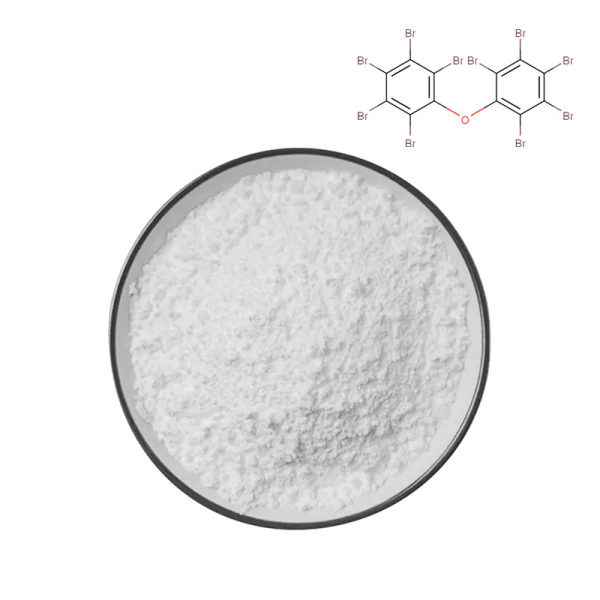
Decabromodiphenyl xide CAS#1163-19-5
Decabromodiphenyl xide<br/><br/>Decabromodiphenyl ether is a white fine powder with high bromine content, low solubility in common solvents and strong thermal stability. Its nonreactive additive character allows it to remain dispersed in polymer matrices during processing. It is used as a flame retardant in thermoplastic and thermosetting resins, textiles and adhesives, including polystyrene, polyester, polyethylene, polypropylene, ABS, nylon and PVC formulations.
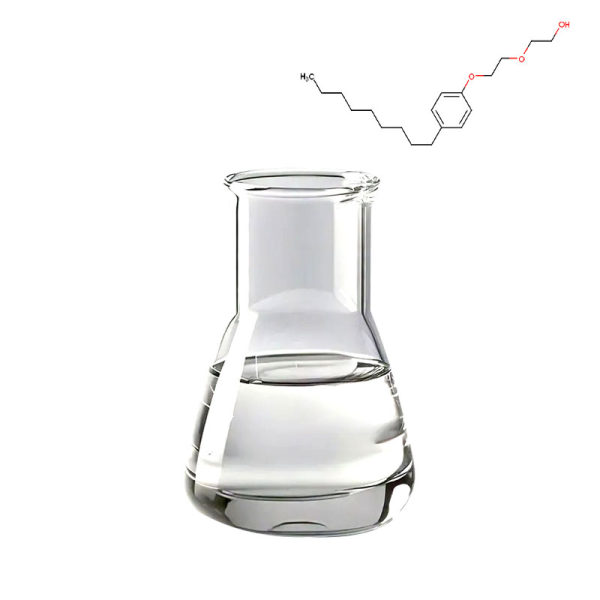
Nonylphenol Ethoxylate CAS#9016-45-9
Nonylphenol Ethoxylate<br/>NPE<br/>C₁₅H₂₄O(C₂H₄O)ₙ<br/><br/>Nonylphenol ethoxylate is a pale-yellow to brown viscous nonionic surfactant with strong detergency, wetting and emulsifying performance. Its ethoxylation level can be varied to tune formulation behavior, although biodegradability and aquatic-toxicity restrictions must be considered. It is used as a cleaner, dispersant, emulsifier, humectant, solubilizer or wetting agent in coatings, agrochemicals, household and industrial cleaners, functional fluids, textiles and oil-and-gas formulations.
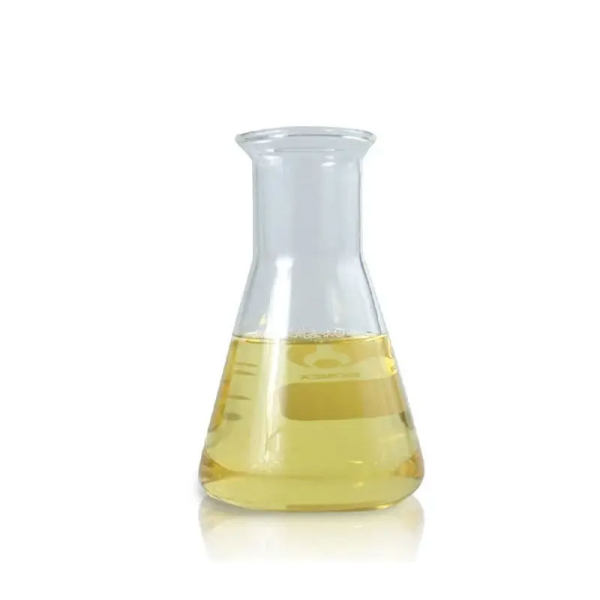
PO (15) TALOW AMINE CAS#61791-26-2
PO (15) TALOW AMINE<br/>CH2<br/>CH2CH2O<br/><br/>POE (15) tallow amine is a nonionic ethoxylated tallow-alkyl amine supplied as a high-purity oily liquid. Its ethoxylated structure gives useful surface activity, emulsification and formulation compatibility across aqueous and organic systems. It is mainly used as an emulsifier or surfactant in detergents, cosmetics and textile formulations. The material is selected where an animal-fat-derived nonionic additive is appropriate for dispersion and phase compatibility.
Send Us Your Inquiry Today