






Navigation
Send Us A Message
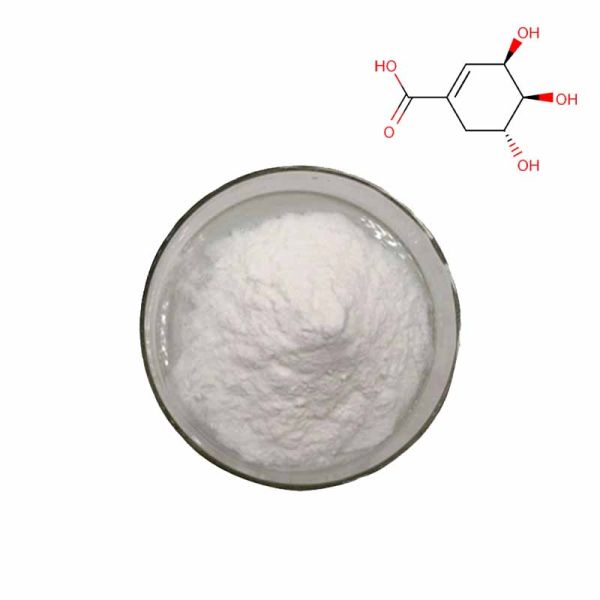
Shikimic acid CAS#138-59-0
Shikimic acid<br/>White crystalline solid<br/><br/>Shikimic acid is a white crystalline, water-soluble compound found in plants and microorganisms. It serves as a chiral starting material for pharmaceutical synthesis, including oseltamivir, and as a precursor to aromatic amino acids, alkaloids, and indole derivatives. Laboratory applications include quantitative analysis of plant tissues and use as a substrate in shikimate kinase assays.
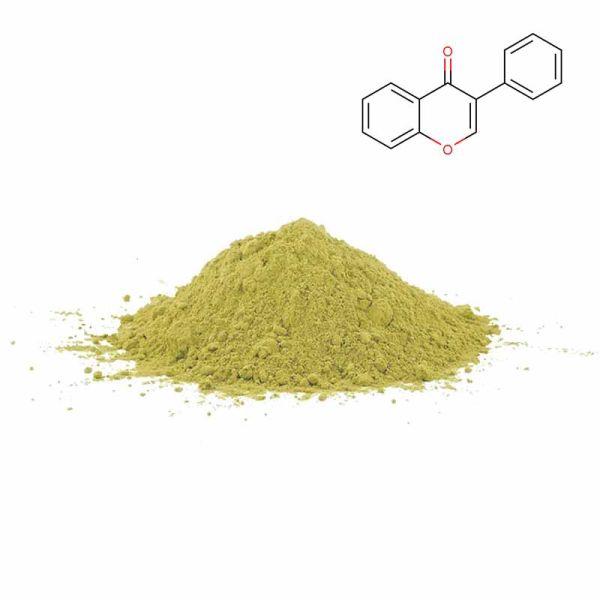
Isoflavone CAS#574-12-9
Isoflavone<br/><br/>The supplied isoflavone information describes plant-derived compounds associated with soybeans and other legumes, including representatives such as genistein and glycitein. Their structural relationship to estrogen-related compounds forms part of the chemical context for botanical ingredient work. Because these are class-level descriptions, the specific composition of an individual isoflavone product requires separate confirmation.
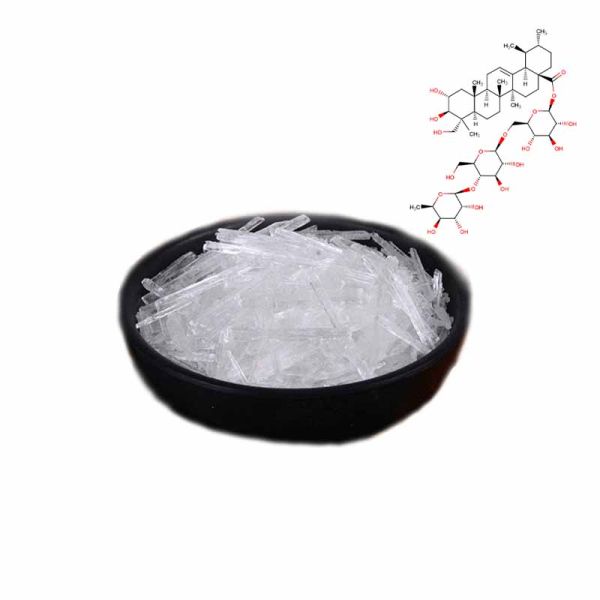
Asiaticoside CAS#16830-15-2
Asiaticoside<br/><br/>Asiaticoside is a plant-derived pentacyclic triterpenoid associated with Centella asiatica, commonly known as gotu kola. It is identified as a principal constituent of this botanical material rather than the whole herb itself. Its described applications concern pharmaceutical and skin-related formulation studies, with compound identity distinguished from the broader Centella extract and mixed saponin fractions.
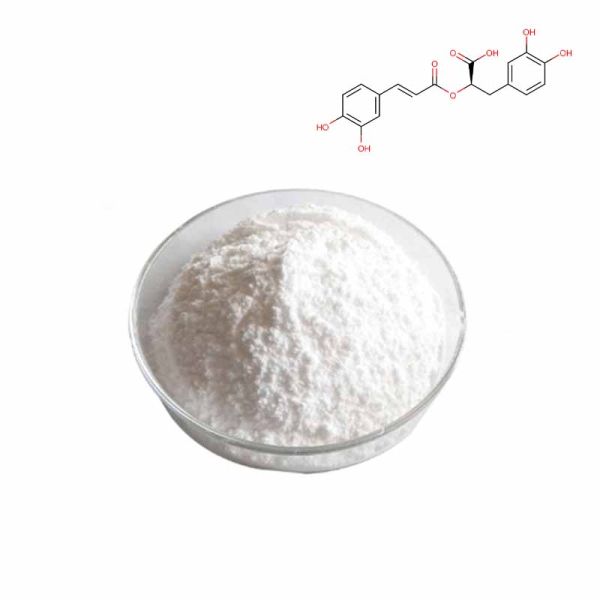
Rosmarinic acid CAS#20283-92-5
Rosmarinic acid<br/><br/>Rosmarinic acid is a water-soluble phenolic acid found in rosemary and several other botanical families, particularly Lamiaceae and Boraginaceae. Its phenolic chemistry is relevant to antioxidant-focused ingredient development. Applications include analytical identification, content determination, and formulation studies for food, cosmetics, and pharmaceuticals, without extending laboratory observations into claims about human health outcomes.
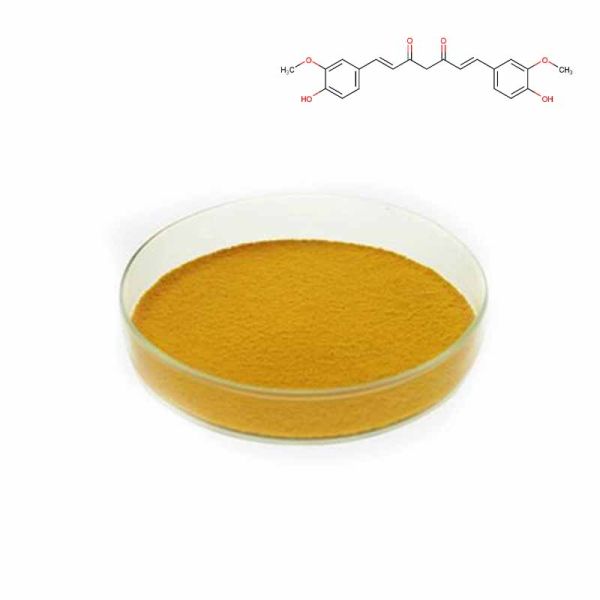
Curcumin CAS#458-37-7
Curcumin<br/><br/>Curcumin is a natural phenolic compound and the principal yellow pigment associated with turmeric and curry. Its described uses are concentrated in laboratory work involving cellular signaling, oxidative processes, cytokine measurements, and enzyme assays. Research applications include studies of protein kinase C, EGFR tyrosine kinase, and related biochemical pathways without implying therapeutic efficacy.
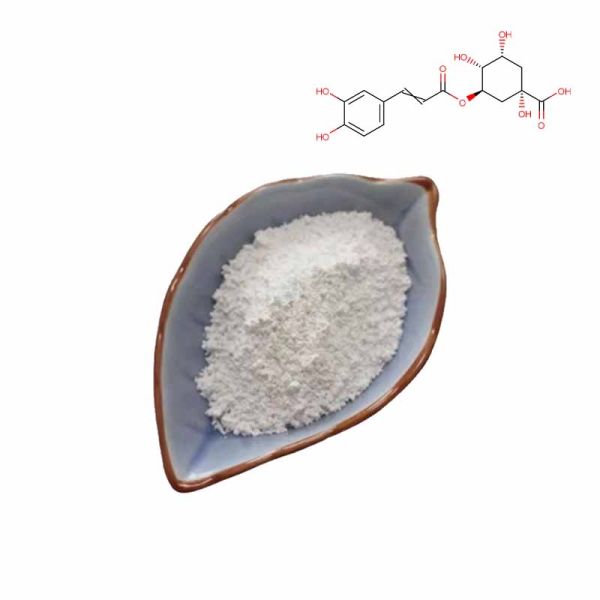
Chlorogenic acid CAS#327-97-9
Chlorogenic acid<br/><br/>Chlorogenic acid is a plant-derived polyphenolic compound found in coffee and other botanical materials. Its chemical identity and association with oxidative processes make it relevant to biochemical evaluation. The supplied applications identify it as a pharmaceutical raw material and intermediate, while the described biological observations do not establish clinical performance or a particular physical form.
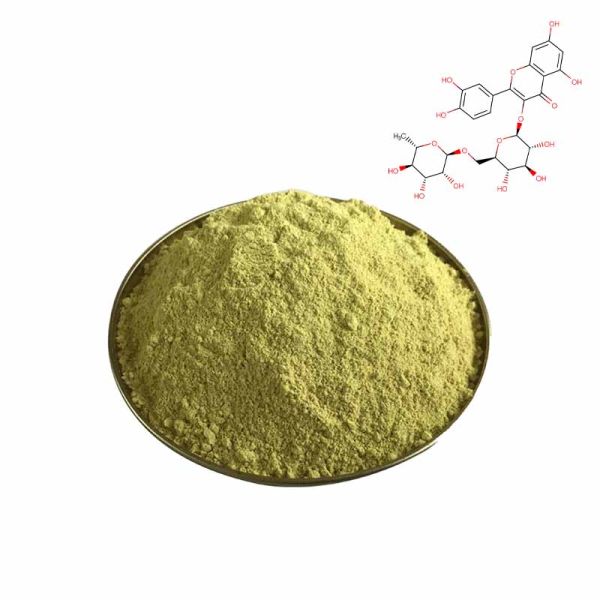
Rutin CAS#153-18-4
Rutin<br/><br/>Rutin is a naturally occurring flavonoid distributed across numerous plants, including Sophora japonica and tartary buckwheat. These botanical materials are common extraction sources, alongside several fruits and other plant tissues. Its antioxidant-related chemistry supports botanical ingredient evaluation and formulation work, while the identity of rutin should remain distinct from that of a whole-plant extract.
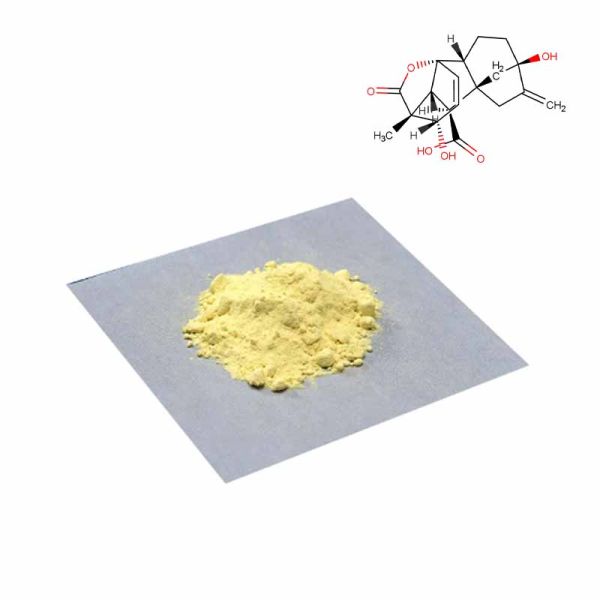
Ginkgo biloba extract CAS#90045-36-6
Ginkgo biloba extract<br/><br/>Ginkgo biloba extract is a multicomponent botanical material containing flavonoid glycosides, ginkgolides, bilobalide, and other minor constituents. Its polar and nonpolar fractions are concentrated through purification. It is used in botanical and cosmetic ingredient work, including antioxidant-focused formulations, with compositional specifications needed to distinguish the extract from isolated ginkgo compounds.
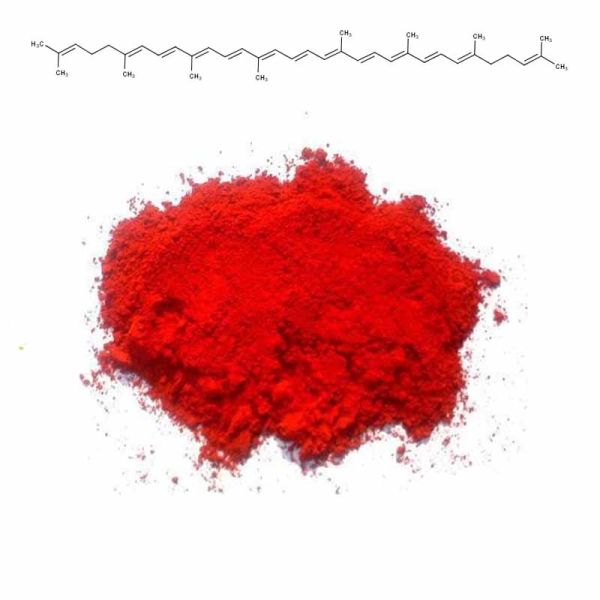
Lycopene CAS#502-65-8
Lycopene<br/>Red pigment<br/><br/>Lycopene is a red carotenoid pigment naturally associated with tomatoes and other red fruits and vegetables. Tomato-derived preparations provide yellow-to-red color shades in foods and beverages. Typical applications include dairy products, confectionery, baked goods, sauces, juices, and supplement formulations, where both pigmentation and antioxidant-related functionality may be relevant to product development.
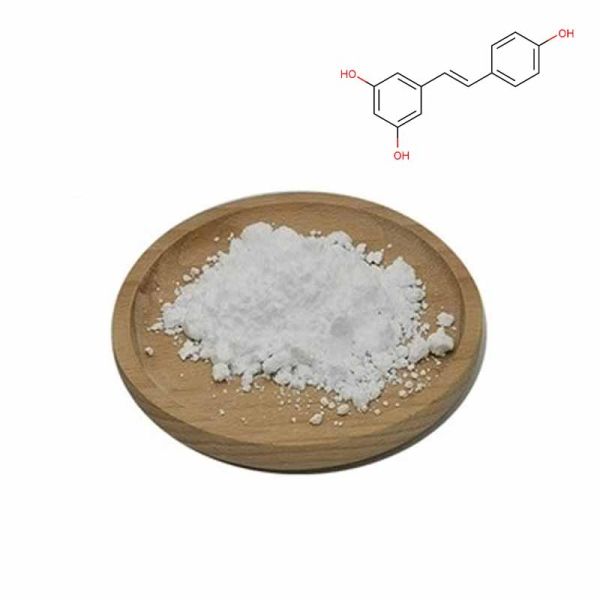
Resveratrol CAS#501-36-0
Resveratrol<br/><br/>Resveratrol is a non-flavonoid polyphenol naturally present in red grape skins, berries, nuts, and Polygonum cuspidatum roots. Its polyphenolic identity is relevant to antioxidant-focused biochemical work. The supplied information places it in natural-product and pharmacological investigation, while not establishing a particular physical form, solubility profile, or verified health outcome for the supplied material.
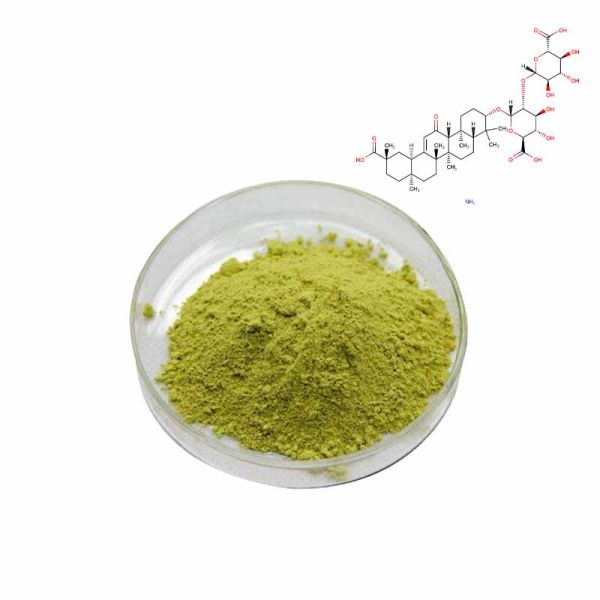
Glycvrrhizic acid ammonium salt CAS#53956-04-0
Glycvrrhizic acid ammonium salt<br/>Ammonium Glycyrrhizinate<br/><br/>Glycyrrhizic acid ammonium salt, also called ammonium glycyrrhizinate, provides intense sweetness with a mild licorice character. It dissolves in water, glycerin, and propylene glycol, but acidic conditions can cause precipitation. Applications include beverages, confectionery, desserts, soups, and dressings, together with research on polyion-complex nanocarriers; prolonged heating can affect its stability.
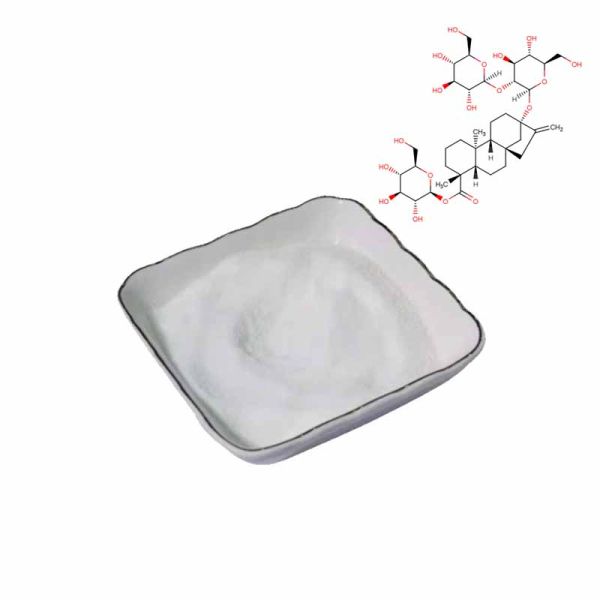
Stevioside CAS#57817-89-7
Stevioside<br/><br/>Stevioside is a diterpene glycoside extracted from stevia leaves and one of their principal sweet constituents. It provides pronounced, lingering sweetness, although concentrated formulations can develop a bitter aftertaste. Typical uses include reduced-calorie beverages, candies, and pastries, where its sensory profile is considered when replacing part of the conventional sugar system.
Send Us Your Inquiry Today