






Navigation
Send Us A Message
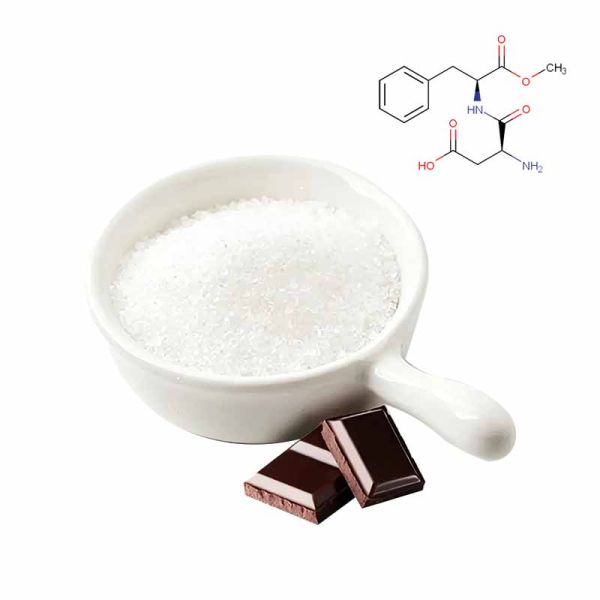
Aspartame CAS#22839-47-0
Aspartame<br/>fine uniform white crystalline powder<br/><br/>Aspartame is an amino-acid-derived sweetener supplied as a fine white crystalline powder. It provides a sugar-like sweetness with low caloric contribution and is slightly soluble in cold water but more soluble in hot water. It is used in reduced-sugar and sugar-free beverages, fruit teas, candies, pastries, yogurt, snacks, table condiments, meal-replacement products, lozenges, and flavoring preparations.
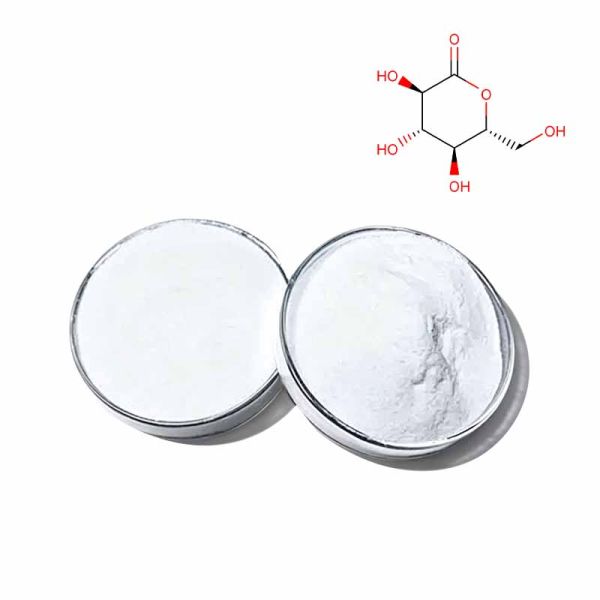
D-(+)-Glucono-1,5-lactone CAS#90-80-2
D-(+)-Glucono-1,5-lactone<br/><br/>D-(+)-Glucono-1,5-lactone, or glucono delta-lactone, is a lactone of gluconate found naturally in honey, fruit juice, wine, and fermented foods. It hydrolyzes gradually in water to release gluconic acid and provide controlled acidity. As a food additive it is used for acidification, sequestration, curing, pickling, leavening, feta-cheese production, and beverage or dairy formulation.
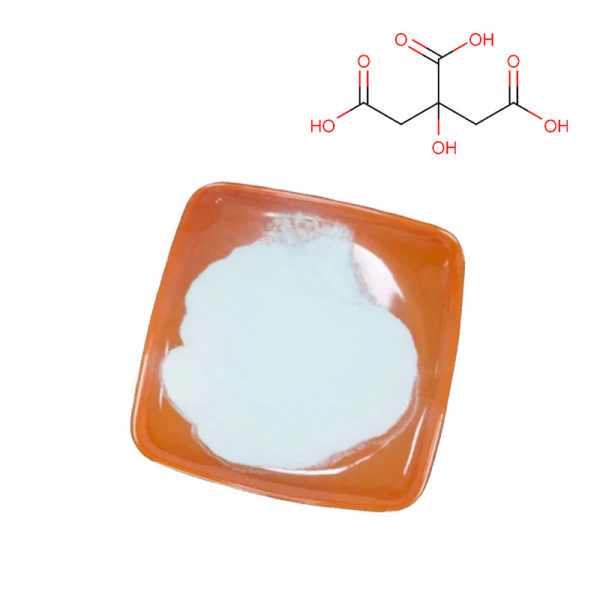
Citric acid CAS#77-92-9
Citric acid<br/>c; o; l; o; r; l; e; s; s; ,; ; t; r; a; n; s; p; a; r; e; n; t; ; o; r; ; t; r; a; n; s; l; u; c; e; n; t; ; c; r; y; s; t; a; l; s; ;; ; g; r; a; n; u; l; a; r; ; o; r; ; m; i; c; r; o; p; a; r; t; i; c; l; e; ; p; o; w; d; e; r<br/><br/>Anhydrous citric acid is an odorless organic acid supplied as transparent or translucent crystals, granules or fine powder. It has a pronounced sour character and shows sensitivity to atmospheric moisture. Typical uses include acidity regulation and flavor adjustment in food formulations, together with analytical reagents, test solutions and organic chemical applications requiring a citric acid ingredient.
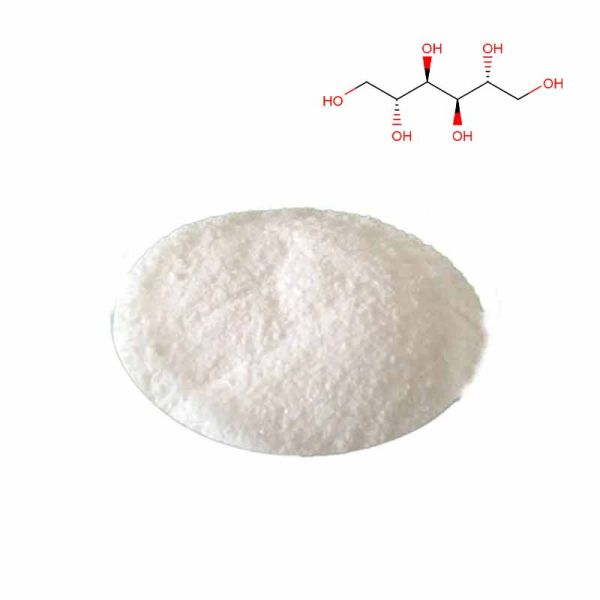
D-Mannitol CAS#69-65-8
D-Mannitol<br/>Mannitol or D-Mannite<br/>C₆H₁₄O₆<br/>a; ; w; h; i; t; e; ; c; r; y; s; t; a; l; l; i; n; e; ; p; o; w; d; e; r; ; o; r; ; f; r; e; e; -; f; l; o; w; i; n; g; ; g; r; a; n; u; l; e; s<br/><br/>D-Mannitol is a white crystalline powder or free-flowing granule and a naturally occurring sugar alcohol. Its relatively low hygroscopicity and mild sweetness make it useful where moisture-sensitive formulations need a stable bulking or diluent material. It is used in pharmaceutical tablets and lyophilized products, as well as in foods as a sweetener, flow aid, anticaking agent, lubricant, stabilizer and release aid. Chemical applications include boric-acid titration and resin or plasticizer manufacture.
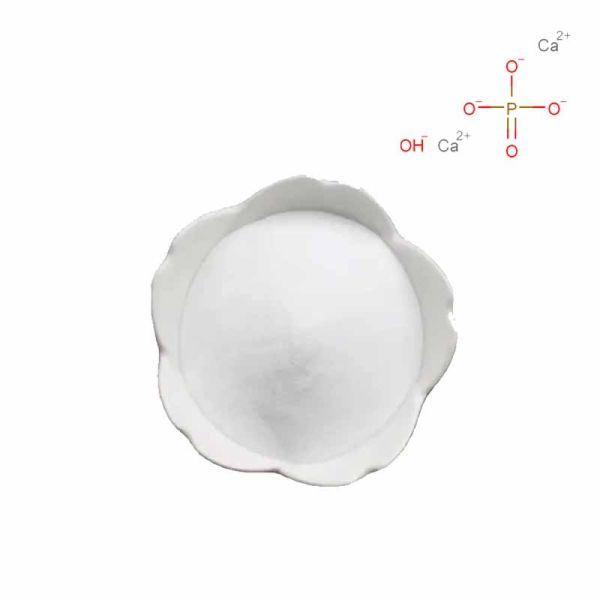
HydroxyapatiteCAS#1306-06-5
Hydroxyapatite<br/><br/>Hydroxyapatite is a white, odorless, water-insoluble calcium phosphate powder with high thermal stability and solubility in dilute acids. Its stable ceramic character and mineral-like composition support use in structured calcium-phosphate materials. Hydroxyapatite and related tricalcium phosphate ceramics are used in bone-graft and bone-filler materials and as coatings for metal implants. The supplied grade is intended for industrial material applications where consistent powder properties are required.
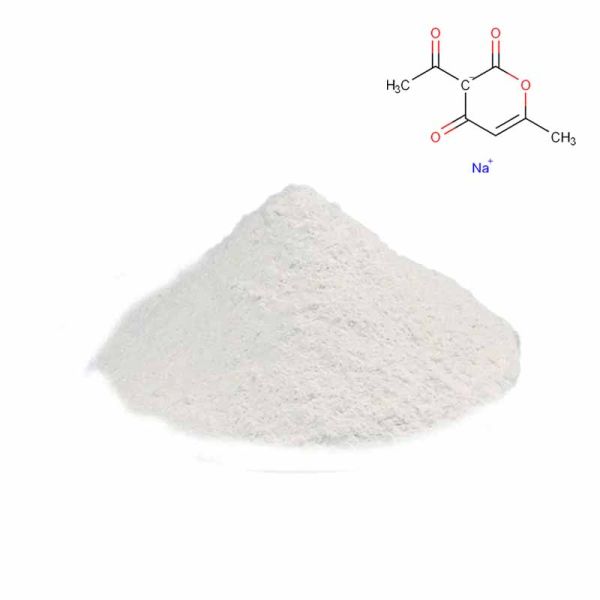
Sodium dehydroacetate CAS#4418-26-2
Sodium dehydroacetate<br/>w; h; i; t; e; ; o; r; ; p; a; l; e; ; y; e; l; l; o; w; ; c; r; y; s; t; a; l<br/><br/>Sodium dehydroacetate is a white to pale-yellow crystalline preservative with good water solubility and strong light and heat stability. Its aqueous solutions remain stable during heating, and the material is supplied as a low-moisture powder suitable for consistent formulation. It is used as the preservative component of cosmetic and personal-care systems such as Geogard 111S. Its solubility and processing stability support incorporation into aqueous formulations.
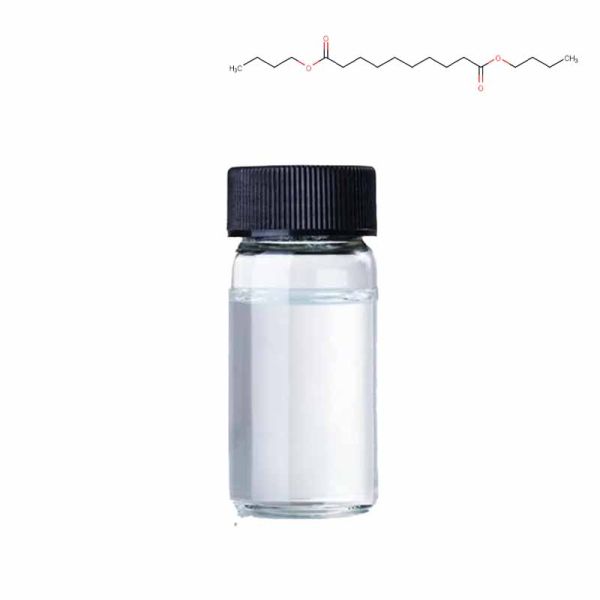
Dibutyl sebacate CAS#109-43-3
Dibutyl sebacate<br/>DBS<br/><br/>Dibutyl sebacate is a colorless transparent liquid ester with mild odor, high boiling stability and low water solubility. It is miscible with ethanol, ether, benzene and chloroform and compatible with most organic solvents, while strong acids, bases and oxidizers are incompatible. It is used in food-packaging plastics, medical devices and pharmaceutical products, as a plasticizer for ethylcellulose films, as a desensitizer in Otto fuel II and in liquid-core capsules for pesticide extraction.
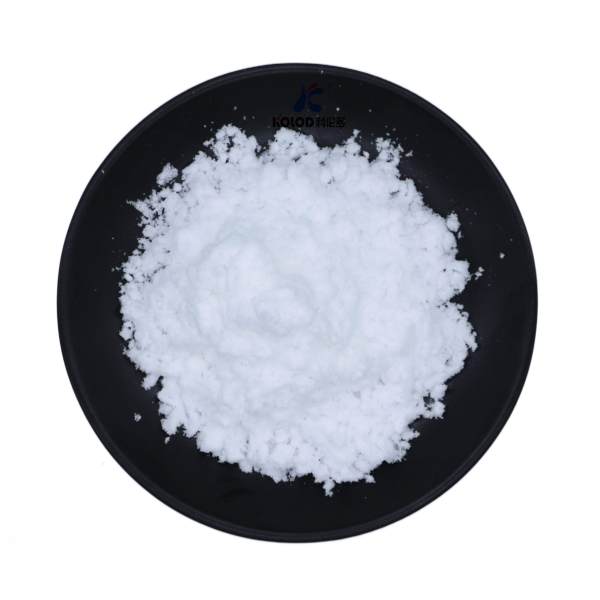
Sodium diacetate CAS#126-96-5
Sodium diacetate<br/>monosodium diacetate or solid acetic acid<br/>SDA<br/>ADI<br/><br/>Sodium diacetate is a hygroscopic white crystalline complex of sodium acetate and acetic acid with a faint vinegar odor. It dissolves readily in water and ethanol and can provide acetate buffering in aqueous chemical systems. It is used as a preservative, mildew inhibitor and fresh-keeping agent in food, grain and feed applications. Other described uses include sodium-acetate buffers for DNA precipitation and supporting electrolytes in electrochemical sensors.
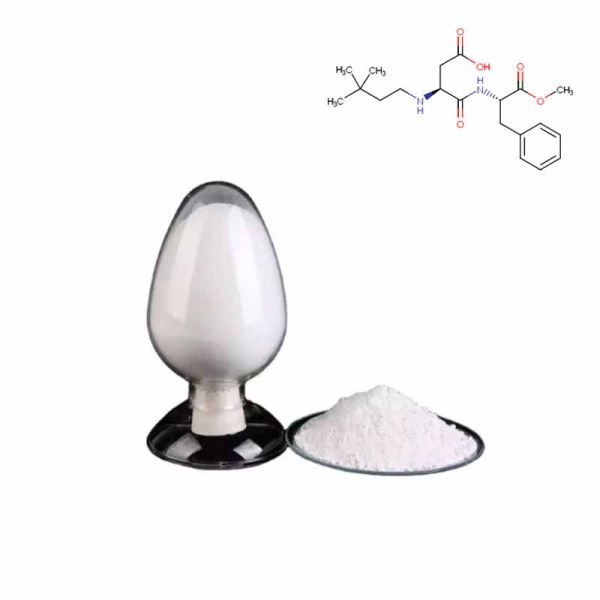
Neotame CAS#165450-17-9
Neotame<br/><br/>Neotame is a high-intensity sweetener and flavor enhancer based on an aspartic-acid and phenylalanine dipeptide derivative. It provides a clean sweet taste and blends with nutritive or other high-intensity sweeteners in formulated foods. It is used in beverages, baked goods, desserts, cereals and confectionery, and as a flavor booster in products such as mint chewing gum. Its application scope excludes the meat and poultry categories described in the source.
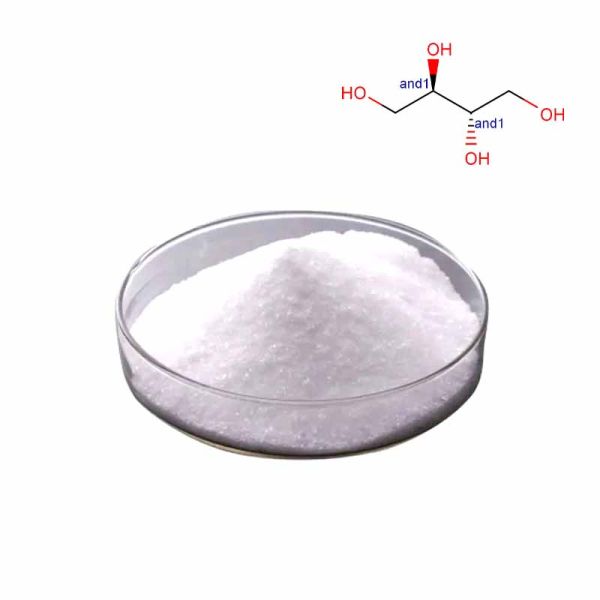
Erythritol CAS#149-32-6
Erythritol<br/><br/>Erythritol is a crystalline polyol produced by fermentation of glucose. It supplies bulk and sweetness with a pleasant taste, good heat and acid stability, and a cooling sensation on dissolution, making it suitable for reduced-sugar formulations. It is used in confectionery, beverages and desserts as a sugar substitute and bulk sweetener. Its formulation profile also supports sugar-free products where low energy contribution and non-cariogenic performance are desired.
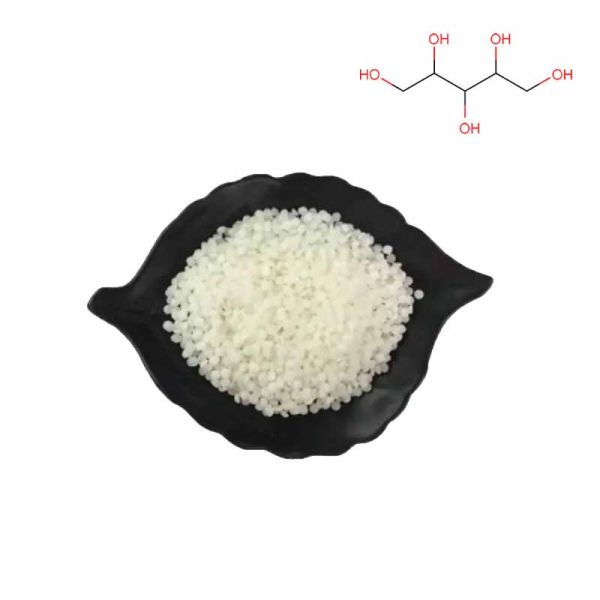
Xylitol CAS#87-99-0
Xylitol<br/><br/>Xylitol is a crystalline polyhydric alcohol with sweetness comparable to sucrose and a refreshing cooling effect on dissolution. It is thermally stable and dissolves readily, making it convenient for dry and aqueous food formulations. It is used in chewing gum, throat lozenges, chocolate, beverages, jams, candies, baked goods and other sugar-substitution applications. Its non-cariogenic formulation profile is relevant to oral-care confectionery and related products.
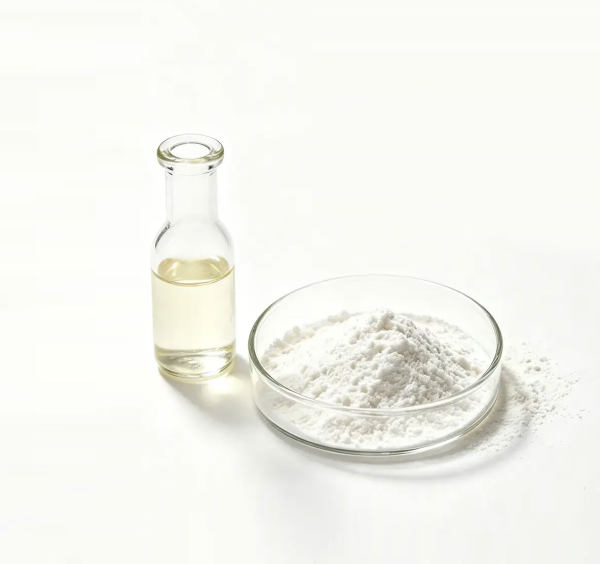
Guar gum CAS#9000-30-0
Guar gum<br/><br/>Guar gum is a plant-derived galactomannan extracted from guar-bean seed kernels. It disperses in cold water to produce viscous solutions, with viscosity increasing after heating, and combines thickening, stabilization and water-binding functions. It is used in ice cream, baked goods, sauces and beverages as a thickener and stabilizer. The same processing profile supports formulation work where cold-water dispersion and viscosity development are required.
Send Us Your Inquiry Today