






Navigation
Send Us A Message
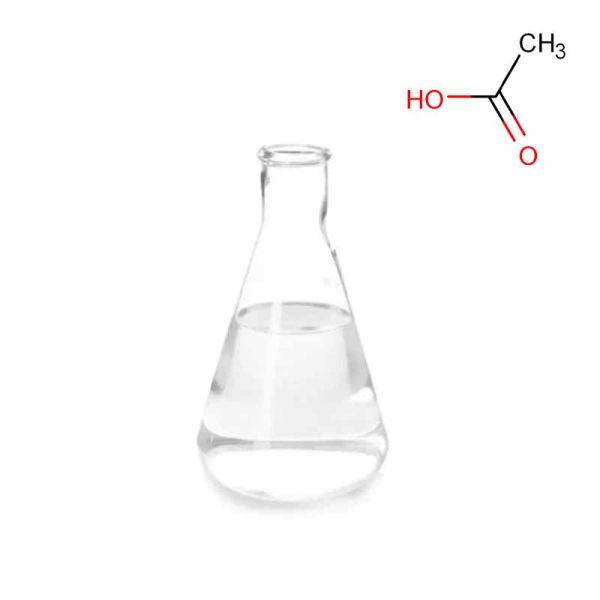
Acetic acid
Acetic acid<br/>AcOH<br/>Colorless liquid<br/><br/>Acetic acid is a colorless liquid with a pungent odor, miscible with water and many organic solvents. This weak organic acid readily participates in esterification and serves as a reaction medium. Major applications include vinyl acetate, acetic anhydride, acetate salts, cellulose acetate, solvent esters, and chemical intermediates; its anhydrous form is called glacial acetic acid.
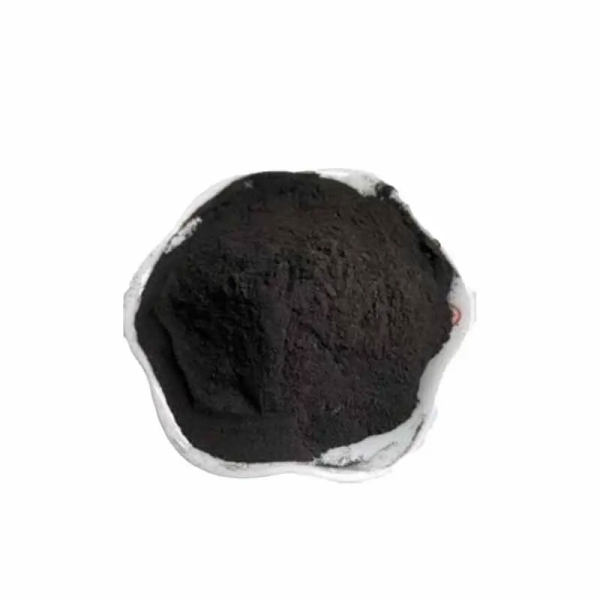
Activated Carbon
Activated Carbon<br/><br/>Activated carbon is a porous, amorphous carbon material produced by carbonizing and activating organic feedstocks. Its extensive internal surface provides adsorption sites for gas purification, odor removal, decolorization, and liquid impurity control. Other uses include catalysis and energy storage, while chemically modified grades can be selected for waterborne metal-ion removal.
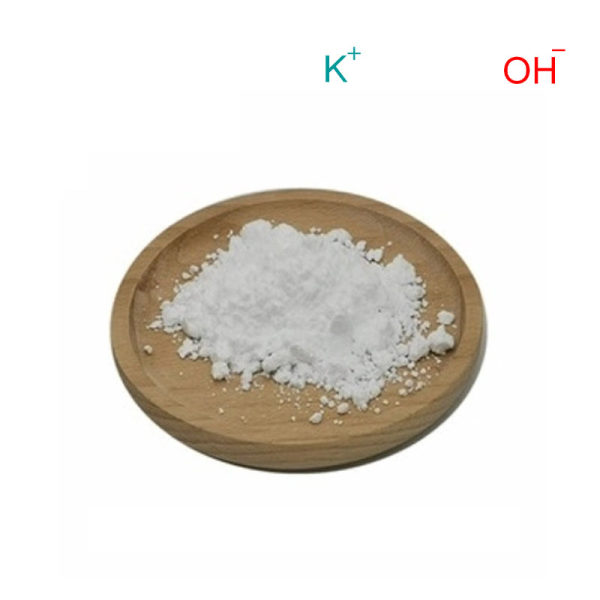
Potassium Hydroxide
Potassium Hydroxide<br/>Caustic Potash<br/>KOH<br/><br/>Potassium hydroxide, also known as caustic potash, is a strong inorganic base that forms alkaline solutions in polar solvents. Its acid-neutralizing behavior supports potassium salt manufacture, chemical analysis, and organic synthesis. It is also used in soft soaps, cleaning formulations, electroplating, wood treatment, dye processing, and carbon dioxide absorption systems.
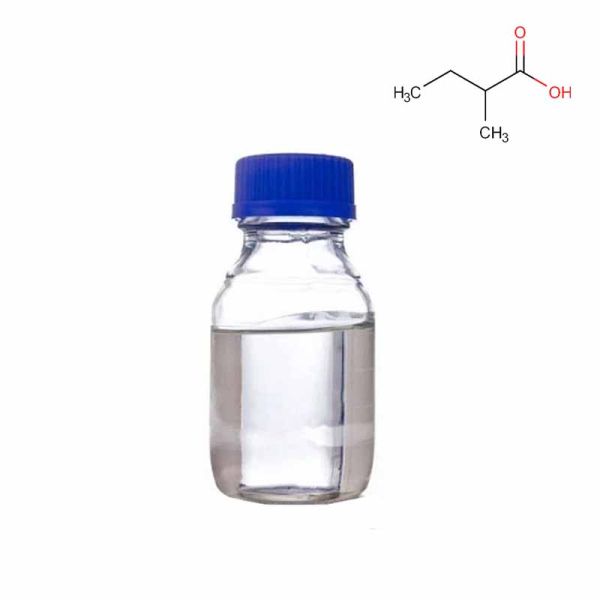
2-Methyl butyric acid CAS#116-53-0
2-Methyl butyric acid<br/><br/>2-Methylbutyric acid is an organic acid with a pungent Roquefort-cheese odor that becomes fruity at low dilution. It can be produced by decarboxylation or oxidation of fusel oil and provides an acyl unit for ester synthesis. It is used to build butter, cream and cheese flavor profiles, and as an intermediate for organic synthesis, pharmaceutical, agrochemical and dye chemistry. It also produces 2-methylbutyric anhydride.
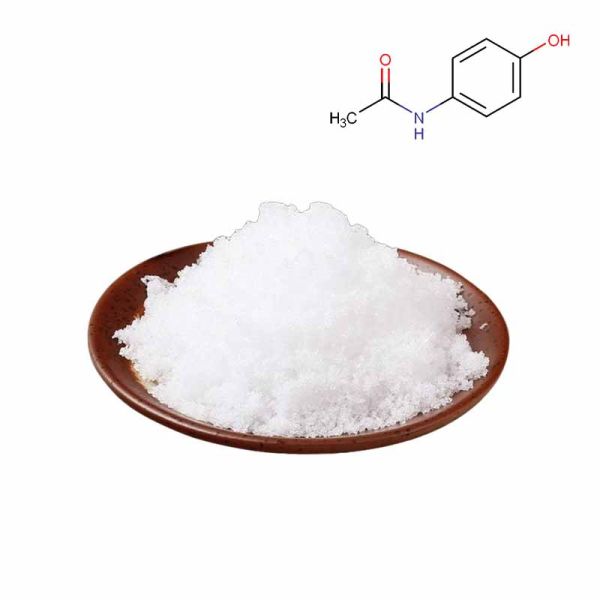
Acetaminophen CAS#103-90-2
Acetaminophen<br/><br/>Acetaminophen, or paracetamol, is an acetanilide-derived analgesic and antipyretic active substance. Its supplied profile describes preferential inhibition of COX-2 at high exposure and formation of a reactive metabolite, so formulation and use require appropriate pharmaceutical controls. It is used in pain- and fever-relief preparations, including cold and toothache products. Outside finished medicines, it serves as an organic intermediate, hydrogen-peroxide stabilizer and photographic chemical component.
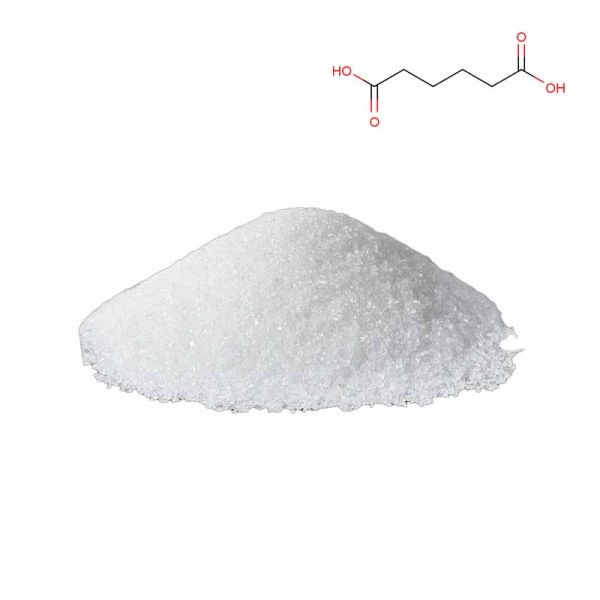
Adipic acid CAS#124-04-9
Adipic acid<br/><br/>Adipic acid is a nonhygroscopic food acidulant with relatively low acidity and useful buffering behavior. It dissolves slowly in cold water and provides smooth tartness, flavor persistence and dry-powder handling advantages. It is used in beverages, desserts, gelatin products, baking powder and canned foods, and can help control browning or oil-rancidity effects in formulations. It is also selected where stable powdered acidification is required.
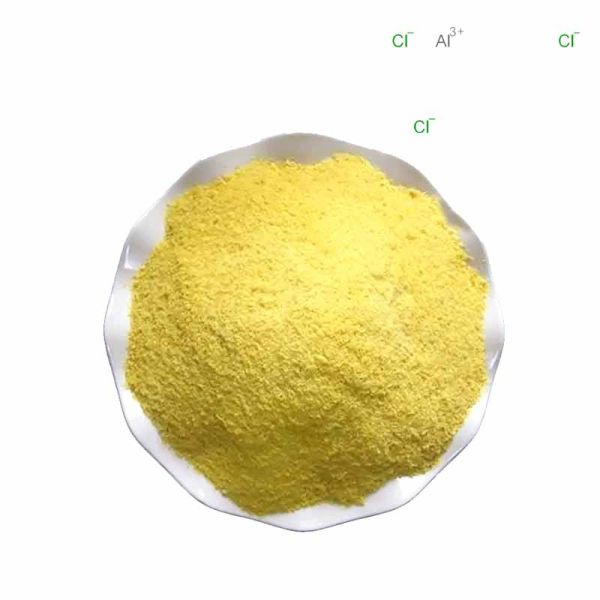
Aluminum chlorohydrate CAS#1327-41-9
Aluminum chlorohydrate<br/>PAC<br/><br/>Aluminum chlorohydrate, commonly grouped with polyaluminum chloride coagulants, is a high-charge inorganic polymer supplied in solid or liquid form. Color and physical state vary with production route, while the high positive charge supports rapid destabilization of suspended matter. It is used in municipal and industrial water treatment, including inclined-plate sedimentation systems. The coagulant supports removal of heavy metals and radioactive elements and is valued for broad pH adaptability, stable treatment performance and convenient transport.
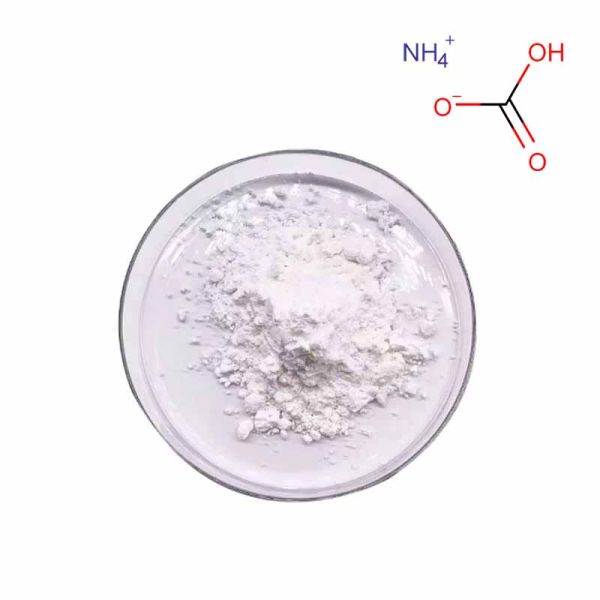
Ammonium bicarbonate CAS#1066-33-7
Ammonium bicarbonate<br/><br/>Ammonium bicarbonate is a white nitrogen-containing powder or crystal with faint ammonia odor. It dissolves in water to give a weakly alkaline solution and decomposes into ammonia, carbon dioxide and water, especially under heat or humidity. It is used as a nitrogen fertilizer, a food-grade leavening agent for baked goods and powdered juices, and an analytical reagent. Other roles include precursor to ammonium salts and textile-processing applications.
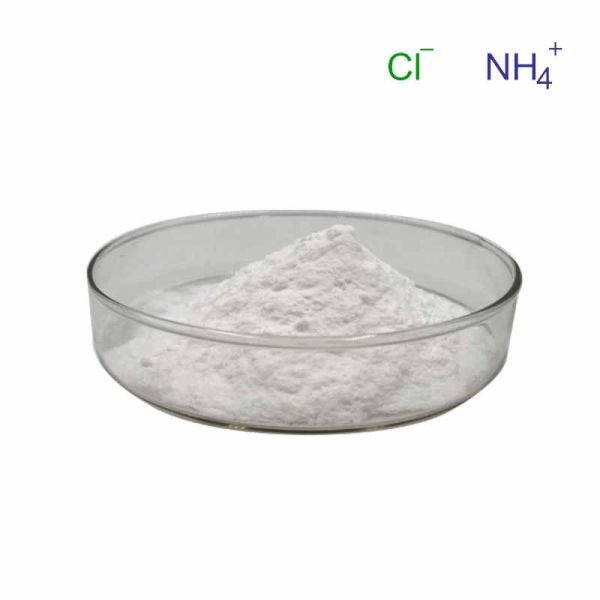
Ammonium chloride CAS#12125-02-9
Ammonium chloride<br/>chloramine<br/>halogen sand<br/>white crystalline salt<br/><br/>Ammonium chloride is a white crystalline salt that dissolves in water and forms mildly acidic solutions. Humid conditions can encourage moisture uptake and caking, while heating produces reversible dissociation. Its industrial uses span battery manufacture, leather tanning, electroplating and adhesive formulations. It is also employed as an acidic nitrogen fertilizer for grain and fiber crops.
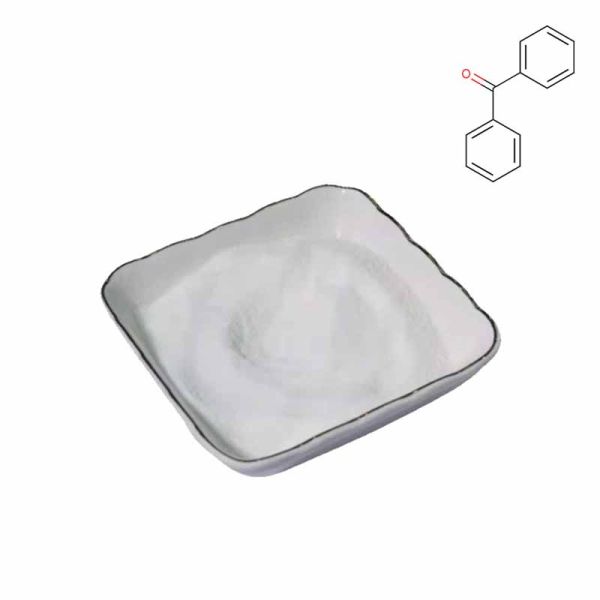
Benzophenone CAS#119-61-9
Benzophenone<br/>C₁₃H₁₀O<br/>colorless rhombic crystals<br/><br/>Benzophenone is an organic compound that forms colorless, rhombic crystals. It is practically insoluble in water but dissolves in organic solvents, making it useful in solvent-based formulations. Typical applications include photoinitiation in ultraviolet-curable printing inks and coatings, intermediate manufacture for pharmaceutical and agricultural chemicals, and fragrance composition, where it is used as a floral fragrance ingredient and fixative.
Boron nitride CAS#10043-11-5
Boron nitride<br/>graphite-like hexagonal form; spherical structure<br/><br/>Boron nitride is an advanced inorganic material whose hexagonal form has a layered structure resembling graphite. Strong bonding within each layer contrasts with weaker interactions between layers, allowing easy shear and lubricating behavior. This electrically insulating form is used in high-temperature components, mold coatings, self-lubricating additives and semiconductor substrates, while other applications include specialized coatings and engineering materials.
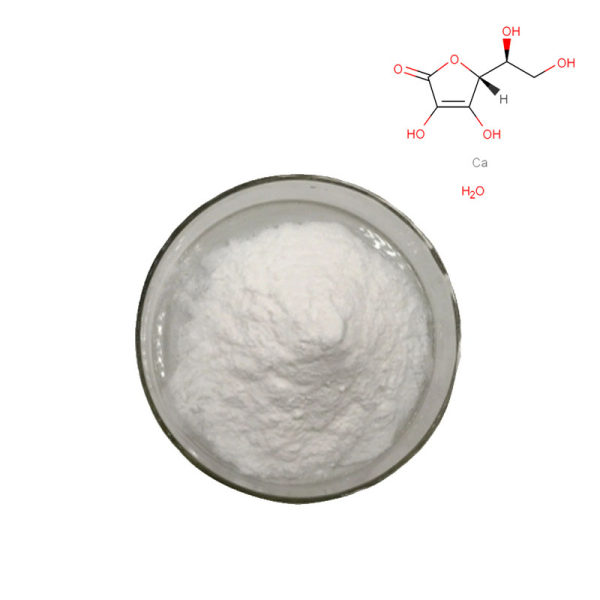
Calcium ascorbate dihydrate CAS#5743-28-2
Calcium ascorbate dihydrate<br/><br/>Calcium ascorbate dihydrate is the hydrated calcium salt of ascorbic acid, described as a buffered, non-acidic ascorbate. Its dihydrate identity distinguishes it from other forms of the ingredient. Applications include pharmaceutical quality-control work as a secondary standard and use in food formulations as an antioxidant ingredient, with selection guided by the requirements of the intended formulation or analytical procedure.
Send Us Your Inquiry Today