






Navigation
Send Us A Message
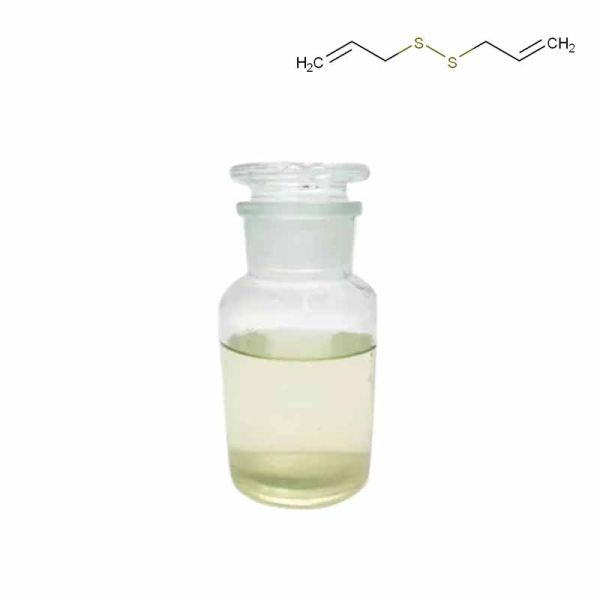
Diallyldisulfide CAS#2179-57-9
Diallyldisulfide<br/><br/>Diallyl disulfide is a sulfur-containing compound identified as a major low-molecular-weight allergen in garlic and onions. Its defined reactivity in petrolatum preparations makes it suitable for controlled reference formulations. It is used in allergy patch-test materials and in research involving garlic-related allergen mixtures. The compound is also considered alongside allylpropyl disulfide and allicin in studies of garlic constituents.
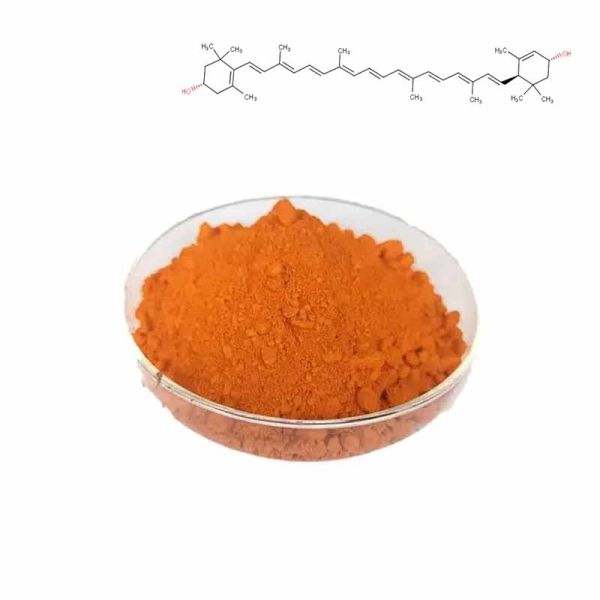
Xanthophyll CAS#127-40-2
Xanthophyll<br/>marigold extract<br/><br/>Xanthophyll, commonly represented by lutein, is a carotenoid alcohol found in egg yolk, algae, nettles and yellow flower petals. Its natural pigment character and antioxidant description support use as a botanical color and research ingredient. It is obtained by extraction and chromatography from plant and algal sources. Applications include carotenoid research, botanical ingredient preparation and formulations where a yellow xanthophyll pigment is required.
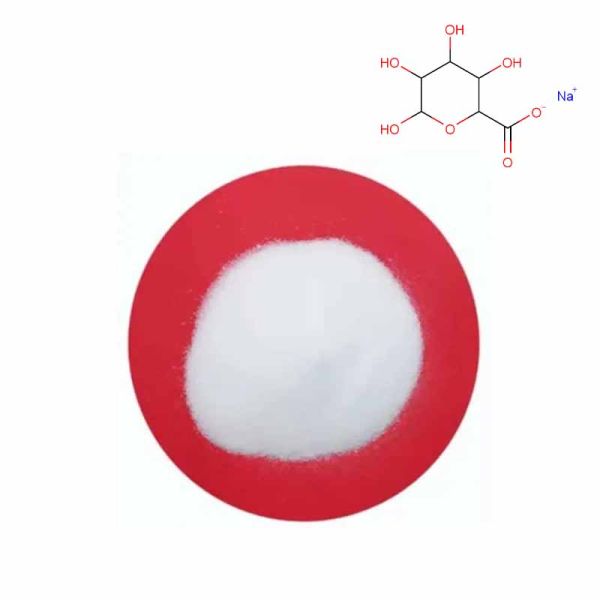
Sodium alginate CAS#9005-38-3
Sodium alginate<br/>CHONa<br/><br/>Sodium alginate is a seaweed-derived polysaccharide and the sodium salt of alginic acid. It dissolves in cold or hot water to form solutions of adjustable viscosity, while calcium salts or acids convert it into an irreversible gel. It is used as a thickener, binder and gelling agent in dessert gels, puddings, sauces, toppings and edible films. In ice cream it acts as a stabilizer for creamy texture and reduced ice-crystal formation.
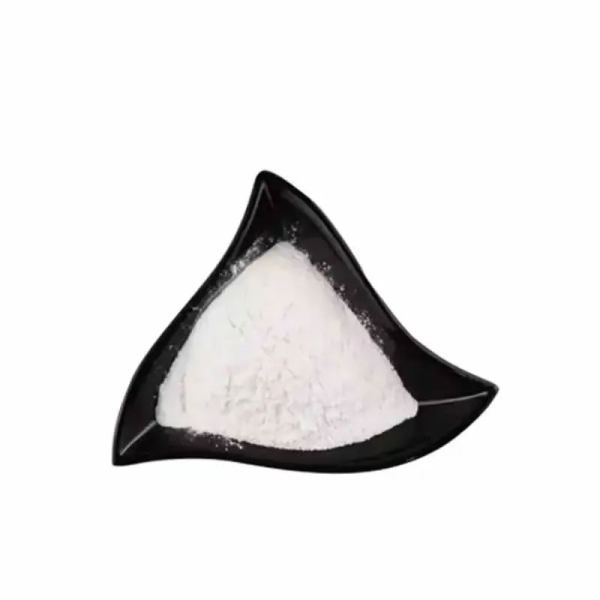
GELLAN GUM CAS#71010-52-1
GELLAN GUM<br/><br/>Gellan gum is a microbial polysaccharide with strong gel-forming, thickening and suspension properties. High-acyl and low-acyl forms differ in solubility and gel texture: the former gives elastic cohesive gels, while deacylated material forms stronger, more brittle ion-induced gels. It is used in bakery fruit fillings, confectionery, icings, dairy products, beverages and food coatings. Its ionic sensitivity and suspension performance also support pharmaceutical and chemical formulations.
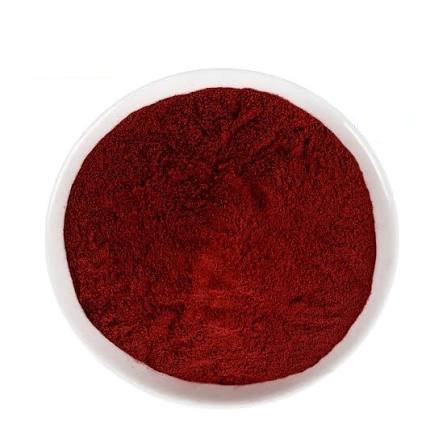
Acid Red 18 CAS#2611-82-7
Acid Red 18<br/><br/>Acid Red 18, also known as Food Red No. 102 in the supplied material, is a synthetic red colorant for controlled food coloration. Its permitted use depends on the food category and applicable maximum dosage, with restrictions intended to prevent misleading coloration. It is used in fruit drinks, compound alcoholic beverages, carbonated drinks, candies, cakes, ice cream and yogurt. It is also used in environmental testing for dye and metabolite analysis.
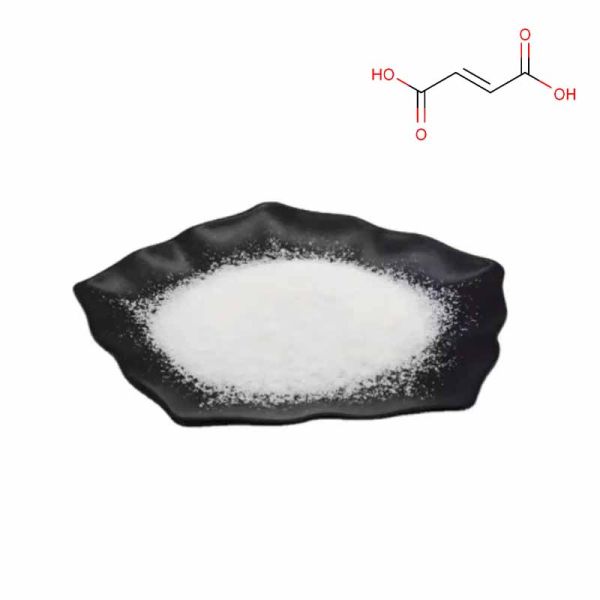
Fumaric Acid CAS#110-17-8
Fumaric Acid<br/><br/>Fumaric acid is a nonhygroscopic organic acid and fine-chemical intermediate derived in the maleic-anhydride family. It dissolves slowly in cold water and provides strong, durable acidity without readily absorbing atmospheric moisture. It is used as an acidulant in soft drinks, wine, concentrated juice, canned fruits, pickles and ice cream. In solid beverages it supports acid leavening, lasting effervescence and fine texture, and it also serves coatings, resins and plasticizers.
Xanthan Gum CAS#11138-66-2
Xanthan Gum<br/><br/>Xanthan gum is a long-chain polysaccharide produced by microbial fermentation of sugars. Its polymer structure gives efficient thickening and helps stabilize emulsions, foams and suspensions across a wide range of aqueous formulations. It is used as a rheology modifier in foods, toothpaste and pharmaceutical products. The material is selected when stable viscosity, suspension control and emulsion or foam support are needed.
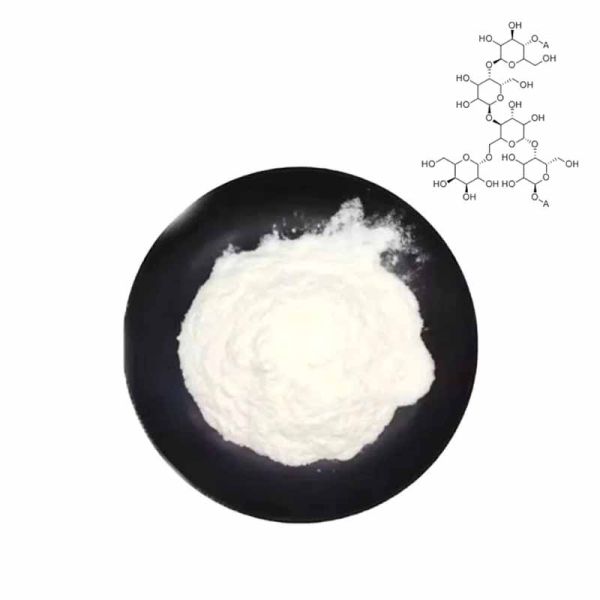
Tara Gum CAS#39300-88-4
Tara Gum<br/><br/>Tara gum is a natural edible colloid with high viscosity at low dosage, good thermal and chemical stability, and compatibility with other hydrocolloids. It also provides moderate emulsification and water-holding capacity for texture control. It is used as a thickener, gelling agent and stabilizer in dairy products, juices, clear beverages, jams, jellies, candies, cheese and canned meat. Industrial uses include textiles, papermaking, printing, petroleum, adhesives, paints and emulsions.
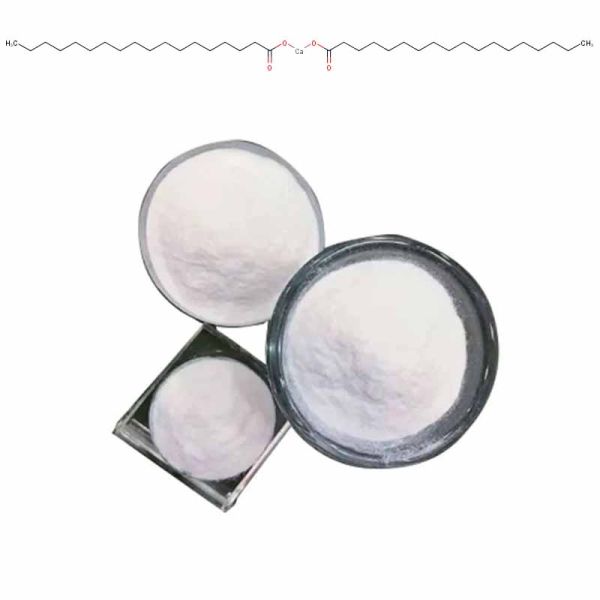
Calcium Stearate CAS#1592-23-0
Calcium Stearate<br/>calcium octadecanoate<br/>C17H35COO<br/>(C₁₇H₃₅COO)₂Ca<br/><br/>Calcium stearate is a fine white crystalline metal soap with high heat resistance and very low water solubility. It dissolves more readily in hot aromatic solvents, reacts with strong acids to form stearic acid and calcium salts, and resists lipolytic microorganisms. It is used as a processing and formulation additive where a stable calcium stearate powder is required. Its thermal behavior, hydrophobicity and acid reactivity support plastics, coatings and other industrial compounding systems described for metal stearates.
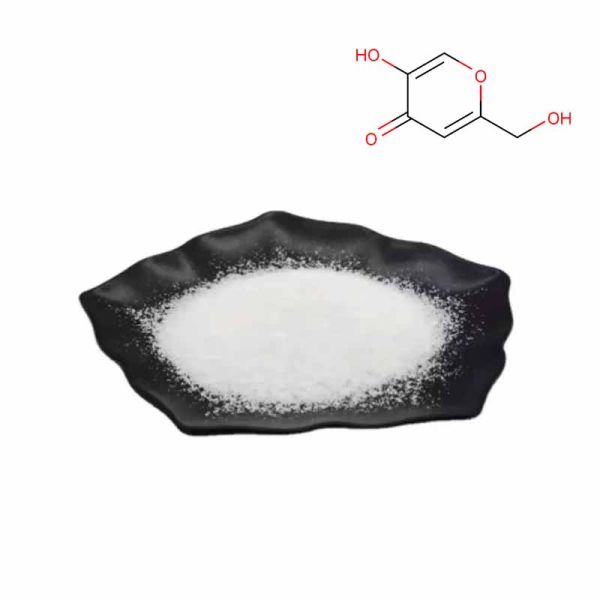
Kojic Acid CAS#501-30-4
Kojic Acid<br/><br/>Kojic acid is a fungal-derived compound and tyrosinase inhibitor. Its copper-chelating behavior can interfere with melanin formation, and it is formulated as a cosmetic active in products addressing uneven pigmentation and brightening needs. It is used in cosmetic creams, whitening formulations and sunscreen combinations, including systems with allantoin. Formulators should account for the source-described possibility of skin sensitivity or irritation.
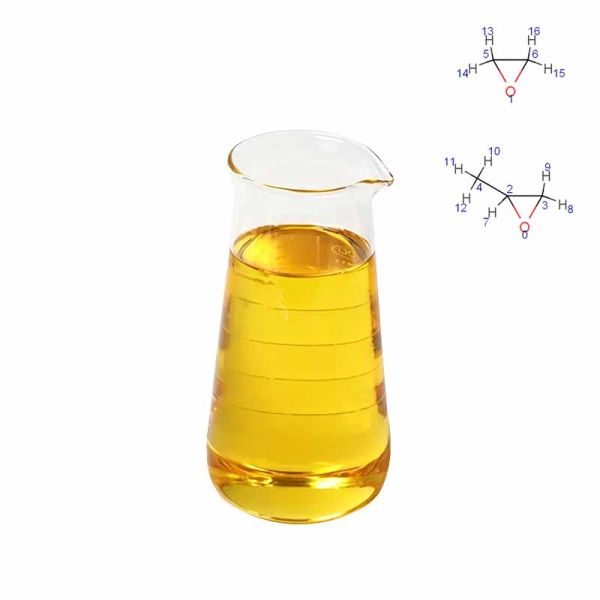
Polyethylene-polypropylene glycol CAS#9003-11-6
Polyethylene-polypropylene glycol<br/>Poloxamer<br/>PPG-PEG<br/><br/>Polyethylene-polypropylene glycol, or poloxamer, is a block copolymer with a hydrophobic polypropylene-oxide core and hydrophilic polyethylene-oxide chains. Adjusting the block ratio tunes solubility, foaming, wetting and emulsification behavior. It is used as an emulsifier, dispersant, solubilizer, defoamer and wetting agent in pharmaceutical, cosmetic, papermaking and cleaning formulations. Additional applications include contact-lens solutions, oral or topical products, low-foam detergents, metalworking lubricants, rubber vulcanization and cell-culture media.
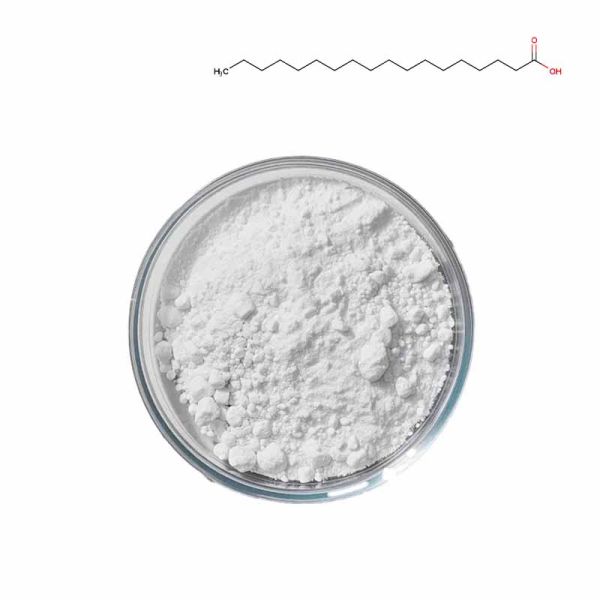
Stearic acid CAS#57-11-4
Stearic acid<br/>white waxy solid<br/><br/>Stearic acid is a white, waxy solid with a faint fatty odor and limited water solubility. It dissolves in several organic solvents and remains chemically stable under ordinary conditions. Typical uses include rubber curing activation, manufacture of plasticizers and stabilizers, and formulation of candles, waterproofing products and polishing agents. It also supplies the fatty acid component for stearate ester production.
Send Us Your Inquiry Today