






News & Insights
Stay Informed. Stay Connected.

Send Us A Message
Calcium Hypochlorite Storage: Contamination and Decomposition Risks
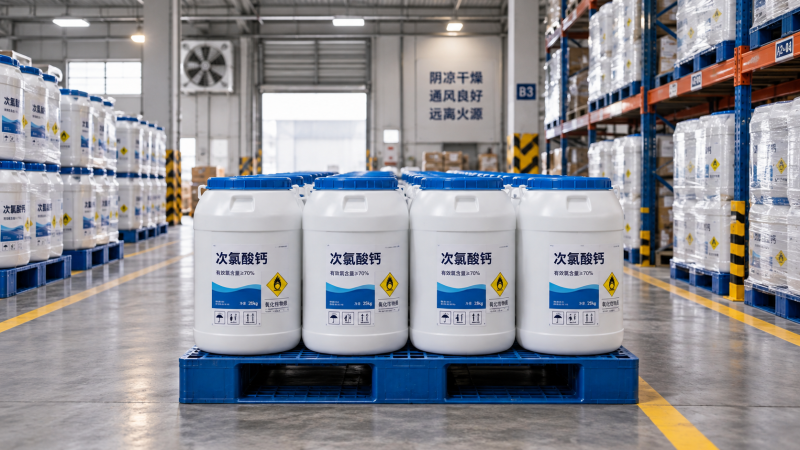
Calcium Hypochlorite is a powerful oxidizing agent whose stability depends on proper storage and handling. Heat, moisture, and incompatible substances can accelerate decomposition and create serious safety risks.
For quality control and safety personnel, the priority is to prevent contamination, recognize early warning signs, and maintain controls appropriate to the specific product and facility.
A safe storage decision depends on the manufacturer’s safety data sheet, local requirements, and the product’s condition. A sealed container alone does not guarantee stability.
What Makes Calcium Hypochlorite Storage Risky?
Calcium hypochlorite can lose available chlorine over time, particularly when exposed to elevated temperatures. Contamination can accelerate decomposition, potentially generating heat and hazardous gases.
As a strong oxidizer, it can also intensify a fire involving combustible materials. It does not need to burn itself to make an incident more severe.
The seriousness of an incident depends on the formulation, quantity, contamination, temperature, confinement, and surrounding materials. Treat any unexpected change in condition as a safety concern.
Commercial products differ in concentration, physical form, moisture content, and classification. Always use the storage instructions and safety data sheet for the exact product supplied.
Which Contaminants Create the Greatest Risk?
Acids are a major concern because contact with hypochlorite can release toxic chlorine gas. Keep acidic products, residues, and cleaning agents away from calcium hypochlorite.
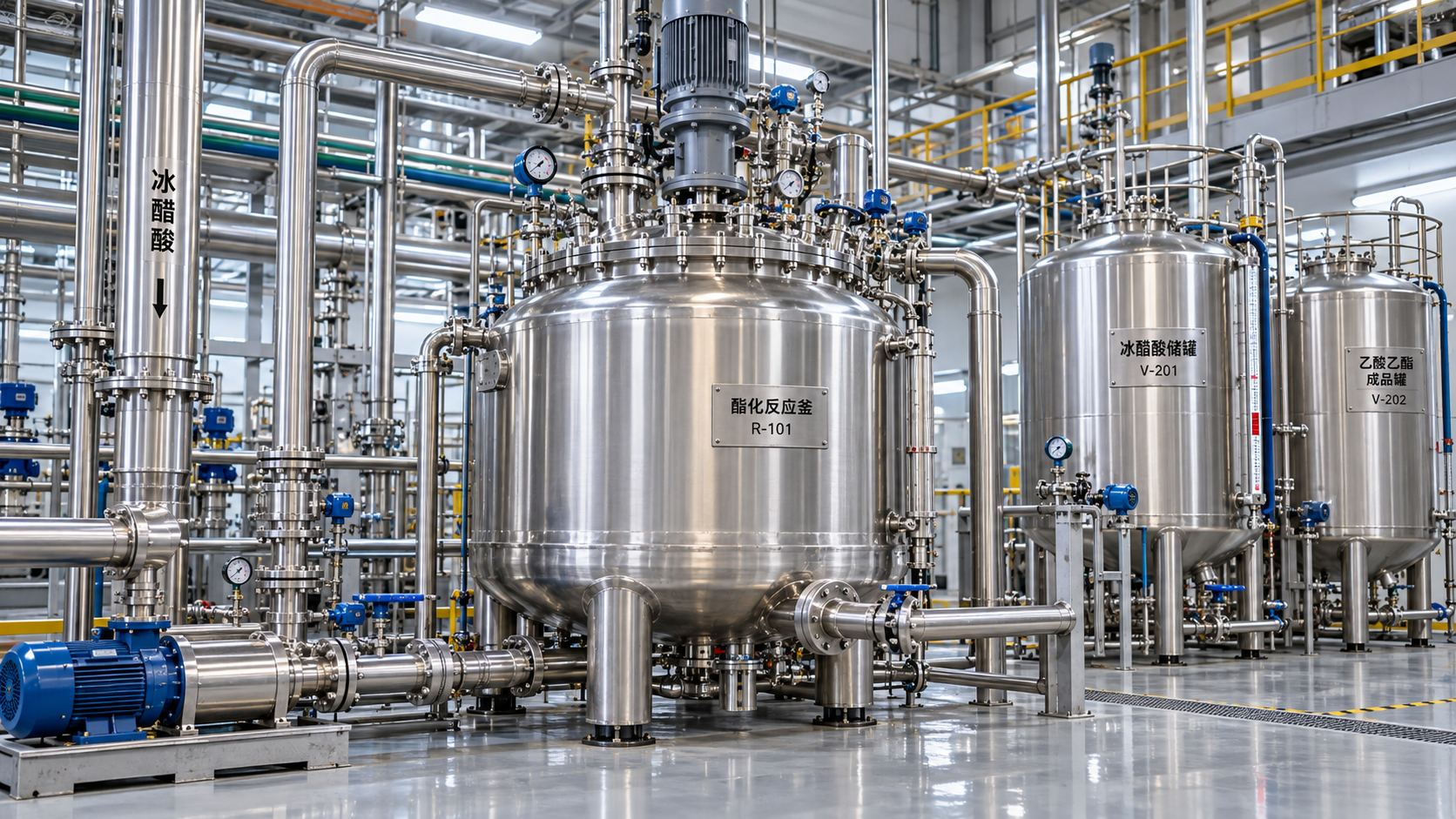
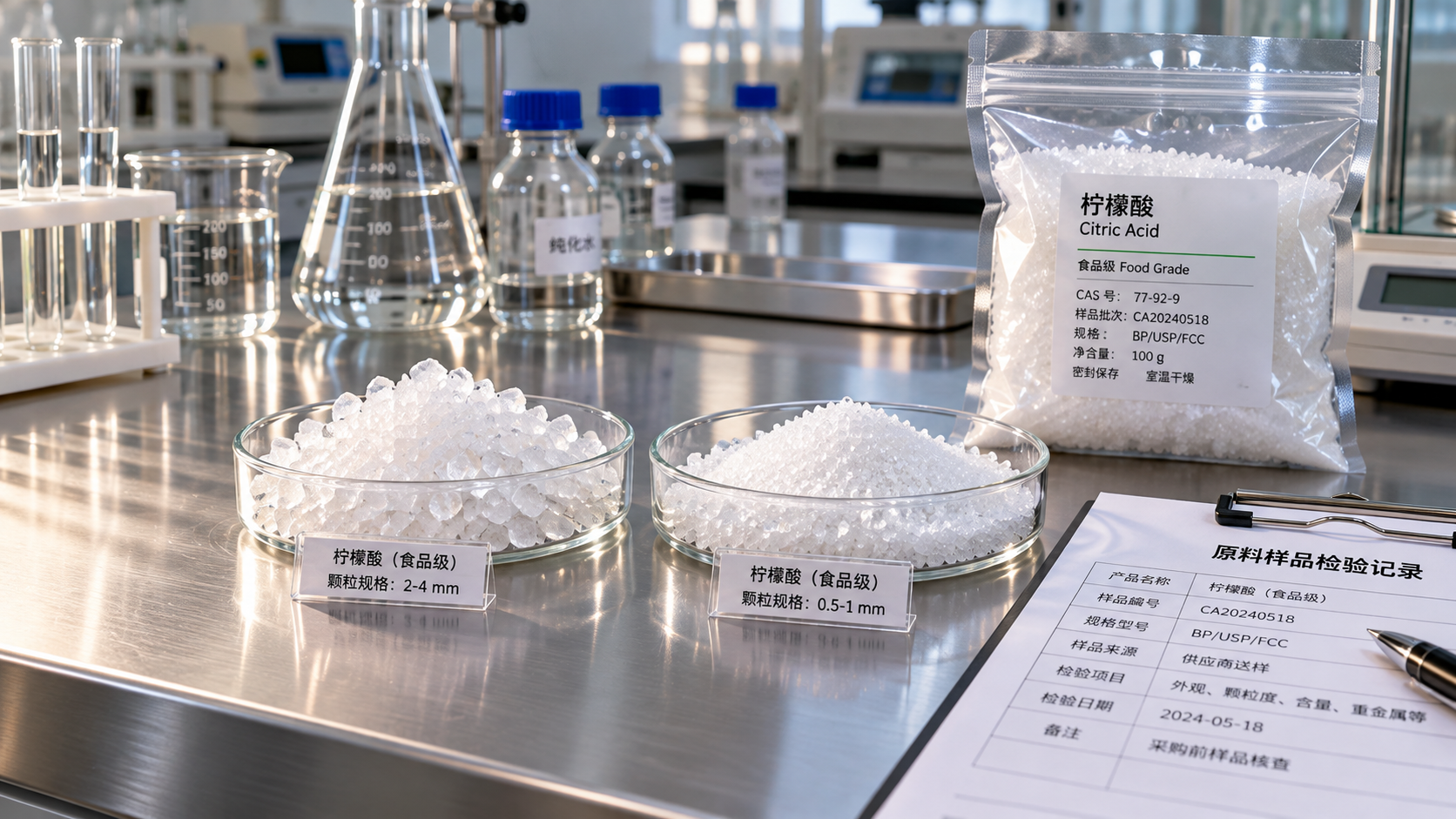
In a mixed chemical warehouse, examples requiring segregation include citric acid, formic acid, oxalic acid, and glacial acetic acid. Secondary containment alone may not provide adequate separation.
Organic materials and fuels can react with strong oxidizers or contribute to a fire. Avoid contact with oils, grease, solvents, wood dust, paper waste, and similar combustibles.
Pay particular attention to shared equipment used for glycerol, alcohols, xylene, and other organic products. Residue on a scoop or forklift surface can transfer between materials.
Reducing agents and other reactive chemicals are also incompatible. Sodium sulfite and sodium bisulfite, for example, should not share handling tools or spill collection equipment.
Ammonia and ammonium compounds present another concern because reactions with hypochlorite can generate hazardous chloramine gases. Include these substances in the facility’s compatibility review.
Do not assume that different pool chemicals or chlorine products can be combined. Mixing calcium hypochlorite with TCCA, SDIC, or residues from other formulations can cause dangerous reactions.
Metal salts, rust, dirt, and residues can also affect stability or indicate poor housekeeping. Avoid placing open containers where corrosion particles or dust can fall inside.
Use the product safety data sheet and a documented compatibility assessment to establish separation distances, barriers, and storage arrangements. Local fire and building rules may impose additional requirements.
How Do Heat and Moisture Accelerate Decomposition?
Heat increases the rate of decomposition and can reduce available chlorine during storage. Direct sunlight, hot roofs, heaters, and nearby processes can create local temperature peaks.
Decomposition may generate additional heat. If heat accumulates faster than it can escape, the product can become more unstable, particularly in contaminated or poorly ventilated conditions.
Monitor actual storage conditions rather than relying solely on room temperature setpoints. Check locations near exterior walls, loading doors, high racks, and heat-producing equipment.
Follow the supplier’s product-specific temperature limits. A generic warehouse target cannot replace the manufacturer’s requirements, especially across different formulations and package sizes.
Moisture intrusion can introduce contaminants, damage packaging, and promote unwanted reactions. Protect containers from rain, leaks, flooding, condensation, and contact with wet floors.
Do not assume that all moisture has the same effect across formulations. Some products contain controlled water for stability; use the supplier’s instructions rather than attempting to dry them.
Keep containers closed when not in use and protect them during loading. A brief exposure at an open dock can be significant when rain or contaminated water enters.
What Should a Suitable Storage Area Look Like?
Choose a cool, dry, well-ventilated area designed for oxidizers and protected from direct sunlight. Verify that ventilation and fire protection meet applicable codes and site assessments.
Keep the area away from incompatible chemicals, combustible stock, ignition sources, and occupied spaces where required. Mark storage boundaries clearly and control access to trained personnel.
Use the original, manufacturer-approved container whenever possible. Keep labels legible and containers tightly closed, upright, and protected against impact or damage from handling equipment.
Store packages off the floor on a clean, dry surface suitable for the product and site requirements. Select pallet materials and rack arrangements through the fire-risk assessment.
Do not stack packages beyond supplier limits or allow heavy loads to deform containers. Leave inspection access so staff can identify leaks, discoloration, swelling, or heat.
Prevent contaminated runoff or spills from reaching drains and incompatible stock. Design containment and drainage with the product’s reactivity and emergency response requirements in mind.
Keep the area free of unnecessary packaging, dust, and discarded materials. Housekeeping procedures should specify approved tools and prohibit sweeping residues into mixed waste.
How Can Handling Procedures Prevent Cross-Contamination?
Assign dedicated, clean, dry tools to calcium hypochlorite. Label scoops, transfer equipment, and collection containers so they cannot be used interchangeably with other chemicals.
Before opening a package, check that the work surface and tools are free of oil, moisture, dust, and chemical residues. Stop work if cleanliness is uncertain.
Minimize the time containers remain open. Close them promptly after sampling or dispensing, using the original closure and following the supplier’s handling instructions.
Never return unused material, sweepings, or samples to the original container. A small amount of contamination can affect the remaining stock and complicate incident investigation.
Avoid transferring product into an unmarked or previously used container. If repackaging is necessary, use an approved procedure, compatible packaging, correct labeling, and supplier guidance.
Workers should use the personal protective equipment specified by the safety data sheet and site risk assessment. Equipment selection must account for dust exposure and emergency conditions.
What Should Quality Control Check During Storage?
At receipt, verify product identity, concentration or grade, batch number, packaging condition, and accompanying documentation. Record any discrepancy before the shipment enters normal stock.
Inspect containers for damaged seals, wetness, staining, corrosion, residue, or deformation. Quarantine questionable deliveries in a designated area and consult the supplier and safety team.
Establish inspection intervals based on product hazards, storage conditions, inventory turnover, and incident history. Increase scrutiny after leaks, heat exposure, handling damage, or nearby chemical incidents.
Track available chlorine against the agreed specification using a validated analytical method. Compare results with receipt data and trends, not just a single pass-or-fail result.
Sampling must not introduce contamination or expose staff unnecessarily. Use trained personnel, dedicated equipment, appropriate protection, and a documented method suitable for the product.
Record storage temperatures, inspection findings, test results, and corrective actions by batch. These records help distinguish normal quality loss from a storage or contamination problem.
Apply first-in, first-out or the supplier’s recommended rotation method, subject to expiry and retest requirements. Do not extend shelf life without an authorized technical assessment.
Low available chlorine is a quality issue, but it does not automatically mean a container is safe to handle. Assess abnormal physical conditions separately and immediately.
Which Warning Signs Require Immediate Action?
Warning signs include unusual heat, swelling, hissing, visible fumes, discoloration, or a strong chlorine-like odor. A damaged or contaminated container may show more than one sign.
Do not rely on odor as a detection or exposure-control method. Hazardous gas may be present before it is recognized, and smell alone cannot establish safety.
If decomposition is suspected, stop handling, keep people away, and activate the site emergency plan. Notify trained responders and provide the product identity and observed conditions.
Do not open, move, or investigate a hot, swollen, or fuming container unless authorized responders determine it is safe. Movement or disturbance can increase exposure.
For a significant release, fire, or gas emission, evacuate as required and contact emergency services. Responders should follow the product safety data sheet and site procedures.
Do not improvise by adding acids, other chemicals, absorbents, or small amounts of water. Firefighting and spill response require product-specific instructions and trained personnel.
How Should Spills and Suspect Stock Be Managed?
Distinguish a small, stable spill from a reacting or contaminated release. Only trained personnel should handle spills within the limits established by the emergency plan.
Prevent contact with incompatible materials and keep untrained personnel away. Use dedicated equipment and an approved collection method specified by the supplier and site procedures.
Never place collected material back into saleable stock or mix it with other chemical waste. Identify and segregate it for an approved disposal assessment.
For wet, hot, fuming, or unknown material, withdraw and escalate immediately. The response team should determine whether specialist support, evacuation, or fire service involvement is necessary.
Document the incident, affected batches, suspected contamination source, exposure conditions, and actions taken. Release quarantined stock only after safety and quality personnel authorize its disposition.
How Can Teams Check Whether Controls Are Working?
Review temperature excursions, damaged packages, contamination events, and available chlorine trends together. Repeated minor deviations can reveal a control weakness before a serious incident occurs.
Audit compatibility maps whenever products, layouts, or handling equipment change. A new neighboring material or shared transfer tool can invalidate an otherwise sound storage arrangement.
Train warehouse, quality, and emergency personnel on their distinct responsibilities. Confirm that each shift can identify warning signs, isolate an area, and contact the right responders.
When sourcing calcium hypochlorite, request the current safety data sheet, product specification, recommended storage conditions, packaging information, and batch documentation from the supplier.
Shandong Junzheng Chemical Co., Ltd. supplies calcium hypochlorite among other chemical raw materials. Buyers should confirm product-specific documentation and technical requirements before establishing their storage procedures.
Conclusion
Safe calcium hypochlorite storage depends on preventing contamination, controlling heat and moisture, and recognizing abnormal conditions early. Segregation and dedicated handling equipment are fundamental controls.
For quality and safety teams, the strongest approach combines product-specific instructions, routine inspections, batch testing, and a practiced emergency plan. Investigate deviations before returning stock to service.
Send Us Your Inquiry Today