






Products
The Right Chemicals for Your Applications
Navigation
Send Us A Message
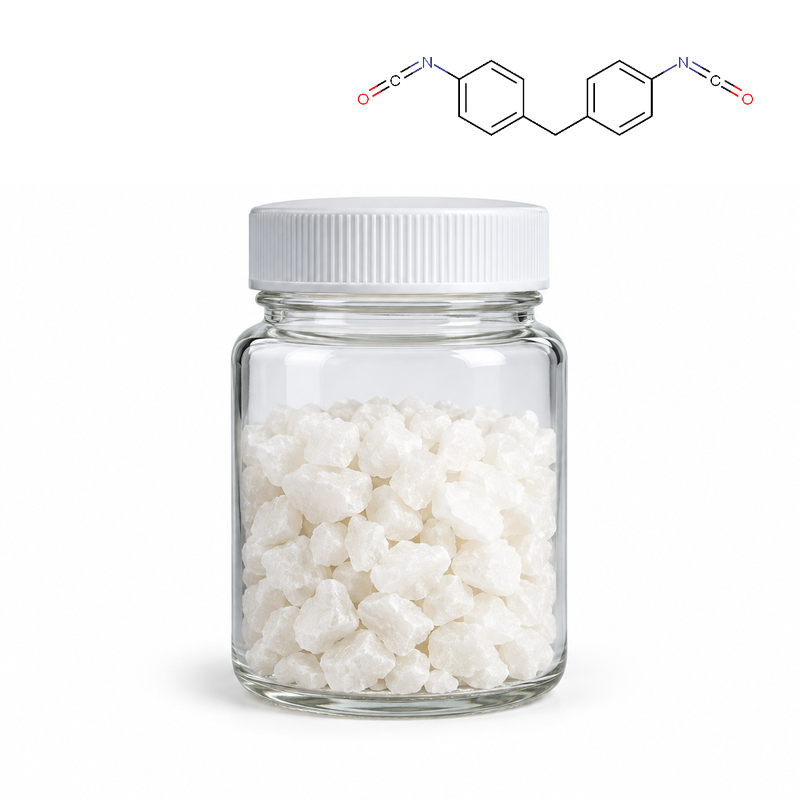
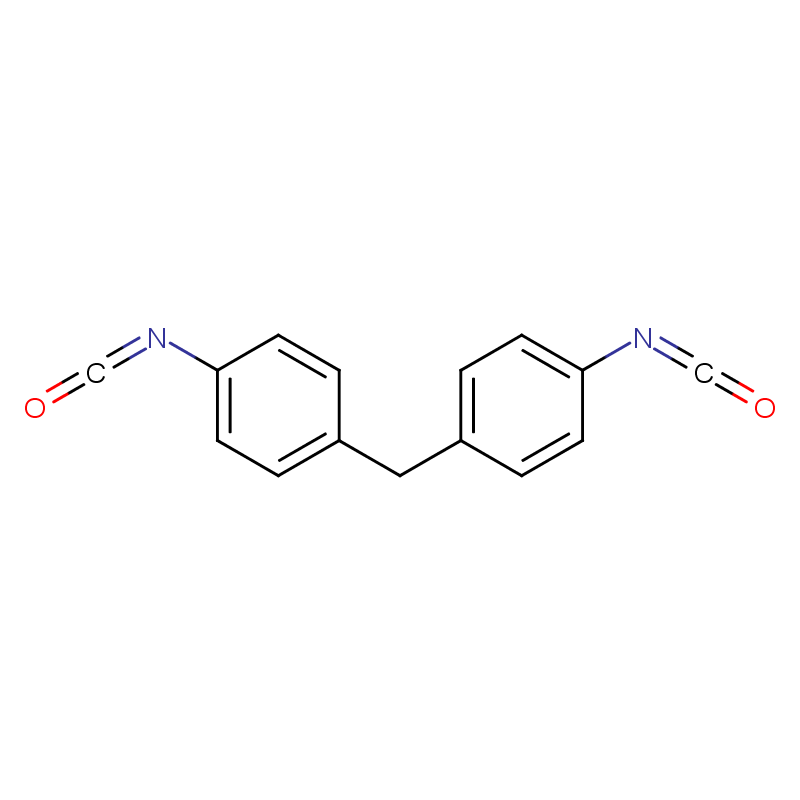
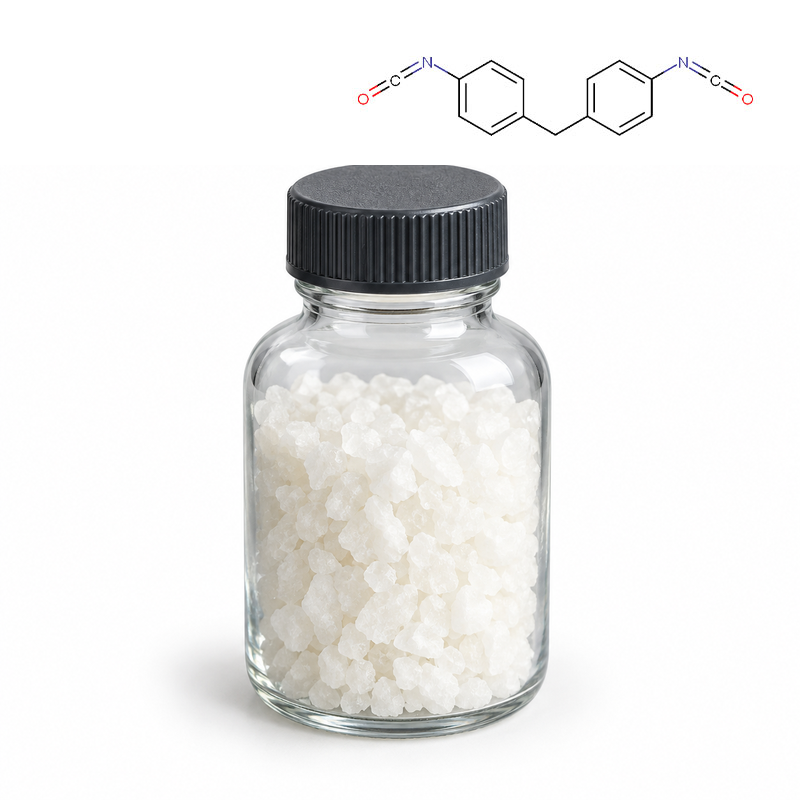
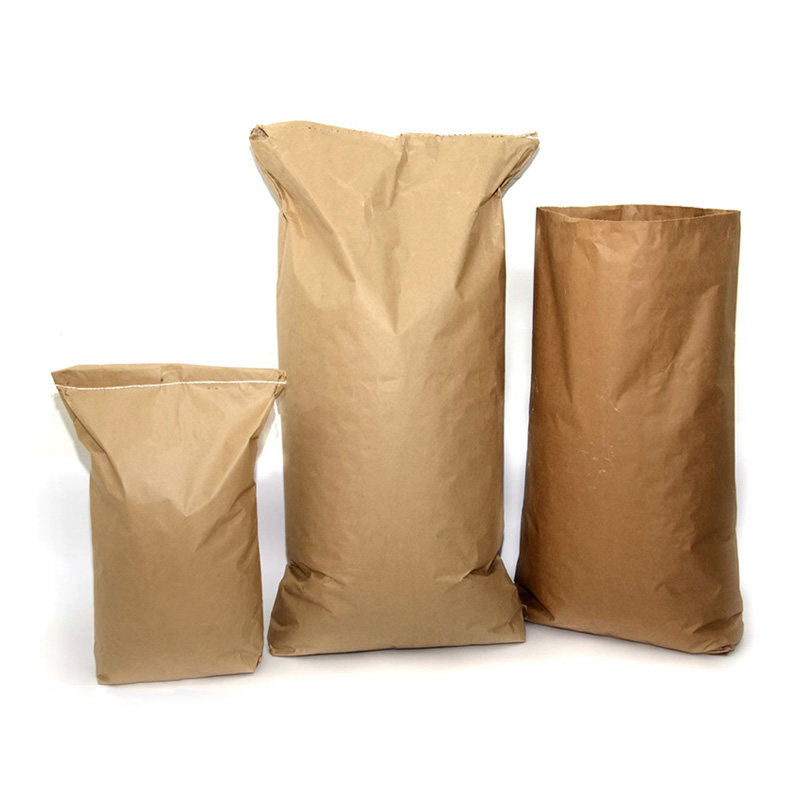
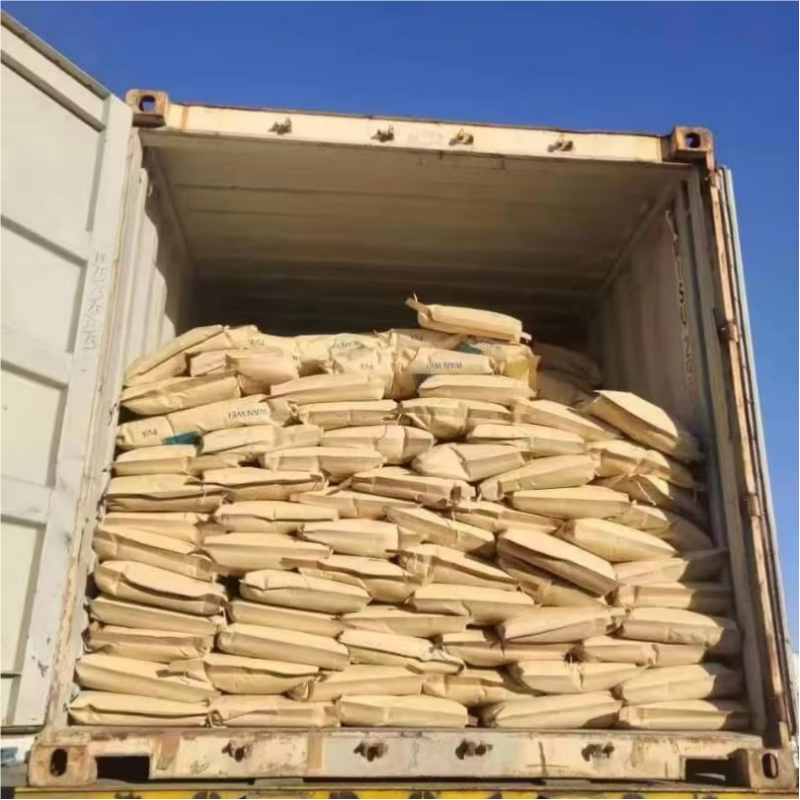
Methylenediphenyl Diisocyanate CAS#101-68-8
Basic Information
MDI
Methylene diphenyl diisocyanate, commonly abbreviated MDI, is an aromatic isocyanate used to make polyurethane materials through reaction with polyols. Suitable grades are employed in elastomers, adhesives, sealants and composite binders. Polymeric forms are associated with rigid insulation foams and panels. Monomeric, polymeric and modified materials differ in composition and processing behavior, so these forms should not be treated as interchangeable.
Can't Find The Product You Need?
Tell Us Your Product Requirements, Specifications And Target Industry, Our Professional Team Will Reply You Within 24 Hours.

MDI for Polyurethane Production: Methylene diphenyl diisocyanate (MDI) is an aromatic isocyanate that reacts with polyols to produce polyurethane materials. Monomeric, polymeric, and modified MDI grades differ in composition, functionality, viscosity, and processing requirements.
Rigid Foams and PU Panels: Polymeric MDI is widely used in rigid polyurethane foams for insulation panels, sandwich panels, refrigeration equipment, and building insulation. Performance depends on the formulation, processing conditions, and selected grade.
Elastomers and Adhesives: Suitable MDI grades are used in polyurethane elastomers, adhesives, sealants, and binders. Grade selection influences flexibility, hardness, bonding strength, and curing behavior.
Composite Materials: MDI-based systems are used in wood-based panel binders and polyurethane composites, supporting bonding and structural performance in appropriately designed formulations.
Grade Selection: Please specify the MDI type, isocyanate content (NCO%), viscosity, functionality, intended application, and processing conditions. Appearance and storage temperature requirements vary by grade and should follow the product’s technical data sheet.
Handling and Storage: MDI is harmful if inhaled, irritates the respiratory tract, and may cause respiratory or skin sensitization. Use suitable ventilation and protective equipment according to the SDS. Contact with water releases carbon dioxide and heat, potentially causing pressure buildup in closed containers. Keep containers tightly closed, dry, and protected from moisture, and follow grade-specific storage instructions.
Products Description of Methylenediphenyl Diisocyanate CAS#101-68-8
4,4'-Diphenylmethane diisocyanate (MDI) and its derivatives are essential chemical industry materials. They are used in polyurethane production, as raw materials/intermediates for high-performance polymers, in functional material development, and in analytical research and chemical formulation additives.
Parameters
Safety Information
Delivery Time
Inventory 2-3 working days New manufacturing 7-10 working days
Mode of Transportation
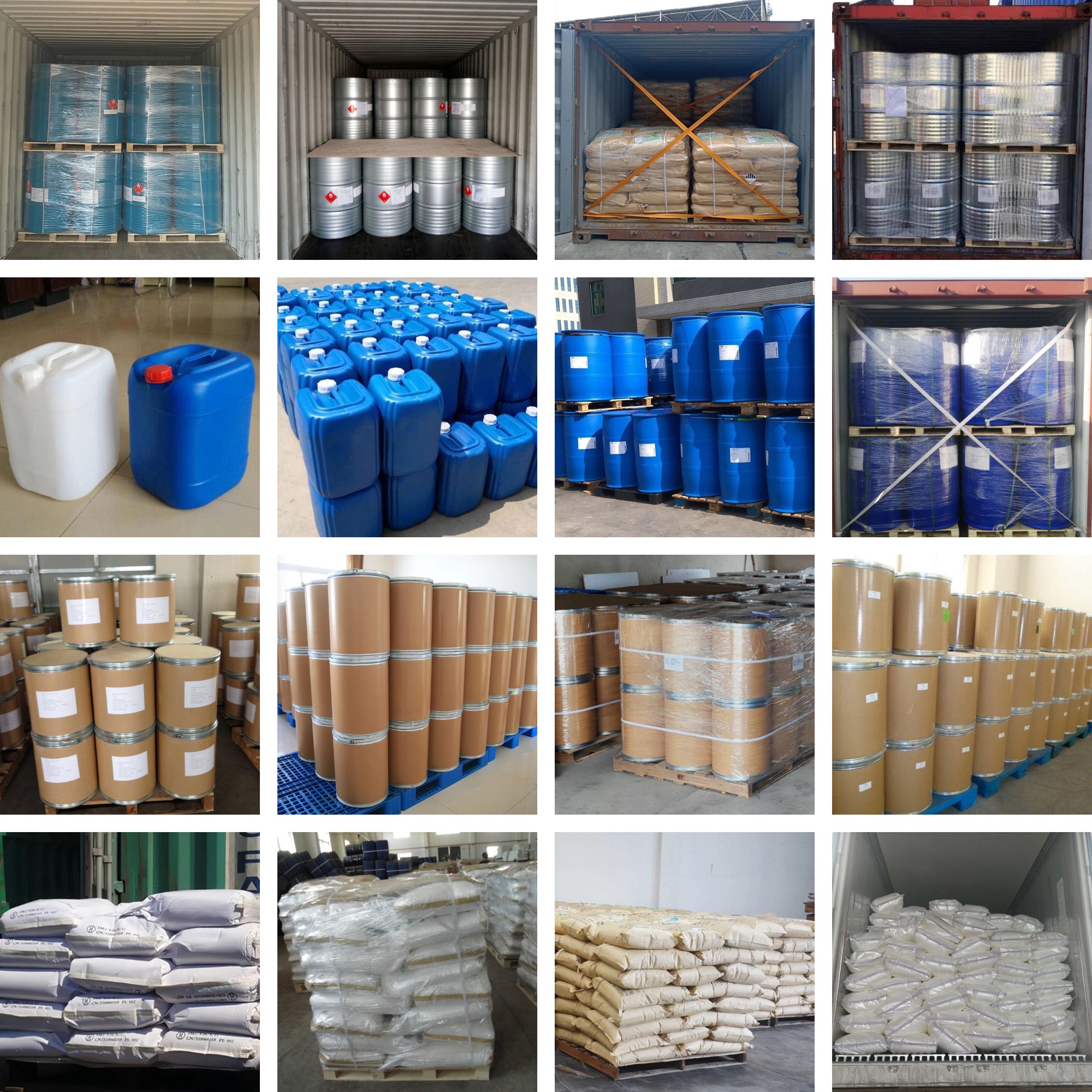
1. By Air, fast but expensive.
2. By Sea, usual and economy.
3. By Train, suit for middle Asia countries.
4. By Express, suit for small package.
We only provide highest quality goods available, accompanied by after support!
1. What products does Shandong Junzheng Chemical supply?
We supply inorganic chemicals, organic solvents, water treatment chemicals, and surfactants, including calcium chloride, soda ash, sodium bicarbonate, caustic soda, citric acid, ethyl acetate, and SLES. Please contact us to confirm specific product availability.
2. Which industries do your products serve?
Our products serve pharmaceutical, agrochemical, dye, rubber, construction, coal processing, and other chemical industries. Product suitability depends on the required grade, specifications, and application.
3. How can I get a quotation?
Please provide the product name, CAS number, required specifications, quantity, packaging requirements, and destination port. These details help us prepare an accurate quotation.
4. How do you control product quality?
We follow strict quality testing procedures supported by technical personnel, research equipment, and an established management system. Specific quality requirements can be confirmed before placing an order.
5. Can you help me select a suitable chemical?
Yes. Our technical team can assist with product selection based on your application and required specifications. Please share your intended use and key technical requirements.
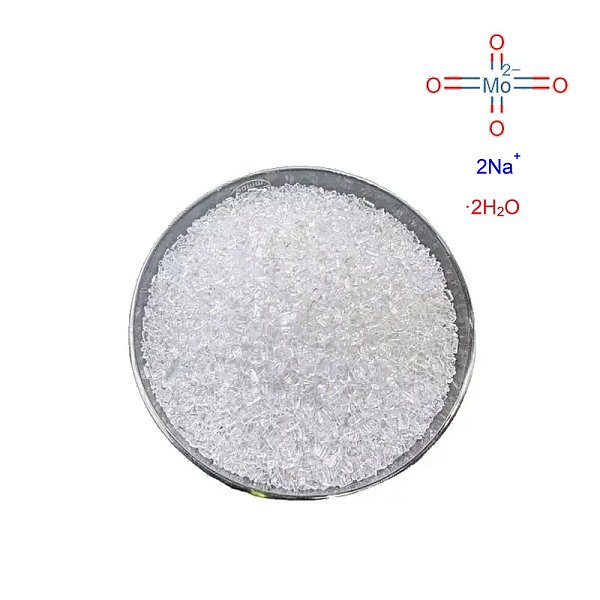
 Sodium Molybdate DihydrateSodium Molybdate Dihydrate
White crystalline powder; Colorless crystals
Sodium molybdate dihydrate is a water-soluble crystalline material supplied as white powder or colorless crystals. It forms mildly alkaline solutions and loses its water of crystallization on heating. Typical uses include corrosion control in circulating water, metal phosphating, catalyst preparation, semiconductor film manufacture, and colorimetric analysis of metal ions. Sodium hydroxideSodium Hydroxide
Caustic Soda
NaOH
Flakes; Granules; Beads; Lumps
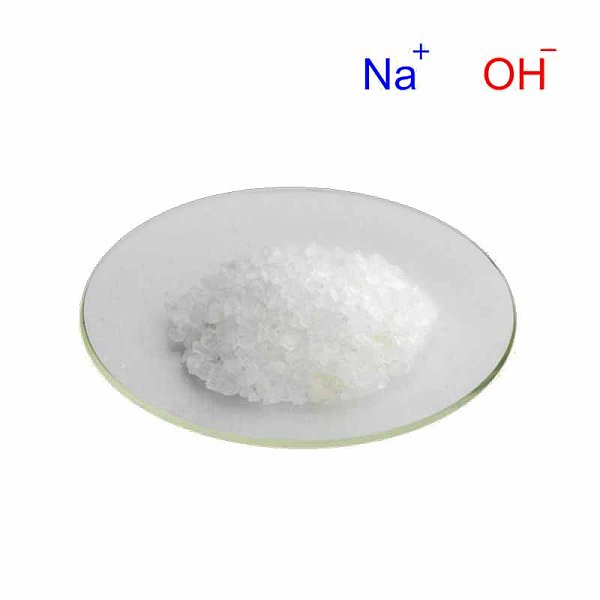
Sodium hydroxide, commonly known as caustic soda, is an inorganic compound with the chemical formula NaOH. It is a white, hygroscopic solid that dissolves readily in water with the release of heat, forming a strongly alkaline and corrosive solution. It is used for acid neutralization, saponification, grease removal and pH adjustment, with applications in pulp and paper production, textile processing, wastewater treatment, chemical manufacturing and petroleum refining. Citric Acid MonohydrateCitric Acid Monohydrate
Crystals; Granules; Powder
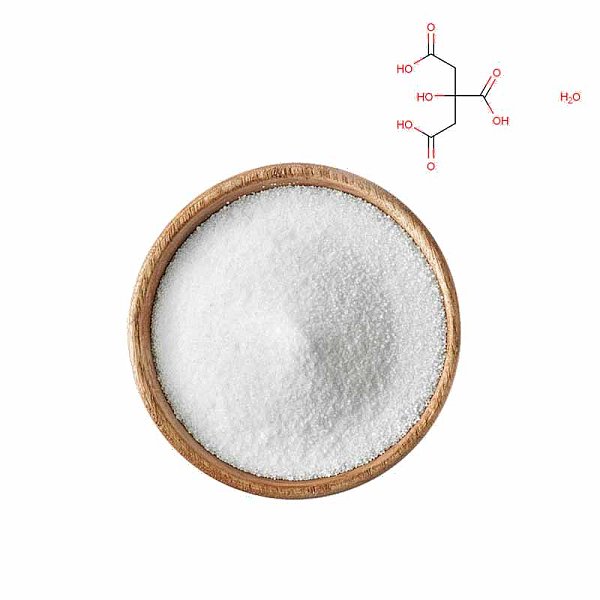
Citric acid monohydrate is an odorless crystalline organic acid containing water of crystallization. Readily soluble in water and soluble in ethanol, it provides acidity and metal-ion chelation in formulations. It is used for flavor adjustment in foods and beverages, as a cleaning ingredient in detergents, and in cosmetic and chemical processing applications. Polyvinyl Chloride Paste ResinPolyvinyl Chloride Paste Resin
Dispersed PVC Resin
White fine powder
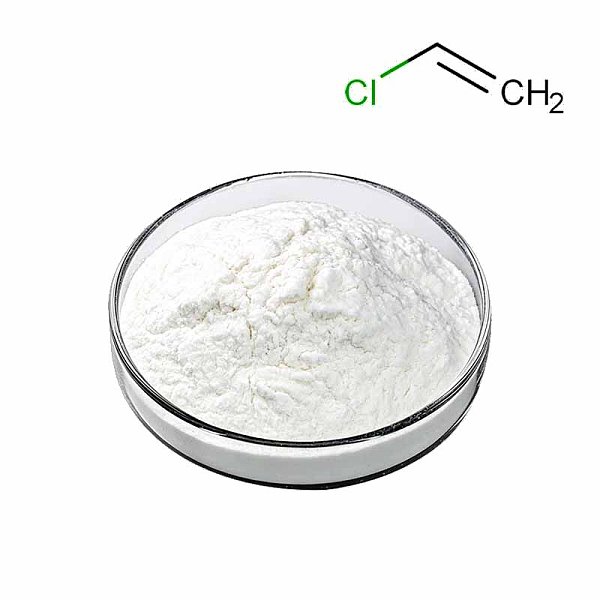
Polyvinyl chloride paste resin, also called dispersed PVC resin, is a fine white powder designed to disperse in plasticizers. Its small primary particles produce homogeneous plastisols for coating, impregnation, and casting. Applications include artificial leather, wallpaper, vinyl toys, gloves, automotive interiors, adhesives, and coatings requiring a workable paste-based processing route. XyleneXylene
Colorless liquid
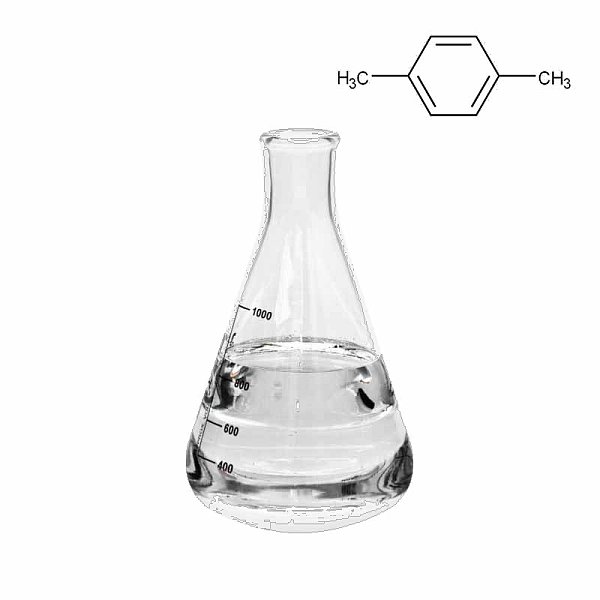
Xylene is a clear, colorless aromatic hydrocarbon liquid with a characteristic odor. Insoluble in water but compatible with many organic solvents, it dissolves resins, oils, and rubber while providing useful evaporation behavior. It serves as a coating thinner, ink solvent, resin-processing medium, adhesive ingredient, and industrial cleaning solvent. Ethyl acetateEthyl acetate
Colorless liquid
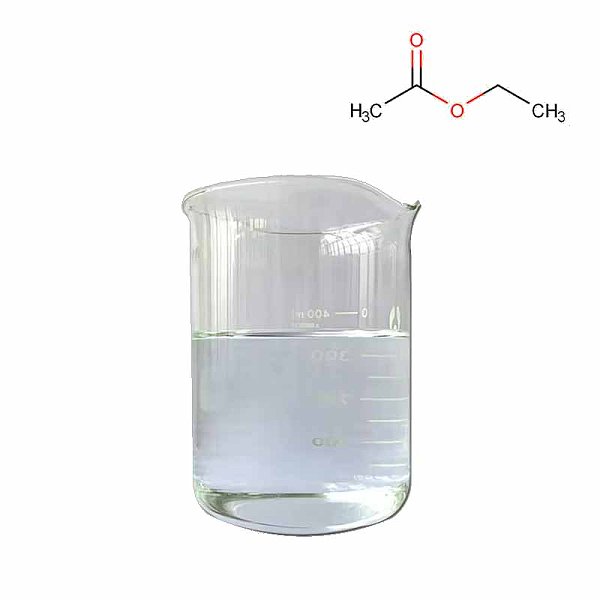
Ethyl acetate is a clear, colorless ester solvent distinguished by its fruity odor and rapid evaporation. It mixes with ethanol, ether, and other organic solvents while having limited water solubility. Its solvency for oils, resins, and organic materials supports coatings, printing inks, adhesives, extraction, leather processing, and industrial cleaning.") Sodium Lauryl Ether Sulfate(SLES)Sodium Lauryl Ether Sulfate(SLES)
SLES
Colorless to pale yellow viscous liquid
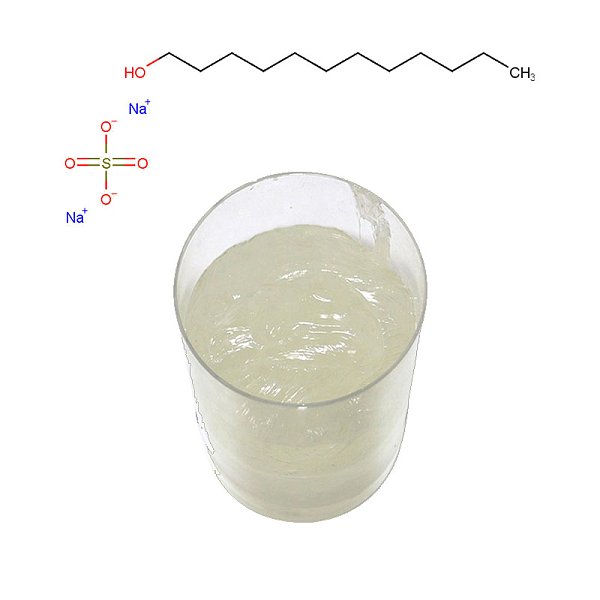
Sodium lauryl ether sulfate, abbreviated SLES, is an anionic surfactant described as a colorless to pale yellow viscous liquid. It dissolves readily in water and contributes foaming, wetting, emulsification, and detergency. Typical formulations include shampoos, body washes, dishwashing liquids, laundry detergents, industrial cleaners, and textile-processing auxiliaries requiring surface-active ingredients. Methyl acetoacetateMethyl acetoacetate
MAA
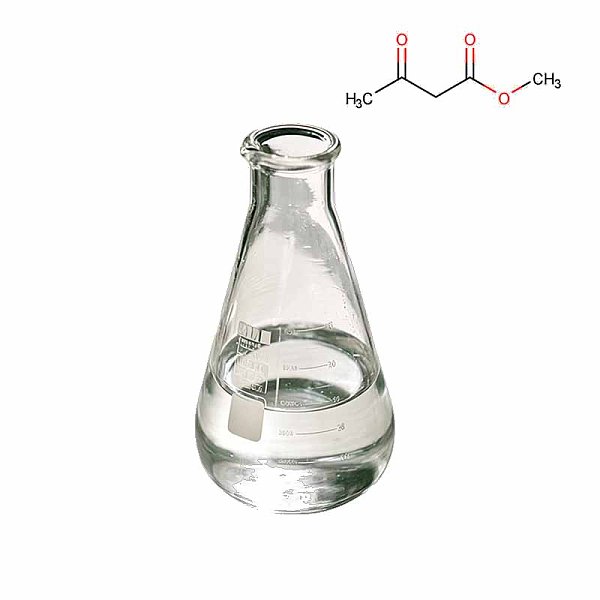
Methyl acetoacetate, often abbreviated MAA, is a versatile organic synthesis reagent with functionality suited to substituted acetoacetate and cyclic compound preparation. It participates in Biginelli chemistry and helps construct pyrazole, pyrimidine, and coumarin derivatives. Other uses include pharmaceutical intermediates, cellulose ether solvents, and amine protection during synthetic sweetener manufacture.
Send Us Your Inquiry Today