






Navigation
Send Us A Message
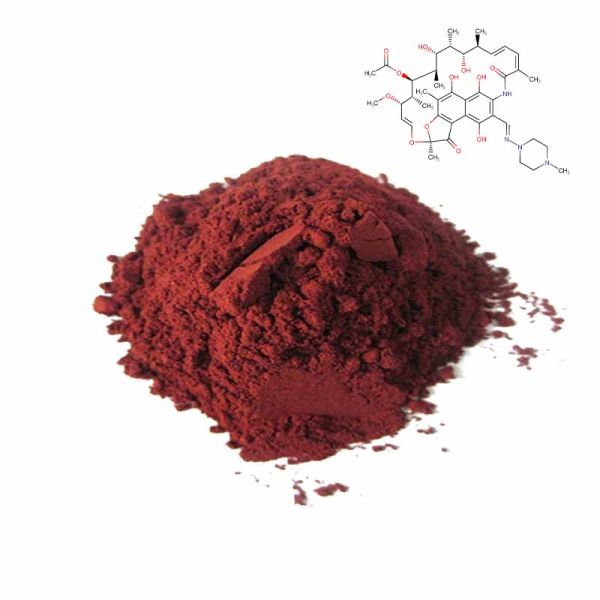
Rifampicin CAS#13292-46-1
Rifampicin<br/>r; e; d; ; c; r; y; s; t; a; l; l; i; n; e; ; p; o; w; d; e; r<br/><br/>Rifampicin is a rifamycin-class pharmaceutical compound described as a red crystalline powder with poor water solubility. The source identifies oral dosage formulation and use as a pharmaceutical intermediate among its applications. Its distinctive appearance and solubility are relevant product characteristics, while the available description does not establish a particular formulation grade or additional solvent compatibility.
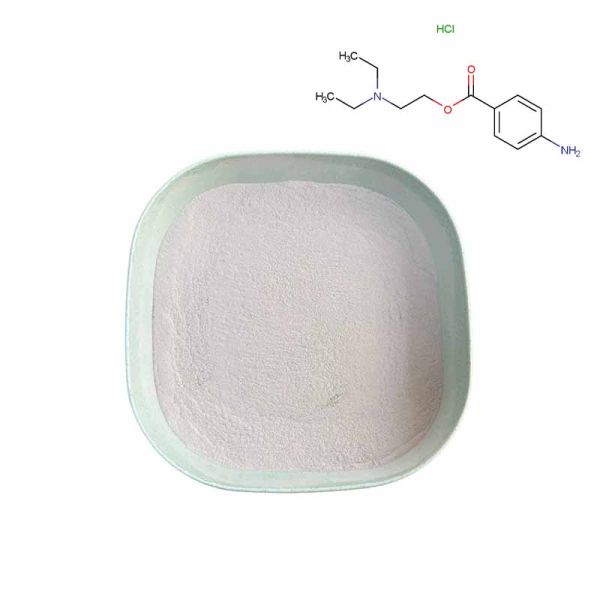
Procaine hydrochloride CAS#51-05-8
Procaine hydrochloride<br/><br/>Procaine hydrochloride is a pharmaceutical salt whose aqueous solutions show stability within an acidic range. Its aromatic amino group can undergo diazotization and subsequent coupling with naphthol to form a red azo compound. The supplied material identifies applications in local anesthetic formulations, while its chemical reaction behavior provides a distinct characteristic beyond its pharmaceutical classification.
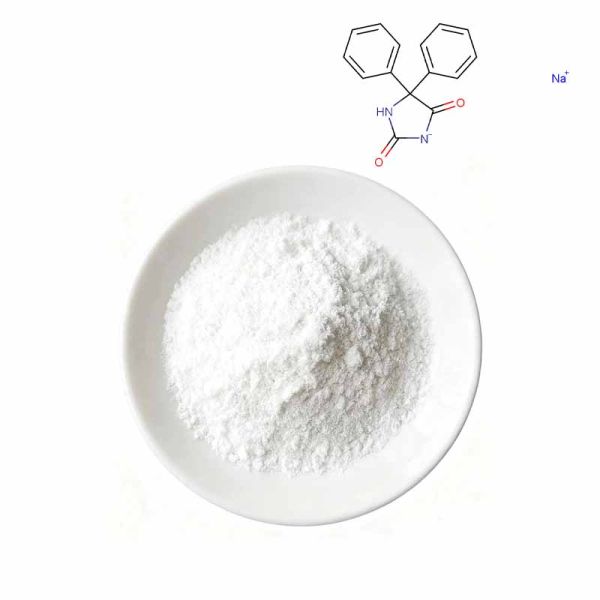
Phenytoin sodium CAS#630-93-3
Phenytoin sodium<br/><br/>Phenytoin sodium is the sodium form of a pharmaceutical compound described in connection with anticonvulsant and antiarrhythmic applications. The supplied material focuses on its pharmacological profile, including interactions with electrical activity and conduction, rather than chemical processing properties. It does not establish the product's appearance, solubility or hydration state, limiting further physical characterization of the supplied material.
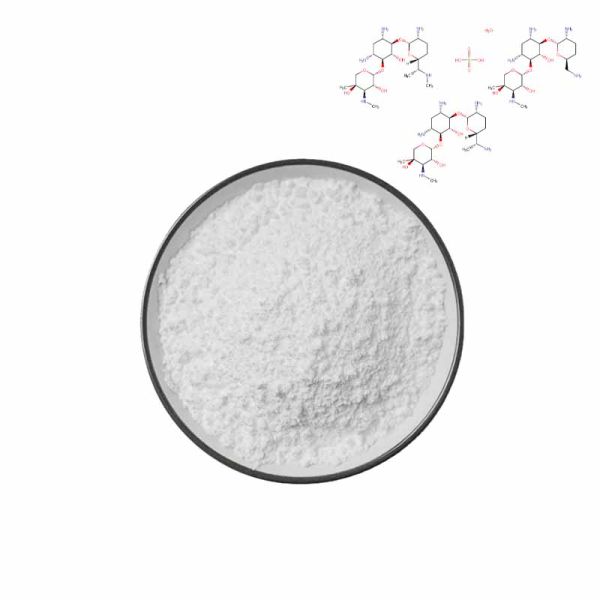
Gentamicin sulfate CAS#1405-41-0
Gentamicin sulfate<br/><br/>Gentamicin sulfate is a sulfate-form pharmaceutical antibiotic described in relation to bacterial ribosomal protein synthesis. Its application context includes pharmaceutical preparations for local and systemic administration, as well as combinations with other pharmaceutical ingredients. The source focuses on pharmacological classification and formulation routes, without establishing appearance, solubility or other physical specifications for the supplied material.
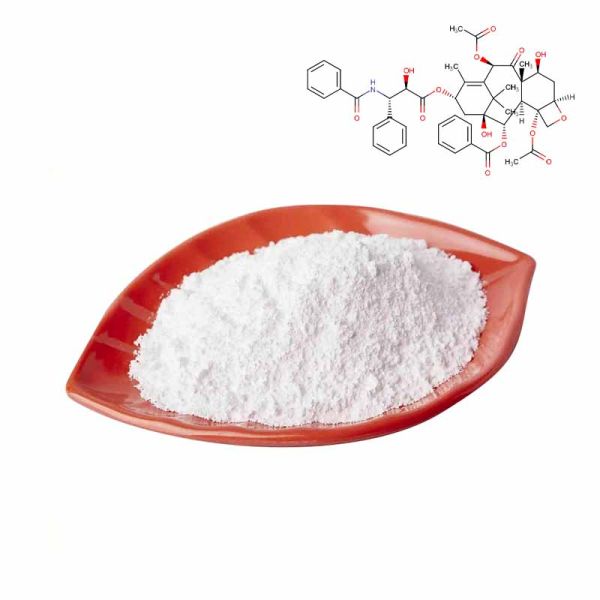
Paclitaxel CAS#33069-62-4
Paclitaxel<br/><br/>Paclitaxel is a diterpene obtained from yew bark and used in pharmaceutical applications and cell-division studies. Its biochemical interactions involve binding to polymerized microtubules and influencing their assembly and persistence. This microtubule-associated behavior distinguishes its laboratory role, while the supplied material does not provide an appearance, solvent profile or specific commercial form for the product.
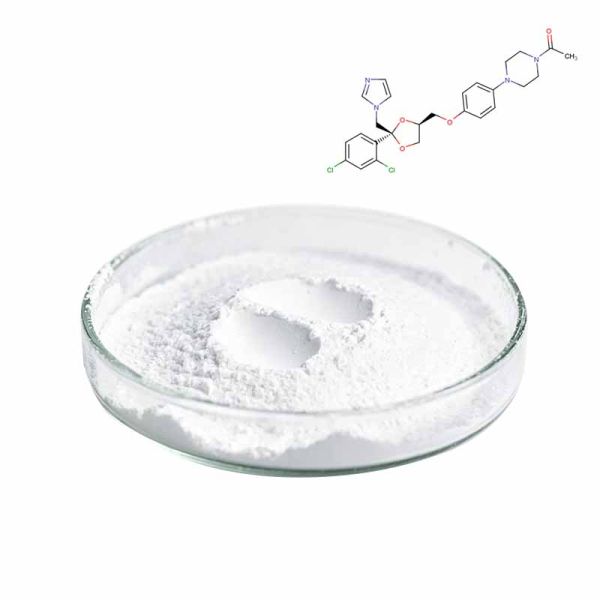
Ketoconazole CAS#65277-42-1
Ketoconazole<br/><br/>Ketoconazole is an imidazole-class pharmaceutical compound associated with fungal sterol biosynthesis and cytochrome enzyme interactions. In addition to pharmaceutical formulation applications, it is used in pharmacological research involving bioavailability and drug interactions. Its role as a cytochrome enzyme inhibitor makes it relevant to analytical investigations of compound metabolism rather than establishing any product-specific therapeutic performance.
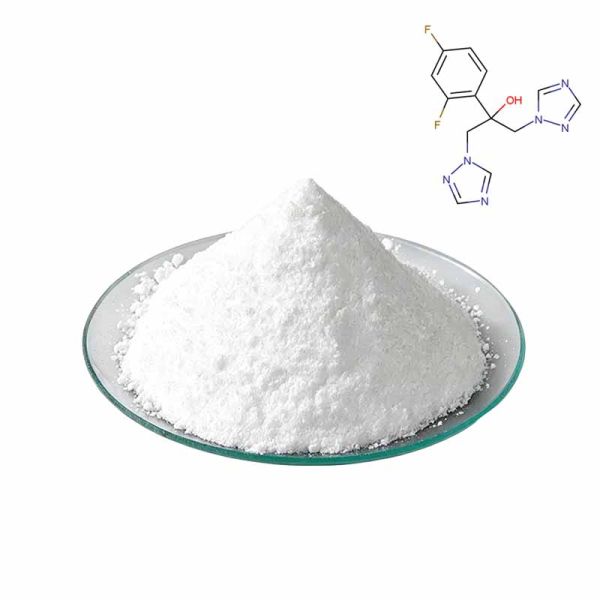
Fluconazole CAS#86386-73-4
Fluconazole<br/><br/>Fluconazole is a triazole-class pharmaceutical compound described through its relationship with fungal cytochrome-dependent enzymes and sterol biosynthesis. The supplied application context is systemic pharmaceutical formulations. Its triazole identity and enzyme-related biochemical profile distinguish it from imidazole compounds, although the available material does not define a physical appearance, hydration state or solvent compatibility for this particular product.
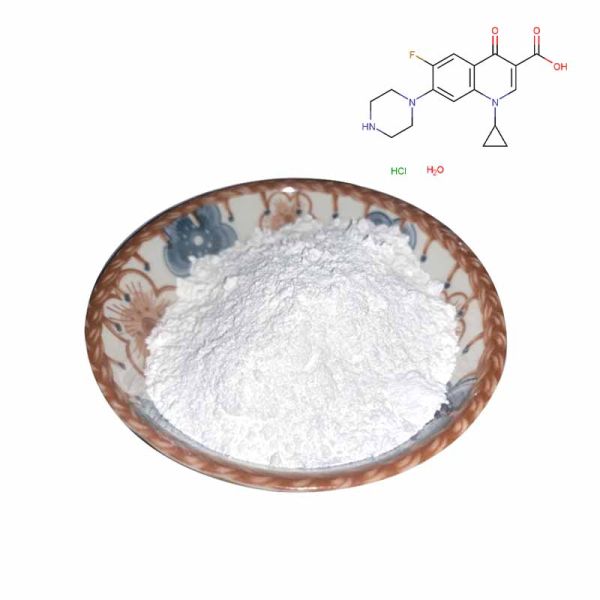
Ciprofloxacin hydrochloride hydrate CAS#86393-32-0
Ciprofloxacin hydrochloride hydrate<br/>Ciprofloxacin hydrochloride<br/>Ciloxan<br/>Ceprimax<br/>Oftacilox<br/><br/>Ciprofloxacin hydrochloride hydrate is the hydrated hydrochloride form of ciprofloxacin. The salt form is identified as a formulation-related stability characteristic in the supplied properties. Its application context is pharmaceutical preparations, while the source describes biochemical interactions with bacterial DNA gyrase. The hydrated identity should remain distinct from the free base and from unspecified hydrochloride forms.
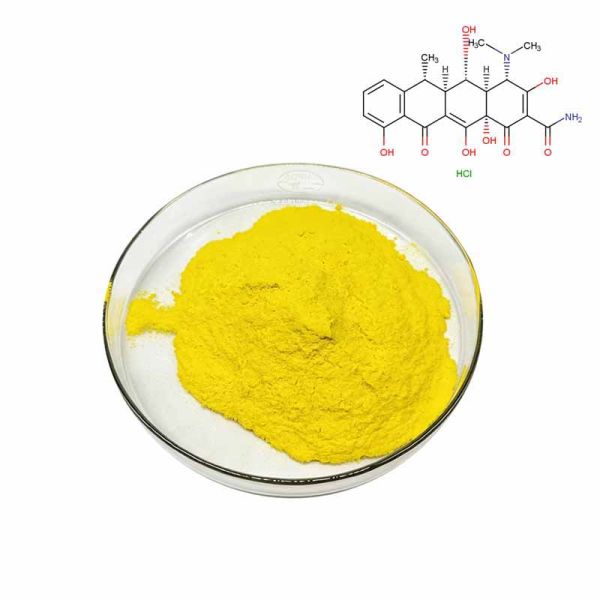
Doxycycline hydrochloride CAS#10592-13-9
Doxycycline hydrochloride<br/>h; y; g; r; o; s; c; o; p; i; c; ; c; r; y; s; t; a; l; l; i; n; e; ; p; o; w; d; e; r<br/><br/>Doxycycline hydrochloride is a hygroscopic crystalline powder soluble in water and methanol. It is a hydrochloride-form pharmaceutical compound described alongside tetracycline and oxytetracycline in the supplied material. Its solubility and moisture affinity are relevant to formulation work, while the stated applications center on pharmaceutical preparations rather than industrial solvent, pigment or materials-processing uses.
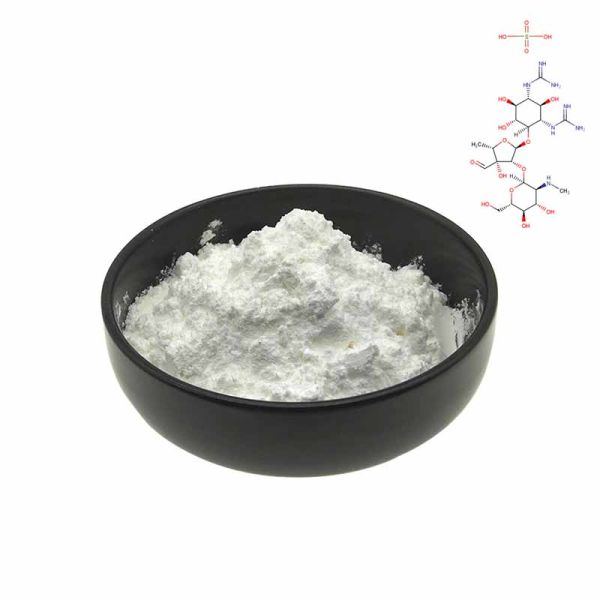
Streptomycin sulfate CAS#3810-74-0
Streptomycin sulfate<br/><br/>Streptomycin sulfate is a pharmaceutical antibiotic obtained from Streptomyces griseus. Its sulfate identity and ribosome-associated biochemical behavior are the main chemical and functional characteristics supplied. The source places it in parenteral pharmaceutical preparations and discusses protein-synthesis interactions, but does not define appearance, solvent compatibility or other physical specifications for the supplied sulfate material.
Send Us Your Inquiry Today