






Navigation
Send Us A Message
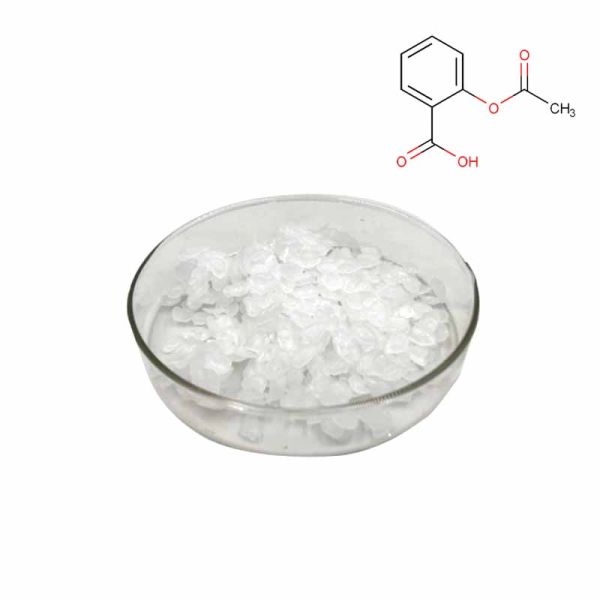
Acetylsalicylic acid CAS#50-78-2
Acetylsalicylic acid<br/>Aspirin<br/><br/>Acetylsalicylic acid, also known as aspirin, is a pharmaceutical compound with limited water solubility and greater solubility in organic solvents. It also dissolves in alkaline solutions, where decomposition may occur, and hydrolysis produces salicylic acid and acetic acid. Alongside pharmaceutical raw-material applications, the supplied material identifies a role in the synthesis of rodenticide intermediates.
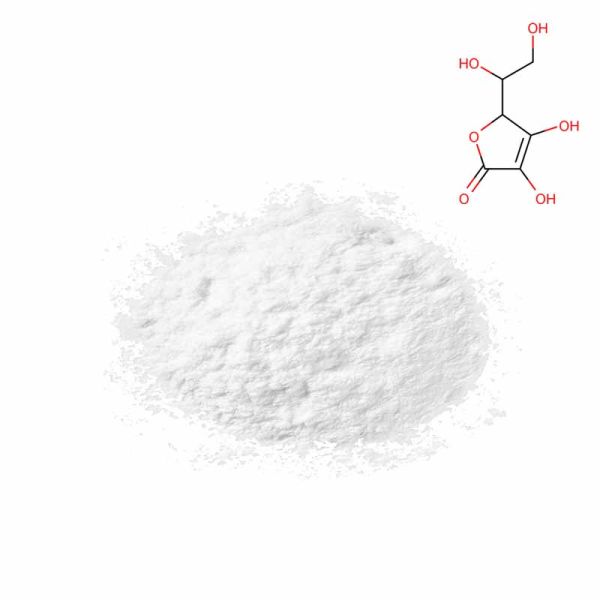
Ascorbic Acid CAS#50-81-7
Ascorbic Acid<br/>Vitamin C<br/>L-ascorbic acid<br/><br/>Ascorbic acid, also identified as L-ascorbic acid or vitamin C, has reducing and antioxidant characteristics relevant to formulated products. It is used as a nutritional fortification ingredient in foods and as an antioxidant component in flour products and beverages. Its involvement in biochemical processes also places it within the supplied material's nutritional and pharmaceutical application context.
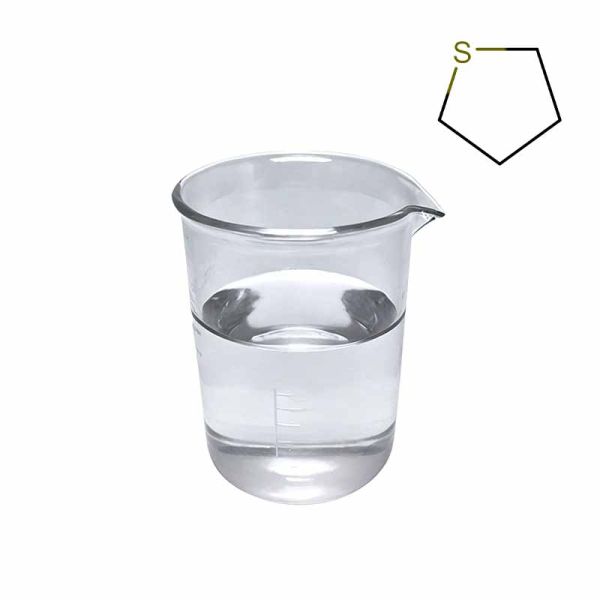
Tetrahydrothiophene CAS#110-01-0
Tetrahydrothiophene<br/>c; o; l; o; r; l; e; s; s; ; v; o; l; a; t; i; l; e; ; l; i; q; u; i; d<br/><br/>Tetrahydrothiophene is a colorless cyclic sulfur-containing liquid with a strong, readily recognizable odor. It is insoluble in water but dissolves in common organic solvents. Its principal application is odorization of natural gas and liquefied fuel gases, while other uses include solvent service and specialized organic catalysis for the preparation of substituted furfuryl alcohol benzoates.
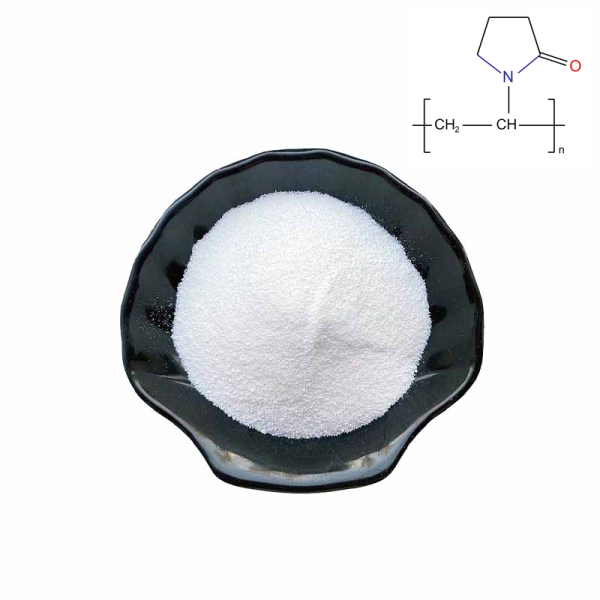
Polyvinylpyrrolidone CAS#9003-39-8
Polyvinylpyrrolidone<br/>PVP<br/>s; l; i; g; h; t; l; y; ; o; d; o; r; o; u; s; ,; ; h; y; g; r; o; s; c; o; p; i; c; ; w; h; i; t; e; ; p; o; w; d; e; r<br/><br/>Polyvinylpyrrolidone, or PVP, is a hygroscopic polymer powder soluble in water and ethanol. Its complexing, binding, dispersing and film-forming properties support compatible aqueous and alcoholic formulations. Typical uses include cosmetics, printing inks, biological reagents and stabilization during silver nanowire synthesis. Unlike insoluble cross-linked clarifying polymers, dissolved PVP is not separated from a solution by ordinary filtration.
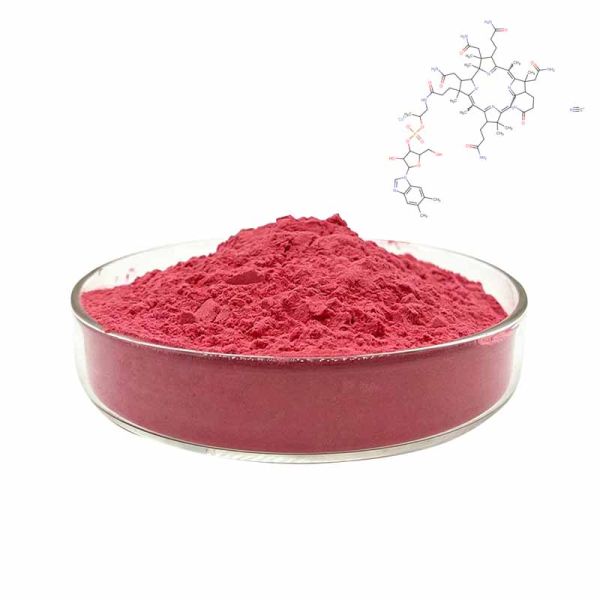
Vitamin B12 CAS#68-19-9
Vitamin B12<br/>cobalamin<br/>VB12<br/>r; e; d; ; c; r; y; s; t; a; l; s<br/><br/>Vitamin B12, also known as cobalamin, is a cobalt-containing vitamin that forms distinctive red crystals. Its complex molecular structure incorporates a corrin ring surrounding a cobalt center, distinguishing it from other vitamins. The supplied material places it in nutritional and pharmaceutical formulations, where its identity as a cobalt-containing biochemical ingredient is the central product characteristic.
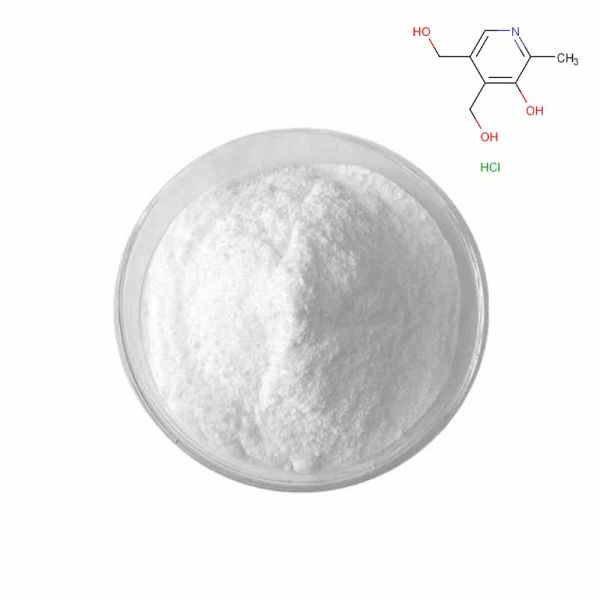
Pyridoxine hydrochloride CAS#58-56-0
Pyridoxine hydrochloride<br/>Vitamin B6<br/>Pyridoxine<br/>w; h; i; t; e; ; c; r; y; s; t; a; l; l; i; n; e; ; p; o; w; d; e; r<br/><br/>Pyridoxine hydrochloride is the hydrochloride salt form of vitamin B6, supplied as a white crystalline powder. It is soluble in water and alcohols and remains stable in air, although exposure to sunlight can cause deterioration. Typical applications include pharmaceutical raw materials, derivative synthesis, biological research and incorporation into fortified foods, animal feed and cosmetic formulations.
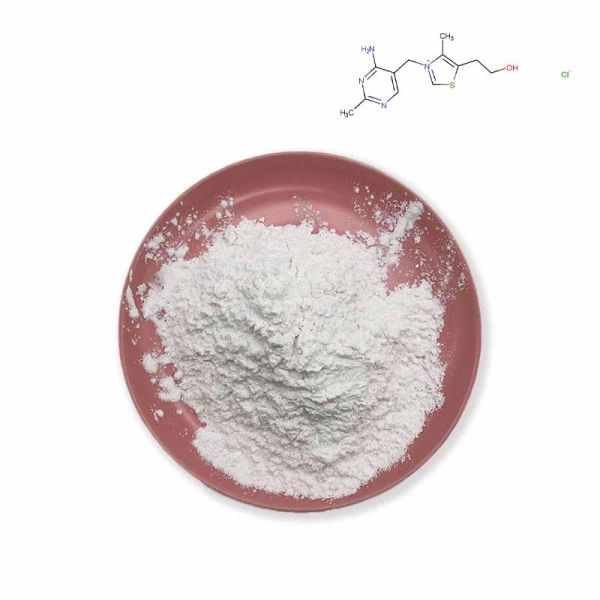
Thiamine chloride CAS#59-43-8
Thiamine chloride<br/>Vitamin B1<br/>Thiamine<br/><br/>Thiamine chloride is identified in the supplied material with thiamine, or vitamin B1, and its pharmaceutical applications. Its biochemical significance centers on conversion to thiamine diphosphate, a coenzyme associated with carbohydrate metabolism. The description is primarily pharmacological and does not specify the supplied material's appearance, solubility, hydration state or other physical characteristics for formulation selection.
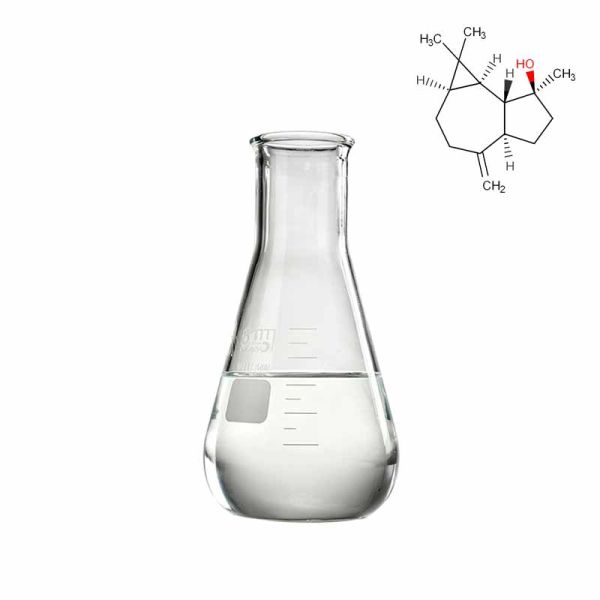
SPATHULENOL CAS#6750-60-3
SPATHULENOL<br/><br/>Spathulenol is a naturally occurring tricyclic sesquiterpenoid found in volatile oils and plant metabolites. Its molecular framework combines a tertiary alcohol group with olefinic functionality, providing chemically distinct features for natural product investigations. It is used in phytochemical and pharmaceutical research, including studies of plant-derived compounds and laboratory characterization of their biological and antioxidant behavior.
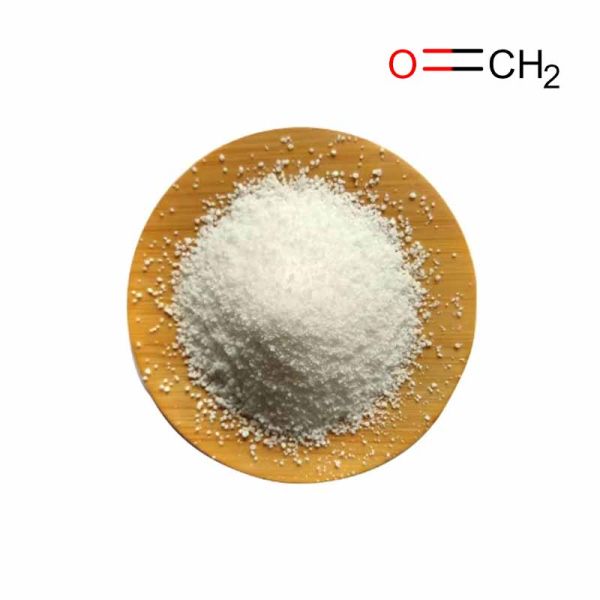
Paraformaldehyde CAS#30525-89-4
Paraformaldehyde<br/>w; h; i; t; e; ; p; o; w; d; e; r; ,; ; g; r; a; n; u; l; e; s; ,; ; o; r; ; p; r; i; l; l; s<br/><br/>Paraformaldehyde provides a solid formaldehyde source for resin manufacture and organic synthesis. Typically supplied as white powder, prills or granules, this relatively low-degree polymer releases formaldehyde when heated under appropriate conditions. Its applications include synthetic resins, adhesives and herbicide-related chemical manufacture. It should not be confused with the high-molecular-weight polyoxymethylene resins used as engineering plastics.
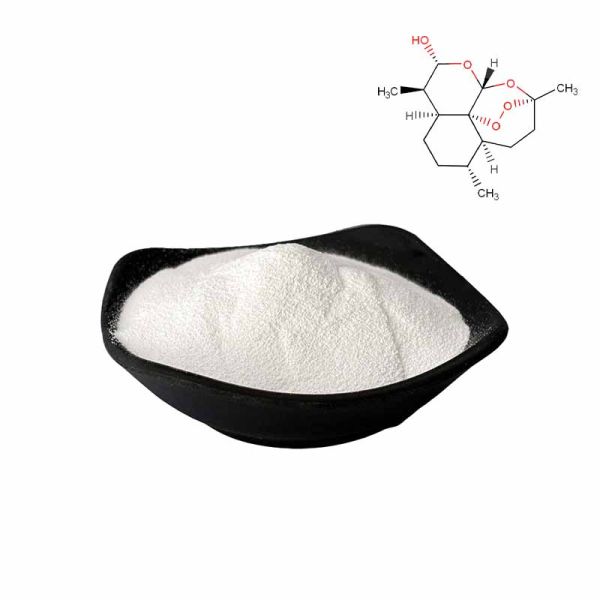
Alpha-Dihydroartemisinin CAS#81496-81-3
Alpha-Dihydroartemisinin<br/><br/>Alpha-dihydroartemisinin is presented in the supplied material as a pharmaceutical compound associated with antimalarial applications. The description emphasizes pharmacological behavior and oral absorption rather than chemical or physical product characteristics. It does not identify an appearance, solvent compatibility or analytical profile, so these attributes cannot be assigned to the supplied alpha form from the available evidence.
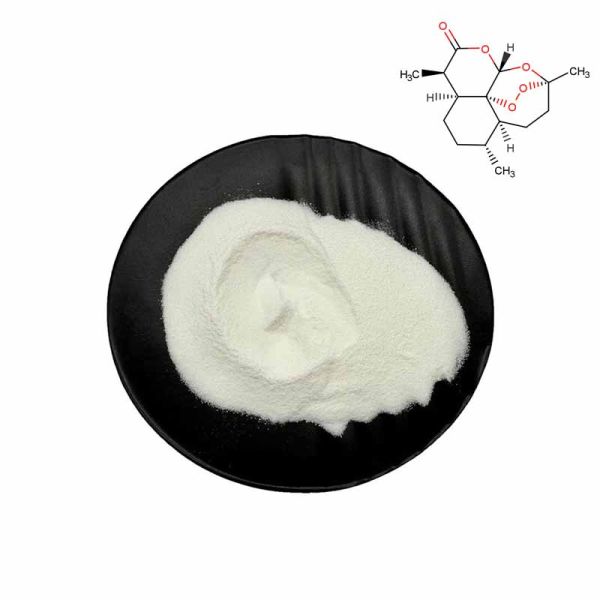
Artemisinin CAS#63968-64-9
Artemisinin<br/>sweet wormwood<br/><br/>Artemisinin is a peroxide-containing sesquiterpene lactone obtained from Artemisia annua, also known as sweet wormwood. Its chemical identity combines a lactone framework with peroxide functionality and distinguishes it within plant-derived pharmaceutical compounds. The supplied material places it in pharmaceutical applications involving artemisinin and its derivatives, including combination formulations, without establishing a specific commercial grade or physical form.
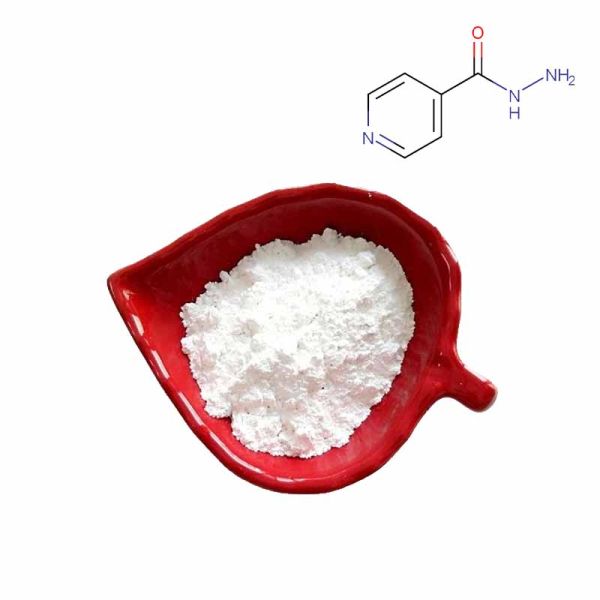
Isoniazid CAS#54-85-3
Isoniazid<br/>c; o; l; o; r; l; e; s; s; ; o; r; ; w; h; i; t; e; ; c; r; y; s; t; a; l; l; i; n; e; ; p; o; w; d; e; r<br/><br/>Isoniazid is a colorless to white crystalline compound with water solubility and chemically reactive hydrazine functionality. It participates in condensation with carbonyl compounds to produce Schiff bases and related derivatives. Besides pharmaceutical intermediate applications, it is used in electroplating additives and analytical luminescence systems, including reactions studied with gold nanoparticle-catalyzed luminol chemistry.
Send Us Your Inquiry Today