






Navigation
Send Us A Message
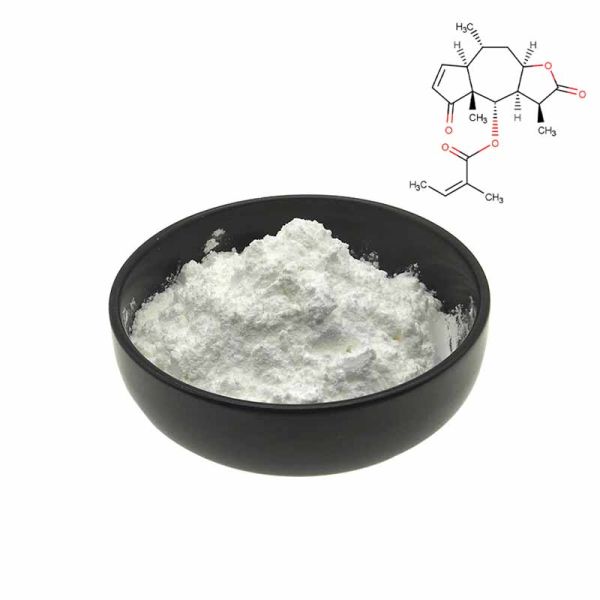
Brevilin A CAS#16503-32-5
Brevilin A<br/><br/>Brevilin A is supplied as a primary reference standard with assigned absolute purity evaluated through chromatographic and related quality measurements. The material is manufactured for traceable analytical work rather than general bulk formulation. It is used in selective extraction of natural compounds, preparation of derivatives, calibration, analytical testing, and research concerning anticancer-related chemical structures.
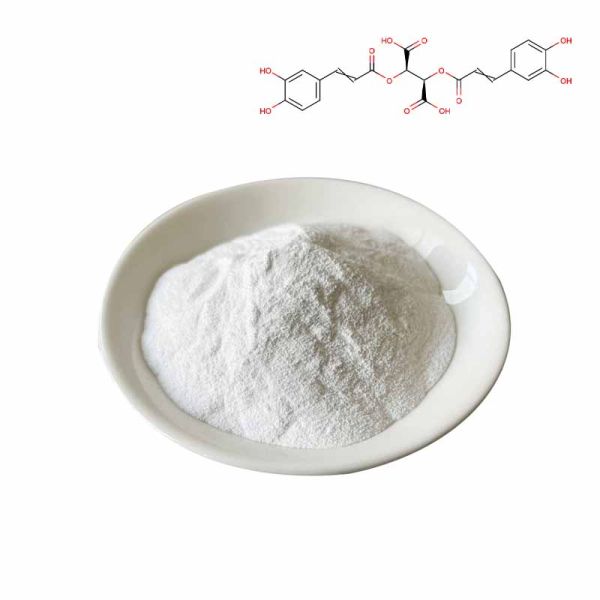
Chicoric Acid CAS#6537-80-0
Chicoric Acid<br/><br/>Chicoric acid is a bioactive organooxygen compound structurally related to tetracarboxylic acids. It is studied as an HIV-1 integrase inhibitor and for geroprotective, cannabinomimetic, and receptor-related activities. Its applications are centered on pharmaceutical and life-science research, including investigations of viral replication, cellular protection, and CB2-dependent or independent biological mechanisms.
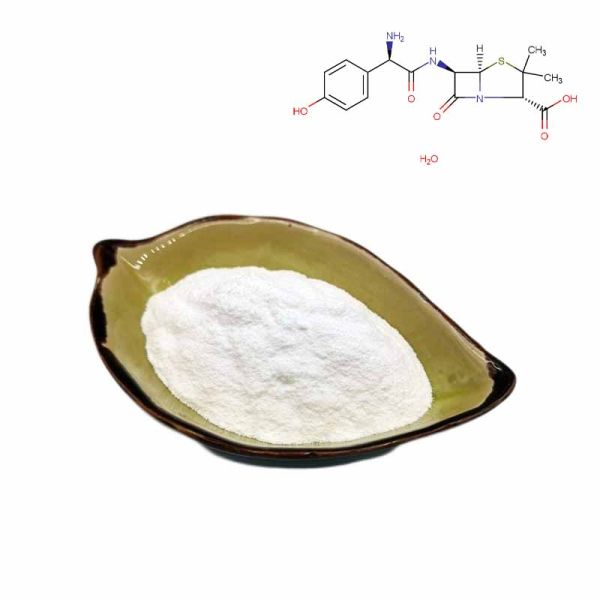
Amoxicillin trihydrate CAS#61336-70-7
Amoxicillin trihydrate<br/>white-to-white-orange crystalline powder<br/><br/>Amoxicillin trihydrate is the trihydrate form of a semisynthetic broad-spectrum penicillin, supplied as a white to white-orange crystalline powder. It inhibits bacterial cell-wall synthesis and is used as an active pharmaceutical ingredient in authorized formulations for susceptible bacterial infections. Its applications include pharmaceutical manufacturing, veterinary preparations where permitted, and antimicrobial research involving the specified hydrate form.
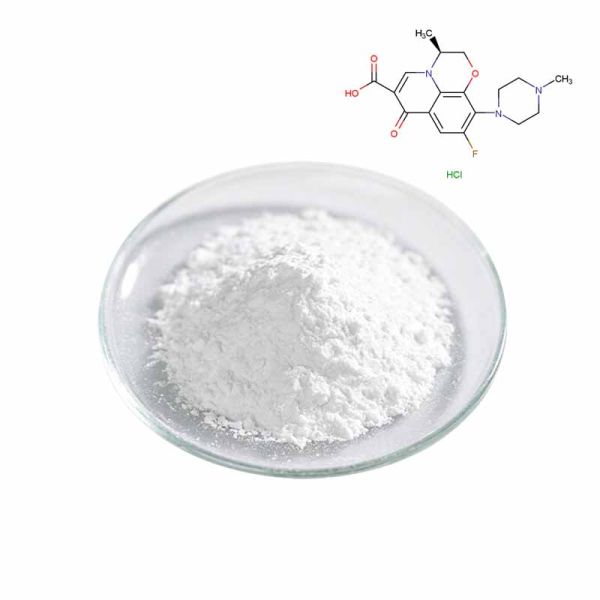
Levofloxacin hydrochloride CAS#177325-13-2
Levofloxacin hydrochloride<br/><br/>Levofloxacin hydrochloride is the hydrochloride salt of levofloxacin, the levo enantiomer of ofloxacin. Its antibacterial action involves inhibition of bacterial DNA gyrase and topoisomerase IV. It is used as a pharmaceutical raw material for anti-infective formulations targeting susceptible organisms in respiratory, urinary, genital, skin, intestinal, wound, and other clinically indicated infection-related applications.
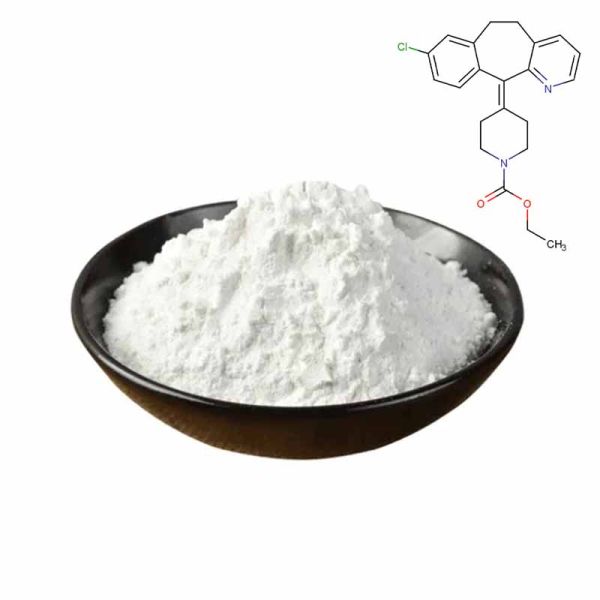
Loratadine CAS#79794-75-5
Loratadine<br/><br/>Loratadine is a second-generation tricyclic antihistamine that selectively blocks peripheral histamine H1 receptors. It is supplied for pharmaceutical formulation and used in preparations addressing allergic rhinitis and chronic urticaria, including nasal, ocular, and skin-related symptoms. Its long-acting profile and metabolism to desloratadine also make it a subject of pharmaceutical, pharmacological, and analytical research.
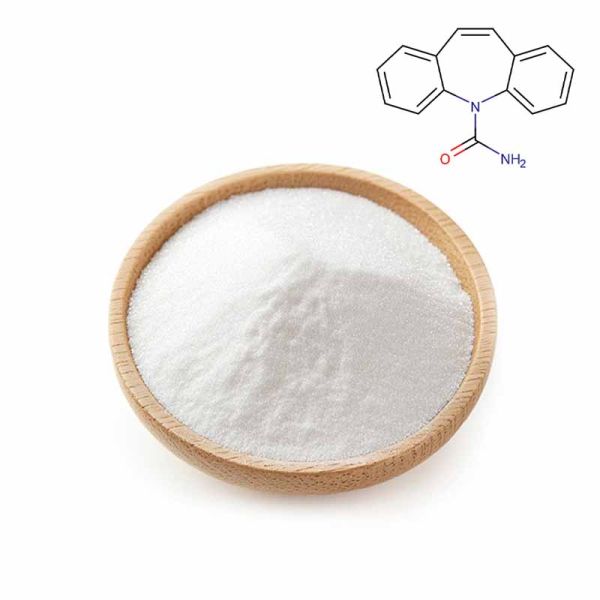
Carbamazepine CAS#298-46-4
Carbamazepine<br/>C₁₅H₁₂N₂O<br/>white or pale crystalline powder; white to off-white crystalline powder<br/><br/>Carbamazepine is a white to pale crystalline dibenzazepine compound that is practically insoluble in water. It is used as an active pharmaceutical ingredient in authorized formulations for seizure disorders, trigeminal and glossopharyngeal neuralgia, and selected arrhythmia or diabetes-insipidus applications. Its sodium-channel and GABAA-related pharmacology also supports pharmaceutical analysis and neurological research.
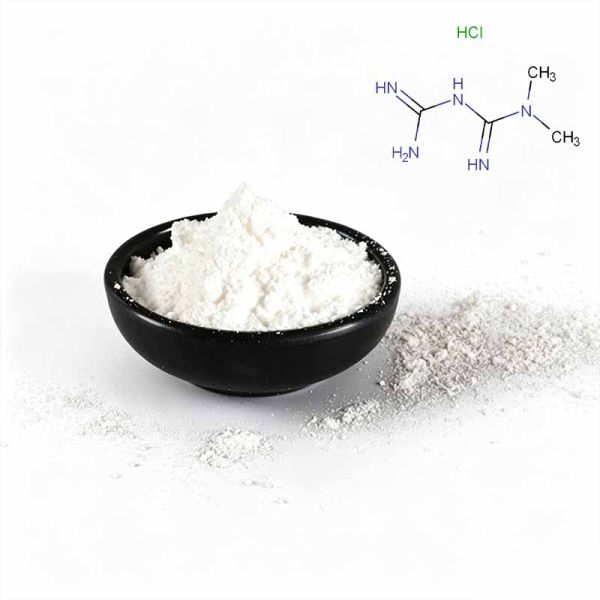
Metformin hydrochloride CAS#1115-70-4
Metformin hydrochloride<br/><br/>Metformin hydrochloride is an oral biguanide pharmaceutical ingredient whose glucose-lowering action involves reduced glucagon release, enhanced glycogen formation, improved peripheral glucose uptake, and suppression of hepatic glucose production. It is used in authorized formulations for type 2 diabetes and in pharmaceutical research focused on insulin sensitivity, glucose metabolism, and the LKB1-AMPK signaling pathway.
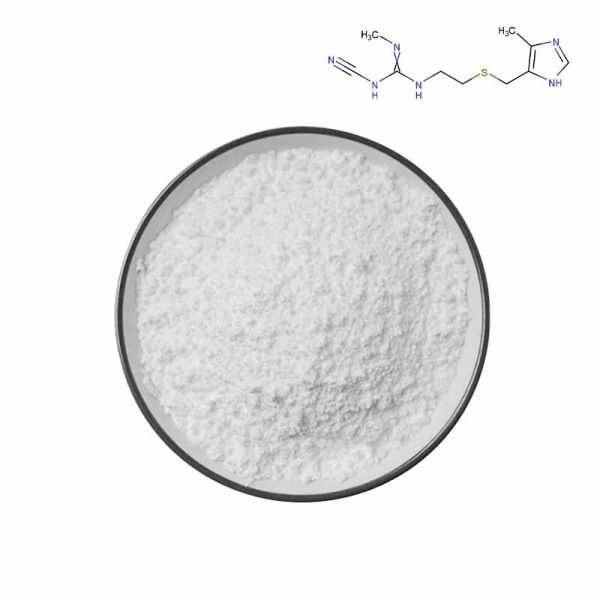
Cimetidine CAS#51481-61-9
Cimetidine<br/><br/>Cimetidine is an H2-receptor antagonist that suppresses basal and stimulated gastric-acid secretion. It is used in pharmaceutical formulations for acid-related gastrointestinal conditions including gastric and duodenal ulcers, esophagitis, stress ulcers, upper digestive bleeding, and Zollinger–Ellison syndrome. Its anti-androgenic, imidazoline-receptor, immune-modulating, and tumor-metastasis-related properties are also studied in pharmacological research.
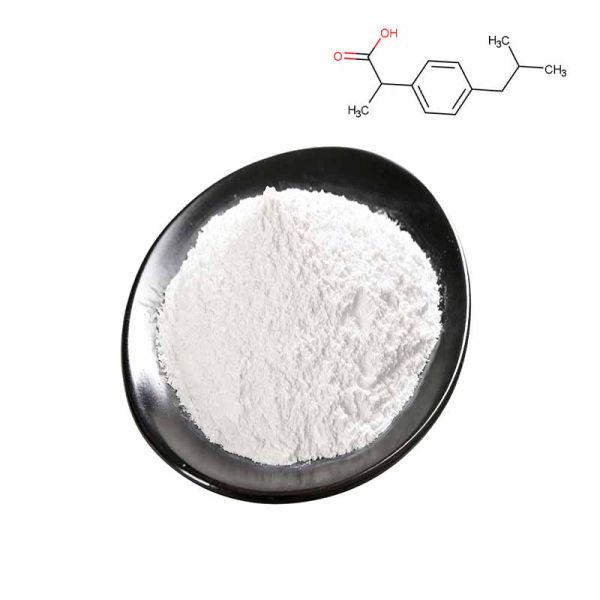
Ibuprofen CAS#15687-27-1
Ibuprofen<br/><br/>Ibuprofen is identified in the supplied material as a nonsteroidal anti-inflammatory pharmaceutical compound. Its biochemical profile is associated with prostaglandin synthase and cyclooxygenase inhibition, providing the basis for its pharmaceutical applications. The available description focuses on this pharmacological classification rather than chemical processing characteristics and does not establish an appearance, solubility profile or particular supplied solid form.
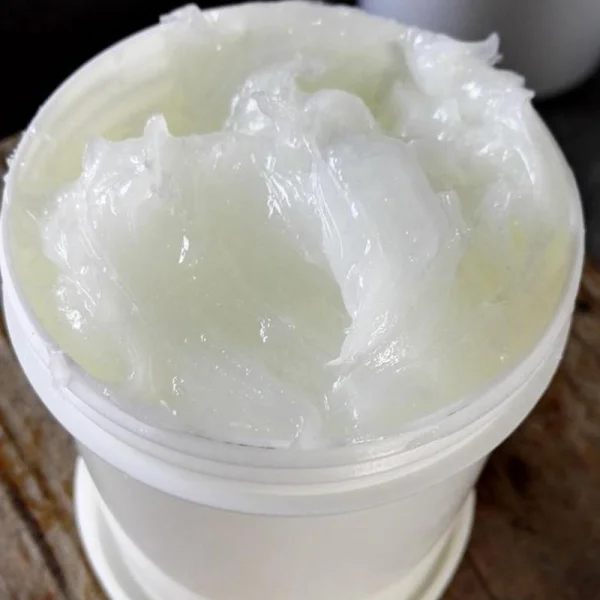
Petrolatum CAS#8009-03-8
Petrolatum<br/>s; e; m; i; -; s; o; l; i; d; ; m; i; x; t; u; r; e; ; o; f; ; h; y; d; r; o; c; a; r; b; o; n; s<br/><br/>Petrolatum is a semisolid hydrocarbon mixture whose consistency supports spreading and the formation of protective surface layers. Its emollient and barrier-forming characteristics make it useful as a formulation ingredient in cosmetics and pharmaceutical products. Beyond these uses, the same semisolid composition and physical protective properties support incorporation into a range of industrial preparations.
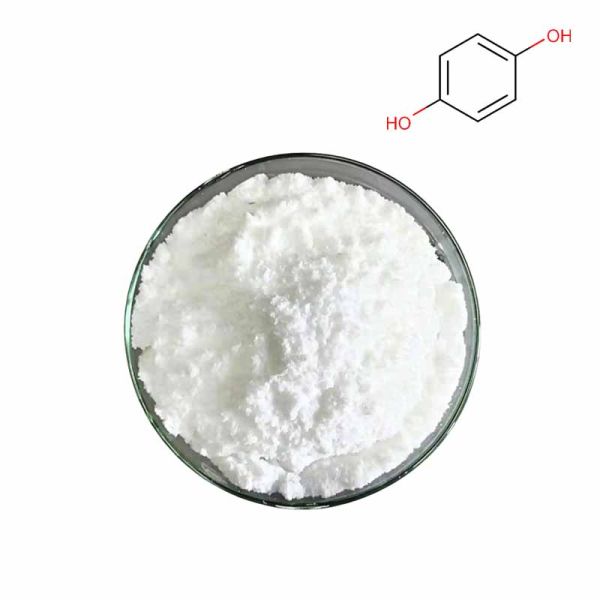
Hydroquinone CAS#123-31-9
Hydroquinone<br/>c; o; l; o; r; l; e; s; s; ; o; r; ; w; h; i; t; e; ; c; r; y; s; t; a; l; l; i; n; e; ; s; o; l; i; d<br/><br/>Hydroquinone is a colorless to white crystalline compound that dissolves readily in hot water, ethanol and ether. Exposure to air and light causes darkening through oxidation, particularly in alkaline media. Its reducing behavior supports photographic development, colorimetric and electrochemical analysis, antioxidant formulations and desulfurization, while esterification and substitution reactions provide routes to further organic derivatives.
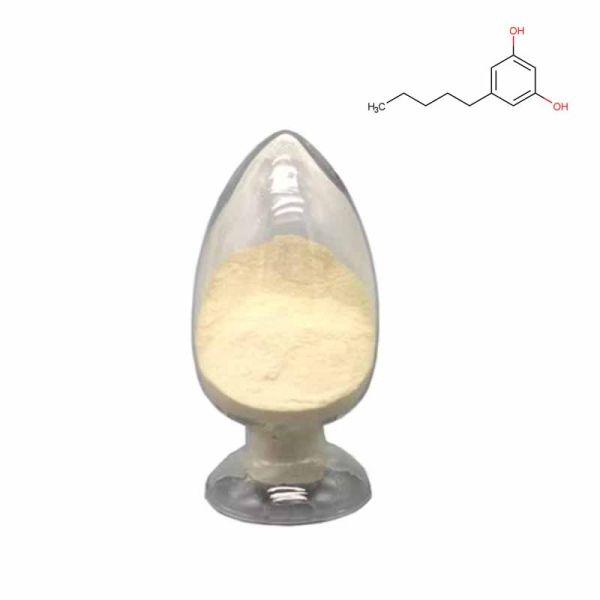
Olivetol CAS#500-66-3
Olivetol<br/>5-pentylbenzene-1,3-diol<br/>C₁₁H₁₆O₂<br/><br/>Olivetol is a phenolic compound also identified as 5-pentylbenzene-1,3-diol. Its phenolic identity makes it relevant to organic chemistry investigations involving related compounds and derivatives. Supplied for laboratory research rather than as a finished pharmaceutical product, it is used in phenolic compound studies and intermediate chemistry; the source does not specify its appearance or solvent behavior.
Send Us Your Inquiry Today