






Navigation
Send Us A Message
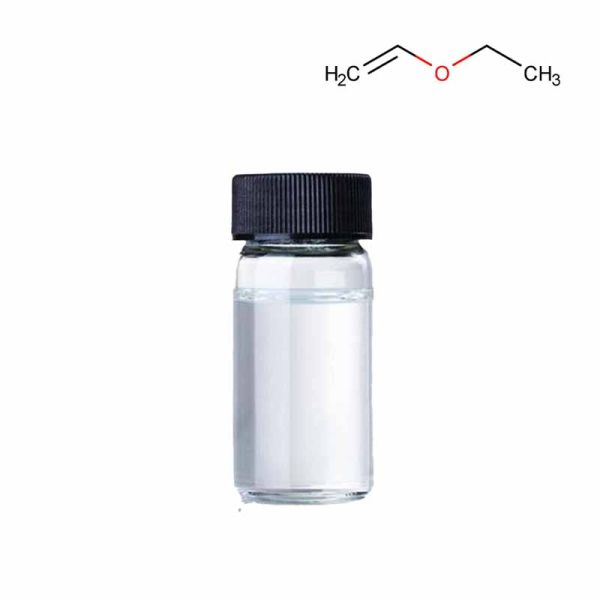
Ethyl vinyl ether CAS#109-92-2
Ethyl vinyl ether<br/>c; o; l; o; r; l; e; s; s; ,; ; t; r; a; n; s; p; a; r; e; n; t; ; l; i; q; u; i; d<br/><br/>Ethyl vinyl ether is a clear, colorless liquid with an ether-like odor, pronounced volatility and limited water solubility. Miscibility with most organic solvents supports its use in organic synthesis and solvent systems. Typical applications include fragrance and flavor preparations, lubricating oil additives and pharmaceutical intermediate manufacture, including synthesis routes involving sulfadiazine-related chemistry.
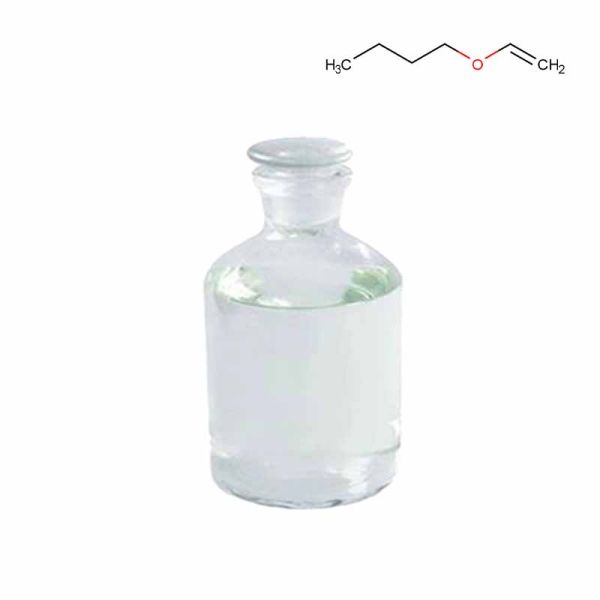
n-Butyl vinyl ether CAS#111-34-2
n-Butyl vinyl ether<br/>c; o; l; o; r; l; e; s; s; ,; ; t; r; a; n; s; p; a; r; e; n; t; ; l; i; q; u; i; d<br/><br/>n-Butyl vinyl ether is a colorless, transparent liquid with an ether-like odor and limited water solubility. Its compatibility with most organic solvents supports chemical synthesis and polymer formulation work. Used as a reactive intermediate and comonomer, it participates in copolymers and acrylic or vinyl acetate resin systems for coatings and adhesives, as well as pharmaceutical intermediate preparation.
Polypropylene Glycol CAS#25322-69-4
Polypropylene Glycol<br/>Poly(propylene glycol)<br/>PPG<br/>H(C₃H₆O)ₙOH<br/>c; o; l; o; r; l; e; s; s; ; t; o; ; p; a; l; e; ; y; e; l; l; o; w; ; v; i; s; c; o; u; s; ; l; i; q; u; i; d<br/><br/>Polypropylene glycol, or PPG, is a colorless to pale yellow viscous liquid with reactive terminal hydroxyl groups. Water compatibility varies with molecular weight, while higher-molecular-weight grades dissolve in oils and many organic solvents. Typical applications include resin manufacture, emulsifiers, demulsifiers, lubricants and plasticizers, with esterification and etherification providing routes to further functional derivatives.
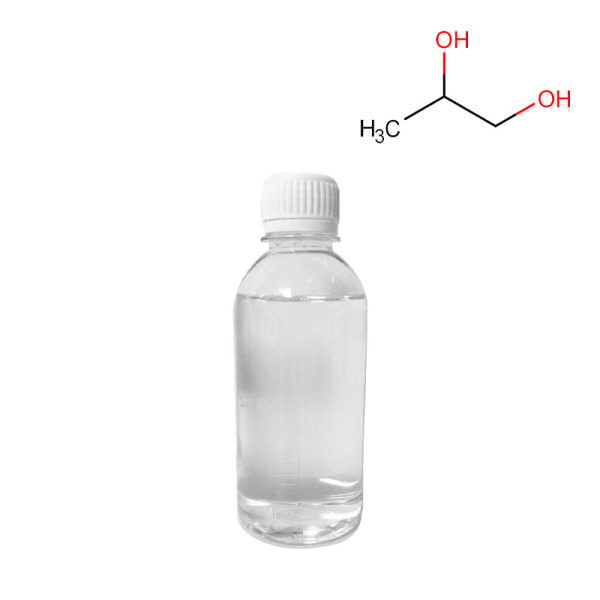
Propylene glycol CAS#57-55-6
Propylene glycol<br/>1,2-propanediol<br/>colorless viscous liquid<br/><br/>Propylene glycol, also known as 1,2-propanediol, is a colorless, viscous liquid with a faint sweet odor. It mixes completely with water and is compatible with many organic solvents. Typical industrial applications include unsaturated polyester, epoxy and polyurethane resin manufacture, along with solvent, lubricant and antifreeze formulations. Its moisture-retaining character also supports humectant use in appropriately selected formulation grades.
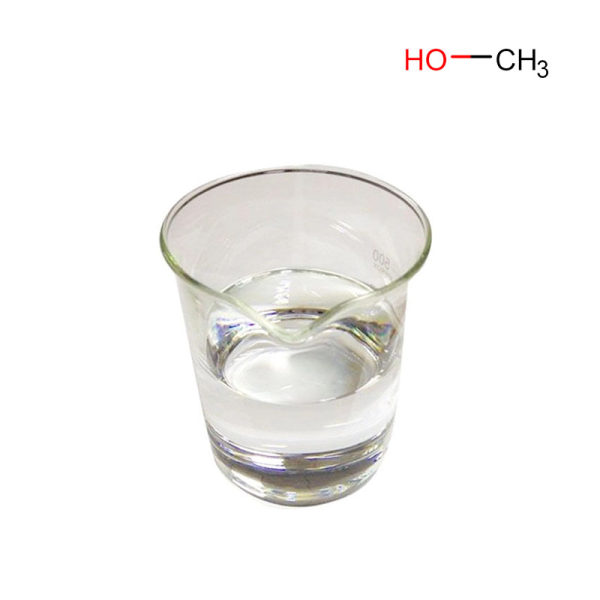
Methanol CAS#67-56-1
Methanol<br/>wood alcohol<br/>colorless, flammable, volatile, toxic liquid<br/><br/>Methanol, traditionally called wood alcohol, is a colorless, volatile and flammable liquid and the simplest monohydric alcohol. Its miscibility with water and many organic solvents supports broad solvent use. It is also a feedstock for formaldehyde, acetic acid, methylamines, ethers and esters. Other industrial applications include fuel blends, antifreeze formulations and manufacture of plastics and fine chemicals.
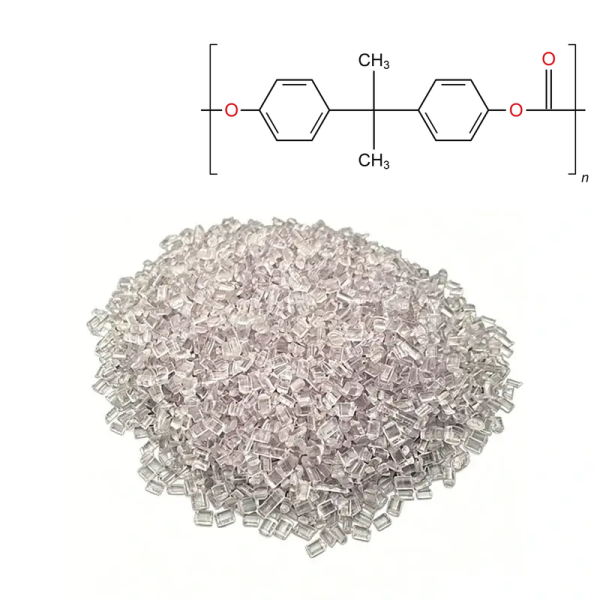
Polycarbonate CAS#25037-45-0
Polycarbonate<br/>nearly colorless, transparent products<br/><br/>Polycarbonate is an engineering plastic combining optical transparency, impact strength and heat resistance. It can be processed into nearly colorless transparent products and also accommodates coloration. Typical fabrication methods include injection molding, extrusion and thermoforming, with extrusion supporting tubular or cylindrical forms. Its combination of mechanical and optical properties makes it useful in industrial components requiring transparency and temperature-resistant performance.
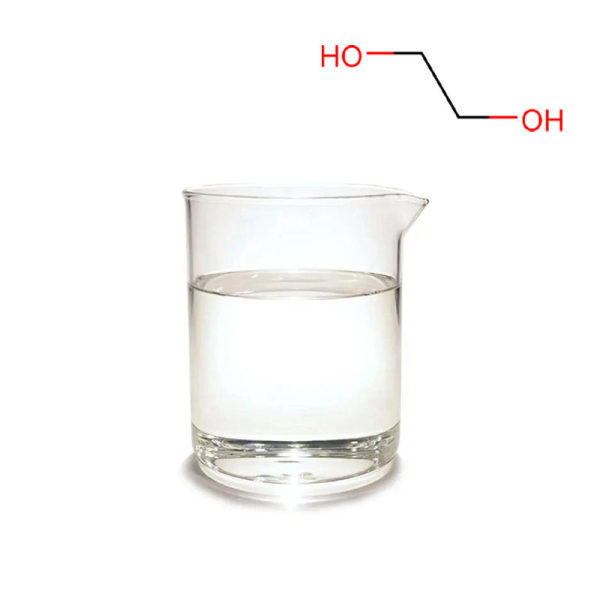
Ethylene glycol CAS#107-21-1
Ethylene glycol<br/><br/>Ethylene glycol is an industrial glycol used as an antifreeze ingredient and a principal feedstock for polyethylene terephthalate. The resulting polyester materials serve fiber and plastics manufacture. Other applications include synthetic resins, lubricants, surfactants, softeners and wetting-agent formulations. Its solvent compatibility also supports selected chemical-processing and leather-treatment uses, although its toxicity limits suitability as a general-purpose formulation solvent.
Send Us Your Inquiry Today