






Navigation
Send Us A Message
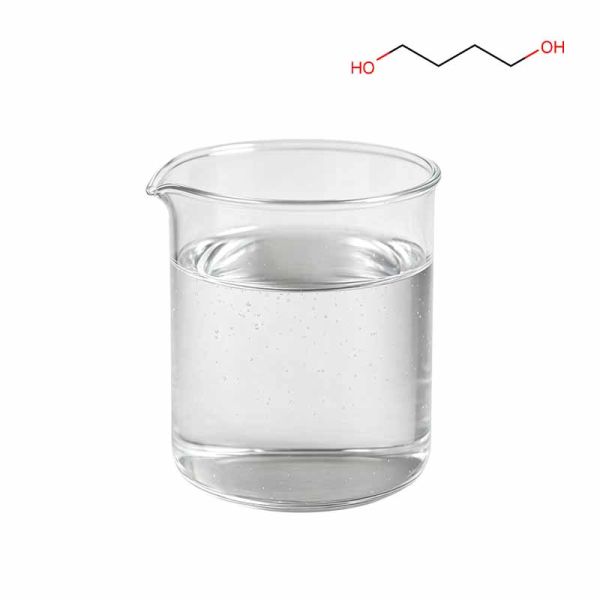
1,4-Butanediol CAS#110-63-4
1,4-Butanediol<br/>BDO<br/>1,4-BD<br/>c; o; l; o; r; l; e; s; s; ; v; i; s; c; o; u; s; ; l; i; q; u; i; d<br/><br/>1,4-Butanediol, commonly abbreviated BDO, is a colorless, viscous liquid with reactive hydroxyl groups at both ends of its molecule. These groups make it a building block for polyesters, polyurethanes and polycarbonates. Typical downstream products include tetrahydrofuran, polyether polyols, engineering plastics and gamma-butyrolactone, with further applications in elastic fibers, coatings, adhesives and polyester plasticizers.
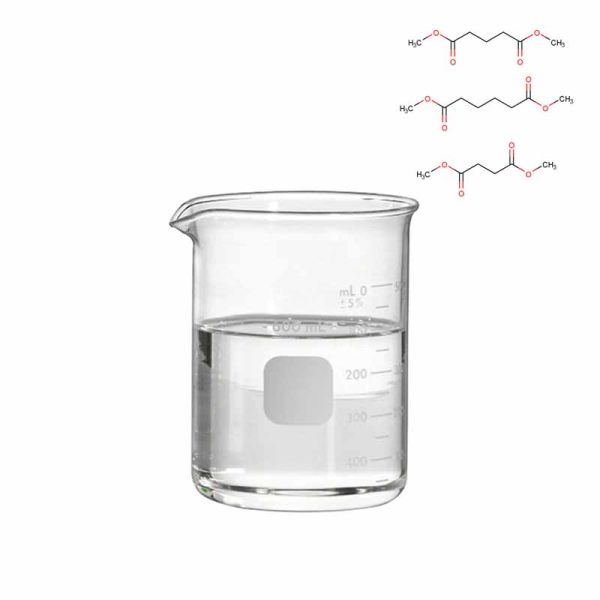
DBE DIBASIC ESTER CAS#95481-62-2
DBE DIBASIC ESTER<br/><br/>DBE dibasic ester is a clear, colorless solvent blend containing dimethyl succinate, dimethyl glutarate and dimethyl adipate. Its relatively high boiling range and slow evaporation provide working time for coating flow and leveling. Typical applications include compatible resin and binder systems in paints, printing inks and adhesives, together with formulated industrial cleaners for oils, grease and resin residues.
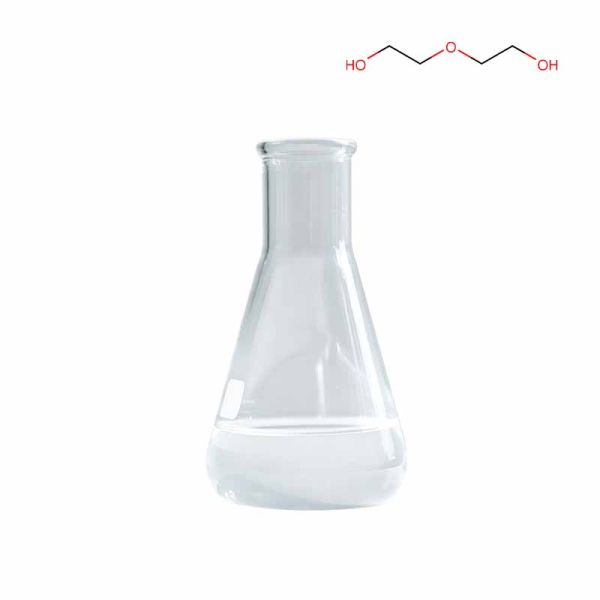
Diethylene glycol CAS#111-46-6
Diethylene glycol<br/>DEG<br/>c; l; e; a; r; ,; ; n; o; n; -; v; o; l; a; t; i; l; e; ,; ; n; o; n; -; c; o; r; r; o; s; i; v; e; ; o; i; l; y; ; l; i; q; u; i; d<br/><br/>Diethylene glycol, or DEG, is a clear, oily, hygroscopic liquid with low volatility and broad solvent compatibility. It dissolves dyes, resins, oils and nitrocellulose, supporting textile conditioning, printing inks and wood stains. Its moisture affinity also suits paper and adhesive softening, while industrial applications include lubricants and natural gas dehydration systems used alongside monoethanolamine.
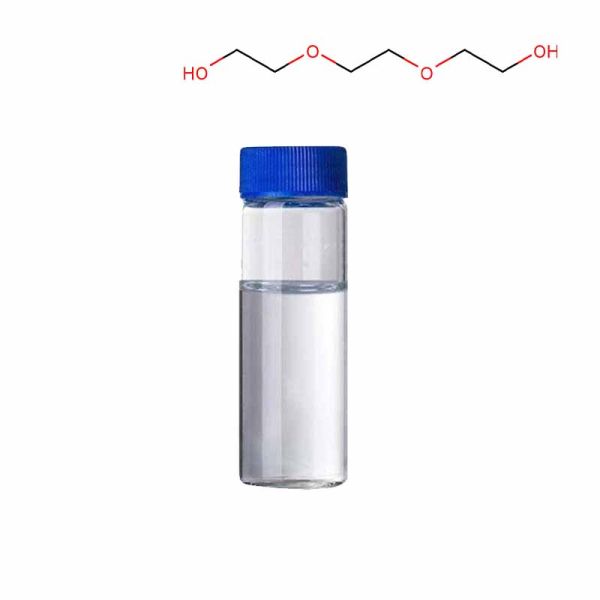
Triethylene glycol CAS#112-27-6
Triethylene glycol<br/>TEG<br/>c; l; e; a; r; ,; ; v; i; s; c; o; u; s; ,; ; s; l; i; g; h; t; l; y; ; s; w; e; e; t; ; l; i; q; u; i; d<br/><br/>Triethylene glycol, commonly called TEG, is a clear, viscous liquid distinguished by strong moisture absorption, low volatility and a high boiling character. It dissolves in water but is immiscible with hydrocarbons. Used principally as a liquid desiccant in natural gas processing and air dehumidification, it also serves in printing inks, wood stains, plasticizers and hydraulic fluid formulations.
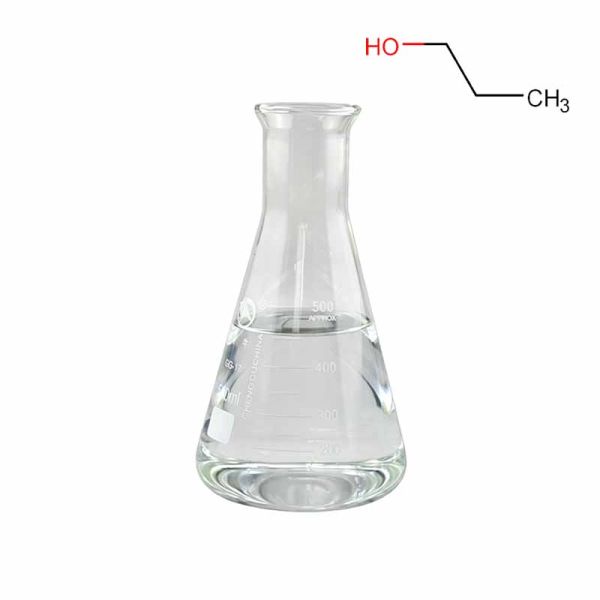
1-Propano1 CAS#71-23-8
1-Propano1<br/>n-propyl alcohol<br/><br/>1-Propanol, or n-propyl alcohol, is a colorless, transparent liquid with a characteristic odor and alcohol-type chemical reactivity. Its hydroxyl functionality supports the preparation of esters, amines and other derivatives. Used as a solvent in printing inks, coatings, cellulose ester systems and agricultural formulations, it also serves as a feedstock in glycol ether manufacture.
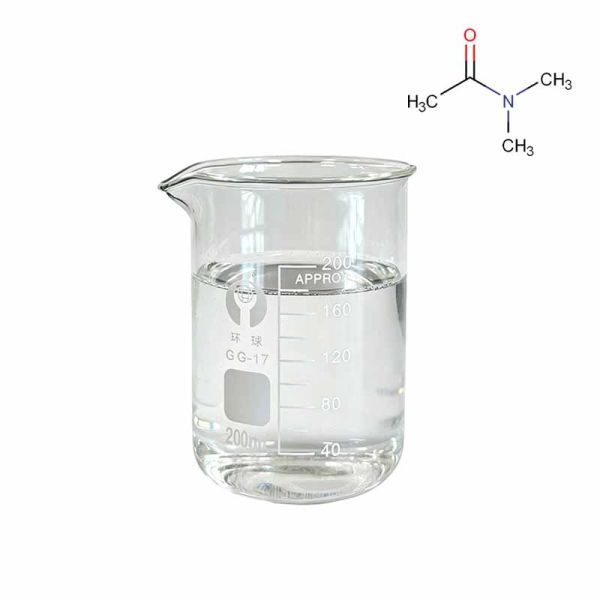
Dimethylacetamide CAS#127-19-5
Dimethylacetamide<br/>N,N-dimethylacetamide<br/>DMAC<br/>c; l; e; a; r; ,; ; c; o; l; o; r; l; e; s; s; ; l; i; q; u; i; d; ; w; i; t; h; ; a; ; m; i; l; d; ; a; m; i; d; e; -; l; i; k; e; ; o; d; o; r<br/><br/>Dimethylacetamide, also called N,N-dimethylacetamide or DMAC, is a clear, colorless polar aprotic solvent with a mild amide-like odor. Its strong solvating capability and relatively high boiling character support use as a solvent in industrial chemical processing and research. The supplied description emphasizes solvent functionality and stability rather than identifying specific polymer systems or downstream end products.
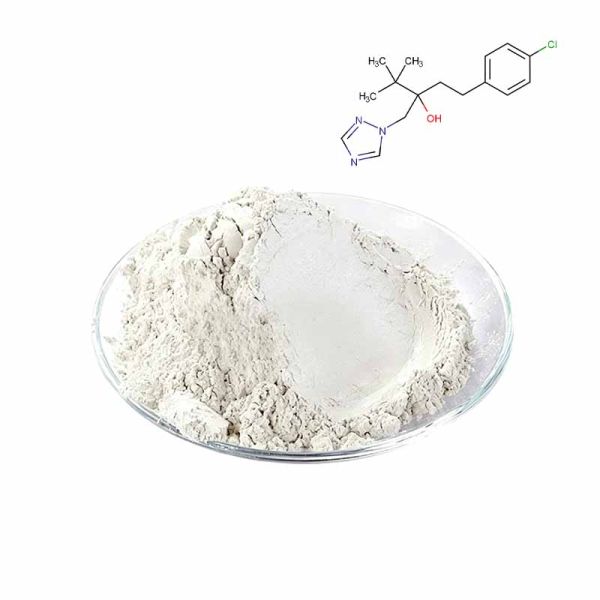
Tebuconazole CAS#107534-96-3
Tebuconazole<br/><br/>Tebuconazole is a triazole fungicide with systemic movement following plant absorption. It is used in seed treatment and foliar formulations for cereals, grapes, peanuts, vegetables, bananas and sugarcane. Typical crop protection applications address rusts, powdery mildew, smut, bunt and leaf blotches, with the choice of application method depending on the crop and targeted fungal disease.
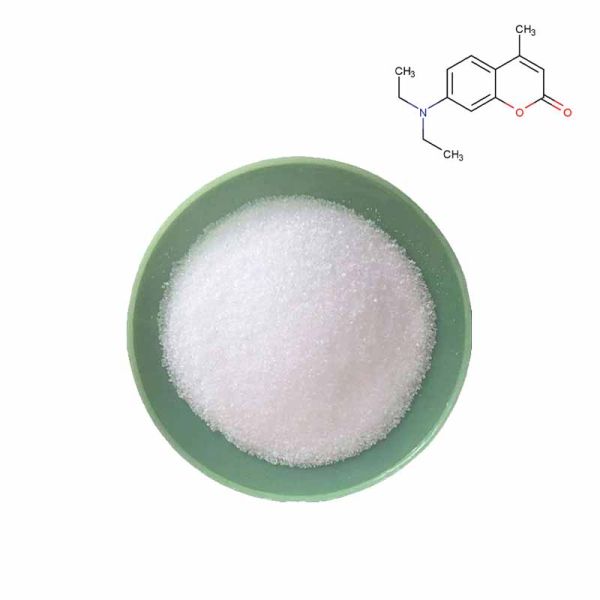
7-Diethylamino-4-methylcoumarin CAS#91-44-1
7-Diethylamino-4-methylcoumarin<br/>b; r; i; g; h; t; ; y; e; l; l; o; w<br/><br/>7-Diethylamino-4-methylcoumarin is a bright yellow organic fluorophore with good solubility in organic solvents. Its characteristic absorption and emission behavior supports fluorescent brightening in textiles and paper, where it is used to modify perceived whiteness and luminosity. The same photophysical properties make it relevant to fluorescence-based analytical research and investigations of light-responsive organic compounds.
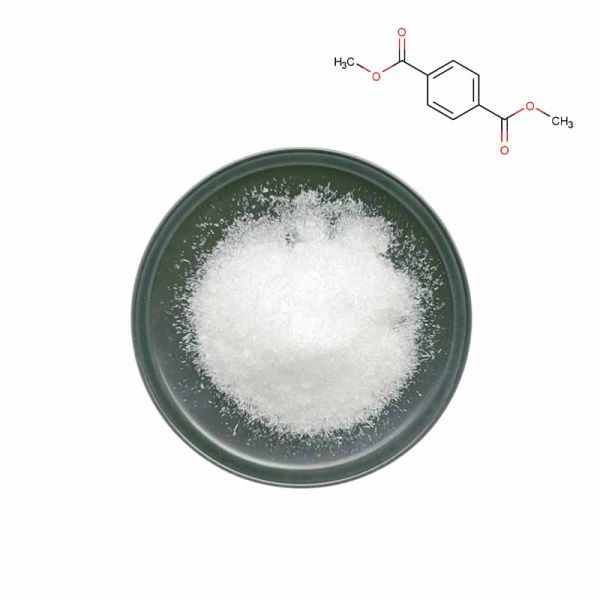
Dimethyl terephthalate CAS#120-61-6
Dimethyl terephthalate<br/>c; o; m; b; u; s; t; i; b; l; e; ; s; o; l; i; d<br/><br/>Dimethyl terephthalate, commonly abbreviated DMT, is a solid intermediate used in polyester chemistry. Its thermal processing characteristics and chemical reactivity support the manufacture of polyethylene terephthalate for fibers, films and bottles. Other applications include dioctyl terephthalate, polyester adhesives and engineering plastics, while chemical recycling processes can recover it as a monomer from polyester waste.
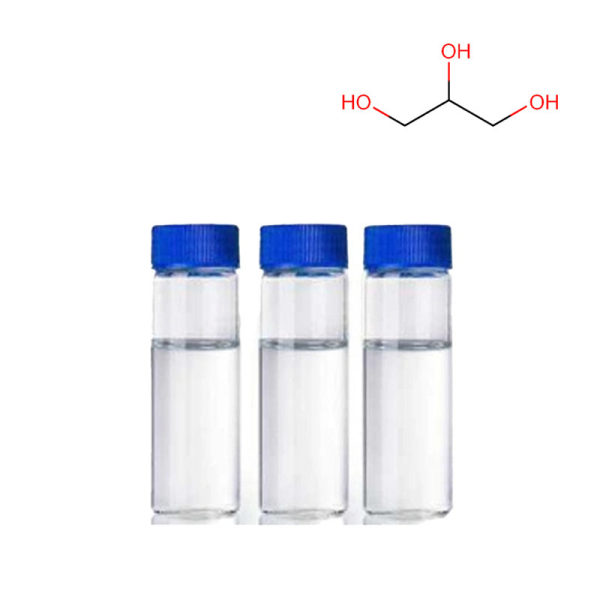
Glycerol CAS#56-81-5
Glycerol<br/>glycerin<br/>glycerine<br/>c; o; l; o; r; l; e; s; s; ,; ; v; i; s; c; o; u; s; ,; ; h; y; g; r; o; s; c; o; p; i; c<br/><br/>Glycerol, also known commercially as glycerin or glycerine, is a colorless, viscous, hygroscopic trihydric alcohol. Its moisture-retaining character and liquid consistency support cosmetic, ink and antifreeze formulations. Reactive alcohol functionality also makes it a feedstock for glycerol esters, surfactants, alkyd resins, ester gums and flavor-related chemicals, linking direct formulation use with broader chemical manufacture.
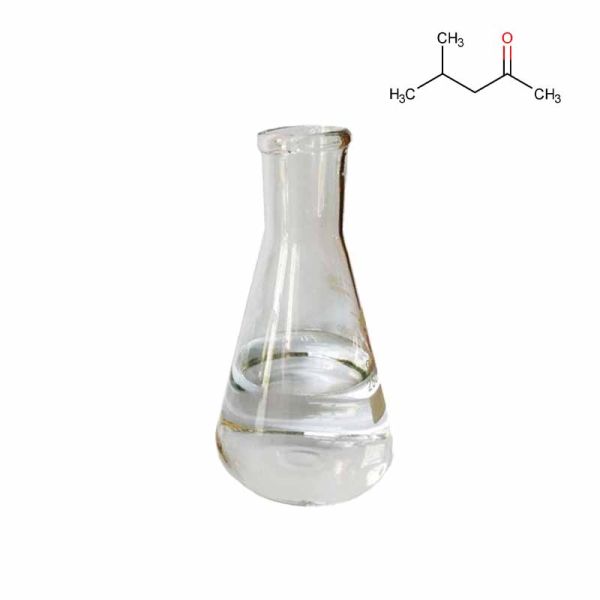
4-Methyl-2-pentanone CAS#108-10-1
4-Methyl-2-pentanone<br/>methyl isobutyl ketone<br/><br/>4-Methyl-2-pentanone, also known as methyl isobutyl ketone, is used as an organic solvent and synthesis reagent. Its solvency supports nitrocellulose, lacquer and selected polymer and resin systems. The supplied material also identifies applications in chemical and pharmaceutical processing, scientific extraction and separation work, and organic reactions in which the ketone serves as a reactant.
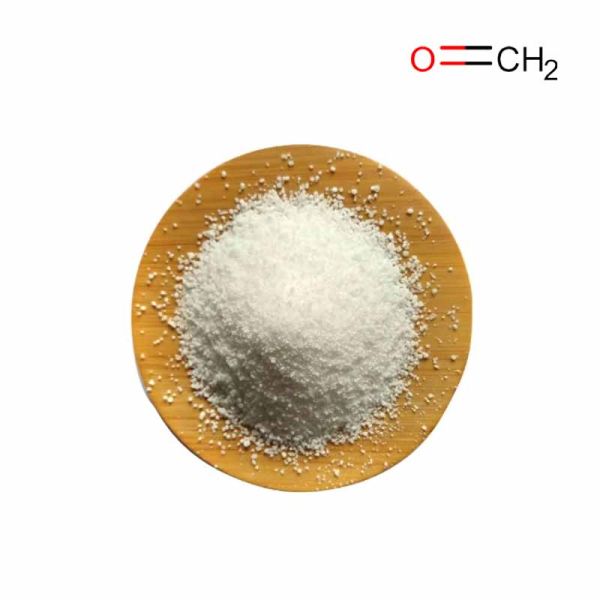
Paraformaldehyde CAS#30525-89-4
Paraformaldehyde<br/>polyoxymethylene (POM)<br/>w; h; i; t; e; ; p; o; w; d; e; r; ,; ; g; r; a; n; u; l; e; s; ,; ; o; r; ; p; r; i; l; l; s<br/><br/>Paraformaldehyde is a low-degree formaldehyde polymer supplied as white powder, granules or prills. Under suitable heating and reaction conditions, it depolymerizes and provides formaldehyde for chemical manufacture. It is used in phenolic, urea-formaldehyde and melamine-formaldehyde resins, adhesives and other synthesis processes. This solid chemical feedstock is distinct from high-molecular-weight polyoxymethylene engineering plastics.
Send Us Your Inquiry Today