






Navigation
Send Us A Message
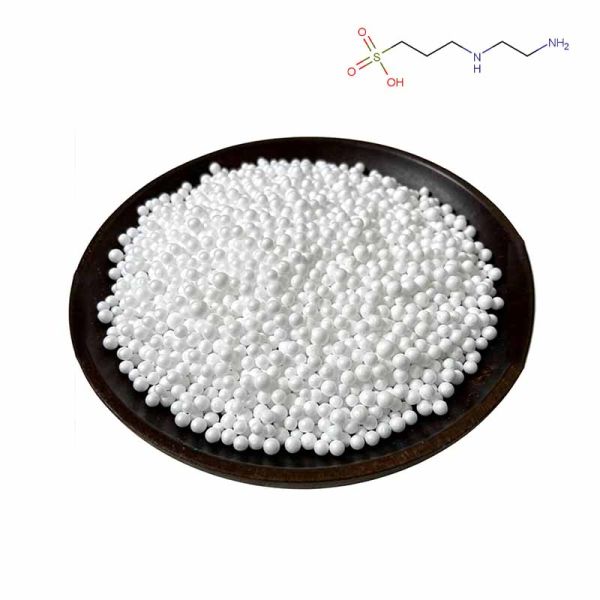
3-[(2-AMINOETHYL)AMINO]PROPANESULFONIC ACID CAS#14235-54-2
3-[(2-AMINOETHYL)AMINO]PROPANESULFONIC ACID<br/>C₅H₁₄N₂O₃S<br/>colorless, transparent, pearl-shaped granules; white solid<br/><br/>3-[(2-Aminoethyl)amino]propanesulfonic acid is an amino sulfonic acid containing primary and secondary amino groups together with a sulfonic acid group. Its ionic form varies with pH, supporting acid–base interactions and selected chemical modifications. The material is used as a functional reagent or building block in chemical research, although the supplied source application text describes expandable polystyrene instead of this compound.
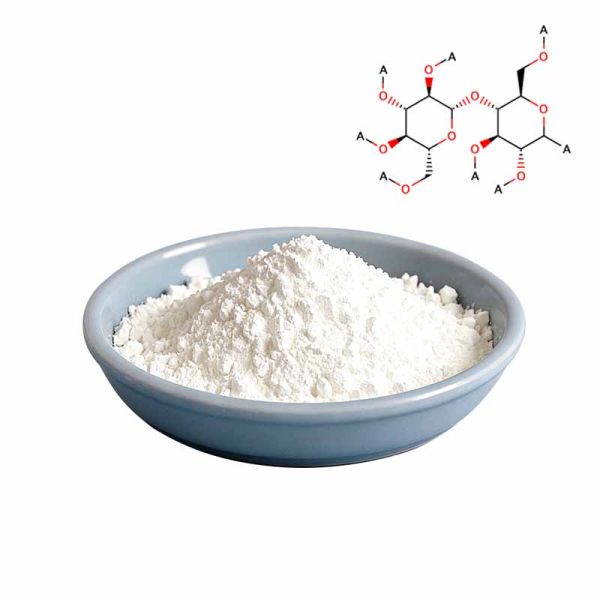
Hydroxypropyl Methyl Cellulose CAS#9004-65-3
Hydroxypropyl Methyl Cellulose<br/>white to off-white powder or granules<br/><br/>Hydroxypropyl methylcellulose is a white to off-white cellulose ether powder or granule soluble in cold water and various organic solvents. It functions as a dispersant, thickener, adhesive, binder, excipient, capsule material, coating aid, and filler. Applications span construction, pharmaceuticals, food, cosmetics, petrochemicals, paper, leather, textile sizing, detergents, and ceramic shaping.
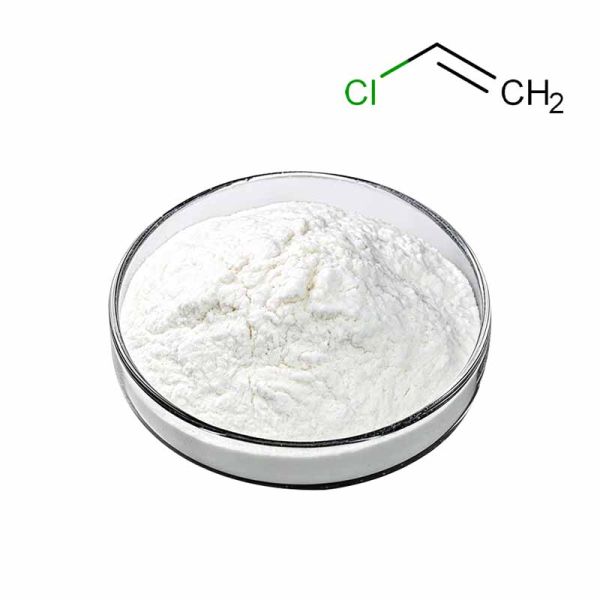
Polyvinyl Chloride Paste Resin CAS#9002-86-2
Polyvinyl Chloride Paste Resin<br/>white-light yellow powder<br/><br/>Polyvinyl chloride paste resin is a fine PVC powder that disperses in plasticizers to form a smooth, stable paste. The resulting processing behavior supports controlled viscosity and surface finish. It is used in flexible and rigid PVC products including coatings, films, wires, cables, artificial leather, foam insulation, seals, construction materials, chemical equipment, agriculture products, and molded consumer goods.
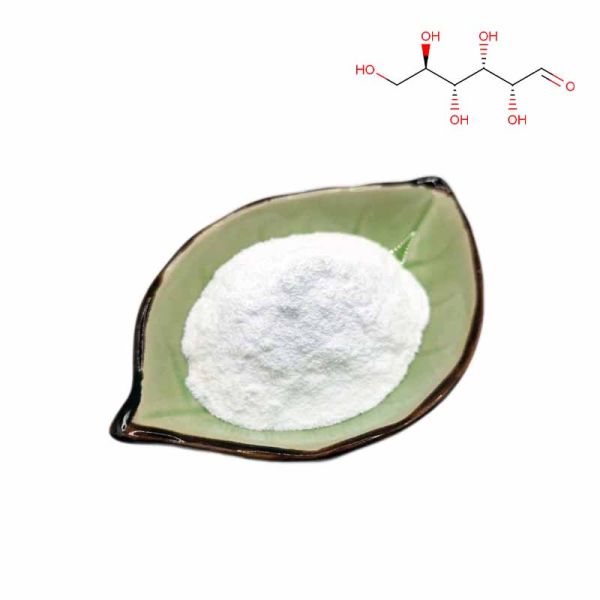
D(+)-Glucose CAS#50-99-7
D(+)-Glucose<br/>dextrorotatory glucose<br/><br/>D(+)-Glucose, also called dextrose, is the biologically active stereoisomer of glucose and occurs in open-chain and cyclic forms. It is produced commercially by enzymatic starch hydrolysis from sources such as corn, potatoes, wheat, sugarcane, and sugar beet. Applications include food and pharmaceutical formulations, glucose syrups and powders, nutrient replacement products, and biochemical research on energy metabolism.
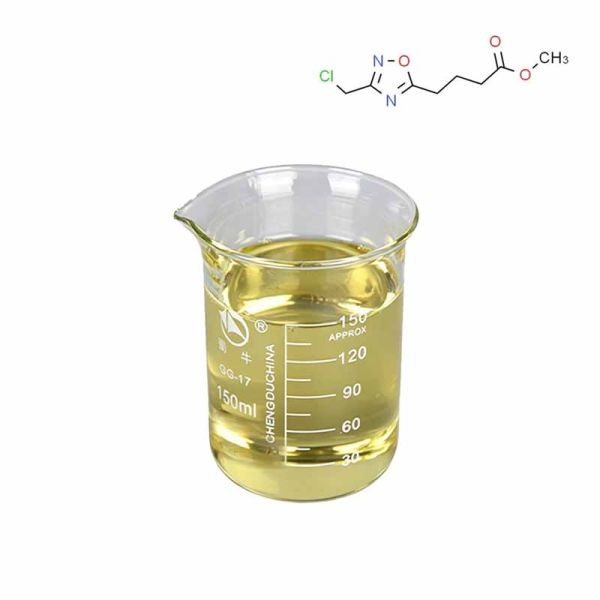
Fatty Acids, Soya CAS#68308-53-2
Fatty Acids, Soya<br/>light yellow, transparent, oil-like liquid<br/><br/>Soybean fatty acids are a mixed fatty-acid product derived from soybean oil, appearing as a light-yellow oil-like liquid that may partly solidify at low temperature. It contains predominantly unsaturated fatty acids alongside smaller saturated fractions. Uses include margarine, shortening, cocoa-butter substitutes, soaps, detergents, esters, paints, inks, pharmaceutical intermediates, surfactants, lubricants, plasticizers, supplements, and biodiesel.
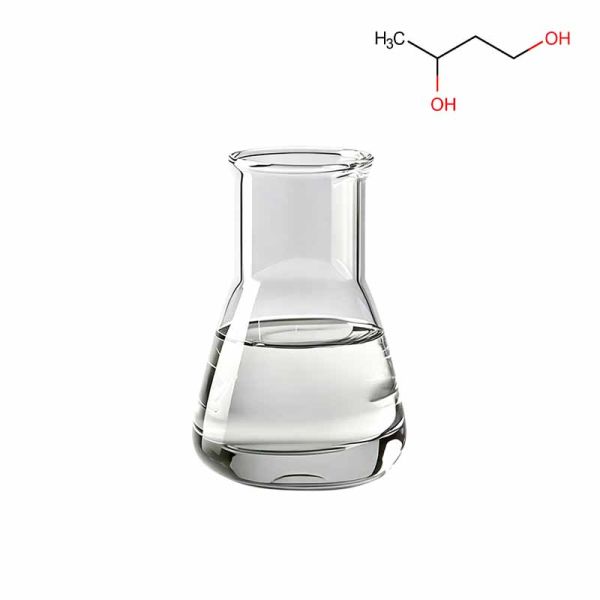
1,3-Butanediol CAS#107-88-0
1,3-Butanediol<br/><br/>1,3-Butanediol is a secondary alcohol used as a solvent, humectant, and chemical intermediate. It participates in surfactant, ink, flavoring-solvent, polyurethane, polyester, and plasticizer production, and helps retain moisture in cosmetic products such as hair sprays and setting lotions. It is also used in saturated polyester coatings, structural materials, custom moldings, construction sheets, and selected pharmaceutical synthesis.
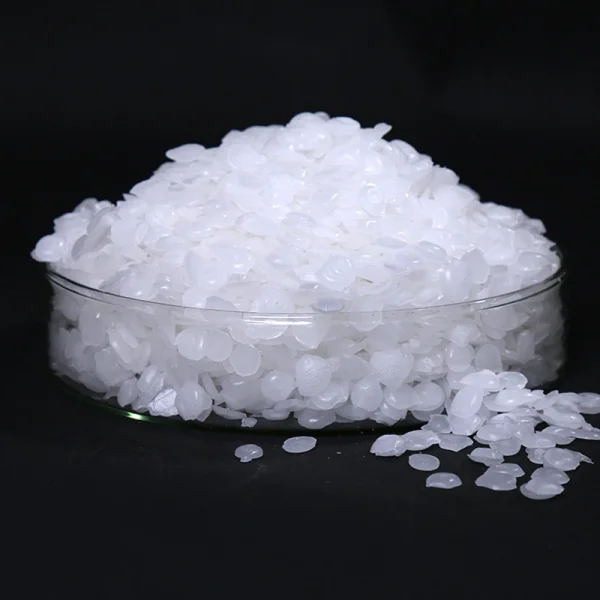
Paraffin Wax CAS#8002-74-2
Paraffin Wax<br/>white to light yellow translucent solid; liquid paraffin; solid paraffin; microcrystalline paraffin<br/><br/>Paraffin wax is a petroleum-derived blend of straight-chain saturated hydrocarbons, usually supplied as a white to light-yellow translucent solid. Its stable, neutral character and thermal-storage behavior support paper sizing, waterproof and oil-resistant coatings, rubber release and antioxidant systems, textile finishing and batik, casting, plastics, electronics, packaging, construction thermal storage, agriculture, and specialty camouflage materials.
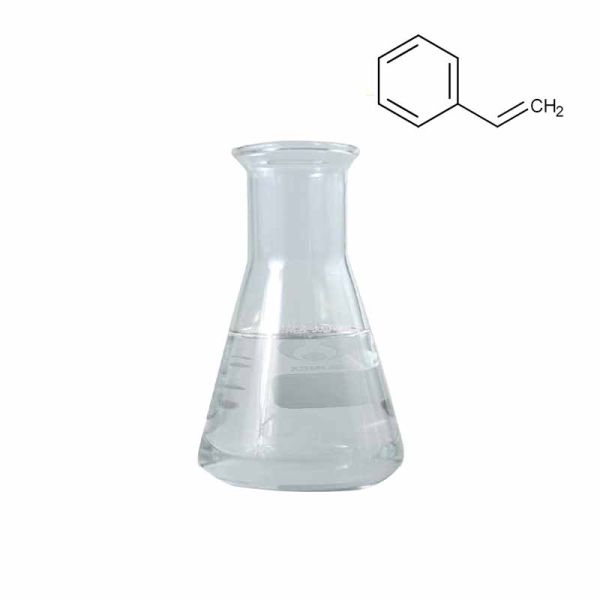
Styrene CAS#100-42-5
Styrene<br/>C8H8<br/>clear, colorless liquid<br/><br/>Styrene is a clear, colorless vinyl aromatic liquid and an essential monomer for synthetic materials. Its benzene-ring and vinyl-group structure supports polymerization into styrene-based materials. It is used for synthetic rubber, polystyrene, ABS, SAN, thermoplastic elastomers, adhesives, coatings, styrene-acrylic emulsions, polymer modifiers, dye and pesticide intermediates, fragrances, and metal-plating additives.
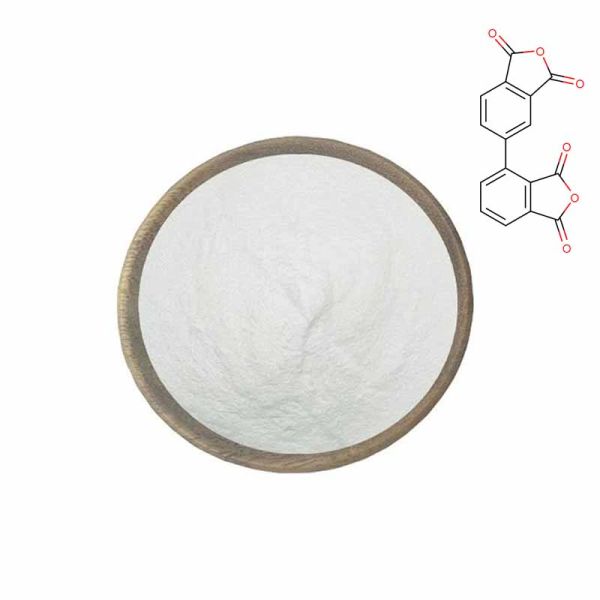
2,3,3,4-biphenyl tetracarboxylic dianhydride CAS#36978-41-3
2,3,3,4-biphenyl tetracarboxylic dianhydride<br/><br/>2,3,3,4-Biphenyl tetracarboxylic dianhydride, or a-BPDA, is a high-performance dianhydride used to prepare asymmetric biphenyl polyimides. The resulting materials offer heat, solvent, radiation, mechanical, and dielectric resistance. Applications include high-temperature films and advanced polymer research, including studies of glass-transition behavior, chain conformation, dielectric performance, and long-lived luminescent diimide derivatives.
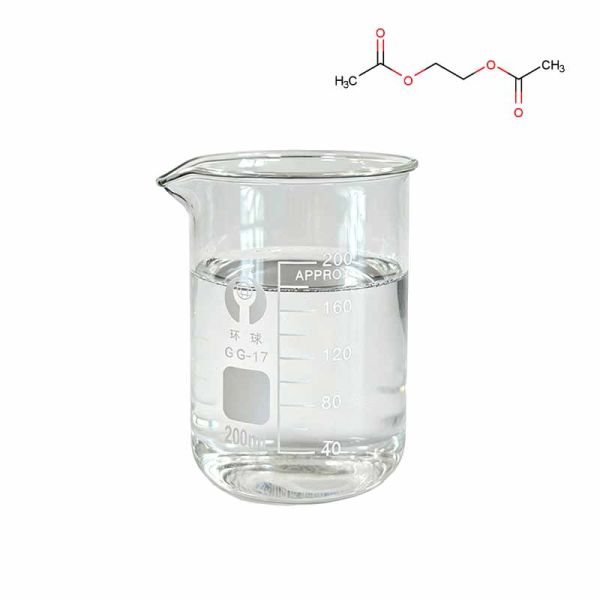
Ethylene Glycol Diacetate CAS#111-55-7
Ethylene Glycol Diacetate<br/>clear, colorless liquid; slightly yellow liquid<br/><br/>Ethylene glycol diacetate is a clear, usually colorless ester liquid with typical acetate reactivity. It can undergo hydrolysis or alcoholysis and serve as an acetate donor in synthesis. As a solvent, it is used for oils, cellulose esters, coatings, varnishes, enamels, screen-printing inks, waterborne adhesives, and fragrance systems, and as a precursor in specialized enzymatic polymer and lactone chemistry.
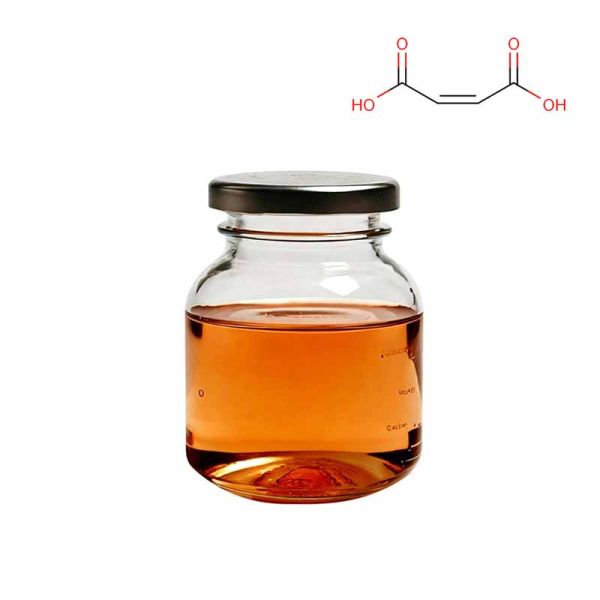
Polymaleic Acid CAS#26099-09-2
Polymaleic Acid<br/><br/>Polymaleic acid is a maleic-acid homopolymer that remains effective in the presence of chlorine and other oxidizing biocides. It provides high-temperature calcium-carbonate scale inhibition and can inhibit corrosion with zinc salts. Applications include desalination and cooling-water treatment, oil-well acidizing, concrete additives, papermaking strength and retention systems, textile printing and dyeing auxiliaries, and polymer modifiers for hydrophilic or antifouling performance.
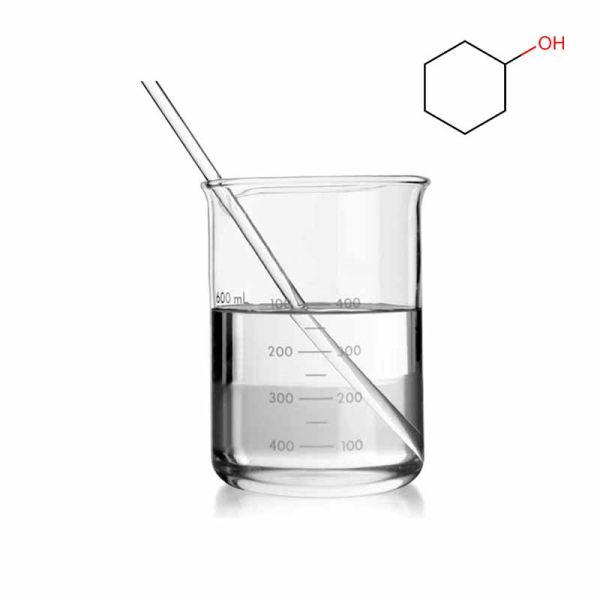
Cyclohexanol CAS#108-93-0
Cyclohexanol<br/>c; l; e; a; r; ,; ; c; o; l; o; r; l; e; s; s; ; t; o; ; l; i; g; h; t; ; y; e; l; l; o; w; ,; ; v; i; s; c; o; u; s; ,; ; h; y; g; r; o; s; c; o; p; i; c; ; l; i; q; u; i; d<br/><br/>Cyclohexanol is a hygroscopic, viscous liquid ranging from colorless to pale yellow, with a characteristic camphor-like odor. Its solvent action extends to cellulose ethers, shellac, ester gum, silicones and polyvinyl chloride, while compatibility with oils and hydrocarbon solvents supports industrial formulations. It also serves as a feedstock for cyclohexanone, adipic acid and nylon-related chemical production.
Send Us Your Inquiry Today