






Navigation
Send Us A Message
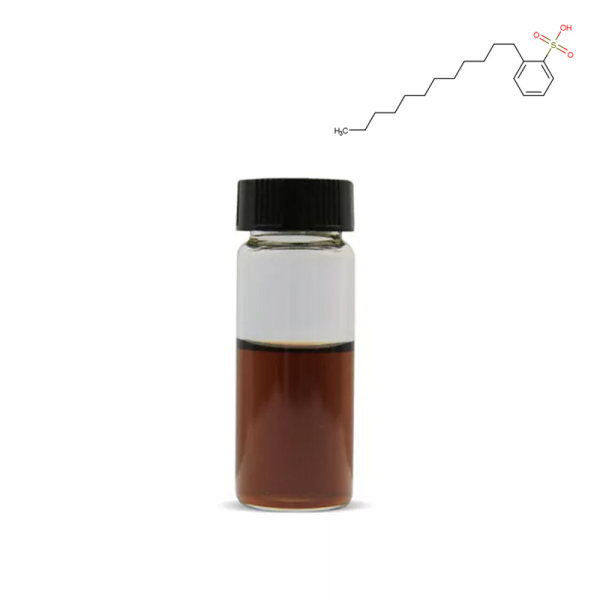
Dodecylbenzenesulphonic acid CAS#27176-87-0
Dodecylbenzenesulphonic acid<br/>LABSA<br/>DBSA<br/>brown-yellow viscous oily liquid<br/><br/>Dodecylbenzenesulphonic acid, commonly called LABSA or DBSA, is a brown-yellow viscous liquid anionic sulfonic acid surfactant. It dissolves in water and organic solvents and provides wetting, detergency, emulsifying, and strong acidic performance. Neutralization produces anionic detergent raw materials used in laundry liquids and powders, dishwashing products, industrial cleaners, textile degreasing, oilfield auxiliaries, coatings, and dispersants.
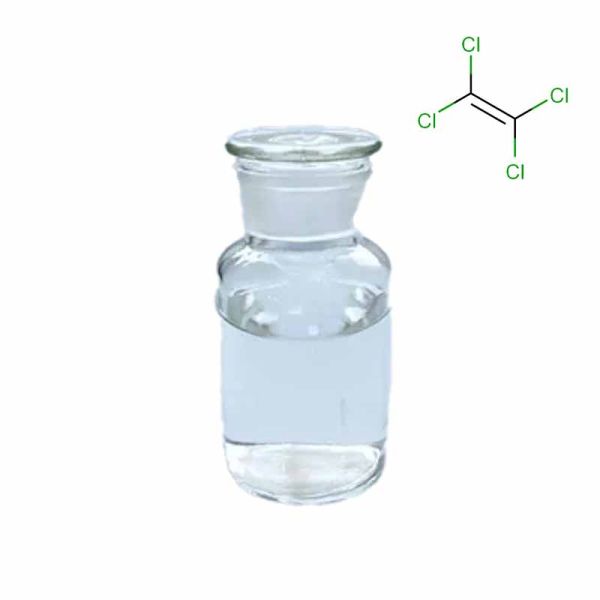
Tetrachloroethylene CAS#127-18-4
Tetrachloroethylene<br/>perchloroethylene<br/>tetrachloroethene<br/>PCE<br/>PER<br/>PERC<br/>Cl₂C=CCl₂<br/>colorless, volatile liquid; nonflammable<br/><br/>Tetrachloroethylene, also called perchloroethylene, tetrachloroethene, PCE, or PERC, is a colorless volatile nonflammable chlorinated liquid. Its solvent properties support dry-cleaning and textile processing, while its degreasing performance suits metal-part cleaning. It has also been used as a cooling and insulating liquid in electrical transformers and in other controlled industrial solvent operations.
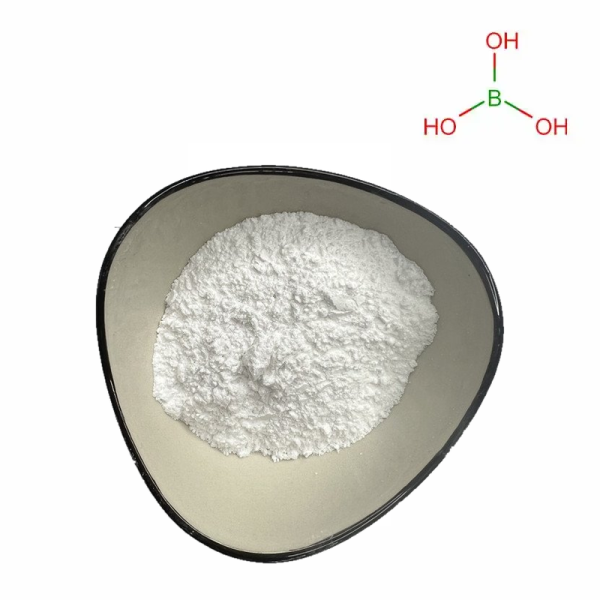
Orthoboric acid CAS#10043-35-3
Orthoboric acid<br/>boric acid<br/>white, shiny powdery or flaky crystals<br/><br/>Orthoboric acid, commonly known as boric acid, is a white crystalline inorganic compound with weak Lewis-acid behavior. It dissolves in water, ethanol, glycerin, ethers, and essential oils, with water solubility increasing on heating, and dehydrates progressively to other boron oxides. It is used in molecular biology buffers and nucleic-acid purification, plant-science studies, and biochemical research.
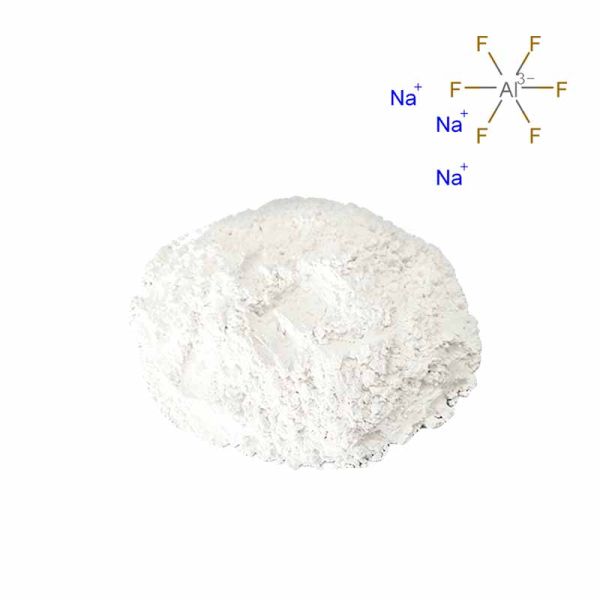
Cryolite CAS#15096-52-3
Cryolite<br/>sodium hexafluoroaluminate<br/>white crystalline powder<br/><br/>Cryolite, or sodium hexafluoroaluminate, is a white crystalline powder used as an industrial flux. In aluminum smelting it lowers the melting temperature of feed materials and improves electrolytic processing efficiency. It is also used in ceramic glazes, glass manufacture, insecticide production, and welding auxiliaries, where its controlled fluxing behavior supports melting, surface formation, or metal-processing operations.
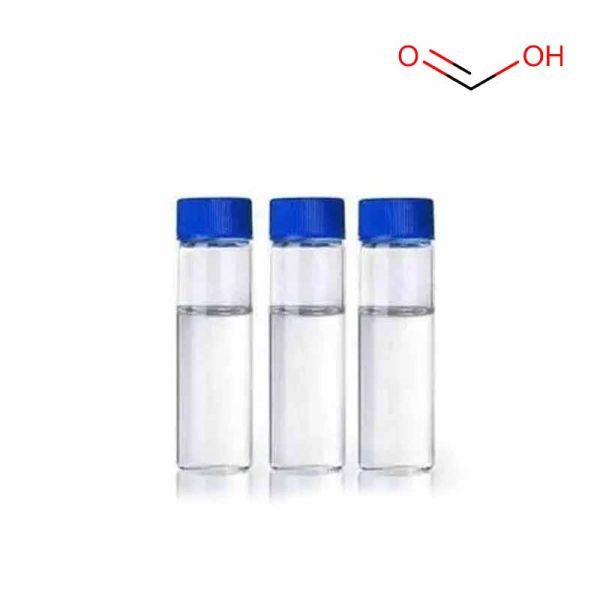
Formic acid CAS#64-18-6
Formic acid<br/>colorless liquid<br/><br/>Formic acid is a colorless, pungent, hygroscopic liquid with strong reactivity and corrosive character. It serves as an organic acid and chemical intermediate in organic synthesis, and is used in feed and food additives, flavoring manufacture, paper processing, and laboratory solvents. Analytical applications include reference materials, impurity testing, and gas-chromatography calibration.
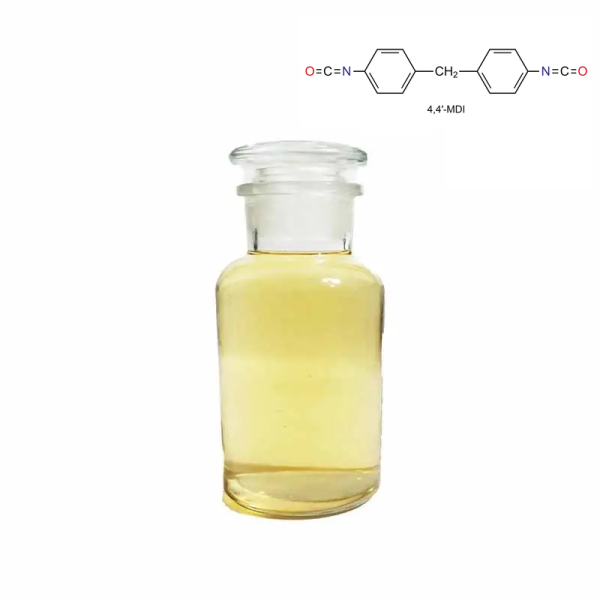
Polymeric MDI CAS#9016-87-9
Polymeric MDI<br/>Polymethylene polyphenyl polyisocyanate<br/>PAPI<br/>PMDI<br/>dark brown to yellow oily liquid<br/><br/>Polymeric MDI, also known as polymethylene polyphenyl polyisocyanate or PAPI, is a dark-brown to yellow oily liquid containing diphenylmethane diisocyanate and higher homologues. Its isocyanate functionality makes it an important raw material for polyurethane production. It is used in construction insulation, automotive components, electrical materials, mattresses, and related polyurethane products.
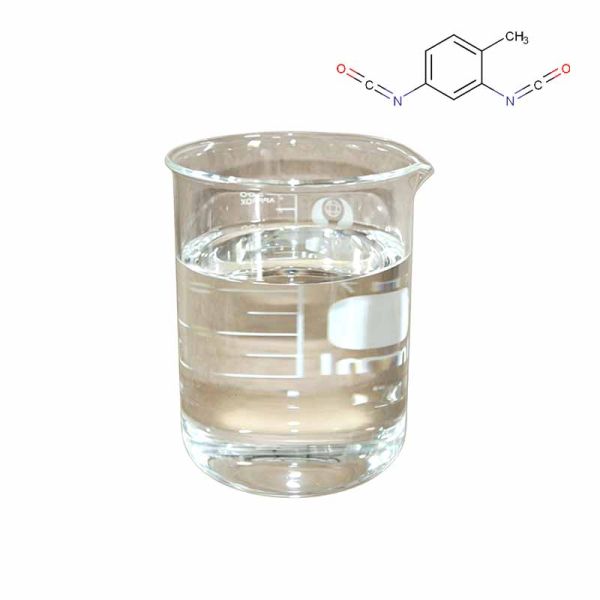
Toluene Diisocyanate CAS#26471-62-5
Toluene Diisocyanate<br/>clear, pale yellow liquid<br/><br/>Toluene diisocyanate is a pungent pale-yellow liquid composed of two isomers and soluble in common organic solvents. It reacts with hydroxyl groups to form urethane bonds, making it a core polyurethane raw material. Applications include flexible foams for furniture, bedding, and vehicle seating; elastomers and coatings; rigid insulation foams; moisture-curable sealants; and floor coatings.
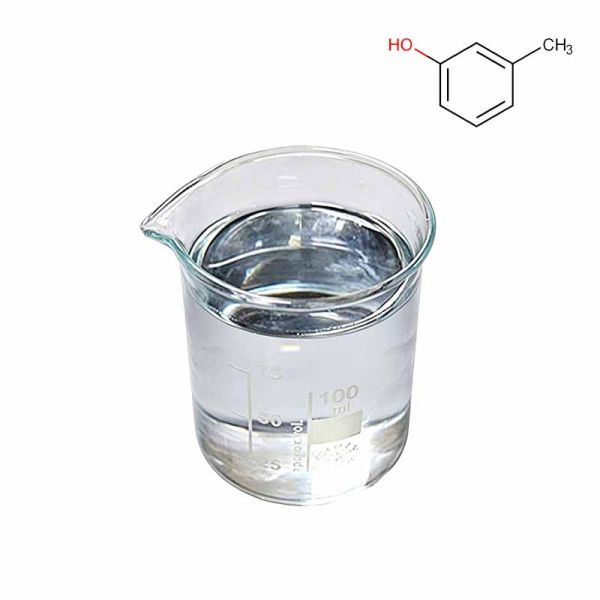
m-Cresol CAS#108-39-4
m-Cresol<br/>m-methylphenol<br/>colorless or pale yellow liquid<br/><br/>m-Cresol, or m-methylphenol, is a colorless to pale-yellow flammable liquid with a phenolic odor. It is slightly soluble in water and dissolves in ethanol, ether, alkaline solutions, and other organic solvents. As a reactive fine-chemical intermediate, it is used in pesticides, pharmaceuticals, antioxidants, fragrances, dyes, fungicides, antifungal agents, resins, plasticizers, and analytical materials.
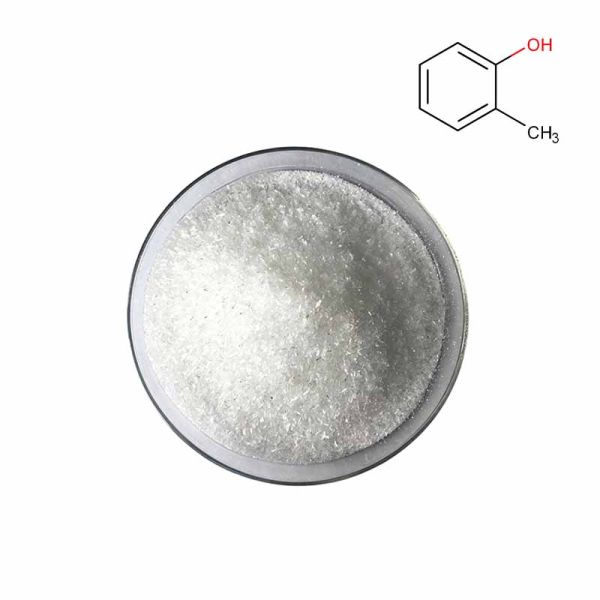
o-Cresol CAS#95-48-7
o-Cresol<br/>colorless liquid or crystal<br/><br/>o-Cresol is a colorless liquid or crystal with a phenolic odor, slightly soluble in water and miscible with alcohols, ethers, and chloroform. Its solubility in alkaline solution and chemical reactivity support diverse synthesis. It is used for herbicide and pharmaceutical intermediates, disinfectants, resins, plasticizers, fragrances, dyes, food flavorings, and analytical testing of nitrates and arsenic.
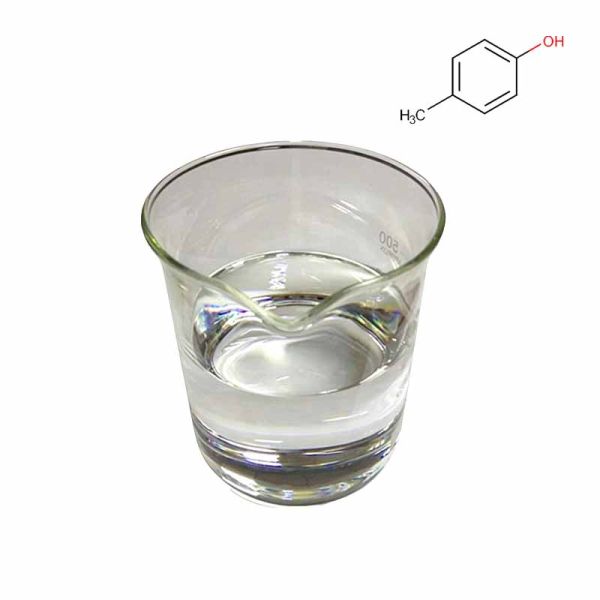
p-Cresol CAS#106-44-5
p-Cresol<br/>colorless to pink crystal<br/><br/>p-Cresol is a colorless to pink crystalline phenolic compound with a smoky, herbal odor. It dissolves readily in caustic alkalis and common organic solvents and is partly soluble in water. It serves as a core intermediate for antioxidants, pharmaceuticals, agrochemicals, phenolic resins, plasticizers, dyes, disinfectants, and related fine-chemical products, while also supporting specialty fragrance and flavor research.
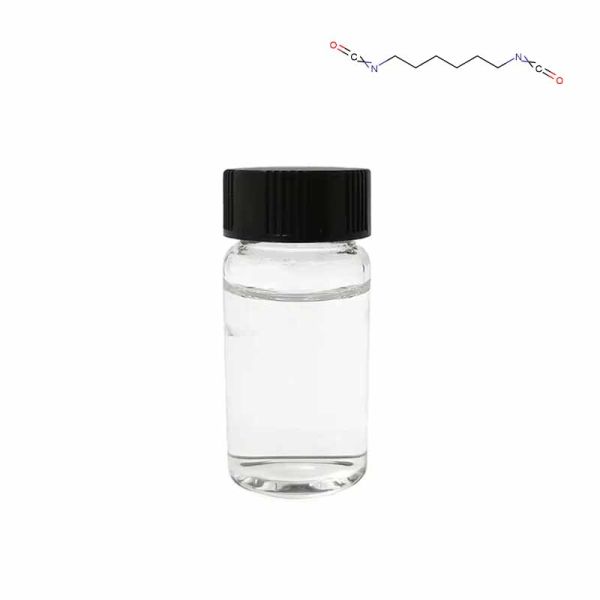
Hexamethylene Diisocyanate CAS#822-06-0
Hexamethylene Diisocyanate<br/>colorless to slightly yellow liquid<br/><br/>Hexamethylene diisocyanate is a colorless to slightly yellow liquid with a pungent odor, low water solubility, and slow reaction with water. Its broad liquid operating range and reactive isocyanate groups make it useful as an organic-synthesis building block. Applications include polymer and coating research, carbonyl and isocyanate chemistry, fine chemicals, monomers, material intermediates, and laboratory reagents.
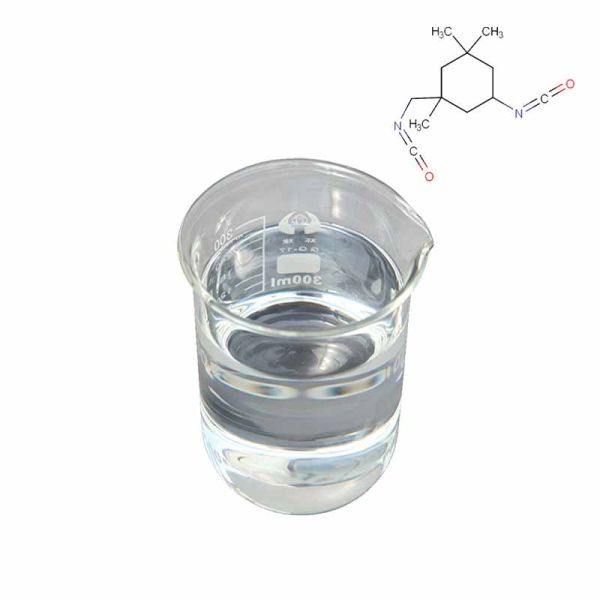
Isophorone Diisocyanate CAS#4098-71-9
Isophorone Diisocyanate<br/>clear to pale-yellow liquid<br/><br/>Isophorone diisocyanate is a clear to pale-yellow liquid with a camphor-like odor. It is insoluble in water but miscible with most common organic solvents and exists in cis and trans conformational forms. These characteristics support controlled use in polymer and coating formulations, especially polyurethane research and production requiring a moisture-sensitive, solvent-compatible diisocyanate intermediate.
Send Us Your Inquiry Today