






Navigation
Send Us A Message
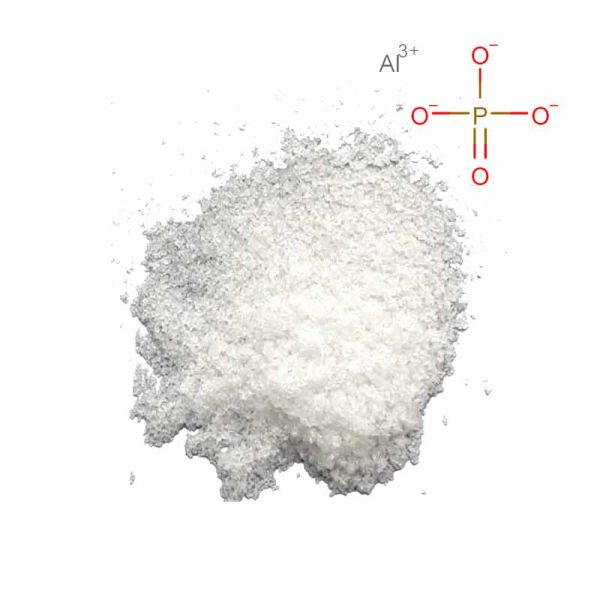
Aluminium phosphate CAS#7784-30-7
Aluminium phosphate<br/>w; h; i; t; e; ,; ; o; d; o; r; l; e; s; s; ; c; r; y; s; t; a; l; l; i; n; e; ; p; o; w; d; e; r<br/><br/>Aluminium phosphate is a water-insoluble inorganic material with high-temperature stability and resistance to many common solvents. It is used in ceramics, specialty glasses and cement formulations, as well as catalysts and molecular sieve materials. Additional applications include fire-resistant coatings and textile antifouling treatments, where its thermal and chemical characteristics are relevant to formulation design.
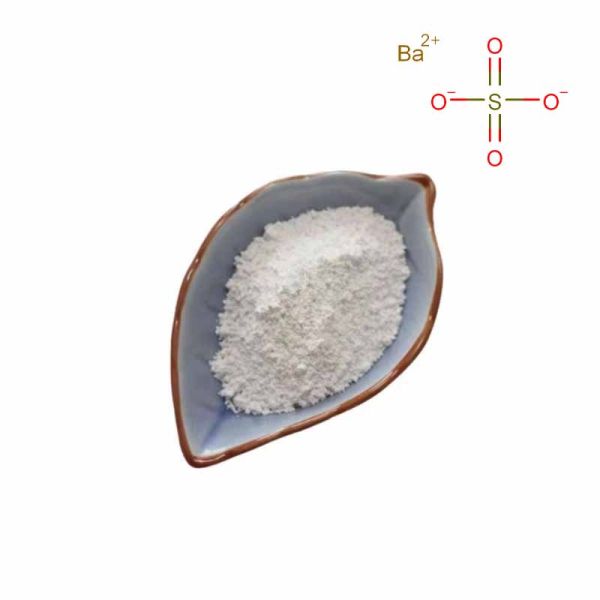
Barium sulfate CAS#7727-43-7
Barium sulfate<br/>w; h; i; t; e; -; t; o; -; y; e; l; l; o; w; i; s; h; ; s; o; l; i; d<br/><br/>Barium sulfate is a chemically stable, nearly water-insoluble solid appearing white to slightly yellowish. These characteristics support incorporation into paint, rubber and plastic formulations, where resistance to dissolution is important. The supplied material also identifies its radiographic application, although no specific particle size, surface treatment or grade is established for this particular product.
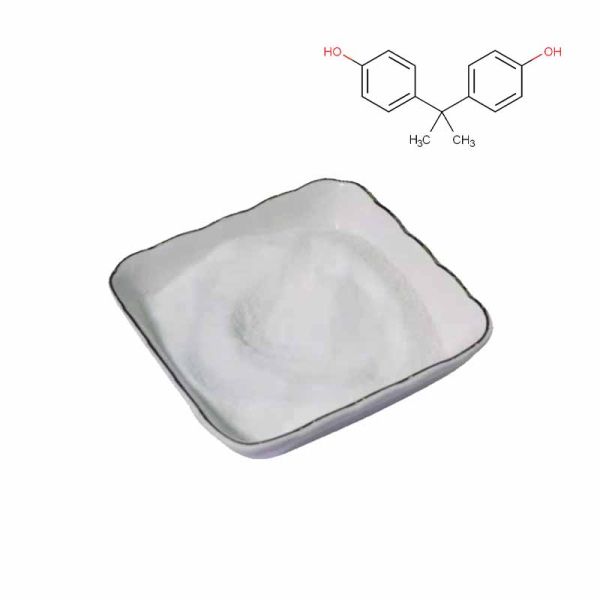
Bisphenol A CAS#80-05-7
Bisphenol A<br/>w; h; i; t; e; ; o; d; o; r; l; e; s; s; ; c; r; y; s; t; a; l; l; i; n; e; ; s; o; l; i; d<br/><br/>Bisphenol A is a white, odorless crystalline raw material with low volatility, limited water solubility and ready solubility in ethanol and acetone. Its principal applications are polycarbonate and epoxy-related resin manufacture. It is also identified as an antioxidant and as an inhibitor used to terminate vinyl chloride polymerization, extending its role beyond structural resin feedstocks.
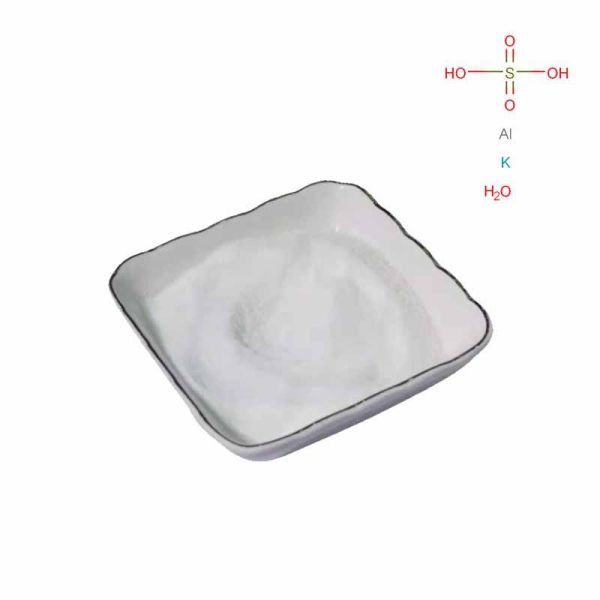
Aluminium potassium sulfate dodecahydrate CAS#7784-24-9
Aluminium potassium sulfate dodecahydrate<br/>Aluminum potassium sulfate dodecahydrate<br/>c; o; l; o; r; l; e; s; s; ; c; r; y; s; t; a; l; s; ; o; r; ; w; h; i; t; e; ; o; d; o; r; l; e; s; s; ; p; o; w; d; e; r<br/><br/>Aluminium potassium sulfate dodecahydrate is a hydrated crystalline salt appearing as colorless crystals or white powder. It dissolves readily in water but not in ethanol. Traditional photographic uses include hardening gelatin emulsions and addition to fixing baths. Combined with citric acid or other acids, it is also used in clearing baths to remove developer stains.
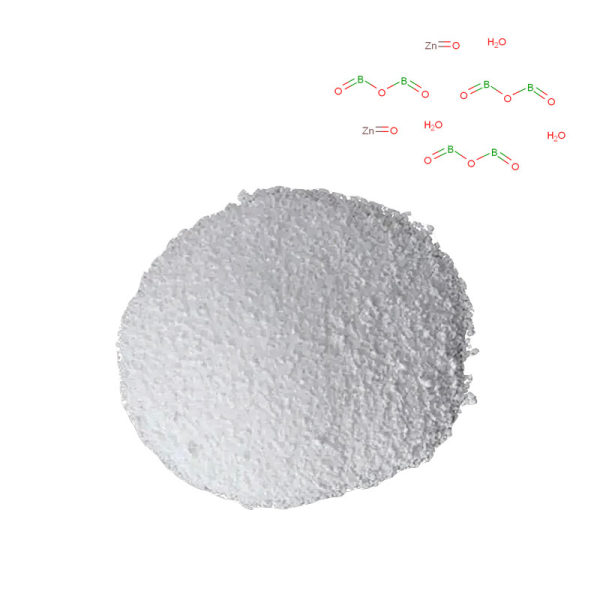
Zinc borate CAS#1332-07-6
Zinc borate<br/>w; h; i; t; e; ; n; o; n; -; f; l; a; m; m; a; b; l; e; ; a; m; o; r; p; h; o; u; s; ; p; o; w; d; e; r<br/><br/>Zinc borate is a white amorphous powder with limited water solubility and compatibility with polymer formulations. It promotes char and protective glassy layers and, in hydrated forms, releases water during heating. Applications include flame-retardant plastics, rubber, textiles, coatings and adhesives, often alongside other retardants, with additional roles in afterglow suppression and electrical tracking resistance.
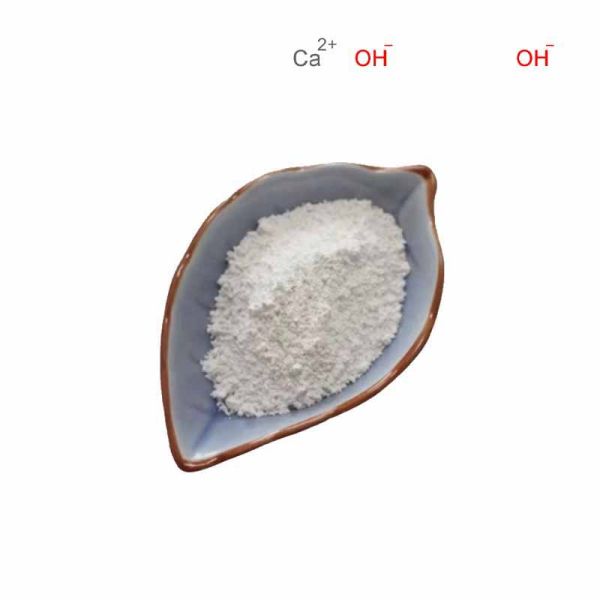
Calcium hydroxide CAS#1305-62-0
Calcium hydroxide<br/>c; o; l; o; r; l; e; s; s; ; c; r; y; s; t; a; l; ; o; r; ; w; h; i; t; e; ; p; o; w; d; e; r<br/><br/>Calcium hydroxide is a colorless crystalline material or white powder produced by slaking quicklime with water. It also occurs naturally as portlandite. Typical uses include water treatment, construction, leather processing and carbon dioxide absorption. In chemical manufacture, it serves in calcium salt and lubricant additive production, while selected formulations use it for acidity adjustment.
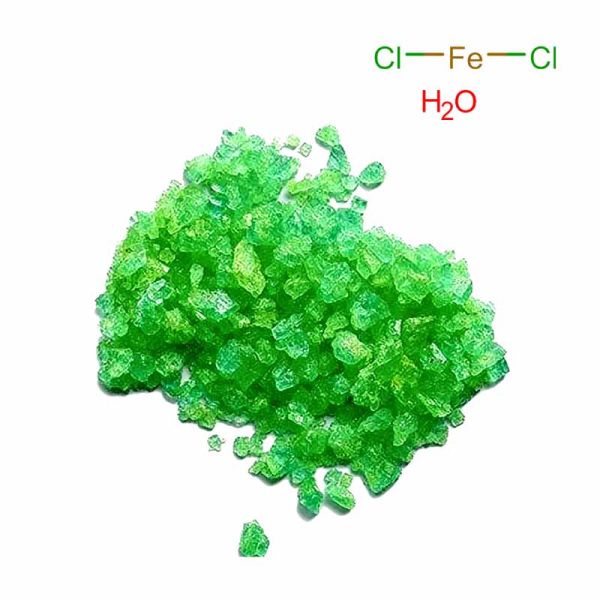
Ferrous chloride tetrahydrate CAS#13478-10-9
Ferrous chloride tetrahydrate<br/>Iron(II) chloride tetrahydrate<br/>p; a; l; e; ; g; r; e; e; n; ,; ; o; d; o; r; l; e; s; s; ; c; r; y; s; t; a; l; l; i; n; e; ; s; o; l; i; d<br/><br/>Ferrous chloride tetrahydrate, also known as iron(II) chloride tetrahydrate, is a pale green crystalline solid with high water solubility. Its reducing character supports metallurgy, organic synthesis and wastewater treatment, including chromate-containing streams. It is also used as a dye mordant, a precursor for iron complexes and a feedstock for hydrated iron oxide pigment materials.
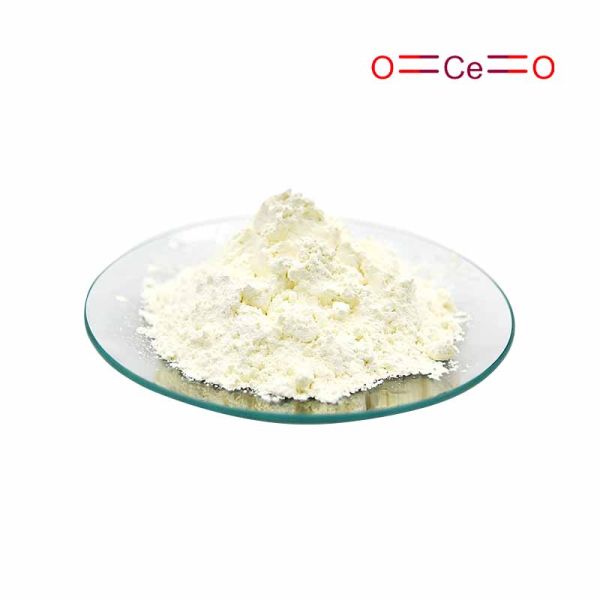
Cerium dioxide CAS#1306-38-3
Cerium dioxide<br/>p; a; l; e; ; y; e; l; l; o; w; -; w; h; i; t; e; ; p; o; w; d; e; r<br/><br/>Cerium dioxide, or ceria, is a pale yellow-white rare-earth oxide used in glass, ceramics and catalytic materials. Its polishing behavior supports precision optical surfaces, while oxidation catalysis and oxygen storage are relevant to converter systems. Additional applications include glass decolorization, ultraviolet filtering, polymer discoloration control and advanced electronic or energy materials involving ionic and electronic conduction.
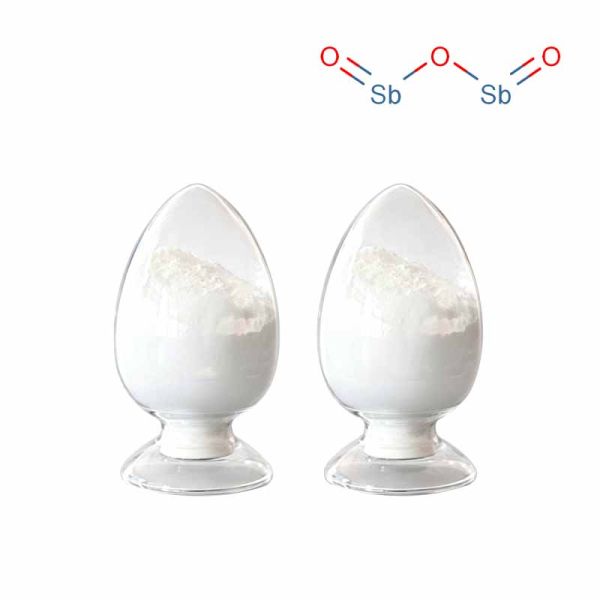
Diantimony trioxide CAS#1309-64-4
Diantimony trioxide<br/><br/>Diantimony trioxide is a white antimony oxide available in orthorhombic and cubic crystal forms. It is practically insoluble in water and organic solvents but dissolves in acids and caustic alkalis, while its high refractive index and thermal stability support demanding formulations. It is used primarily as a flame-retardant additive in plastics, as a white pigment whose particle size influences opacity, and in specialty glass, ceramic and catalyst systems.
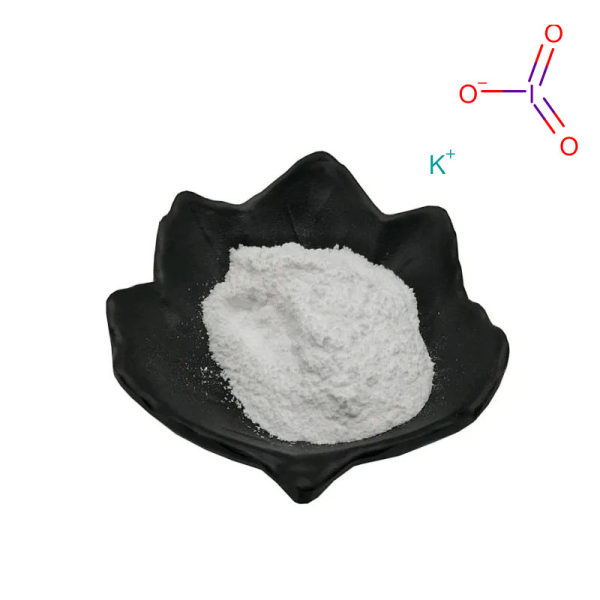
Potassium iodate CAS#7758-05-6
Potassium iodate<br/>ICl<br/>KIO₃<br/>c; o; l; o; r; l; e; s; s; ; m; o; n; o; c; l; i; n; i; c; ; c; r; y; s; t; a; l; s; ; o; r; ; o; d; o; r; l; e; s; s; ; w; h; i; t; e; ; c; r; y; s; t; a; l; l; i; n; e; ; p; o; w; d; e; r<br/><br/>Potassium iodate is a stable iodine-containing salt supplied as colorless crystals or white crystalline powder. It dissolves in water and dilute acids, with solubility increasing on heating, and is more resistant to hot, humid storage than potassium iodide. Its strong, controllable oxidation behavior makes it useful in iodometric and iodate titrations, pharmaceutical substance assays, and analytical procedures involving iodide or iodine.
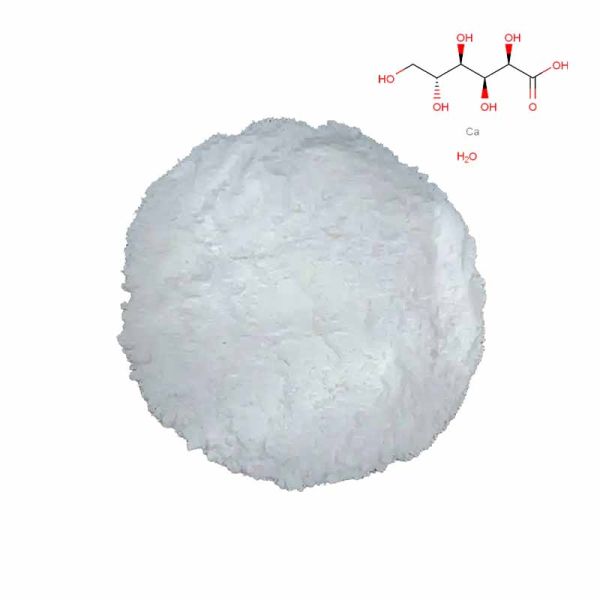
CALCIUM GLUCONATE MONOHYDRATE CAS#66905-23-5
CALCIUM GLUCONATE MONOHYDRATE<br/>OA<br/><br/>Calcium gluconate monohydrate is a soluble hydrated calcium salt suited to aqueous processing. Its good solubility makes it a practical precursor for calcium oxide-based sorbents, while the monohydrate form should be distinguished from anhydrous calcium gluconate. It is used in the preparation of materials for carbon dioxide capture and also appears in pharmaceutical formulations and antidote-related applications described for calcium gluconate.
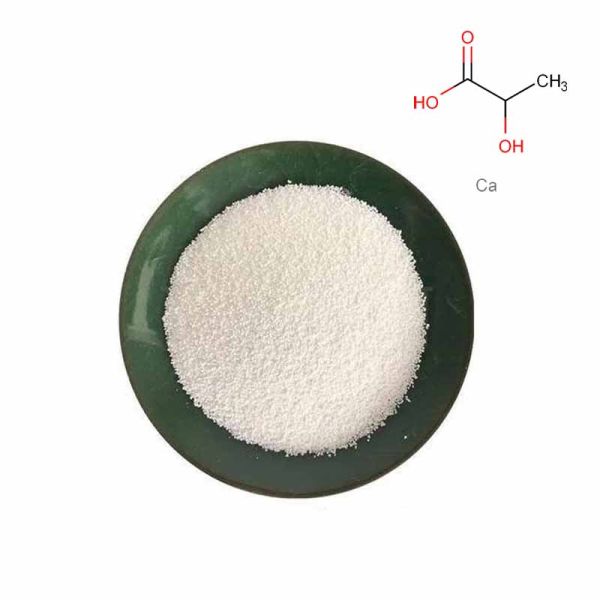
Calcium lactate CAS#814-80-2
Calcium lactate<br/>OH<br/><br/>Calcium lactate is a water-soluble white crystalline salt of lactic acid, available in several hydrate forms. It can be absorbed across varied pH conditions and contributes calcium without the bitter aftertaste associated with calcium chloride. In food processing it supports baking powders, fortification, protein and foam functionality, and stabilization of canned or fresh-cut produce. It is also used in oral-care products and pharmaceutical calcium preparations.
Send Us Your Inquiry Today