






Navigation
Send Us A Message
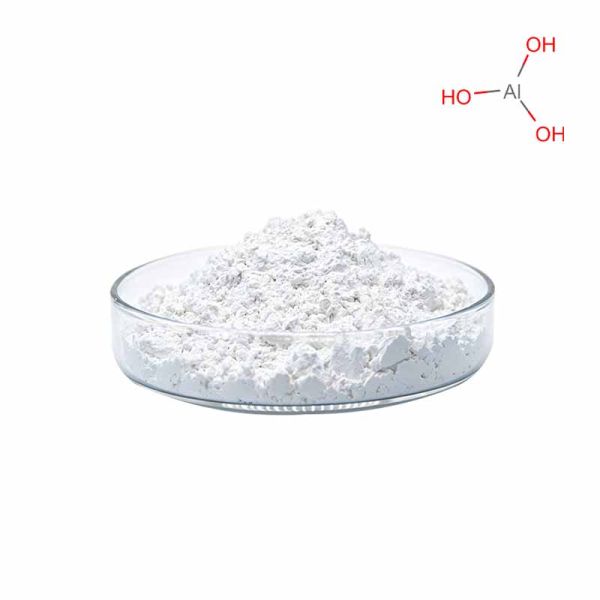
Aluminum hydroxide CAS#21645-51-2
Aluminum hydroxide<br/>Al(OH)₃<br/>white solid<br/><br/>Aluminum hydroxide is a white, water-insoluble amphoteric solid that dissolves in acids and alkalis. On heating it dehydrates to aluminum oxide, making it a useful alumina precursor. It is used as an absorbent, desiccant, filler, flame retardant, catalyst support, antacid-grade material, chromatography medium, and raw material for glass, ceramics, cosmetics, dyes, and aluminum compounds.
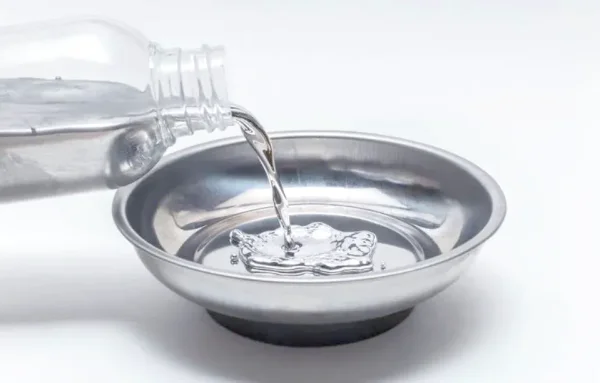
Mercury CAS 7439-97-6
Mercury<br/>Quicksilver<br/>quicksilver<br/>Hg<br/>silvery-white, free-flowing liquid metal<br/><br/>Mercury, also called quicksilver, is a silvery-white liquid metal at room temperature with high density, electrical and thermal conductivity, and the ability to form amalgams with many metals. It is used only in controlled professional settings for precision instruments, manometers, chlor-alkali chemistry, metallurgical extraction, laboratory analysis, and specialized electrical or materials research.
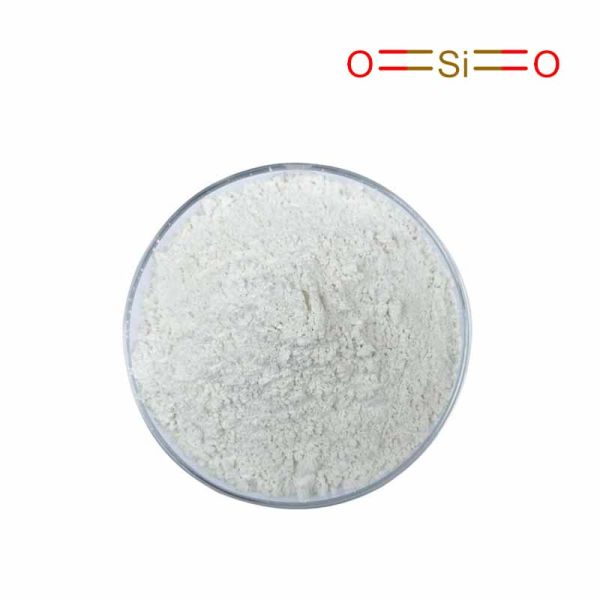
Silicon dioxide CAS#7631-86-9
Silicon dioxide<br/>fine, odorless, tasteless white powder<br/><br/>Silicon dioxide is a fine, odorless white inorganic powder with stable resistance to common acids, alkalis, heat, and corrosion. Its adsorption, anticaking, dispersing, thickening, reinforcing, and matting functions support use in food powders, pharmaceutical excipients, rubber and plastics, cosmetics, animal feed, coatings, inks, and other formulations requiring controlled flow or texture.
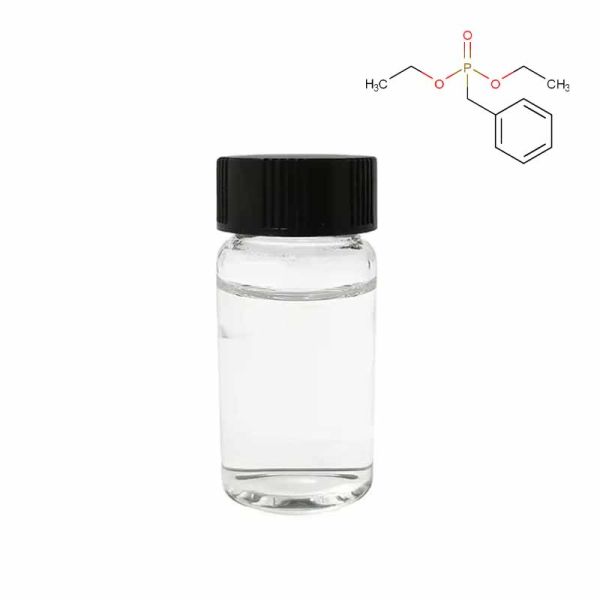
Diethyl benzylphosphonate CAS#1080-32-6
Diethyl benzylphosphonate<br/>transparent liquid ranging from colorless to pale yellow<br/><br/>Diethyl benzylphosphonate is a colorless to pale-yellow transparent liquid used as a synthetic intermediate. Its phosphonate functionality supports complex organic-molecule construction, including intramolecular Diels–Alder routes and cyclization of aryl ethers, amines, and amides. It is applied in pharmaceutical and natural-product research, preparation of specialized intermediates, and studies of functional groups for organic LED materials.
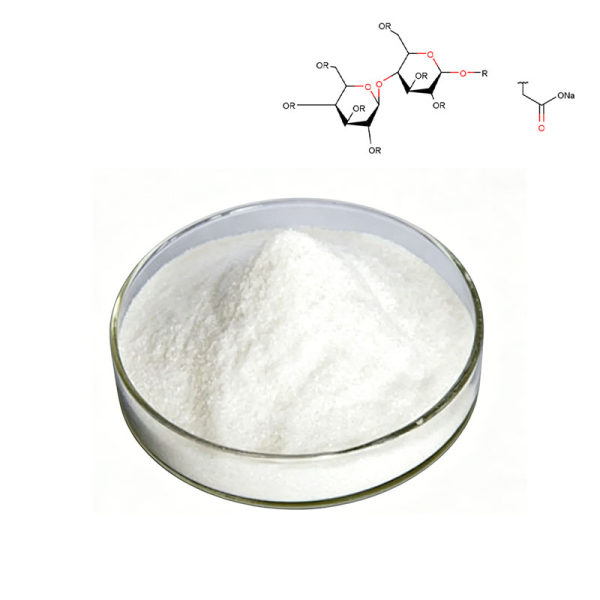
Sodium carboxymethyl cellulose CAS#9004-32-4
Sodium carboxymethyl cellulose<br/><br/>Sodium carboxymethyl cellulose is a water-soluble anionic cellulose polymer that forms thixotropic solutions. It keeps powders suspended, provides adhesion, and functions effectively as a binder at low addition levels. Applications include pharmaceutical and external formulations, where it can thicken and stabilize suspensions, as well as pyrotechnic compositions and other systems requiring controlled dispersion and binding.
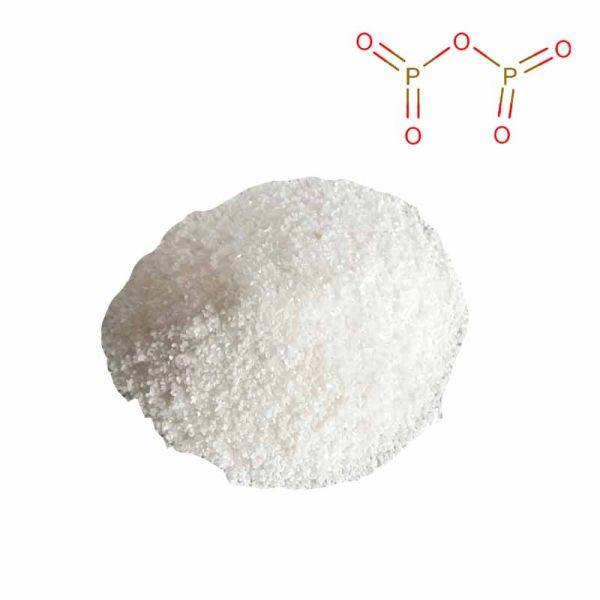
Phosphorus pentoxide CAS#1314-56-3
Phosphorus pentoxide<br/>highly deliquescent white powder or colorless monoclinic crystal<br/><br/>Phosphorus pentoxide, or phosphoric anhydride, is a highly hygroscopic white powder or colorless crystal with strong dehydrating activity. It is used as a desiccant, dehydrating agent, organic condensation reagent, and laboratory reagent. Additional applications include sugar refining, fire-suppression materials, preparation of acid anhydrides, and formation of an alcohol-oxidation reagent when combined with dimethyl sulfoxide.
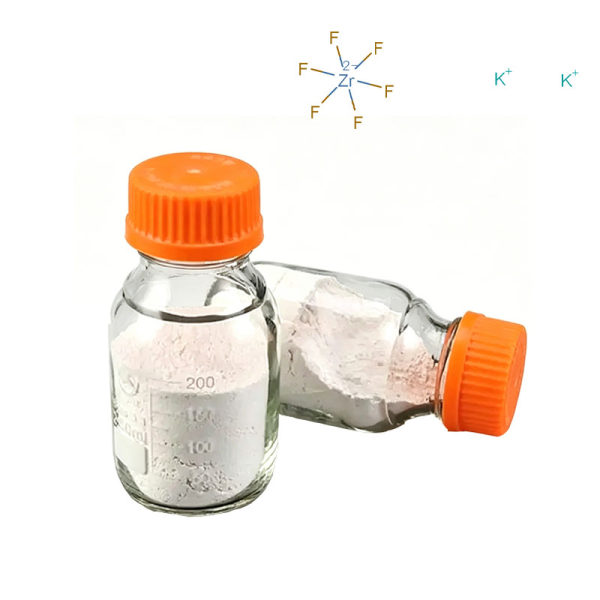
Potassium hexafluorozirconate CAS#16923-95-8
Potassium hexafluorozirconate<br/>white crystalline solid<br/><br/>Potassium hexafluorozirconate is a white crystalline solid slightly soluble in water. Its controlled solubility and chemical stability support use in metal processing and chemical manufacturing. The principal application described is production of metallic zirconium, while additional uses include metal-surface treatment and catalytic processes requiring a zirconium-containing fluoride source.
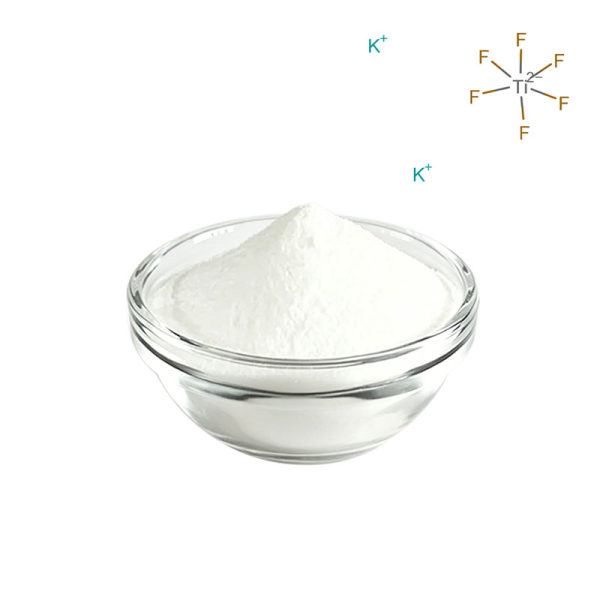
Potassium hexafluorotitanate CAS#16919-27-0
Potassium hexafluorotitanate<br/>colorless monoclinic flake crystals<br/><br/>Potassium hexafluorotitanate is a colorless monoclinic crystalline solid with limited solubility in cold water and inorganic acids, greater solubility in hot water, and insolubility in ammonia. It decomposes on strong heating to titanium dioxide and potassium fluoride. Uses include analytical reagents, alloy additives, flame retardants, casting fluxes, metal treatment, welding, ceramics, glass, electronics, and titanium-aluminum production.
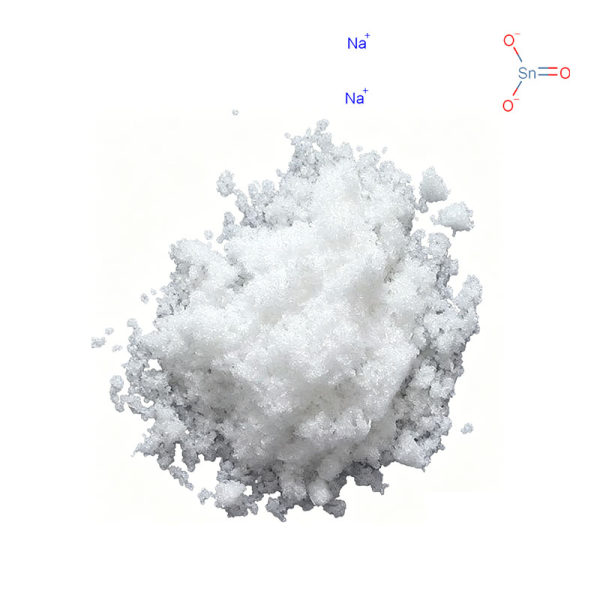
Sodium stannate CAS#12058-66-1
Sodium stannate<br/>colorless hexagonal crystals or white powder<br/><br/>Sodium stannate is supplied as colorless crystals or white powder, soluble in water and insoluble in alcohol and acetone. Hydrated material loses crystal water on heating, while atmospheric carbon dioxide can promote formation of sodium carbonate and tin hydroxide. It is used as a dyeing mordant, ceramic and glass additive, tin source for electroplating, textile fireproofing agent, peroxide stabilizer, blueprint-paper material, and laboratory reagent.
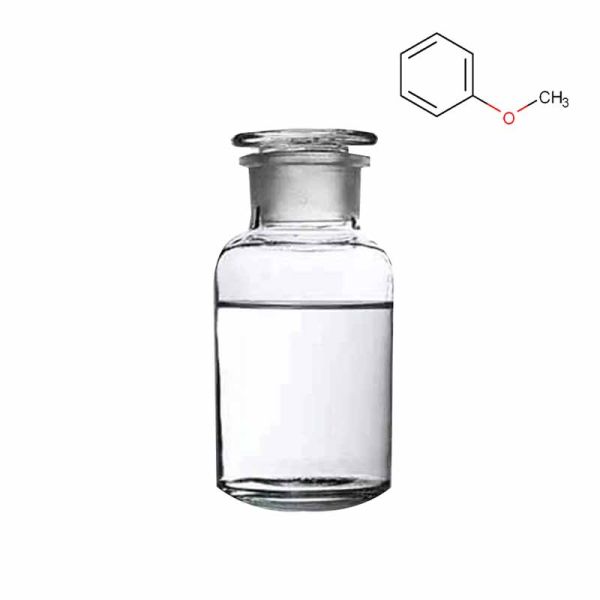
Anisole CAS#100-66-3
Anisole<br/>colorless transparent liquid<br/><br/>Anisole, or methoxybenzene, is a colorless transparent aromatic liquid insoluble in water but readily soluble in ethanol, ether, and most organic solvents. Its stability and solvent behavior support organic synthesis and analytical work. It is used in fragrances and perfumes and as an intermediate for perfumery raw materials and agrochemicals, including pesticide-related synthesis.
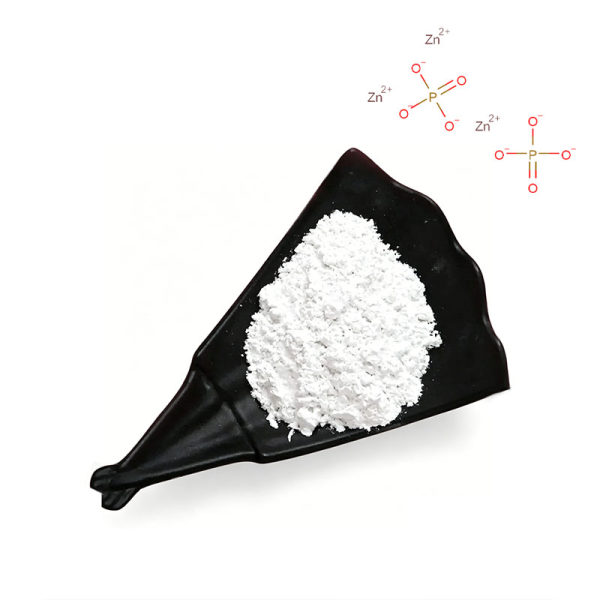
Zinc phosphate CAS#7779-90-0
Zinc phosphate<br/>white, odorless crystalline powder<br/><br/>Zinc phosphate is a white, odorless crystalline powder with high thermal and chemical stability. It is practically insoluble in water and ethanol but dissolves in inorganic acids and ammonia solutions. Its principal use is as an anticorrosion pigment in protective coatings, wash primers, and corrosion-inhibiting primers, where it is dispersed in polymer binders to protect metal surfaces.
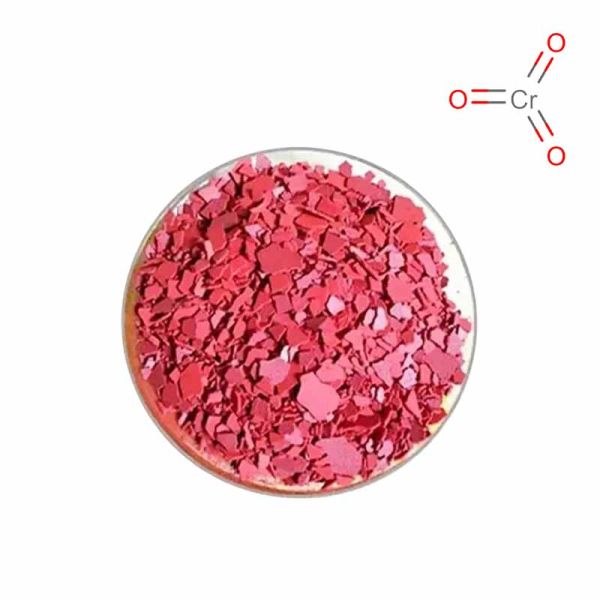
Chromium(VI) oxide CAS#1333-82-0
Chromium(VI) oxide<br/>CrO₃<br/>dark red rhombic crystal or purplish-red flake; dark red crystalline flakes or granules<br/><br/>Chromium(VI) oxide, or chromium trioxide, is a dark red crystalline hexavalent chromium compound that dissolves in water to form strongly acidic oxidizing solutions. It is used in chromium electroplating, metal anti-corrosion coatings, and optical-disc production. In chemical synthesis it serves as a powerful oxidant, including Jones oxidation of primary alcohols to acids and secondary alcohols to ketones.
Send Us Your Inquiry Today