






Navigation
Send Us A Message
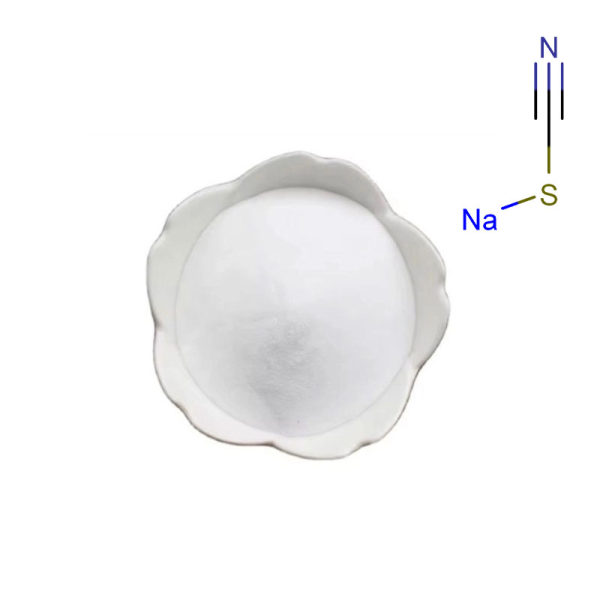
Sodium Thiocyanate CAS#540-72-7
Sodium Thiocyanate<br/><br/>Sodium thiocyanate is a white rhombic crystalline salt that dissolves in water, ethanol and acetone. It is a reactive thiocyanate source and must be kept away from incompatible acids, strong bases and oxidizers because heating or decomposition can generate hazardous fumes. It is used as a solvent in acrylic-fiber spinning, an analytical reagent, a color-film rinse chemical, a plant defoliant and an airport herbicide. Additional applications include pharmaceuticals, dyeing, rubber processing, plating and artificial mustard-oil manufacture.
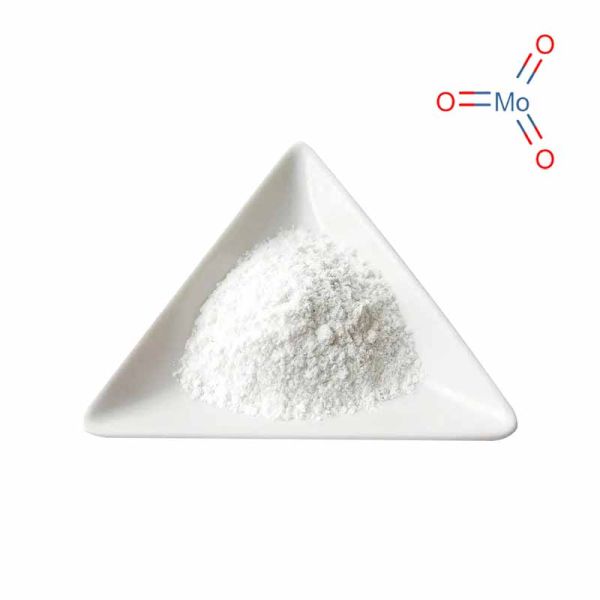
Molybdenum trioxide CAS#1313-27-5
Molybdenum trioxide<br/>VI<br/><br/>Molybdenum trioxide is an odorless white crystalline powder that turns yellow when heated. It is slightly soluble in water, thermally stable and relatively unreactive under ordinary conditions, making it suitable as a controlled molybdenum source. It is used in catalyst formulations for petroleum-feedstock desulfurization and nitrogen-compound removal. It also serves as a reagent in chemical analysis and as a starting material for preparing molybdate salts.
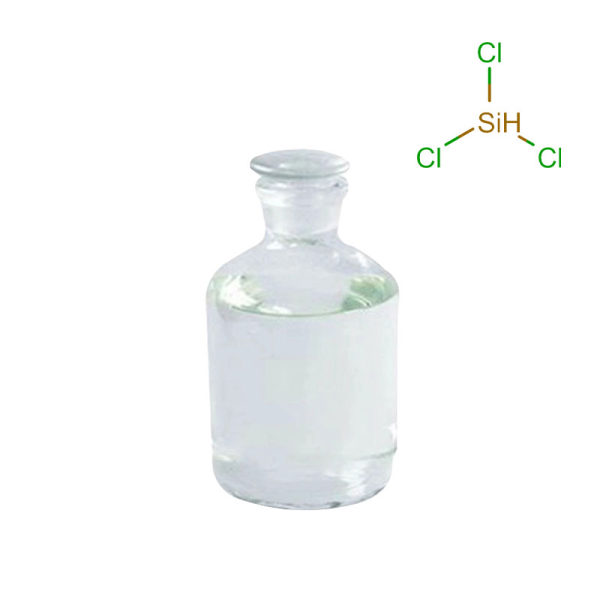
Trichlorosilane CAS#10025-78-2
Trichlorosilane<br/><br/>Trichlorosilane is a volatile, highly flammable liquid with a pungent odor and strong moisture sensitivity. It dissolves in organic solvents, reacts violently with water, alkalis and oxidizers, and is less corrosive to dry iron or stainless steel than to moist metals. Its principal industrial role is as a precursor for polysilicon and organosilicon polymers. It is also used in industrial instrumentation and controlled silicon-chemistry processes where its reactive chlorosilane functionality is required.
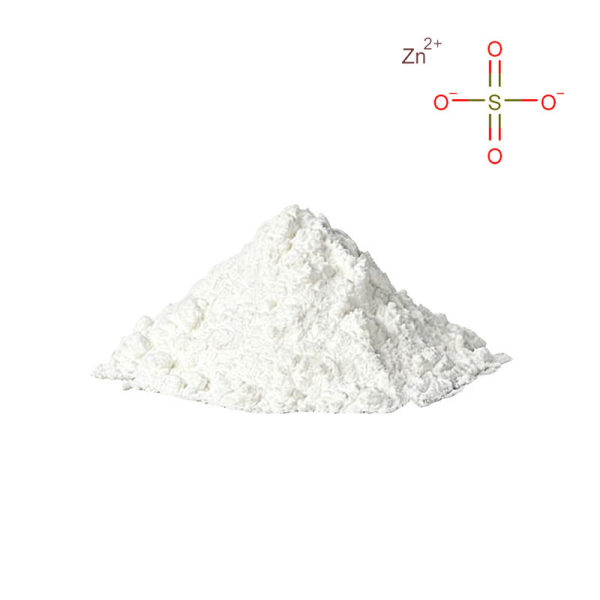
Zinc Sulphate CAS#7733-02-0
Zinc Sulphate<br/><br/>Zinc sulfate is a white, water-soluble crystalline zinc salt, commonly supplied as the heptahydrate. The hydrate loses crystal water progressively on heating, giving predictable behavior during drying and thermal processing. It is used as a mordant in dyeing and as a zinc source in fungal culture media and protein-expression systems. Analytical laboratories also use it for blood-sample deproteinization in glucose-assay workflows.
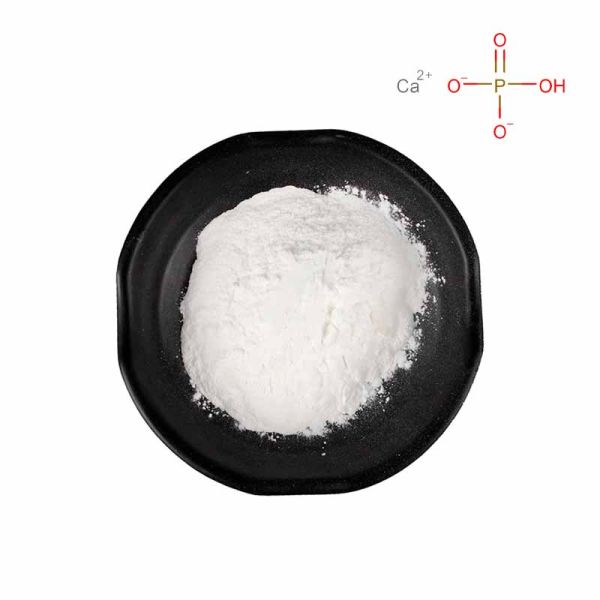
Calcium phosphate dibasic CAS#7757-93-9
Calcium phosphate dibasic<br/>a; ; w; h; i; t; e; ,; ; o; d; o; r; l; e; s; s; ; a; n; d; ; t; a; s; t; e; l; e; s; s; ; p; o; w; d; e; r<br/><br/>Dibasic calcium phosphate is a white, odorless and tasteless powder available in anhydrous and dihydrate forms. It is practically insoluble in water and ethanol but dissolves in dilute acids, providing controlled behavior in dry formulations and acid-reactive systems. It is used as a calcium source in food and animal feed, a leavening and dough-conditioning ingredient, a dental-product component and a pharmaceutical raw material. Fertilizer, plastic and glass manufacture are additional applications.
Send Us Your Inquiry Today