






Navigation
Send Us A Message
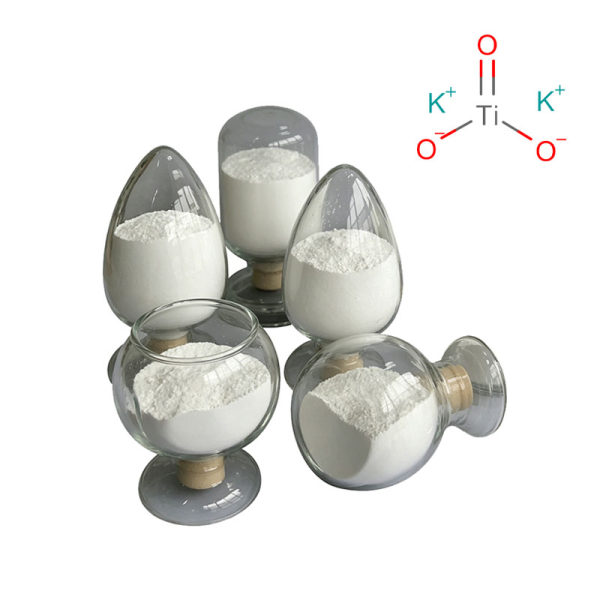
POTASSIUM TITANATE CAS#12030-97-6
POTASSIUM TITANATE<br/>K₂O·nTiO₂ (n=1,2,4,6,8)<br/>p; o; t; a; s; s; i; u; m; ; t; e; t; r; a; t; i; t; a; n; a; t; e; ; (; K; ₂; T; i; ₄; O; ₉; ); ; a; n; d; ; p; o; t; a; s; s; i; u; m; ; h; e; x; a; t; i; t; a; n; a; t; e; ; (; K; ₂; T; i; ₆; O; ₁; ₃; )<br/><br/>Potassium titanate is a white needle-like inorganic solid available in tetratitanate and hexatitanate crystal forms. It combines low thermal conductivity, high infrared reflectivity and high-temperature resistance with a stable fibrous morphology. It is used for thermal and electrical insulation, catalyst carriers, filters, ion exchange and adsorption. Modified grades serve as conductive materials, while its friction-control performance supports brake, clutch and related friction components.
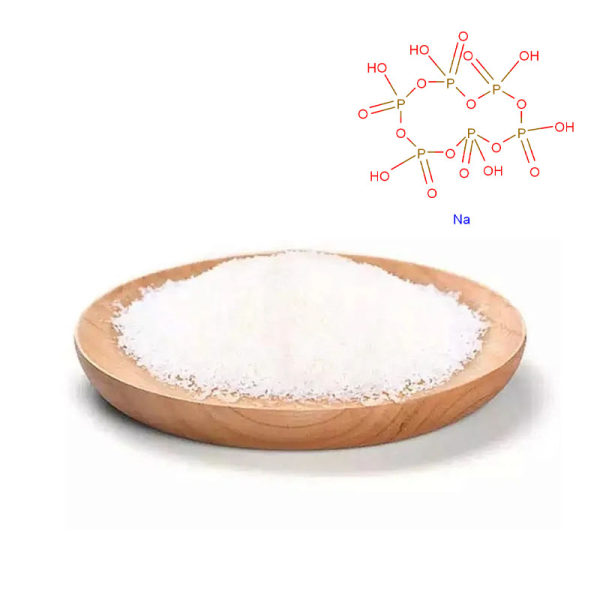
Sodium hexametaphosphate CAS#10124-56-8
Sodium hexametaphosphate<br/>sodium polymetaphosphate<br/><br/>Sodium hexametaphosphate is a sodium metaphosphate polymer supplied as a colorless glassy solid or white powder. It dissolves slowly in water to give a weakly acidic solution and provides dispersing, sequestration and water-conditioning functionality. It is used in analytical chemistry, ceramics, detergents, enamels, textile dyeing, fireproofing, silk processing and boiler-water treatment. Food applications include sequestration and formulation support, while fertilizer and soldering-enamel uses are also described.
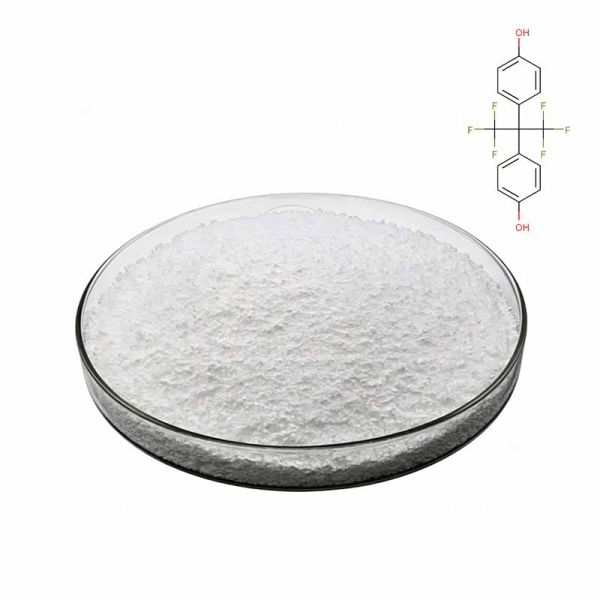
Bisphenol AF CAS#1478-61-1
Bisphenol AF<br/>hexafluorobisphenol A<br/>BPAF<br/><br/>Bisphenol AF, also called hexafluorobisphenol A, is a fluorinated bisphenol that is barely soluble in water but readily dissolves in ethanol, acetone, ether, toluene and strong alkaline solutions. It remains stable under ordinary conditions and decomposes on intense heating. It is primarily used as vulcanization accelerator FF34 for fluororubber, helping improve resistance to permanent deformation and tensile performance after curing. It also serves as an intermediate for pharmaceutical synthesis.
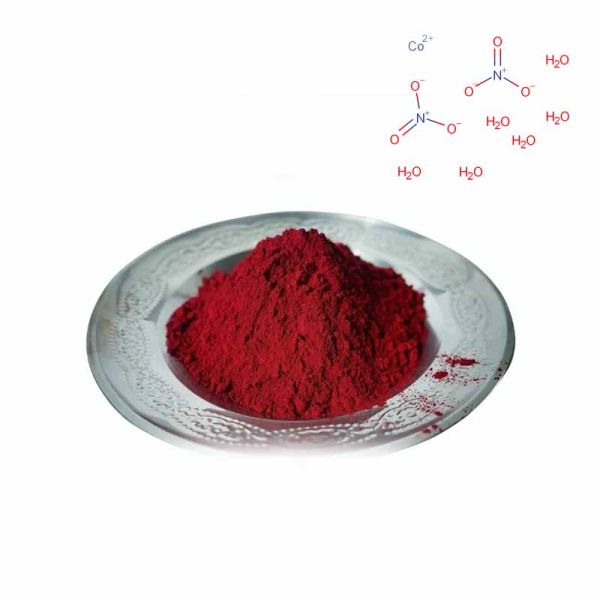
Cobaltous nitrate hexahydrate CAS#10026-22-9
Cobaltous nitrate hexahydrate<br/>cobalt nitrate<br/>NO₃<br/><br/>Cobaltous nitrate hexahydrate is a red, hygroscopic hydrated cobalt salt used as a cobalt source in solution and solid-state processing. Its chemical versatility allows conversion to cobalt-containing materials and loading onto catalyst supports. It is used for cobalt pigments, invisible inks, ceramic and porcelain decoration, battery additives, soil conditioners and selected color formulations. Further roles include catalyst preparation, high-purity cobalt production, vitamin B12 manufacture and synthesis of organic intermediates.
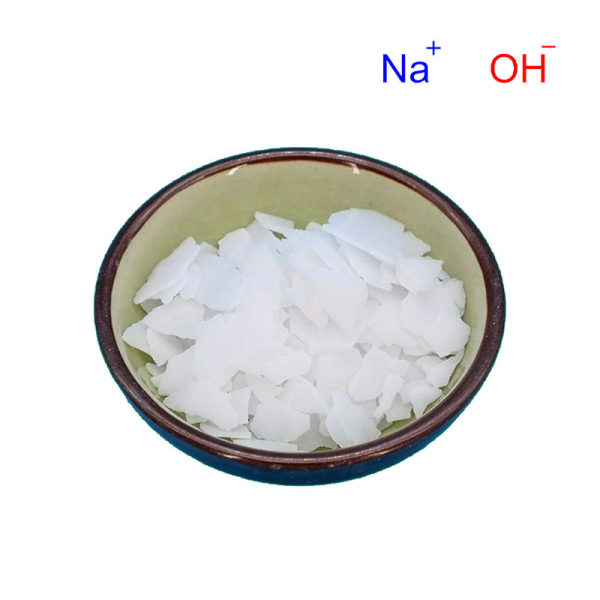
Sodium Hydroxide CAS#1310-73-2
Sodium Hydroxide<br/><br/>Sodium hydroxide, or caustic soda, is a white, deliquescent solid and strongly alkaline base that dissolves readily in water, methanol and ethanol. Its high reactivity supports neutralization, saponification, alkaline cleaning and conversion to sodium salts. It is used in pulp and paper, textile, soap and detergent, dye, plastic, rubber, pharmaceutical and inorganic-salt manufacture. Other applications include metal processing, water electrolysis, laboratory reagents and industrial or household drain cleaning.
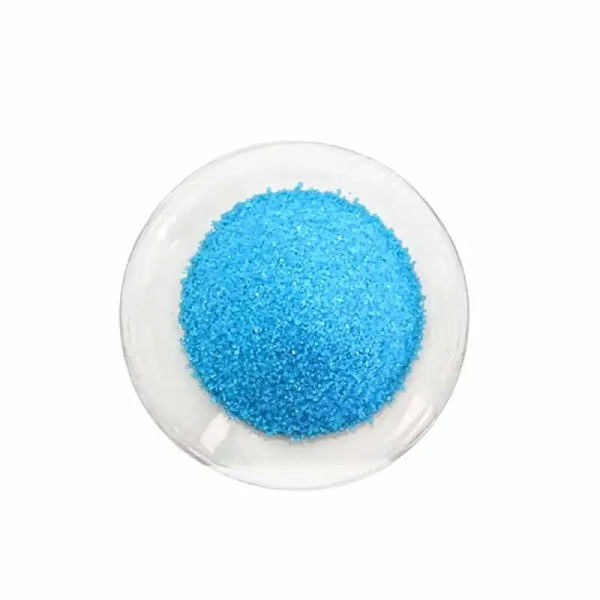
Cupric nitrate trihydrate CAS#10031-43-3
Cupric nitrate trihydrate<br/>II<br/><br/>Cupric nitrate trihydrate is a hydrated copper(II) nitrate suited to aqueous coordination and catalytic chemistry. The trihydrate form is distinct from other hydrates and serves as a convenient copper precursor for complex formation and oxide preparation. It is used to prepare copper oxide catalysts, copper coordination complexes and engineering-polymer intermediates. Additional applications include aromatic nitration, textile processing, metal polishing, chemical analysis, photosensitive papers, insecticide research and educational voltaic-cell demonstrations.
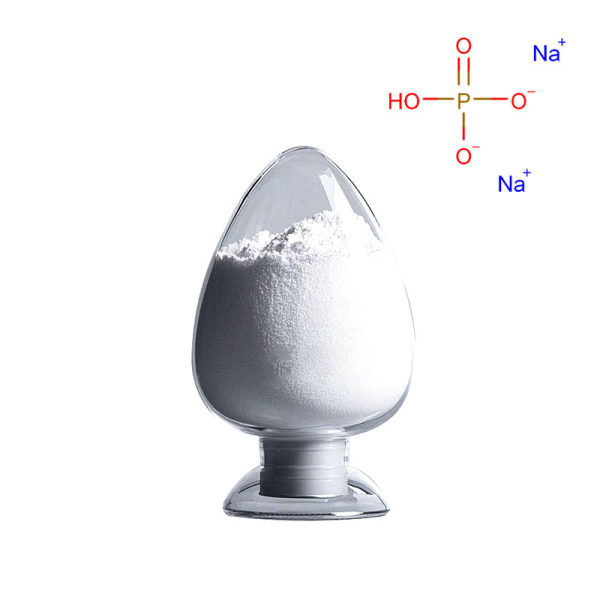
Sodium Phosphate Dibasic CAS#7558-79-4
Sodium Phosphate Dibasic<br/><br/>Sodium phosphate dibasic is a highly hygroscopic, water-soluble sodium phosphate salt. Its buffering compatibility with sodium phosphate monobasic enables reliable control of aqueous pH in biochemical, analytical and formulation systems. It is used in laboratory buffers, ceramics, detergents, enamels, textile dyeing, fireproofing, silk processing and boiler-water treatment. Food processing, sequestration, fertilizer, soldering-enamel and nutritional-supplement applications are also described.
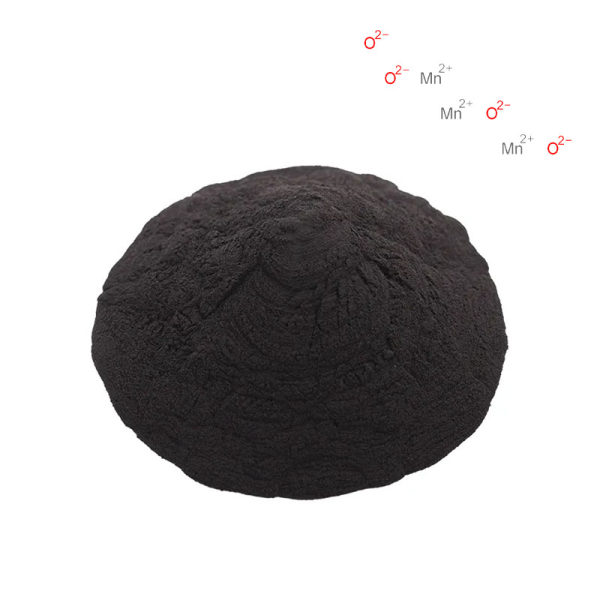
Trimanganese tetraoxide CAS#1317-35-7
Trimanganese tetraoxide<br/><br/>Trimanganese tetraoxide is a black tetragonal manganese oxide, with a stable hausmannite alpha phase and an unstable beta form. It is insoluble in water but dissolves in hydrochloric acid, providing controlled reactivity alongside crystalline and mechanical stability. The material is used in catalysis, electrochromic devices and energy-storage research. It is typically prepared by thermal treatment of manganese oxide and is selected where a transition-metal oxide with defined phase behavior is required.
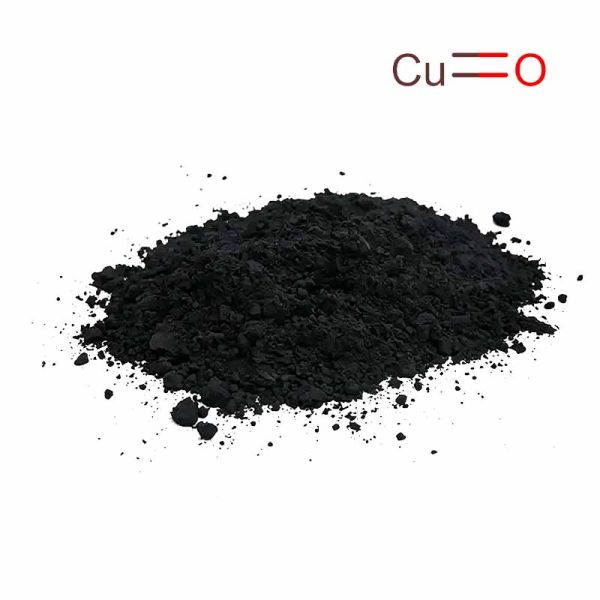
Cupric oxide CAS#1317-38-0
Cupric oxide<br/>II<br/><br/>Cupric oxide is a blue-green copper(II) oxide pigment and a useful copper-containing intermediate. Its natural mineral occurrence, water-insoluble character and stable color make it suitable for ceramic and protective-material formulations. It is used in ceramic glazes, antifouling paints, wood preservatives and fungicide-related products. Further applications include copper-product manufacture, battery materials, superconductors, animal-feed formulations and industrial catalyst preparation.
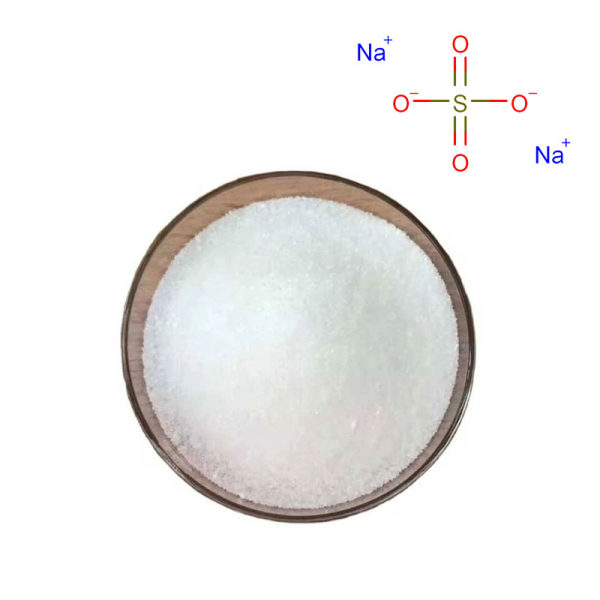
Sodium Sulfate CAS#7757-82-6
Sodium Sulfate<br/><br/>Sodium sulfate is a water-soluble inorganic salt found naturally as thenardite and also supplied as salt cake. Its anhydrous form has high thermal stability, while the decahydrate, Glauber’s salt, provides a distinct hydrated form for aqueous processing. It is used as a detergent filler, sulfate-pulp cooking chemical, glass-soda substitute and raw material for sodium sulfide and sodium silicate. Other applications include dyeing, Vinylon spinning, leather processing, nonferrous metallurgy and pharmaceutical formulations.
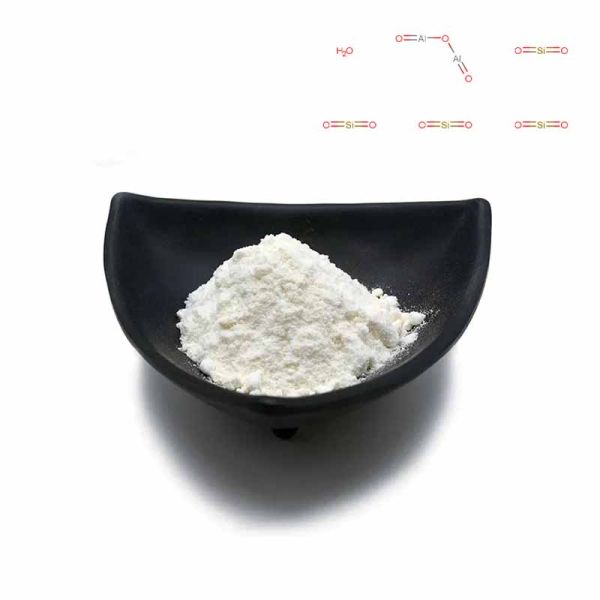
K-CATALYST CAS#1318-93-0
K-CATALYST<br/><br/>K-CATALYST is based on montmorillonite, a naturally abundant layered 2:1 phyllosilicate. Its cation-exchange capacity and chemically modifiable interlayer structure allow the clay to be tailored for adsorption, catalysis and composite manufacture. It is used in industrial chromatography for eluting vitamin B12-related substances adsorbed on montmorillonite, and as a catalyst carrier in petroleum processing and other chemical operations. Modified forms also support polymer nanocomposite preparation.
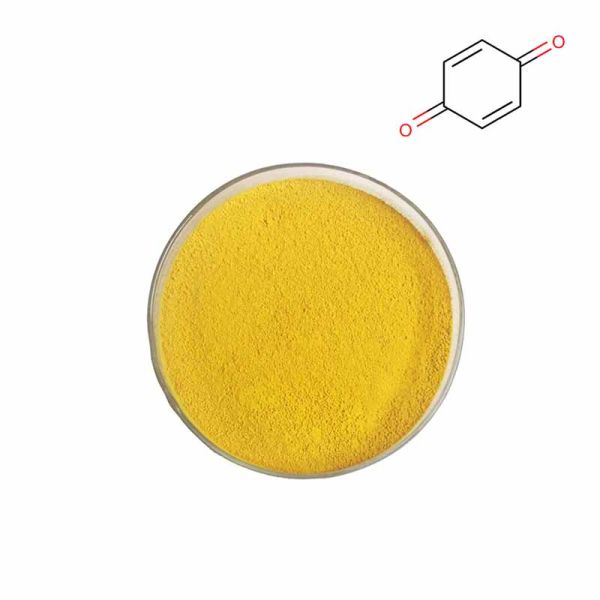
1,4-Benzoquinone CAS#106-51-4
1,4-Benzoquinone<br/><br/>1,4-Benzoquinone, or p-benzoquinone, is a yellow monoclinic crystal and a reactive organic intermediate. Its quinone structure supports oxidation, dehydrogenation and Diels–Alder chemistry, while its process behavior also allows use as a polymerization inhibitor. It is used to manufacture hydroquinone, rubber accelerators and other chemicals, and in dye, textile, tanning, cosmetic and photographic industries. Laboratory synthesis uses include cycloadditions, organic oxidation and control of double-bond migration.
Send Us Your Inquiry Today