






Navigation
Send Us A Message
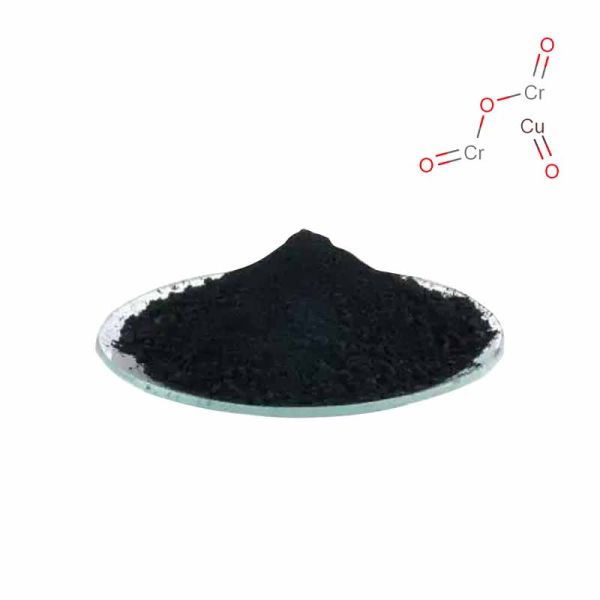
Copper chromite CAS#12018-10-9
Copper chromite<br/><br/>Copper chromite is a black to grayish-black, water-insoluble inorganic solid with very low vapor pressure. Its copper-chromium oxide structure provides selective catalytic behavior toward hydrogenation and reduction of functional groups in organic substrates. Industrial uses include converting furfural to furfuryl alcohol, reducing butyraldehyde to butanol and partially hydrogenating dienes. It is also studied for vegetable-oil carbonyl reduction, cellulose hydrogenolysis, combustion-rate control and light-absorbing pigments.
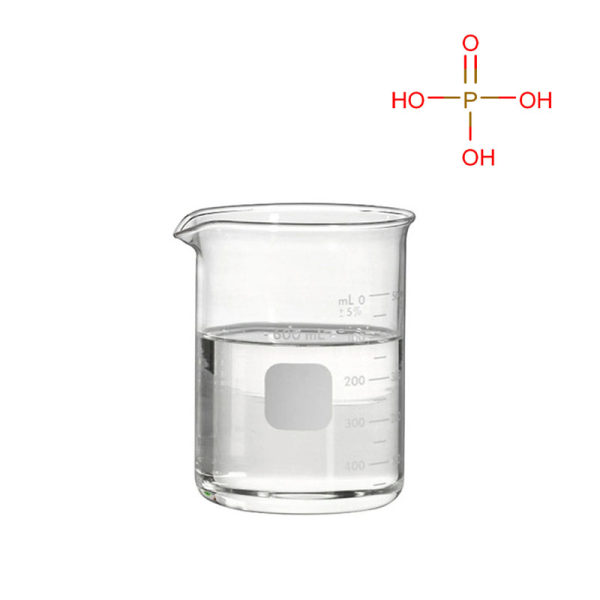
Phosphoric Acid CAS#7664-38-2
Phosphoric Acid<br/>c; o; l; o; r; l; e; s; s; ; l; i; q; u; i; d; /; c; r; y; s; t; a; l; ; (; m; p; ; 4; 2<br/><br/>Phosphoric acid is a hygroscopic, miscible inorganic acid available as a colorless pure material or viscous commercial solution. Its stable acidity, high boiling behavior and ability to form phosphate salts make it adaptable to aqueous processing and surface reactions. It is used to manufacture phosphates and feed calcium phosphate, and in metal phosphating, aluminum polishing, resin catalysis, dye and printing operations, refractory mortars, adhesives, corrosion-resistant coatings and selected pharmaceutical materials.
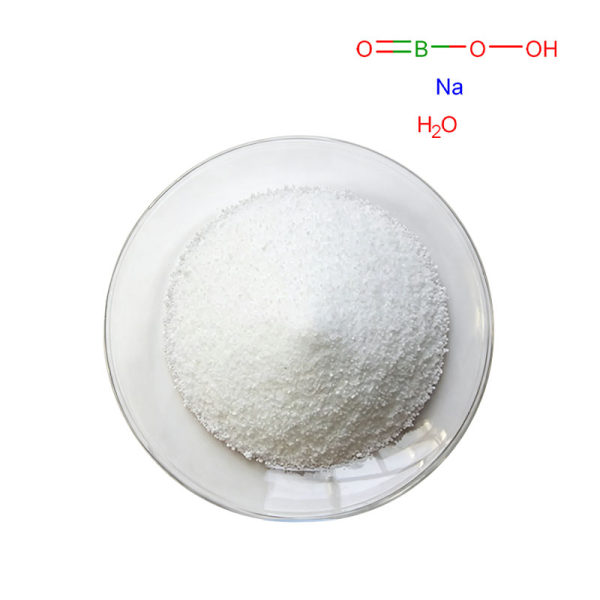
Sodium perborate monohydrate CAS#10332-33-9
Sodium perborate monohydrate<br/>NaBO₃·H₂O<br/><br/>Sodium perborate monohydrate is a white, odorless, water-soluble crystalline oxygen bleach. Compared with the tetrahydrate, this monohydrate form offers faster dissolution and better thermal stability, supporting active-oxygen release in detergent processing. It is used in concentrated laundry powders, stain removers, color bleaches and dishwashing products for cleaning and bleaching. Additional applications include denture cleaners, oral-care formulations, textile processing, pulp bleaching and selected eye-drop preservation systems.
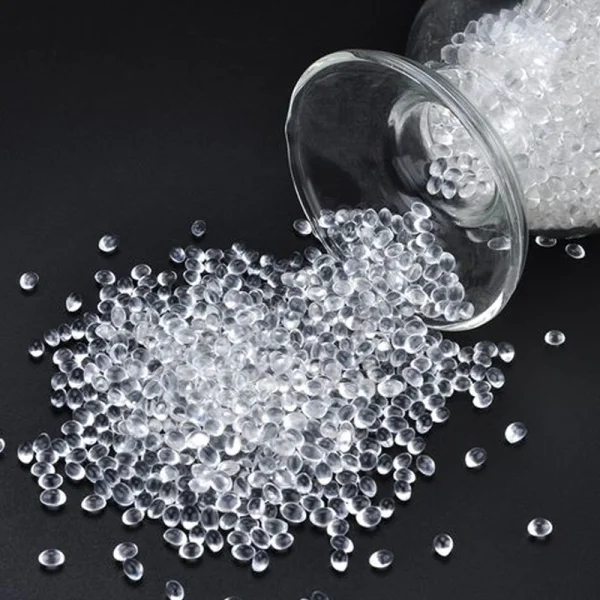
Silica Gel CAS#112926-00-8
Silica Gel<br/><br/>Silica gel is a porous granular or spherical form of amorphous silicon dioxide with high surface area and strong adsorption capacity. Available as aquagel, xerogel or aerogel, it provides adjustable pore structures; indicator grades can signal moisture loading through color change. It is used as a desiccant in packaging, storage and transport to limit dampness, mold, corrosion and deterioration. Its rigid porous network also serves as a support for catalysts, including Ziegler–Natta systems.
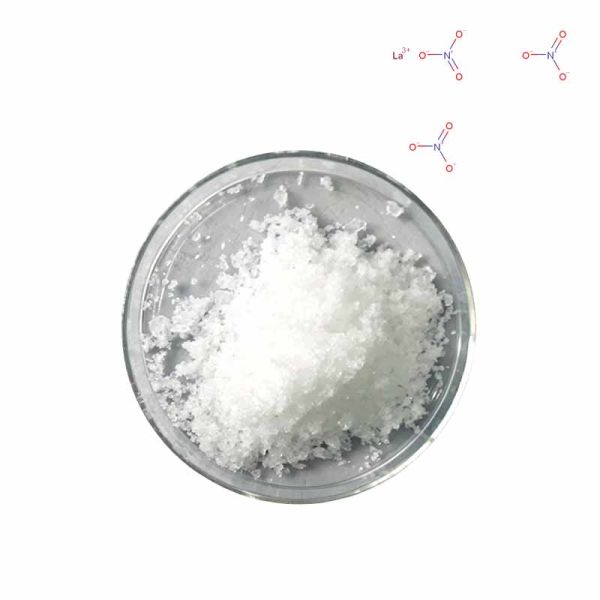
Lanthanum(III) nitrate hexahydrate CAS#10277-43-7
Lanthanum(III) nitrate hexahydrate<br/>III<br/>LAO<br/><br/>Lanthanum(III) nitrate hexahydrate is a hydrated rare-earth nitrate used as a soluble lanthanum precursor. The hexahydrate form is suited to solution processing, electrochemical deposition and solvothermal preparation of lanthanum-containing materials. It is used for lanthanum manganite and lanthanum aluminate thin films, LaF3 nanocrystals, oxysulfide phosphor materials and organic synthesis catalysts. Broader applications include special glass, water treatment, petroleum catalysts and metallurgical alloy modification.
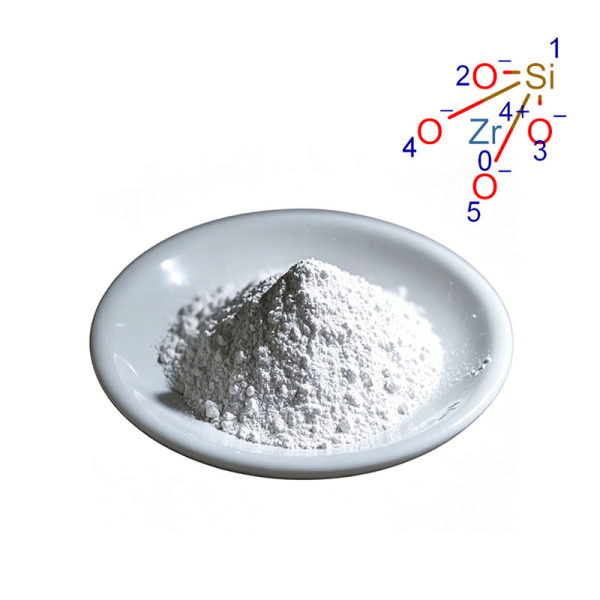
Zirconium silicate CAS#10101-52-7
Zirconium silicate<br/>ZrSiO₄<br/><br/>Zirconium silicate, or zircon, is a hard, chemically inert silicate mineral with a high melting point and low wettability toward molten metals. These properties give it durability, alkali resistance and the ability to improve casting surface quality. It is used in refractory materials, ceramic bodies, enamels and glazes as an opacifier, and in special cement, grinding beads and industrial casting. Thin-film versions are investigated as alternative gate-dielectric materials.
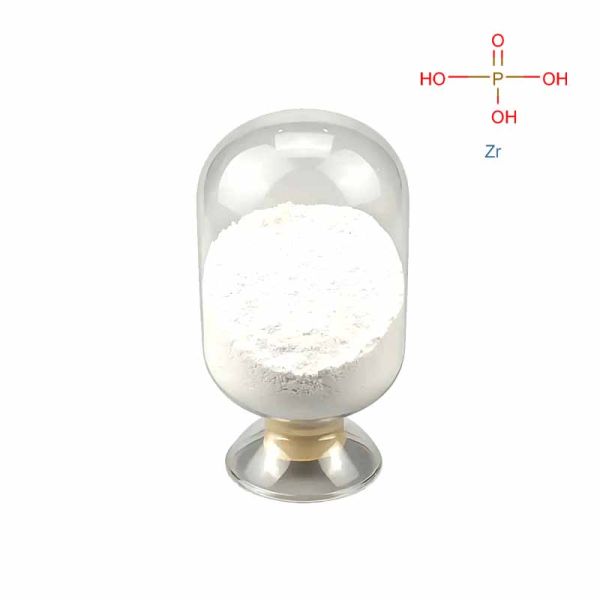
ZIRCONIUM(IV) HYDROGENPHOSPHATE CAS#13772-29-7
ZIRCONIUM(IV) HYDROGENPHOSPHATE<br/>IV<br/><br/>Zirconium(IV) hydrogenphosphate is a white layered mesoporous solid acid, commonly discussed in alpha and gamma forms. It is insoluble in water and organic solvents, resistant to strong acids and partly resistant to alkalis, with large surface area and strong ion-exchange capacity. It serves in adsorption, catalysis and ion-exchange systems, including industrial wastewater and gas treatment. Other described uses include special ceramics, polymer composites, flame-retardant fibers, hemodialysis materials and carriers for silver-loaded antibacterial agents.
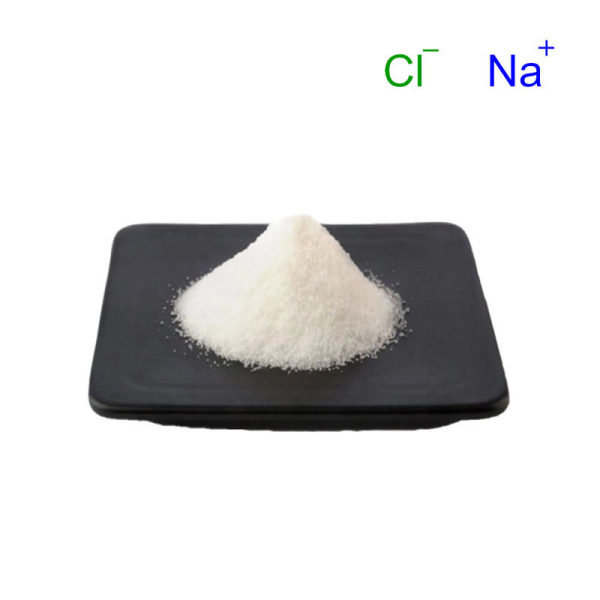
Sodium Chloride CAS#7647-14-5
Sodium Chloride<br/><br/>Sodium chloride is a naturally abundant ionic solid found in seawater, inland brines and halite deposits. It is highly soluble in water but poorly soluble in alcohol, making it straightforward to recover, dissolve and crystallize in industrial processing. It is a fundamental food ingredient for flavoring and sodium supply, and also serves as a raw material or process chemical. Historical applications include early photographic fixing systems before modern thiosulfate methods replaced them.
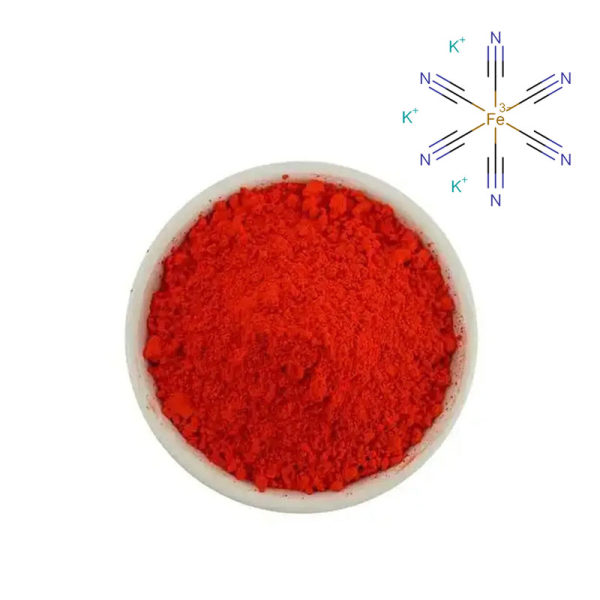
Potassium ferricyanide CAS#13746-66-2
Potassium ferricyanide<br/>red prussiate of potash or Prussian red<br/>III<br/><br/>Potassium ferricyanide, also called red prussiate of potash, is a bright red, water-soluble crystalline oxidizing reagent. Its reversible redox behavior allows controlled electron transfer in chemical, photographic, electrochemical and physiological experiments. It is used to make Prussian Blue pigment, detect ferrous ions, remove silver in photographic processing and adjust solution redox potential. Additional applications include biosensor mediators, carbide etching, electroplating, steel hardening, wool dyeing and laboratory analysis.
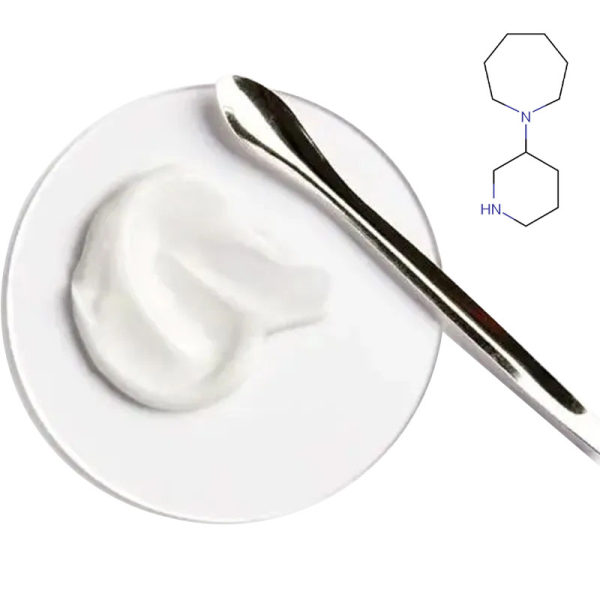
Sodium methyl cocoyl taurate CAS#12765-39-8
Sodium methyl cocoyl taurate<br/>N-Methyl-N-Coconut Acid Taurate<br/>a; ; s; o; f; t; ; w; h; i; t; e; ; p; a; s; t; e<br/><br/>Sodium methyl cocoyl taurate is a soft white-paste surfactant derived from coconut fatty-acid chemistry. It provides mild foaming, emulsification of oil and water, and effective cleansing while supporting a smooth formulation profile. It is used in facial cleansers, shampoos, body washes, hand soaps, toothpastes, scrubs, masks and other personal-care products. Its combination of cleansing and foam performance also suits moisturizing and skin-cleansing formulations.
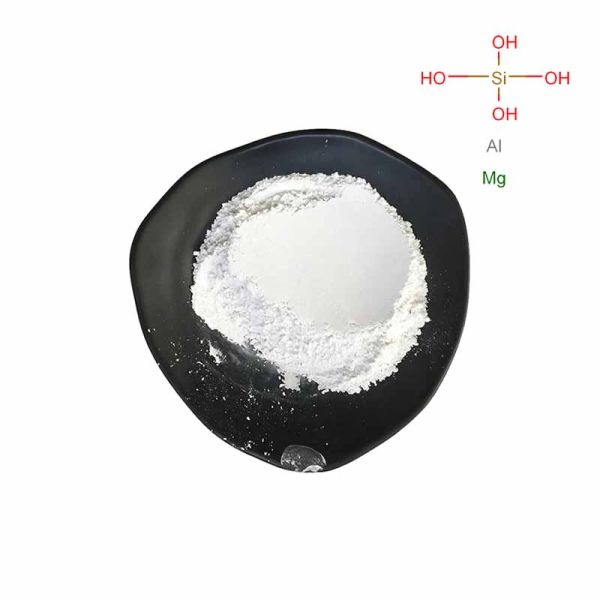
Aluminium magnesium silicate(2:1:2) CAS#12511-31-8
Aluminium magnesium silicate(2:1:2)<br/><br/>Aluminum magnesium silicate is a white powder, granular or flaky layered excipient with adsorption, suspension, binding, disintegration and thickening functions. In aqueous gels it can increase viscosity and produce pseudoplastic, thixotropic flow for improved handling and stability. It is used in pharmaceutical and industrial formulations, including antacid preparations, tablets, capsules and topical gels. Ceramic production and general suspension or thickening systems are additional applications.
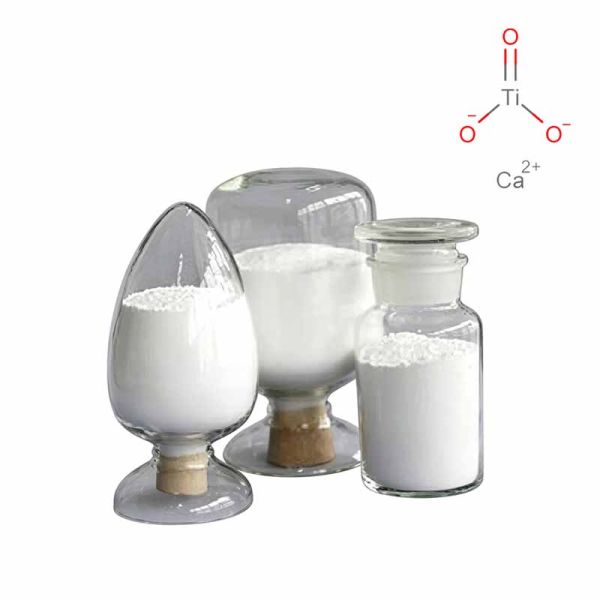
CALCIUM TITANATE CAS#12049-50-2
CALCIUM TITANATE<br/>hexafluorobisphenol A<br/>BPAF<br/><br/>The source material identifies this listing as calcium titanate, while its supplied properties and applications describe bisphenol AF, a fluorinated bisphenol. That material is barely soluble in water, readily soluble in several organic solvents and strong alkalis, and decomposes on strong heating. Bisphenol AF is used as a fluororubber vulcanization accelerator to improve finished elastomer performance, and as an intermediate for pharmaceutical synthesis. The title and supplied body should be reconciled before publication.
Send Us Your Inquiry Today