






Navigation
Send Us A Message
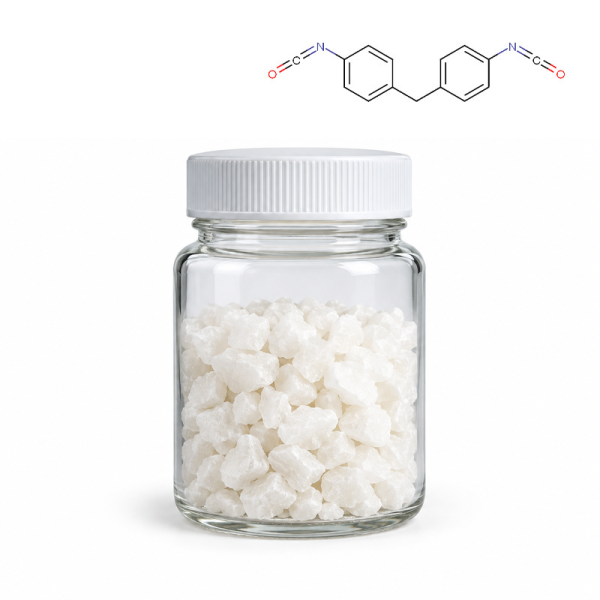
Methylenediphenyl Diisocyanate CAS#101-68-8
Methylenediphenyl Diisocyanate<br/>MDI<br/><br/>Methylene diphenyl diisocyanate, commonly abbreviated MDI, is an aromatic isocyanate used to make polyurethane materials through reaction with polyols. Suitable grades are employed in elastomers, adhesives, sealants and composite binders. Polymeric forms are associated with rigid insulation foams and panels. Monomeric, polymeric and modified materials differ in composition and processing behavior, so these forms should not be treated as interchangeable.
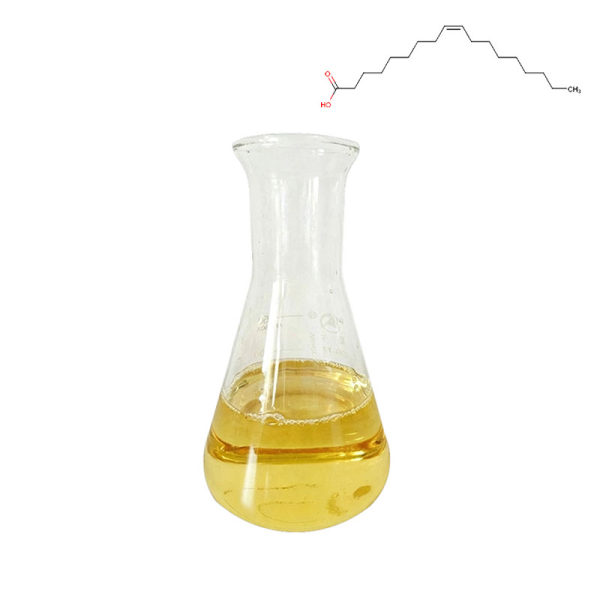
Oleic acid CAS#112-80-1
Oleic acid<br/>CH₃(CH₂)₇CH=CH(CH₂)₇COOH<br/><br/>Oleic acid is a monounsaturated fatty acid commonly obtained from oils and fats. It is typically an oily, colorless to pale yellow liquid, practically insoluble in water but soluble in oils and many organic solvents. Uses include soaps, emulsifiers, synthetic esters, lubricants and metalworking fluids. It also supplies feedstock for plasticizers, resin precursors, mineral processing and industrial cleaning formulations.
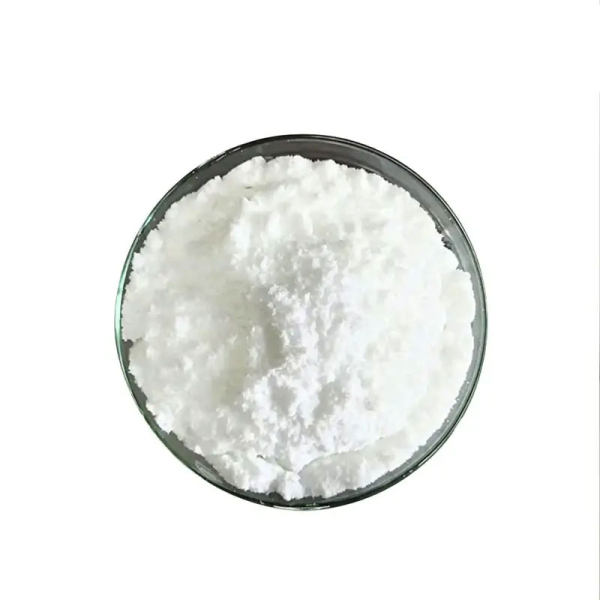
Poly(vinyl alcohol) CAS#9002-89-5
Poly(vinyl alcohol)<br/>PVA<br/><br/>Poly(vinyl alcohol), often abbreviated PVA, is a hydroxyl-rich polymer supplied as white powder, flakes or flocculent solids. Its polar structure supports water solubility, while it resists several common organic solvents. Applications include textile sizing, construction adhesives, paper stabilization and films. It is also used as a thickener in cosmetic formulations and as an emulsification aid in chemical processing.
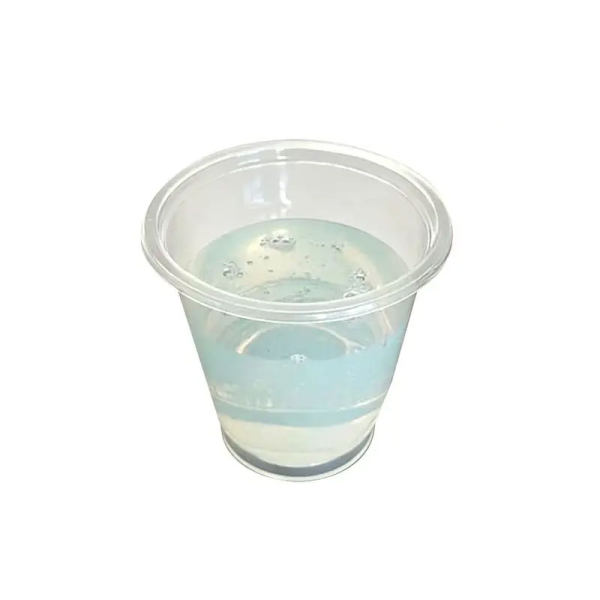
Polyurethane CAS#9009-54-5
Polyurethane<br/>PU<br/><br/>Polyurethane describes a family of polymers formed from isocyanates and hydroxyl-containing compounds. Formulation choices produce rigid, semi-rigid or elastic materials with differing toughness, adhesion and resistance characteristics. Typical applications include insulation foams, coatings, adhesives, elastomers and composite materials. Its broad processing flexibility supports uses in construction, transportation and consumer products, with properties determined by the particular polyurethane system.
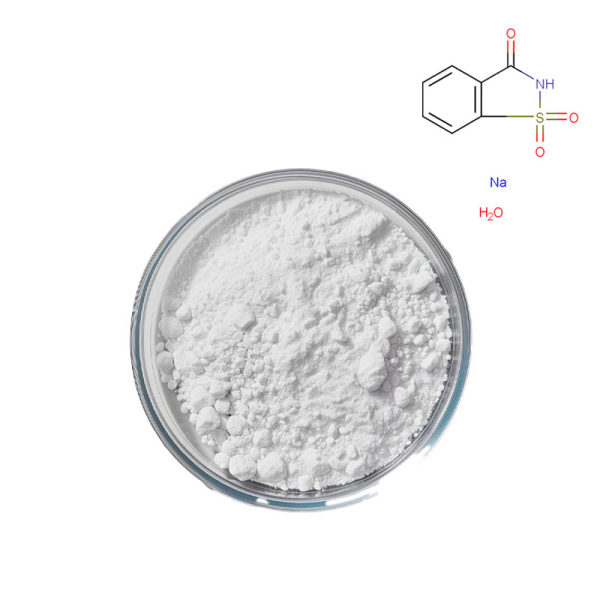
Saccharin sodium dihydrate CAS#6155-57-3
Saccharin sodium dihydrate<br/><br/>Saccharin sodium dihydrate is a hydrated artificial sweetener with an intense sweetness relative to sucrose. It is a non-nutritive ingredient used to provide sweetness without serving as a conventional sugar source. Typical applications include foods, beverages and pharmaceutical flavoring systems. The dihydrate designation identifies the material form and should be retained when selecting ingredients for a specific formulation.
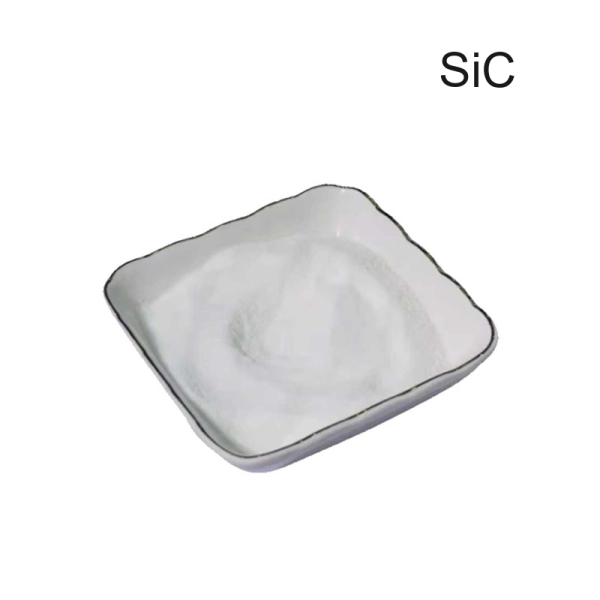
Silicon carbide CAS#409-21-2
Silicon carbide<br/><br/>Silicon carbide is a hard, covalently bonded refractory material with high abrasion resistance and tolerance of thermal shock. It occurs in multiple crystal structures, including cubic and hexagonal forms. Typical uses involve refractory components and bonded ceramic systems exposed to demanding wear or corrosion conditions. Reaction-bonded and sintered variants differ in physical behavior, while bonding-system selection influences permeability and chemical resistance.
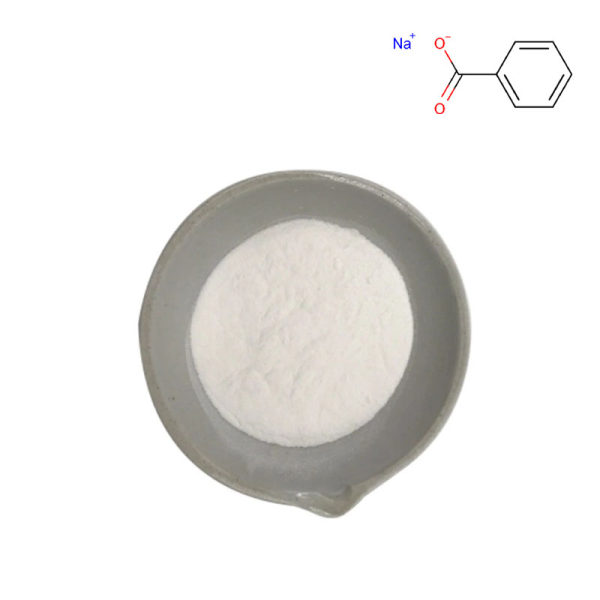
Sodium benzoate CAS#532-32-1
Sodium benzoate<br/><br/>Sodium benzoate is a hygroscopic preservative whose formulation role is closely linked to acidic conditions. It is used in beverages, jams, pickles, sauces, dressings and confectionery, with additional applications in suitable cosmetic and pharmaceutical formulations. Preservation behavior differs with acidity, making formulation conditions important when selecting it. The material is stable in air under ordinary conditions but requires attention to moisture exposure.
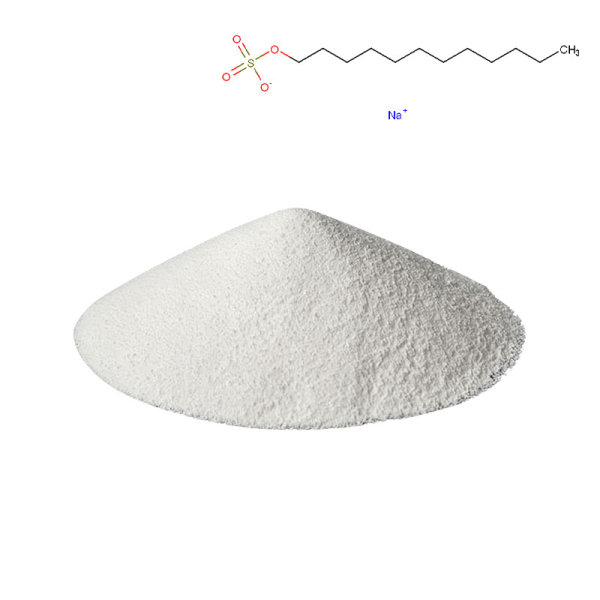
Sodium dodecyl sulfate CAS#151-21-3
Sodium dodecyl sulfate<br/>SDS<br/><br/>Sodium dodecyl sulfate, also called sodium lauryl sulfate or SDS, is an anionic surfactant supplied as white to pale yellow powder. It dissolves in water and provides foaming, emulsifying, wetting and dispersing functions. Typical applications include detergents, personal care formulations, textile processing and industrial cleaners. It is also used in emulsion polymerization and mineral flotation and is compatible with many anionic and nonionic ingredients.
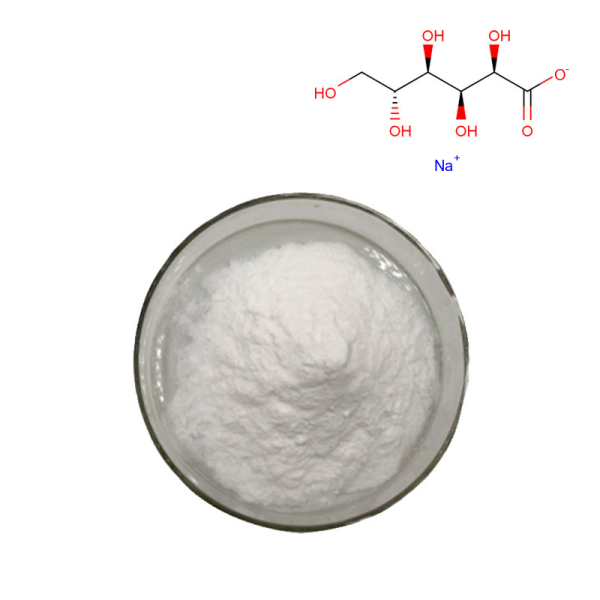
Sodium gluconate CAS#527-07-1
Sodium gluconate<br/>C₆H₁₁NaO₇<br/><br/>Sodium gluconate is the sodium salt of gluconic acid, commonly supplied as a white crystalline powder. It dissolves in water and complexes metal ions such as calcium and iron. Applications include concrete set-retarding admixtures, industrial water treatment and alkaline metal-cleaning formulations. Suitable grades are also used as chelating ingredients in personal care products, with formulation conditions determining compatibility and performance.
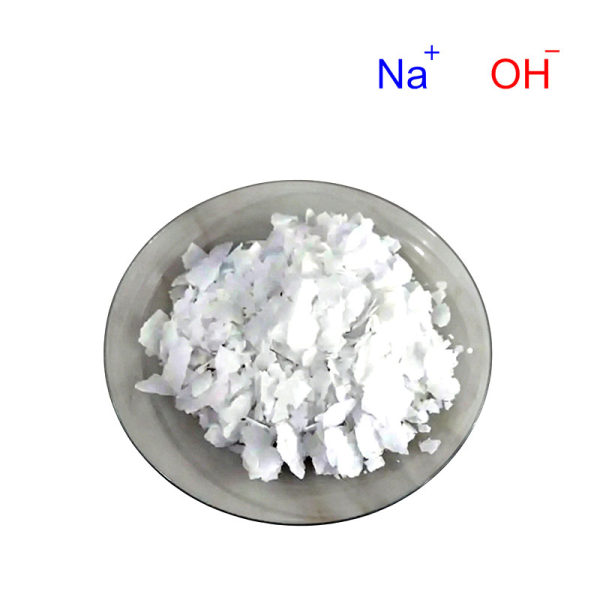
Sodium hydroxide CAS#1310-73-2
Sodium hydroxide<br/>caustic soda<br/>NaOH<br/>white flake/granular form<br/><br/>Sodium hydroxide, also known as caustic soda, is a strongly alkaline industrial chemical supplied in forms such as white flakes or granules. It absorbs atmospheric moisture and carbon dioxide and releases substantial heat when dissolved in water. Typical applications include pulp and paper processing, textile treatment, soap manufacture, industrial cleaning and chemical synthesis. Its corrosivity requires compatible processing equipment and controlled handling.
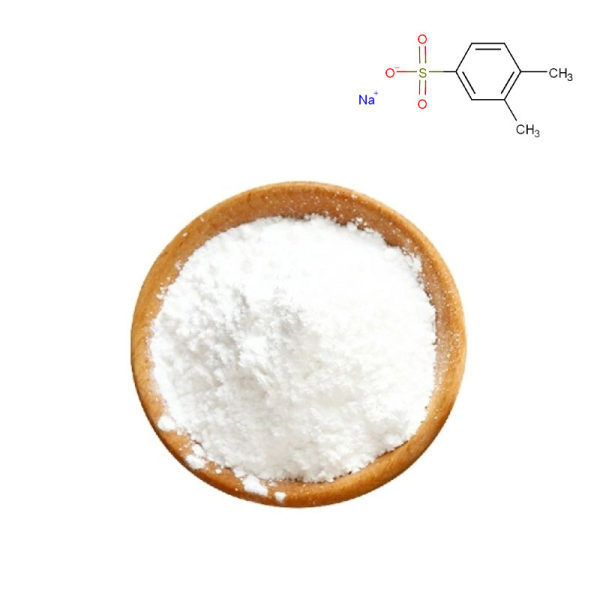
Sodium xylenesulfonate CAS#1300-72-7
Sodium xylenesulfonate<br/>SXS<br/>sodium xylene sulfonate<br/><br/>Sodium xylenesulfonate, often abbreviated SXS, is a hydrotrope used to incorporate poorly water-soluble ingredients into aqueous formulations. Typical applications include liquid laundry detergents, dishwashing products, hard-surface cleaners and industrial cleaning concentrates. It can also assist viscosity adjustment and ingredient compatibility. Effects vary with the surfactant system, electrolyte content and temperature, while specialized research uses include aqueous solubilization and liposome studies.
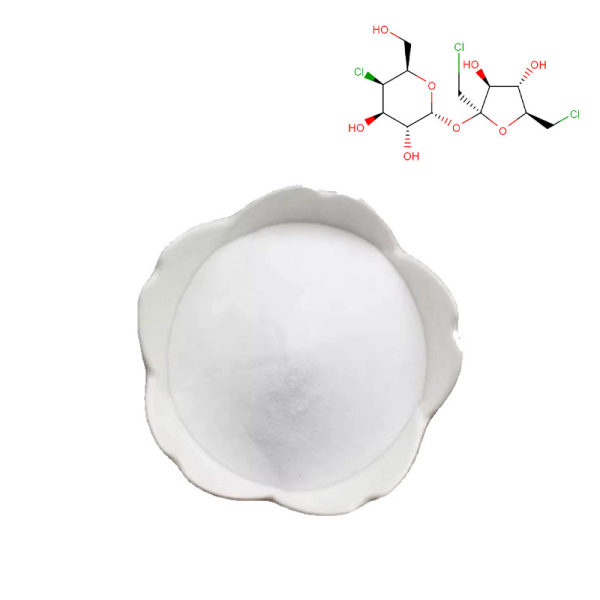
Sucralose CAS#56038-13-2
Sucralose<br/><br/>Sucralose is an intensely sweet, non-nutritive ingredient made from sucrose through selective chlorination. It dissolves readily in water and is used in food and beverage formulations as an alternative to conventional sugar sweetening. Its modified structure gives different chemical behavior from sucrose, including resistance to acid hydrolysis. Applications also include selected baked-food formulations, with processing conditions relevant to ingredient choice.
Send Us Your Inquiry Today