






Navigation
Send Us A Message
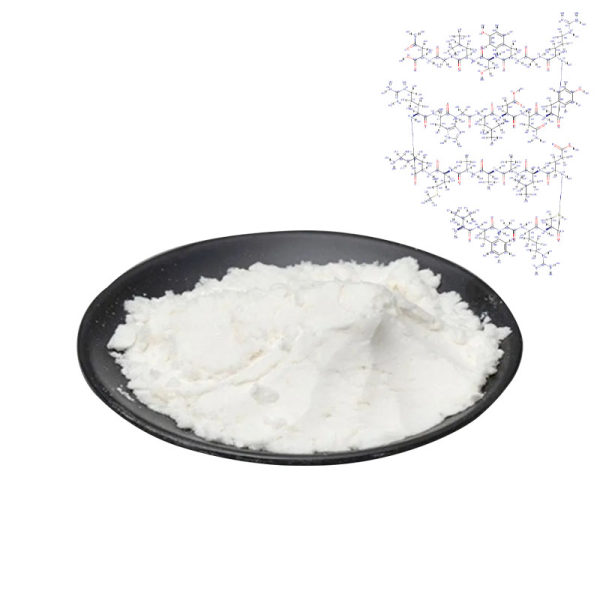
Lysozyme CAS#12650-88-3
Lysozyme<br/><br/>Lysozyme is an egg-derived enzyme used in food processing and biotechnology. The supplied material is described as stable across a broad range of acidity, a characteristic relevant to formulation and laboratory use. Typical applications include cheese and meat preservation systems and cell lysis procedures in biotechnology. It is also incorporated into selected oral-care formulations as an enzyme ingredient.
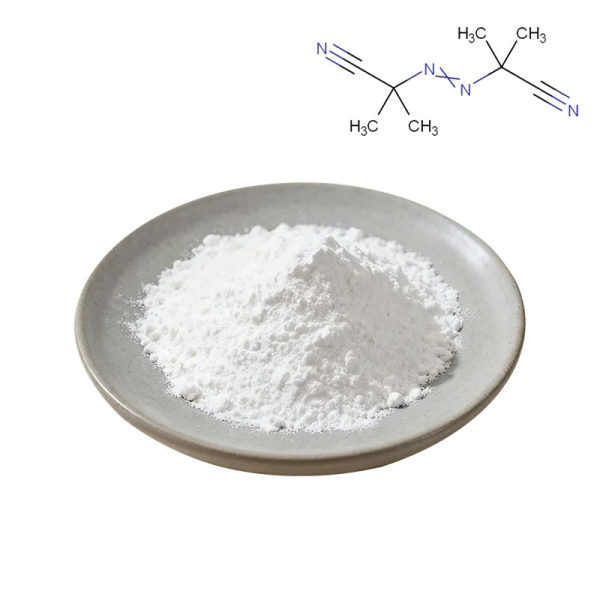
2,2'-Azobis(2-methylpropionitrile) CAS#78-67-1
2,2'-Azobis(2-methylpropionitrile)<br/>Azobisisobutyronitrile<br/>AIBN<br/>white powder<br/><br/>Azobisisobutyronitrile, commonly abbreviated AIBN, is a white powdered azo compound that dissolves in alcohols and many organic solvents but not in water. Its decomposition generates free radicals, making it useful as an initiator for vinyl polymerization and related chemical reactions. It is also employed as a blowing agent in plastics and rubber and in studies of radical polymerization kinetics.
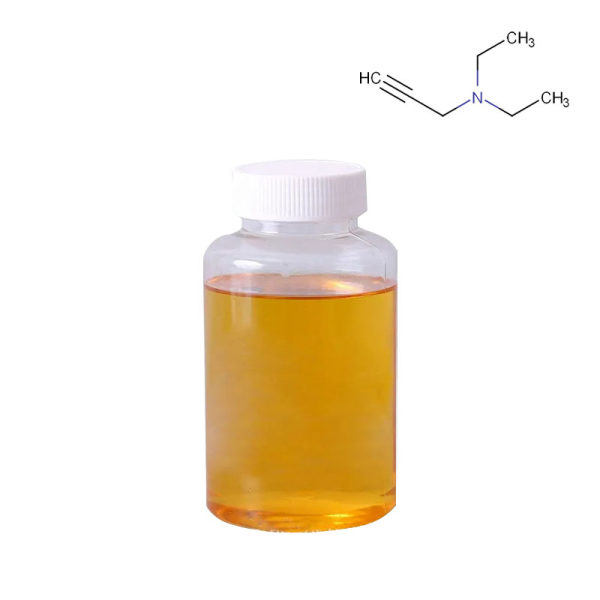
N,N-Diethylpropargylamine CAS#4079-68-9
N,N-Diethylpropargylamine<br/><br/>N,N-Diethylpropargylamine is a fine-chemical intermediate used in nickel and alloy plating formulations. Its reported water insolubility is relevant to bath preparation and formulation compatibility. Typical roles include brightening and leveling additives for nickel deposits, including electroless systems. Beyond surface treatment, it is used as an intermediate in pharmaceutical and pesticide synthesis, linking plating chemistry with specialty organic manufacture.
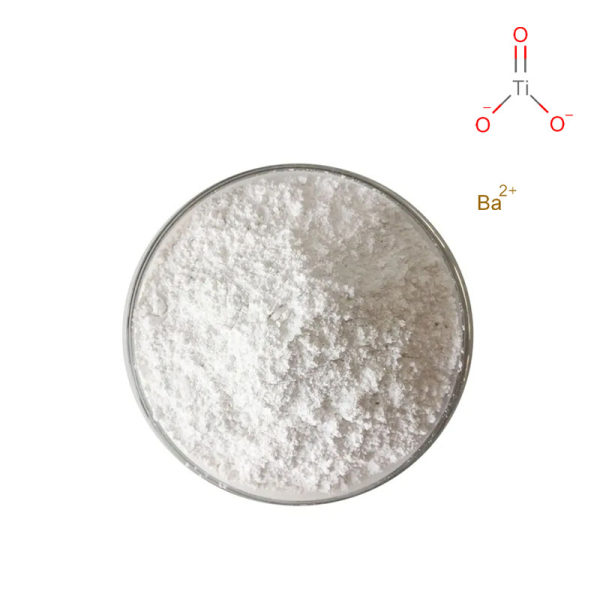
Barium titanate CAS#12047-27-7
Barium titanate<br/>BaTiO₃<br/>white powder<br/><br/>Barium titanate is a functional ceramic material with a perovskite structure, usually supplied as a white powder. Its dielectric, ferroelectric and piezoelectric characteristics depend on composition and processing. Typical applications include multilayer ceramic capacitors, thermistors and piezoelectric components. Particle size, dopants and firing conditions are important because capacitor powders, semiconducting thermistor compositions and piezoelectric grades are not interchangeable.
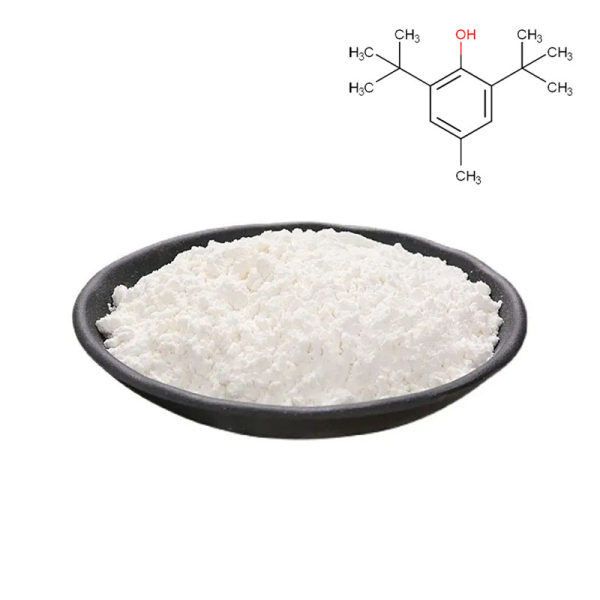
Bylaedydryluene CAS#128-37-0
Bylaedydryluene<br/>2,6-Di-tert-butyl-4-methylphenol<br/>BHT<br/>butylated hydroxytoluene<br/>white crystalline powder<br/><br/>Butylated hydroxytoluene, abbreviated BHT, is a phenolic antioxidant also known as di-tert-butyl methylphenol. It appears as a white crystalline powder with a faint characteristic odor. Water insolubility contrasts with good solubility in many organic solvents. Typical uses include antioxidant formulations, feed preservation, flavors and fragrances, and chemical raw materials, with additional applications in biochemical reagent work.
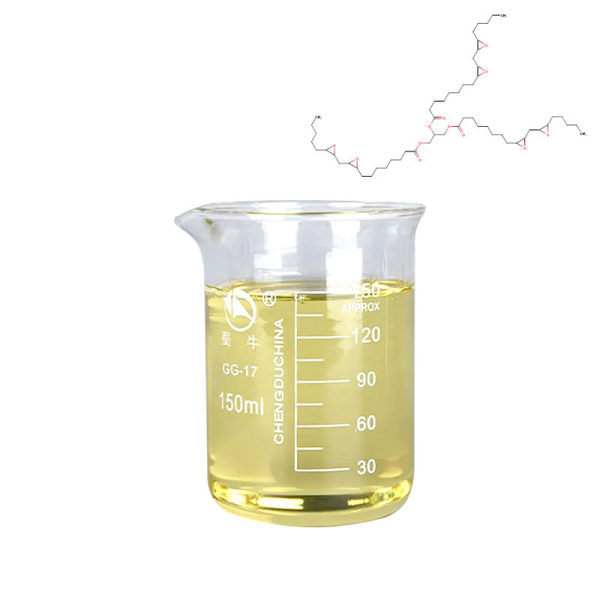
Epoxidized soya bean oil CAS#8013-07-8
Epoxidized soya bean oil<br/>Epoxidized soybean oil<br/><br/>Epoxidized soybean oil is a modified vegetable-oil additive used in polymer and lubricant formulations. In PVC processing, it functions as a plasticizer option within appropriately designed additive systems. It can also be modified for lubricant applications, where oxidation behavior and low-temperature fluidity are relevant formulation characteristics. These uses connect its epoxidized oil chemistry with both plastics processing and specialty lubrication.
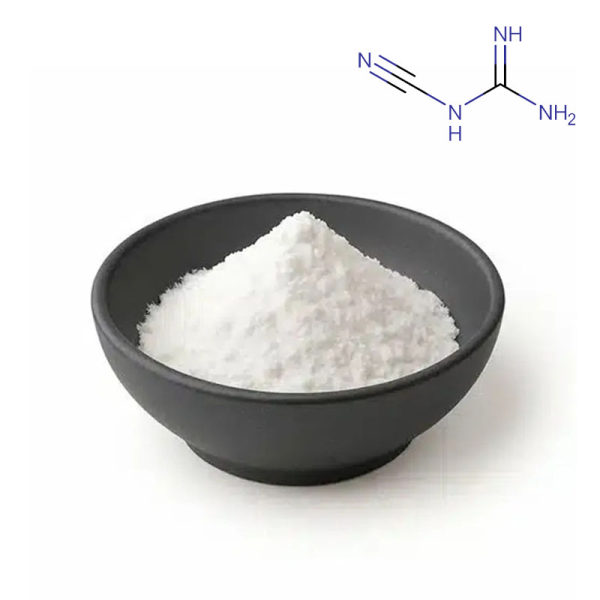
Dicyandiamide CAS#461-58-5
Dicyandiamide<br/>DICY<br/>DCD<br/>white crystalline powder<br/><br/>Dicyandiamide, known as DICY or DCD, is a cyanamide dimer supplied as a white crystalline powder. It dissolves in polar solvents but has little solubility in ether or benzene. In epoxy systems it acts as a latent heat-curing agent. Other uses include guanidine salt and melamine manufacture, dye-fixing resins, and fertilizer additives for managing soil nitrogen conversion.
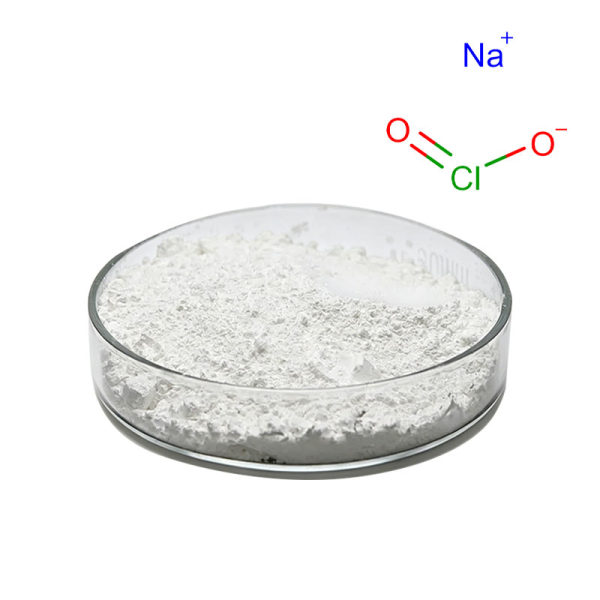
Sodium chlorite CAS#7758-19-2
Sodium chlorite<br/>NaClO₂<br/><br/>Sodium chlorite is a white crystalline oxidizing agent used chiefly as a raw material for chlorine dioxide generation in engineered treatment systems. Typical applications include industrial water treatment, pulp and paper bleaching, and textile processing. In organic synthesis it is employed in aldehyde-to-carboxylic-acid oxidation. Its strong oxidizing character makes material compatibility and controlled processing central to these applications.
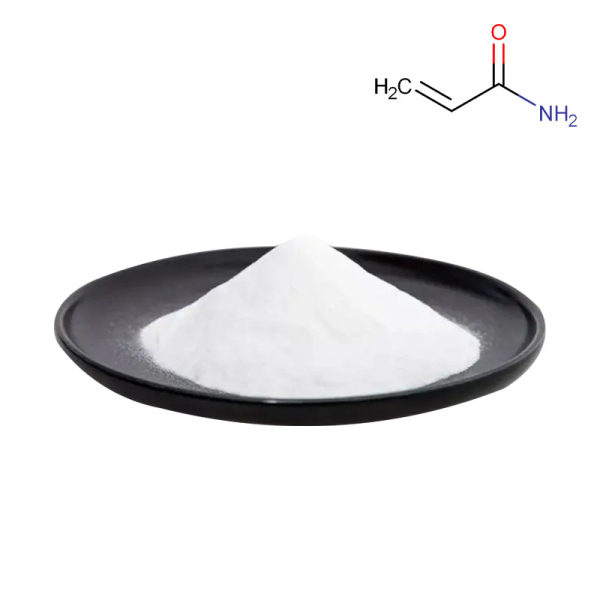
Acrylamide CAS#79-06-1
Acrylamide<br/><br/>Acrylamide is a water-soluble monomer supplied as a white crystalline solid or transparent flakes. Its principal use is the manufacture of polyacrylamide and related copolymers, rather than direct substitution for those finished polymers. Downstream applications include water-treatment flocculants, mineral-processing separation aids and papermaking additives. It also supplies intermediate chemistry for selected substituted acrylamides and related monomer production.
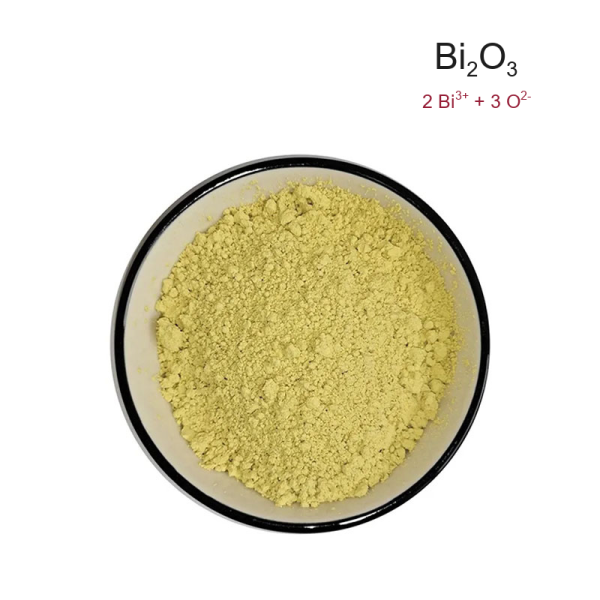
Bismuth(III) Oxide CAS#1304-76-3
Bismuth(III) Oxide<br/><br/>Bismuth(III) oxide is a basic metal oxide that dissolves in acidic solutions and can combine with other metal oxides during heating. It occurs in different structural modifications with differing appearance and properties. Typical applications include glass manufacture, catalysts, rubber vulcanization and specialty polymers. It is also used as a precursor in bismuth ferrite materials and other advanced inorganic synthesis.
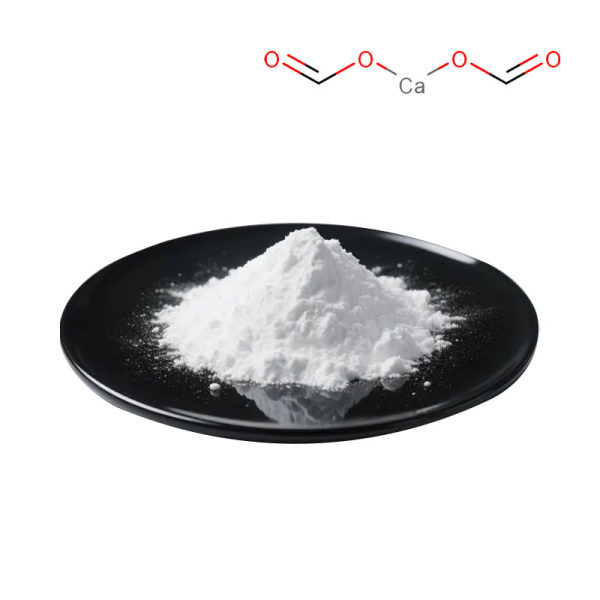
Calcium formate CAS#544-17-2
Calcium formate<br/><br/>Calcium formate is a white to off-white fine crystalline powder used in construction and other industrial formulations. In cement systems it serves as a setting accelerator, with effects on hydration and strength development dependent on the formulation. Additional applications include silage preservation, fine-ore briquette binding, drilling fluids and lubricants. Selected grades are also used as feed formulation ingredients for pigs and poultry.
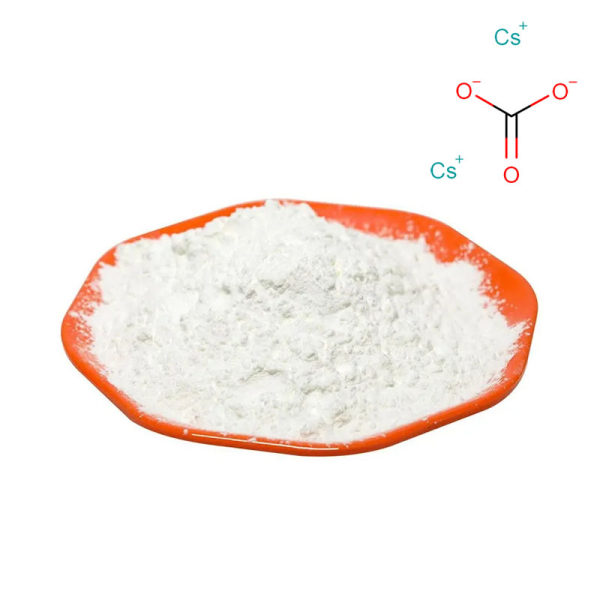
Cesium carbonate CAS#534-17-8
Cesium carbonate<br/>Cs₂CO₃<br/>white crystalline powder<br/><br/>Cesium carbonate is a white, hygroscopic inorganic solid that dissolves readily in water to form an alkaline solution. It serves as a base in organic synthesis, including alkylation and selected carbon-carbon or carbon-nitrogen coupling reactions. Further uses include manufacture of other cesium compounds and research on energy materials. Solvent compatibility and moisture content are important when selecting it for nonaqueous reactions.
Send Us Your Inquiry Today