






Navigation
Send Us A Message
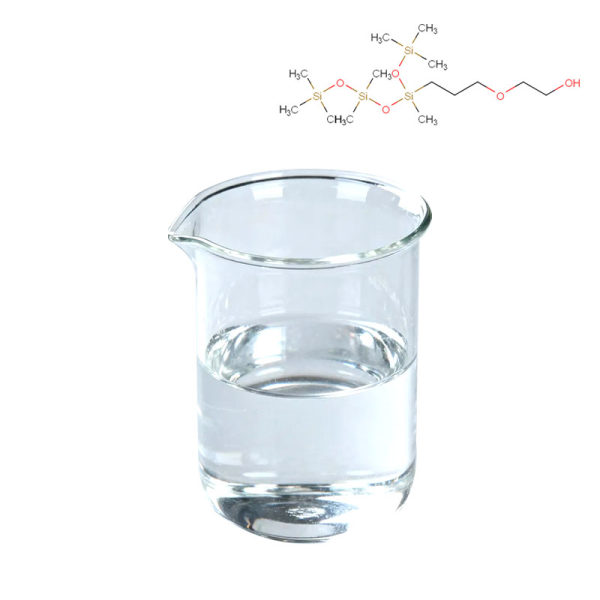
Carbinol (Hydroxyl) Terminated Polydimethylsiloxane CAS#67674-67-3
Carbinol (Hydroxyl) Terminated Polydimethylsiloxane<br/>Hydroxyl<br/><br/>Carbinol-terminated polydimethylsiloxane is an amphiphilic organosilicon liquid combining siloxane and polyoxyethylene segments. This structure balances water and oil compatibility, provides strong surface activity and supports uniform dispersion of particulate or film-forming ingredients. As a silicone-glycol wetting agent, it lowers water surface tension and improves coating uniformity, particularly in spray formulations. It is also used as an intermediate for silicone–polyether copolymers and in coatings, textiles and cosmetic formulations.
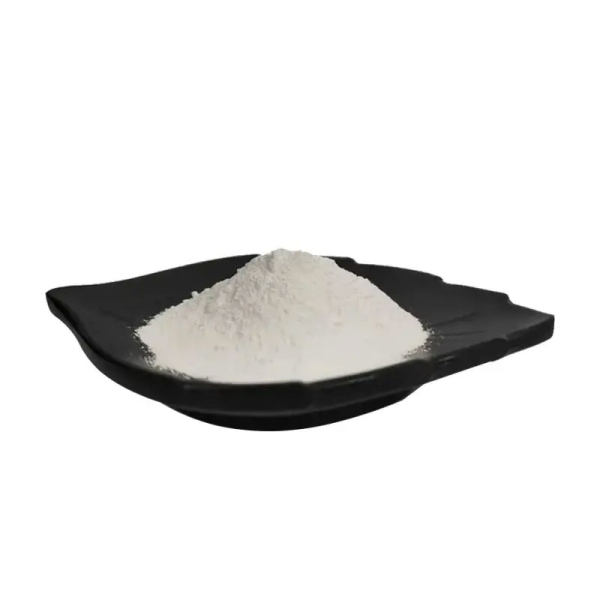
Sodium polyacrylate CAS#9003-04-7
Sodium polyacrylate<br/><br/>Sodium polyacrylate is a white, odorless, strongly hygroscopic polymer powder that dissolves gradually in water to form a highly viscous transparent solution. Its ionic groups expand the polymer chains, providing strong thickening and good resistance to heat, salts and organic acids. It is used as a scale inhibitor and detergent builder, and as a processing aid in soaps and detergents. Additional roles include water retention, slow release, suspension, stabilization, emulsification and absorption of water-based spills.
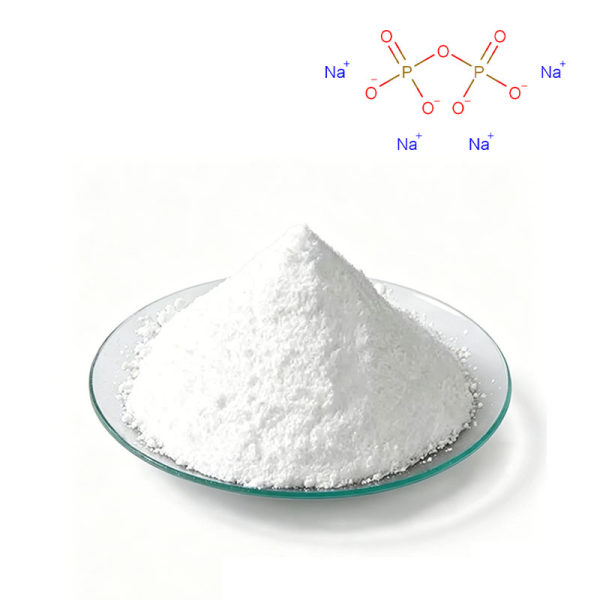
Tetrasodium pyrophosphate CAS#7722-88-5
Tetrasodium pyrophosphate<br/>tetrasodium diphosphate<br/>TSPP<br/><br/>Tetrasodium pyrophosphate is an odorless white powder or granule and a mildly alkaline, moderately water-soluble phosphate salt. It provides buffering, sequestration, dispersion, emulsification and water-softening functions in complex formulations. It is used in laboratory extraction buffers, detergents, metal cleaning and electrodeposition, wool degreasing and oral-care products. Food applications include instant puddings, processed meat and canned seafood, where it supports texture, dispersion and crystal control.
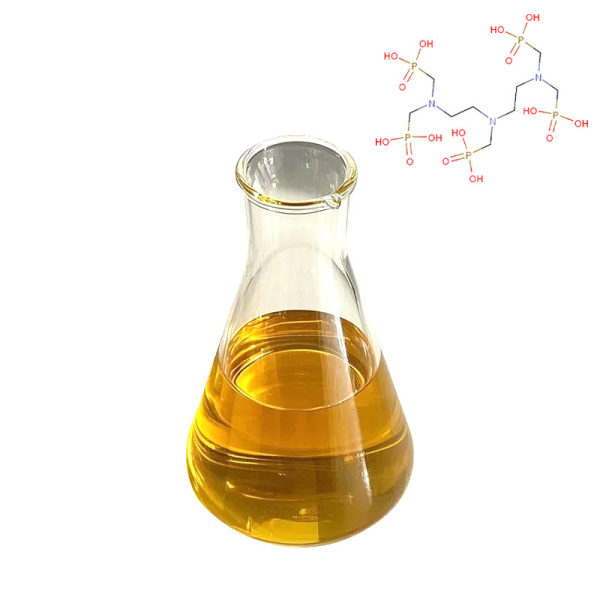
Diethylenetriaminepenta(methylene phosphonic acid) CAS#15827-60-8
Diethylenetriaminepenta(methylene phosphonic acid)<br/>DTPMP<br/>C₉H₂₈O₁₅N₃P₅<br/><br/>Diethylenetriaminepenta(methylene phosphonic acid) is a brown to reddish-brown, water-dispersible phosphonic acid liquid. It forms polynuclear complexes with steel ions and suppresses crystallization and growth of calcium carbonate and sulfate scales. DTPMP is used for corrosion and scale inhibition in aqueous systems and for research on wastewater pollutants, sulfate crystallization and lanthanide complexes. It is also a component in phosphorus-containing advanced materials.
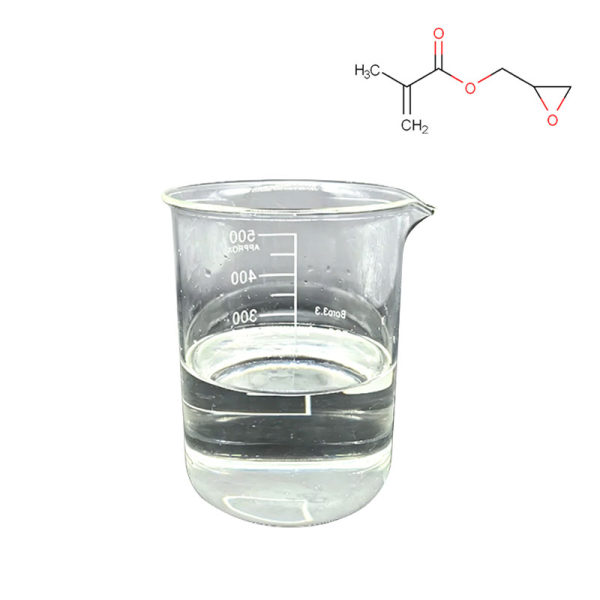
Glycidyl methacrylate CAS#106-91-2
Glycidyl methacrylate<br/>GMA<br/><br/>Glycidyl methacrylate is a clear, colorless liquid monomer with both a polymerizable methacrylate group and a reactive epoxy group. It is slightly miscible with water, soluble in most organic solvents and readily copolymerizes with acids, amines, phenols and ketones. It is used in epoxy-resin synthesis and in coatings, adhesives, plastics and elastomers to add durability, adhesion and mechanical strength. Other uses include functionalized polypropylene, macroporous sorbents and GMA-based hydrogels.
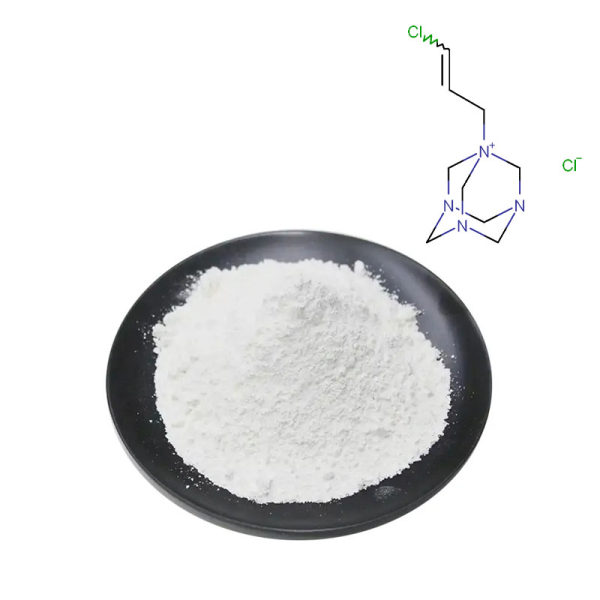
Quaternium-15 CAS#4080-31-3
Quaternium-15<br/><br/>Quaternium-15 is a cationic quaternary-ammonium preservative that releases formaldehyde gradually. This controlled-release structure provides broad antimicrobial preservation against bacteria, fungi and yeast, but sensitization and regulatory limits must be considered in finished formulations. It is used as a preservative and surfactant in cosmetics, personal-care products and industrial formulations where sustained microbial control is required.
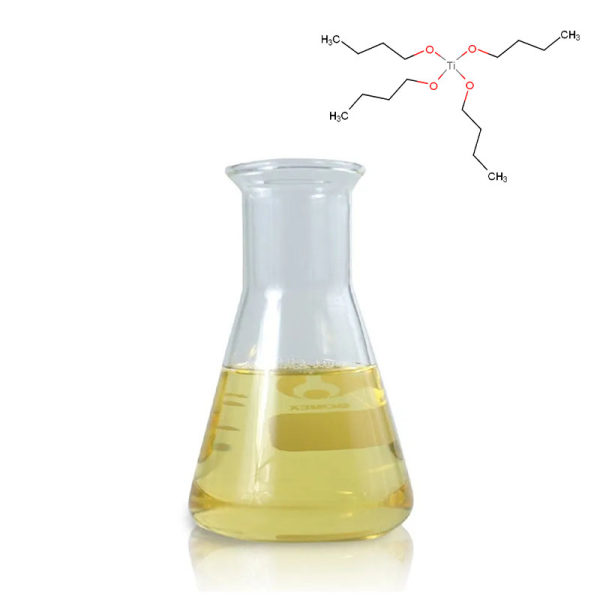
Tetrabutyl titanate CAS#5593-70-4
Tetrabutyl titanate<br/>IV<br/><br/>Tetrabutyl titanate is a colorless to pale-yellow transparent organotitanium liquid with an ester-like odor. It mixes with ethanol, ether and other organic solvents, but hydrolyzes and becomes cloudy on exposure to air or water. It is used as a titanium precursor for anatase nanocrystalline TiO2, bismuth titanate films, dye-sensitized solar cells and photocatalytic or self-cleaning coatings. It also serves as a synthesis intermediate and coating modifier.
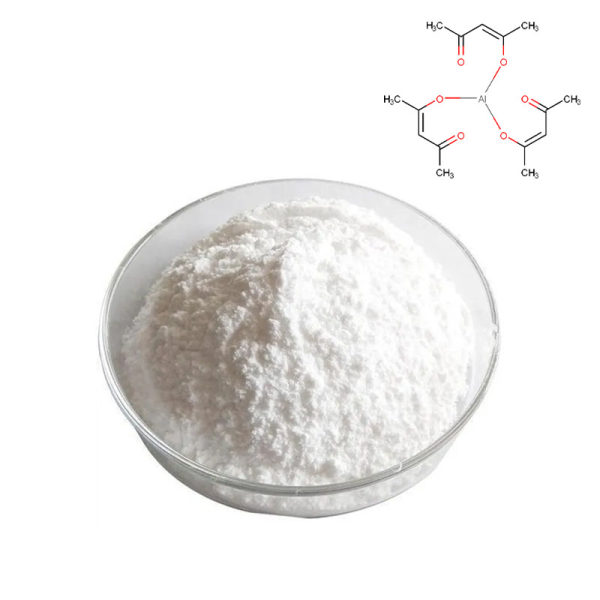
Aluminum acetylacetonate CAS#13963-57-0
Aluminum acetylacetonate<br/><br/>Aluminum acetylacetonate is a white crystalline coordination compound that is sparingly soluble in petroleum ether but dissolves in solvents including toluene, benzene, chloroform, ethanol and ether. Its defined solid form supports measured laboratory and process handling. It is used as an organometallic precursor and reagent in chemical processing. Its solvent compatibility and reactions with acids, alkalis and water at elevated temperature are relevant to synthesis and formulation work.
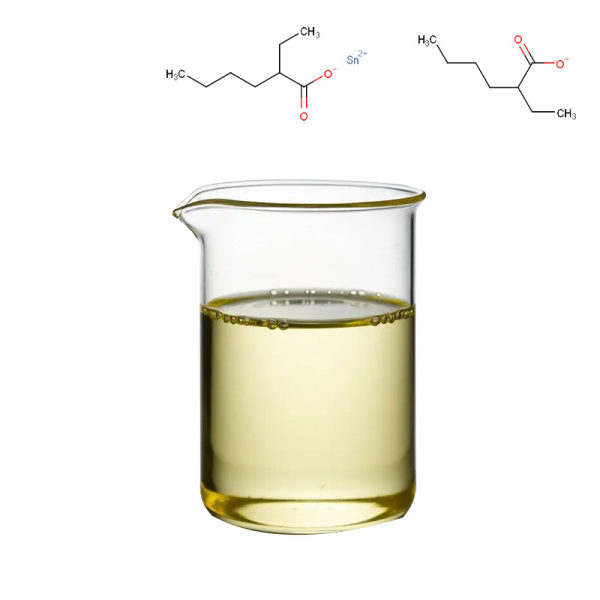
Stannous octoate CAS#301-10-0
Stannous octoate<br/><br/>Stannous octoate is a white to pale yellow-brown paste that dissolves in petroleum ether but not in water. It hydrolyzes and oxidizes readily, and its catalytic activity is higher than that of dibutyltin dilaurate in the supplied comparison. It is used as a polyurethane catalyst for soft polyether foams, coatings and elastomers, and in room-temperature-curing silicone rubbers. During foaming, tin oxidation also gives it a useful antioxidant role in the foam.
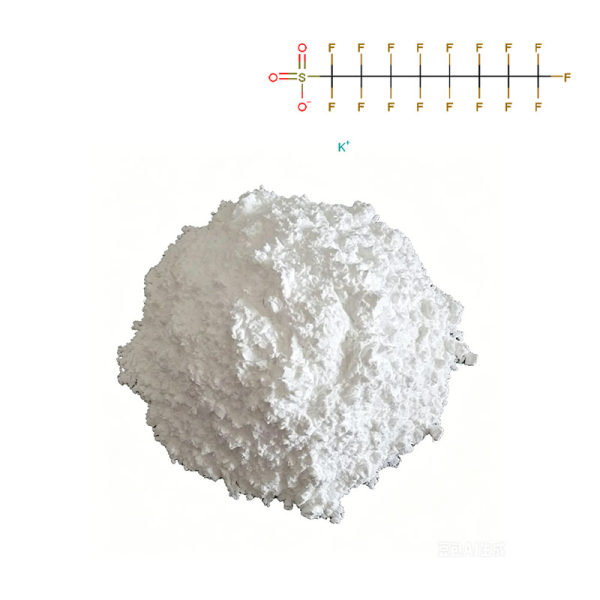
Potassium heptadecafluoro-1octanesulfonate CAS#2795-39-3
Potassium heptadecafluoro-1octanesulfonate<br/>PFOS-K<br/>potassium perfluorooctanesulfonate<br/><br/>Potassium perfluorooctanesulfonate, also called PFOS-K, is an organofluorine surfactant combining strong chemical persistence with surface-active behavior. Its fluorinated chain contributes water- and oil-repellent characteristics. Documented industrial applications include chromium mist suppression in electroplating, wetting formulations and fluoroprotein firefighting foams. Because the material is persistent and bioaccumulative, these applications are subject to strict restrictions rather than unrestricted general use.
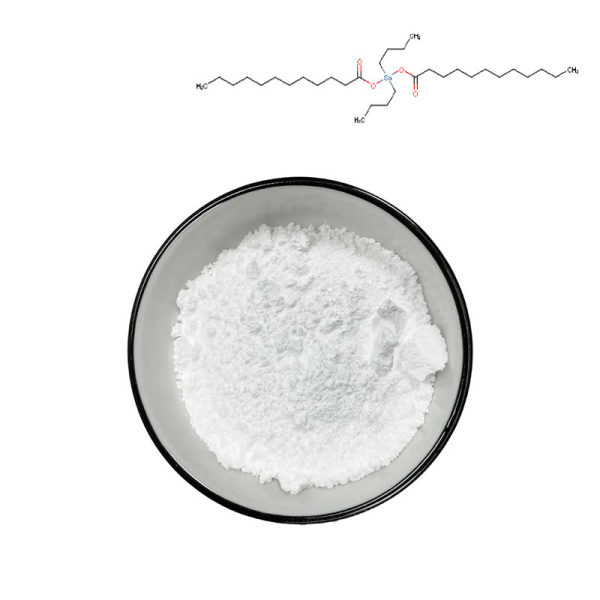
Dibutyltin dilaurate CAS#77-58-7
Dibutyltin dilaurate<br/><br/>Dibutyltin dilaurate is an organotin catalyst with low viscosity, allowing incorporation into liquid formulation systems. It is used in polyurethane foam production and curing, room-temperature-vulcanizing silicone sealants, and adhesive formulations. Additional applications include alkyd resin coatings and structural adhesives. Its catalytic role varies with the chemistry of the system, so formulation selection depends on the desired processing and cure behavior.
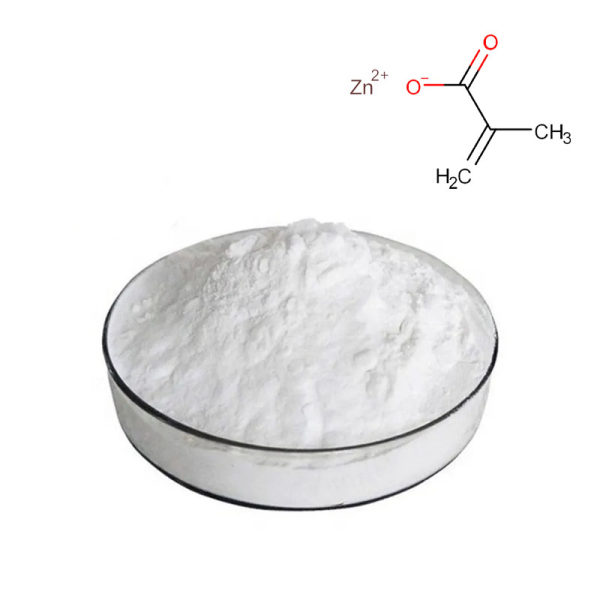
Zinc methacrylate CAS#13189-00-9
Zinc methacrylate<br/><br/>Zinc methacrylate is an organic zinc compound used in rubber and adhesive technology. Its application profile relates to mechanical properties and resistance to heat, oils and corrosion in formulated materials. Typical uses include rubber products, automotive sealants and cable sheath adhesives. It is also incorporated into two-component acrylate structural adhesives intended for service across differing temperature conditions.
Send Us Your Inquiry Today