






Navigation
Send Us A Message
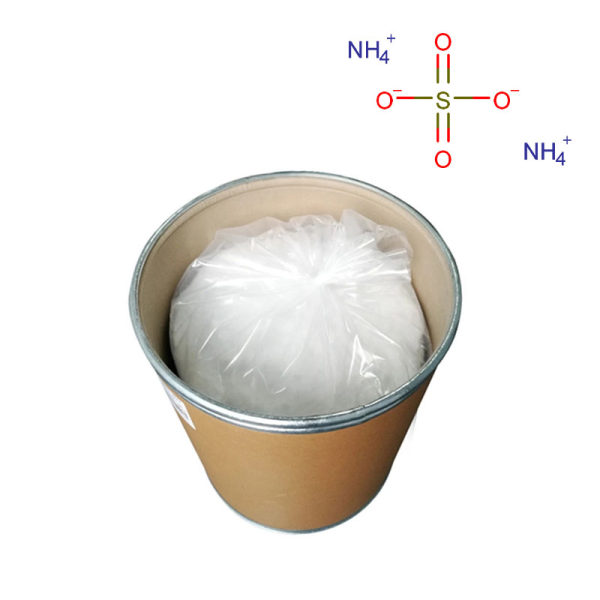
Ammonium sulfate CAS#7783-20-2
Ammonium sulfate<br/><br/>Ammonium sulfate is a white crystalline powder that dissolves readily in water but not in ethanol or acetone. It is generally stable under ordinary conditions and decomposes when strongly heated. Its main application is as an ammonium nitrogen fertilizer for agricultural crops. It is particularly associated with alkaline soils, where its acidifying character is relevant to fertilizer selection and soil management.
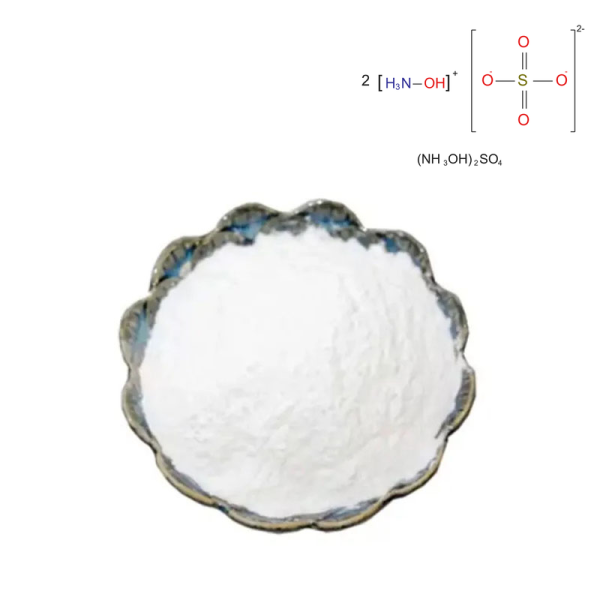
Hydroxylamine Sulfate CAS#10039-54-0
Hydroxylamine Sulfate<br/><br/>Hydroxylamine sulfate, also called hydroxylammonium sulfate, is a colorless crystalline reducing agent that dissolves readily in water and only slightly in alcohol. It supplies hydroxylamine functionality for converting aldehydes and ketones into oximes. Typical uses include chemical synthesis, textile processing, photographic development and coatings-related oxime manufacture. Further applications include rust-inhibiting formulations and short-stopping functions in synthetic rubber processing.
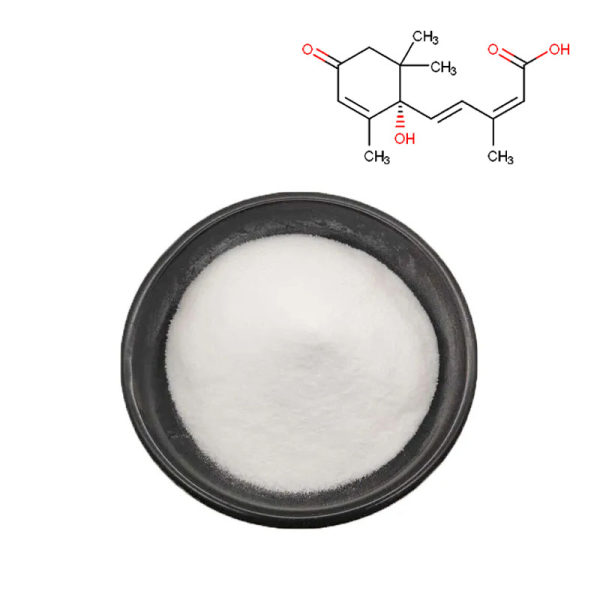
Abscisic Acid CAS#21293-29-8
Abscisic Acid<br/>ABA<br/><br/>Abscisic acid, commonly abbreviated ABA, is a plant hormone supplied as a white to off-white powder. It has limited water solubility but dissolves in several organic solvents and sodium bicarbonate solution. Typical applications include plant physiology research, agricultural growth-regulation formulations and ecological vegetation restoration. Its documented physiological roles involve dormancy, stomatal behavior, embryo development and responses to environmental stress.
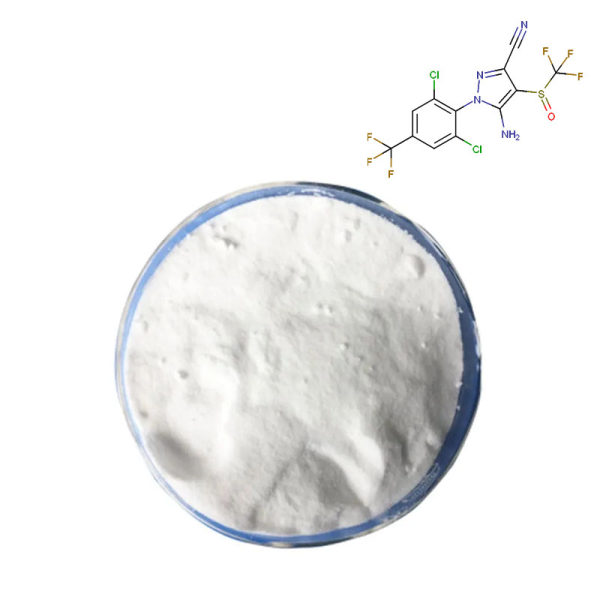
Fipronil CAS#120068-37-3
Fipronil<br/><br/>Fipronil is a phenylpyrazole insecticidal ingredient typically described as a white powder with low water solubility. It acts on insect nerve-signaling channels and generally binds strongly to soil, with persistence varying by environmental conditions. Registered applications can include agricultural and structural pest-control formulations. Selection must account for local authorization and risks to pollinators and aquatic organisms rather than treating persistence as an unrestricted benefit.
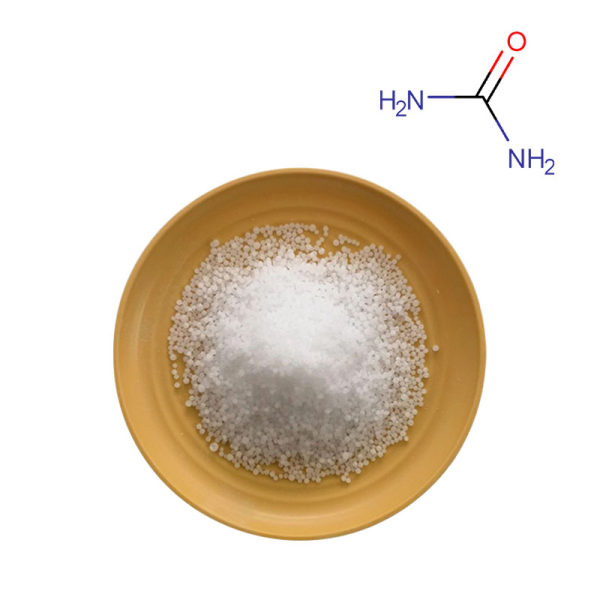
Urea CAS#57-13-6
Urea<br/><br/>Urea is a highly polar compound with extensive hydrogen-bonding interactions in both crystalline and aqueous environments. Its strong interaction with water accounts for ready aqueous dissolution. In biochemical work it is used to denature proteins, solubilize otherwise insoluble protein material and support refolding workflows. Such applications include processing inclusion-body proteins and preparing systems with other denaturants or reducing reagents.
Send Us Your Inquiry Today