






Navigation
Send Us A Message
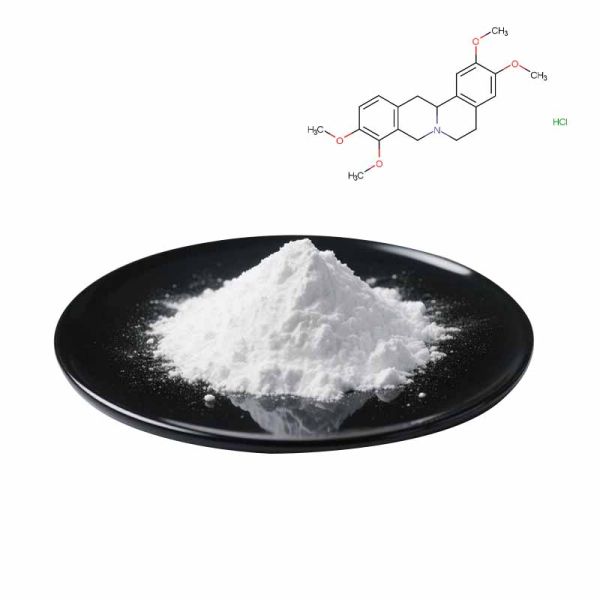
TETRAHYDROPALMATINE HYDROCHLORIDE CAS#6024-85-7
TETRAHYDROPALMATINE HYDROCHLORIDE<br/>DL-Tetrahydropalmatine Hydrochloride<br/><br/>DL-Tetrahydropalmatine hydrochloride is the hydrochloride form of tetrahydropalmatine associated with the traditional botanical source Corydalis. Its salt identity and racemic designation distinguish it from other forms of the compound. The described applications concern laboratory work involving dopamine D2 receptors and experimental cardiovascular responses, without establishing a therapeutic effect or a specific physical form.
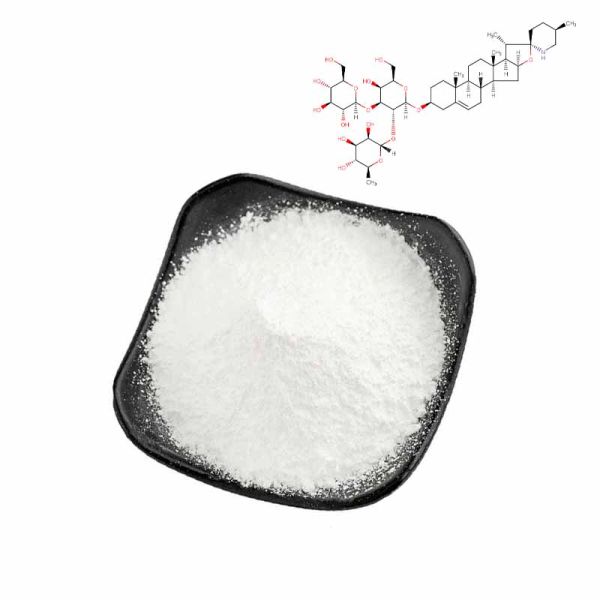
SOLASONINE CAS#19121-58-5
SOLASONINE<br/><br/>Solasonine is a naturally occurring glycoalkaloid isolated from Solanum species and available in hydrous and anhydrous forms. It can form salts and undergo hydrolysis to yield solasodine and sugar components. Its applications include natural-product characterization and laboratory studies involving Gli-mediated transcription, with hydration state relevant to material identification.
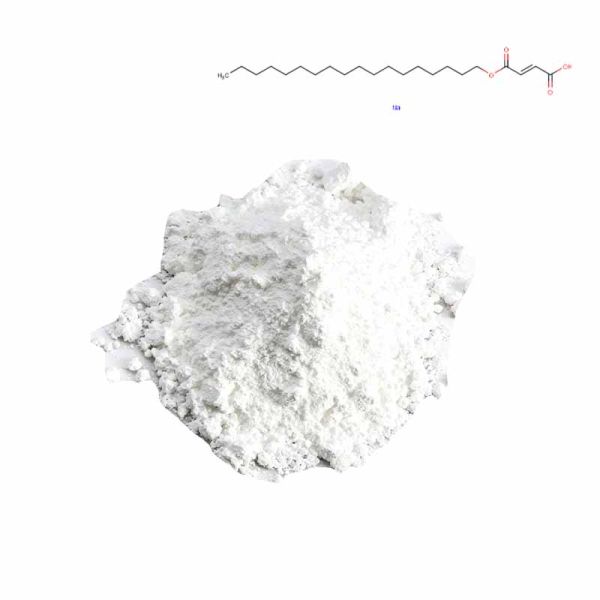
Sodium Stearyl Fumarate CAS#4070-80-8
Sodium Stearyl Fumarate<br/>SSF<br/><br/>Sodium stearyl fumarate, abbreviated SSF, is a white powder that is practically insoluble in water. It is used as a lubricant in tablet and capsule manufacture to reduce die-wall friction and material sticking. Food-processing applications include dough conditioning for yeast-leavened products and conditioning or stabilization of dehydrated potato preparations.
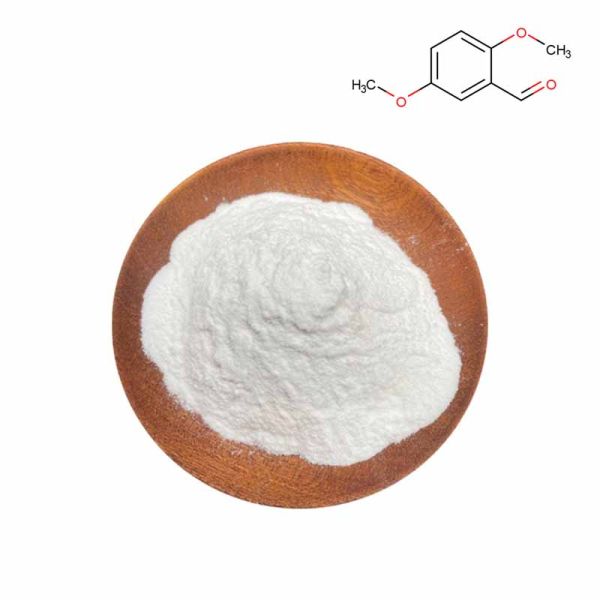
2,5-Dimethoxybenzaldehyde CAS#93-02-7
2,5-Dimethoxybenzaldehyde<br/><br/>2,5-Dimethoxybenzaldehyde is a substituted benzaldehyde used as an intermediate in organic synthesis. Its aldehyde group and two methoxy substituents define a building block for further molecular construction. The supplied applications focus on preparing substituted phenethylamine derivatives for specialized chemical research, without establishing a physical form, solvent profile, or additional product alias.
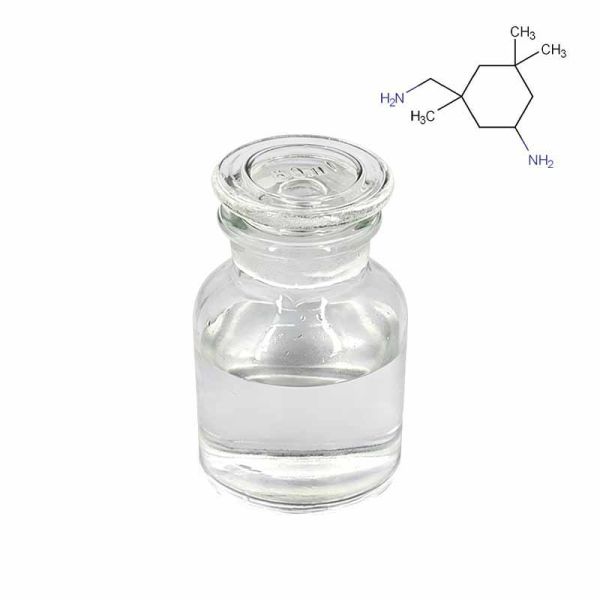
Isophorondiamine CAS#2855-13-2
Isophorondiamine<br/>IPDA<br/>1-Amino-3-aminomethyl-3,5,5-trimethylcyclohexane<br/>Colorless to pale yellow liquid<br/><br/>Isophorone diamine, abbreviated IPDA, is a colorless to pale yellow aliphatic amine liquid used to cure epoxy resins. It is also identified as 1-amino-3-aminomethyl-3,5,5-trimethylcyclohexane. Typical applications include epoxy floor coatings and adhesives, where the curing system contributes low color, chemical resistance, and flexural strength to the finished polymer material.
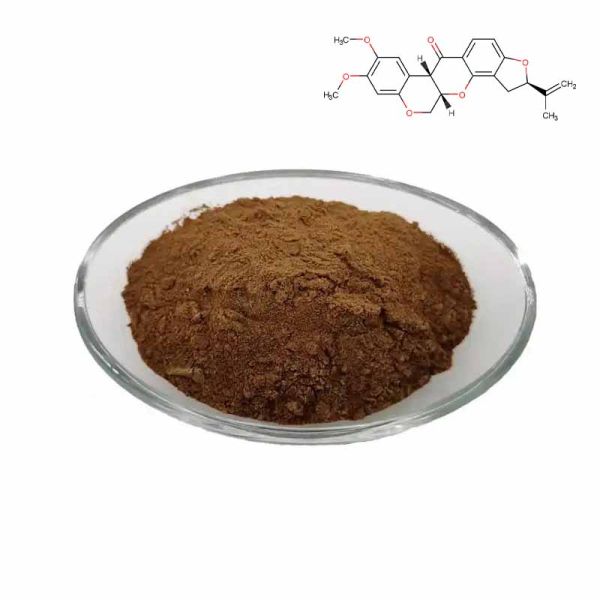
Rotenone CAS#83-79-4
Rotenone<br/><br/>Rotenone is a botanical compound obtained from Derris roots and related plant sources. Its interaction with mitochondrial respiratory enzymes underlies its historical insecticidal applications. Current uses described include controlled invasive-fish removal and aquatic management, while crop-pest uses depend on jurisdiction because non-fishery applications have been phased out in some regions.
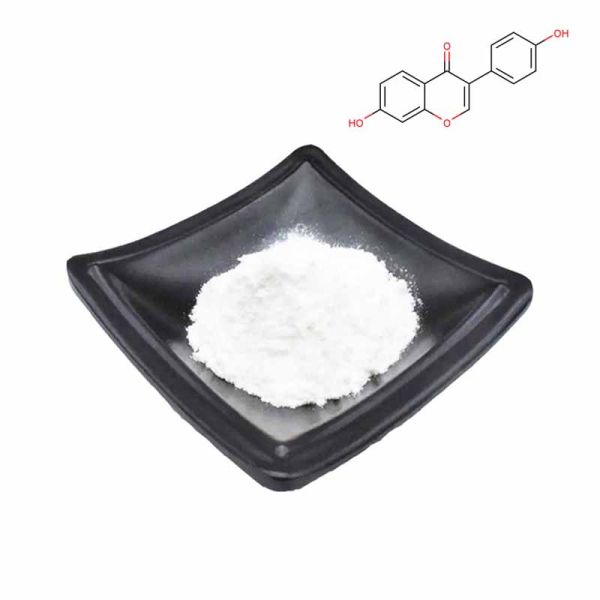
Daidzein CAS#486-66-8
Daidzein<br/><br/>Daidzein is a plant-derived isoflavone found in soybean, red clover, and Pueraria roots. This compound is a principal constituent of soy and kudzu extracts and is studied for its interactions with casein kinase II, GABA receptors, and ultraviolet absorption. It is used in phytochemical, pharmaceutical, food-ingredient, cosmetic, and laboratory research involving botanical metabolites.
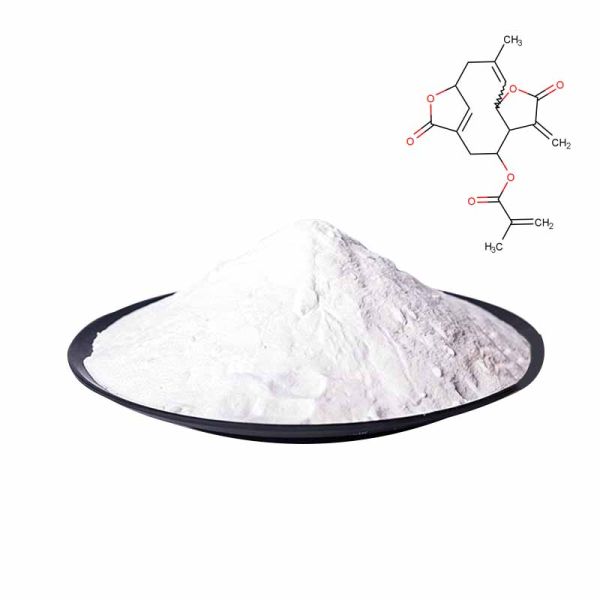
Isodeoxyelephantpin CAS#38927-54-7
Isodeoxyelephantpin<br/>C19H20O6<br/>white solid<br/><br/>Isodeoxyelephantopin is a naturally occurring sesquiterpene lactone isolated from Elephantopus mollis or Elephantopus scaber. Supplied as a white solid, it is used in scientific studies of sesquiterpene chemistry, inflammatory responses, and reported activity in breast-cancer research. Its defined botanical origin and solid form support extraction, characterization, and experimental compound-development work.
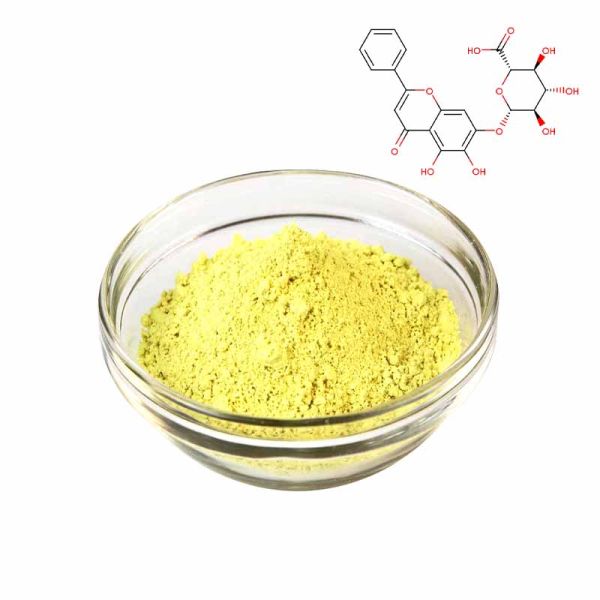
Baicalin CAS#21967-41-9
Baicalin<br/><br/>Baicalin is a flavonoid obtained from Scutellaria baicalensis. It is investigated for antioxidant, anti-inflammatory, antiviral, antibacterial, antitumor, and cell-protective activities, including research involving autoimmune disorders, viral replication, cancer models, and oxidative stress. The compound is suited to phytochemical, pharmaceutical, biochemical, and formulation research rather than a single application claim.
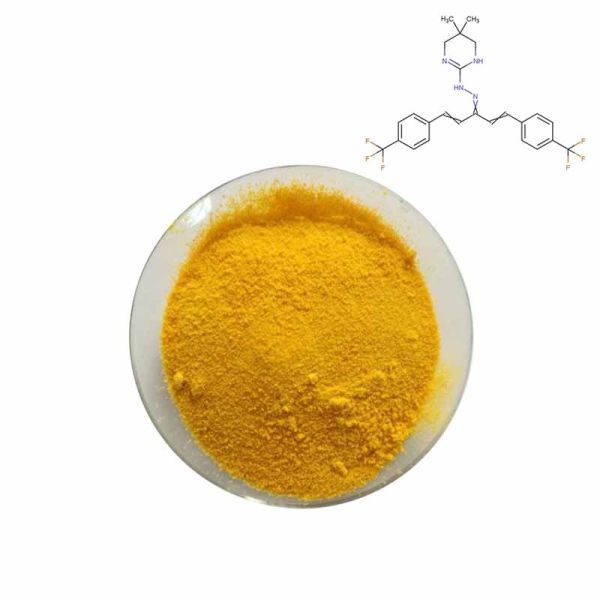
Hydramethylnon CAS#67485-29-4
Hydramethylnon<br/><br/>Hydramethylnon is a trifluoromethyl aminohydrazone organic pesticide used against termites, ants, crickets, cockroaches, and related pests. Its slow action allows bait-carrying worker ants to transport the active substance back to the nest, supporting colony-targeted control. It is formulated in baits, granules, liquids, foams, gels, and other agricultural or household pest-management products.
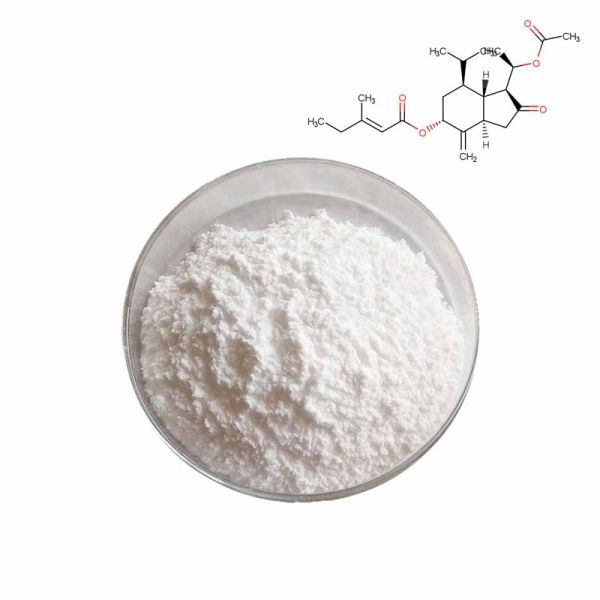
Tussilagone CAS#104012-37-5
Tussilagone<br/>white crystalline powder<br/><br/>Tussilagone is a plant-derived compound presented as a white crystalline powder. It is soluble in ether, chloroform, ethyl acetate, and methanol, while insoluble in water. Obtained from Tussilago farfara flower buds and Senecio kleinia roots, it is used in phytochemical extraction and research on inflammatory responses and botanical active constituents.
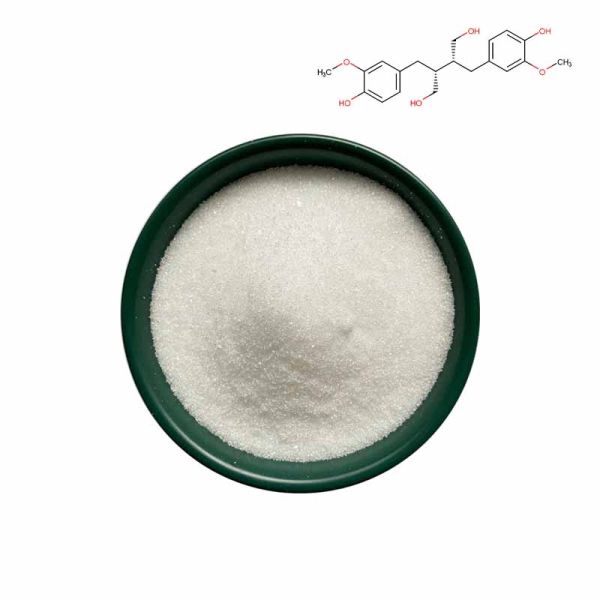
SECOISOLARICIRESINOL CAS#29388-59-8
SECOISOLARICIRESINOL<br/><br/>(-)-Secoisolariciresinol is the enantiomer with the specified negative stereochemical configuration and is a plant-derived lignan and phytoestrogen. It is studied as a metabolite related to enterolignan formation, antioxidant activity, antimicrobial effects, and traditional botanical preparations. Applications include phytochemical profiling, intestinal microbial metabolism studies, pharmacological research, and stereochemical comparison with its mirror-image enantiomer.
Send Us Your Inquiry Today