






Navigation
Send Us A Message
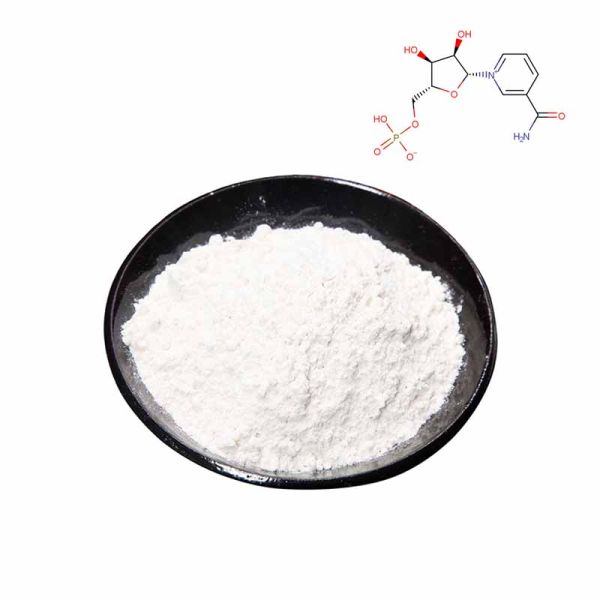
β-Nicotinamide Mononucleotide CAS#1094-61-7
β-Nicotinamide Mononucleotide<br/>NMN<br/><br/>β-Nicotinamide mononucleotide, abbreviated NMN, combines nicotinamide with ribose phosphate and exists in a zwitterionic form. Its role as an intermediate in NAD biosynthesis makes it relevant to metabolic pathway studies. Applications described include biochemical research, pharmaceutical investigations, and formulation development for food, supplements, and cosmetics, without implying an anti-aging benefit.
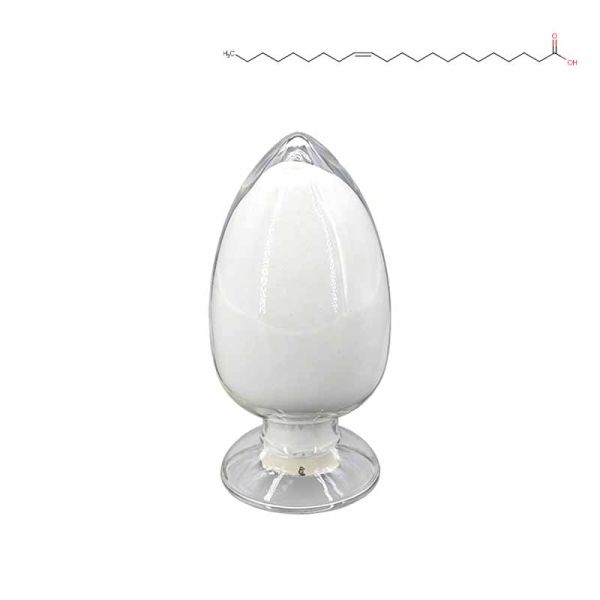
Erucic Acid CAS#112-86-7
Erucic Acid<br/>cis-13-Docosenoic Acid<br/><br/>Erucic acid, also known as cis-13-docosenoic acid, is a long-chain monounsaturated omega-9 fatty acid associated with rapeseed, mustard seed, and related plants. Its industrial applications include lubricants, chemical-fiber oiling agents, processing auxiliaries, and marine protective coatings. It also serves as a biochemical raw material and an ingredient for modifying cosmetic texture.
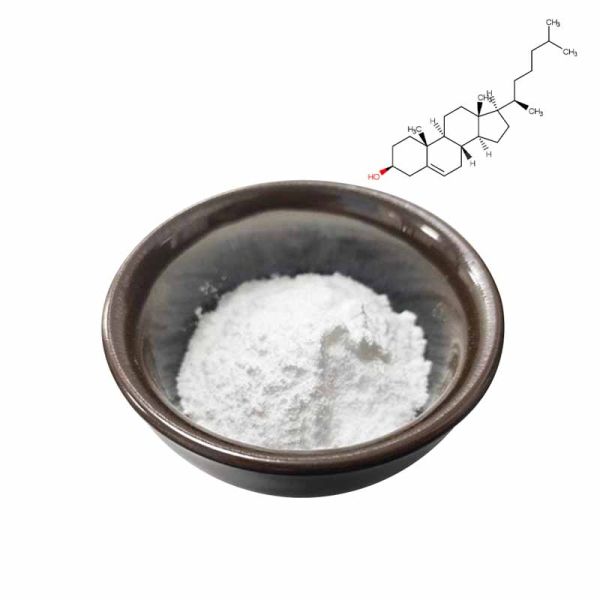
Cholesterol CAS#57-88-5
Cholesterol<br/>Waxy solid<br/><br/>Cholesterol is a waxy, fat-like biochemical material naturally associated with cell structures and steroid-related biosynthesis. It serves as a raw material for hormone and vitamin D production and as an emulsifying ingredient. Laboratory uses include brain phospholipid investigations and cholesterol flocculation tests, distinguishing its reagent applications from general dietary descriptions.
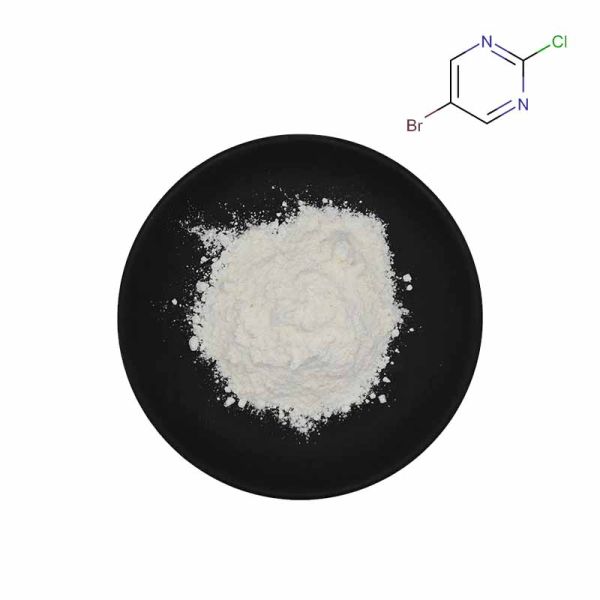
5-Bromo-2-chloropyrimidine CAS#32779-36-5
5-Bromo-2-chloropyrimidine<br/><br/>5-Bromo-2-chloropyrimidine is a halogenated pyrimidine building block bearing bromine and chlorine at distinct ring positions. These substituents provide sites for further chemical transformation. It is used in pharmaceutical synthesis, including macitentan intermediates, and in cross-coupling studies involving indium-based organometallic reagents, supporting the construction of more complex substituted pyrimidine compounds.
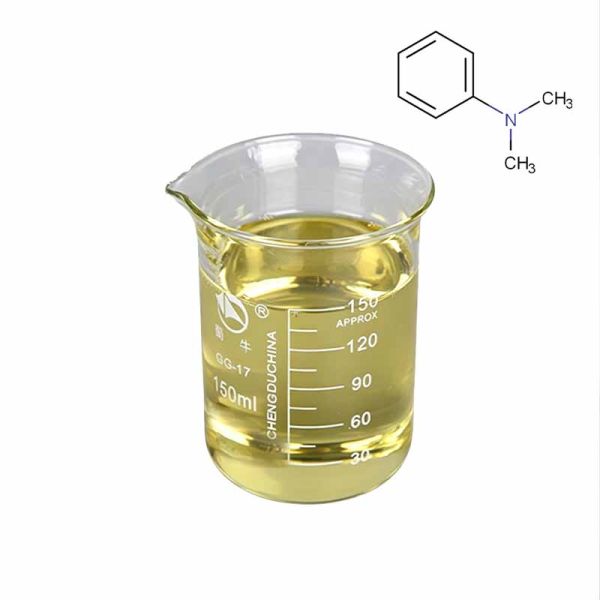
N,N-Dimethylaniline CAS#121-69-7
N,N-Dimethylaniline<br/>Pale yellow oily liquid<br/><br/>N,N-Dimethylaniline is a tertiary aromatic amine supplied as a pale yellow oily liquid with a sharp odor. It dissolves in many organic solvents but only slightly in water. Applications include basic and cationic dye manufacture, resin curing, solvent systems, pharmaceutical intermediates, vanillin synthesis, and chemical analysis involving this reactive aniline derivative.
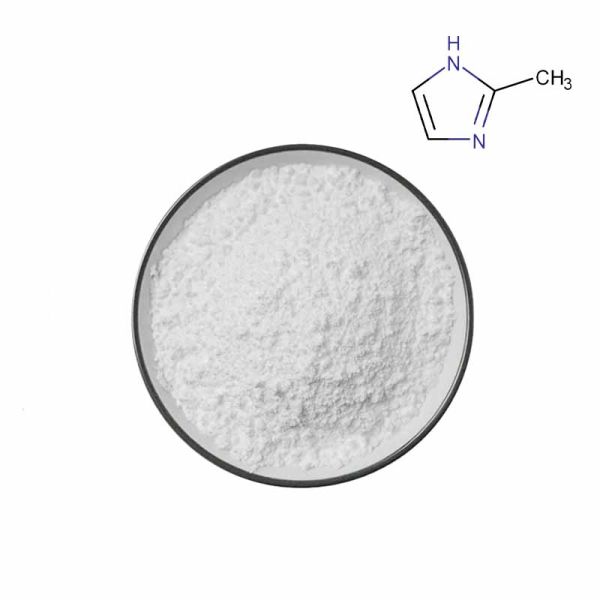
2-Methylimidazole CAS#693-98-1
2-Methylimidazole<br/>White to light yellow crystalline powder<br/><br/>2-Methylimidazole is a monomethylated imidazole appearing as white to light yellow crystalline powder with an amine-like odor. It dissolves readily in water, alcohols, and ketones, while showing poor solubility in ether and cold benzene. It is used as an organic synthesis building block and in studies of fluorescent-protein refolding catalysis.
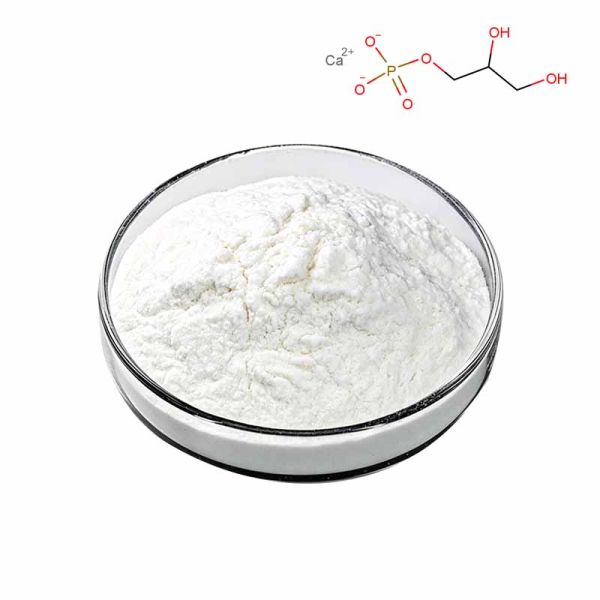
CALCIUM GLYCEROPHOSPHATE CAS#27214-00-2
CALCIUM GLYCEROPHOSPHATE<br/>White crystalline powder<br/><br/>Calcium glycerophosphate is an odorless, hygroscopic white crystalline powder that forms alkaline aqueous solutions. Its water solubility increases in the presence of citric or lactic acid and varies with temperature, while it is insoluble in ethanol. Typical applications include calcium-containing food formulations, pharmaceutical preparations, and toothpaste products requiring this glycerophosphate salt.
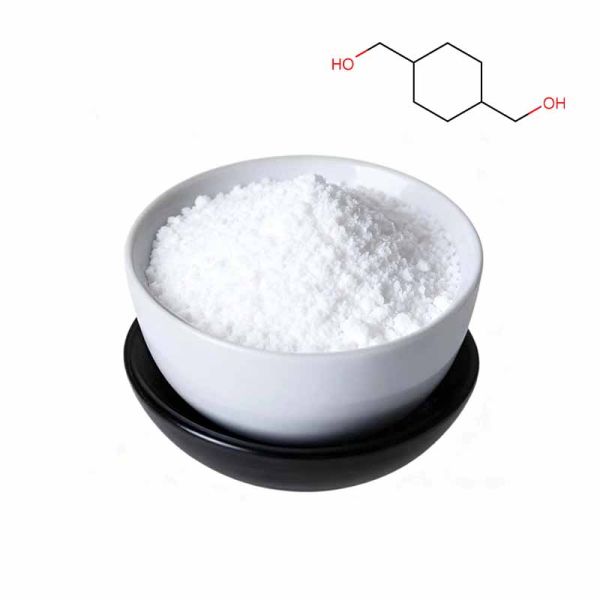
1,4-Cyclohexanedimethanol CAS#105-08-8
1,4-Cyclohexanedimethanol<br/>White waxy solid<br/><br/>1,4-Cyclohexanedimethanol is a white waxy diol that becomes a clear, viscous liquid when melted. Cis and trans forms have different melting behavior. Compatible with water, alcohols, and ketones, it is used as a polyester precursor and PET comonomer, with additional applications in polyketal copolymers and polyester-carbonate synthesis.
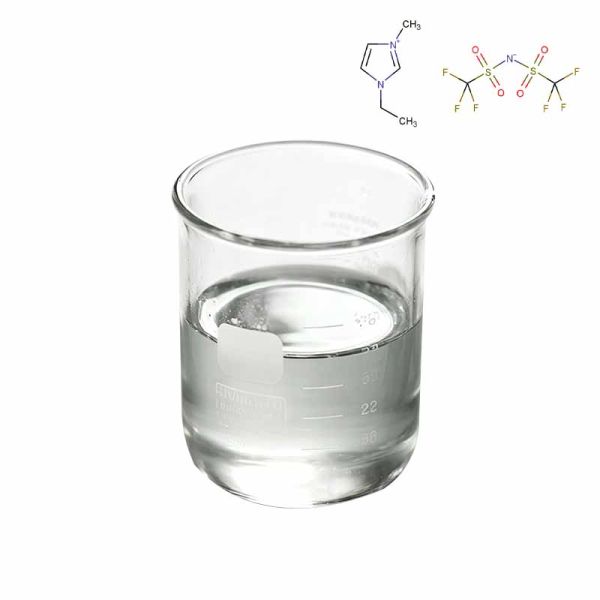
1-ETHYL-3-METHYLIMIDAZOLIUM BIS(TRIFLUOROMETHYLSULFONYL)IMIDE CAS#174899-82-2
1-ETHYL-3-METHYLIMIDAZOLIUM BIS(TRIFLUOROMETHYLSULFONYL)IMIDE<br/>[EMIM][N(Tf)₂]<br/>Ionic liquid<br/><br/>1-Ethyl-3-methylimidazolium bis(trifluoromethylsulfonyl)imide is a room-temperature ionic liquid with low volatility, thermal stability, and useful electrical conductivity. Its broad electrochemical window and ability to dissolve gases support oxygen electroreduction, gas absorption, and analytical studies. Other applications include synthesis solvents, nanomaterial preparation, ammonia detection, and thermally responsive ionic-liquid gel systems.
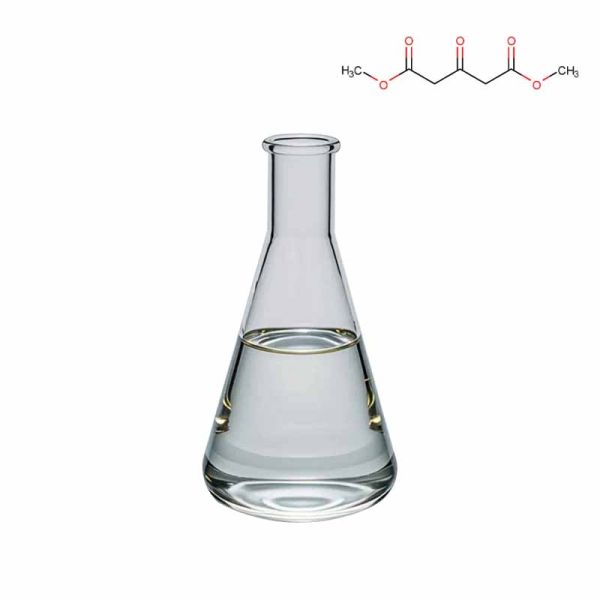
Dimethyl 1,3-acetonedicarboxylate CAS#1830-54-2
Dimethyl 1,3-acetonedicarboxylate<br/>Colorless to pale yellow liquid<br/><br/>Dimethyl 1,3-acetonedicarboxylate is a colorless to pale yellow liquid used as a multifunctional organic synthesis intermediate. Its liquid form supports mixing and incorporation into reaction systems. Specific applications include the preparation of optically active lycorane and bispidone derivatives, with the latter used as ligands in positron emission tomography research.
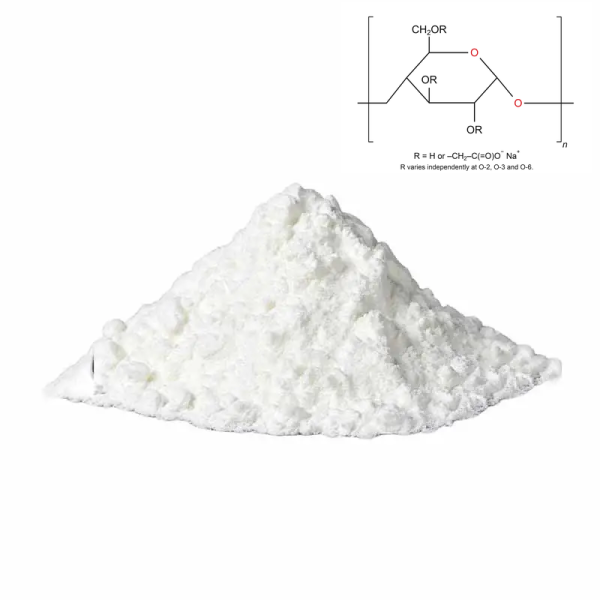
Sodium carboxyl methylstarch CAS#9063-38-1
Sodium carboxyl methylstarch<br/>Sodium Starch Glycolate<br/>White powder<br/><br/>Sodium carboxyl methylstarch, described as sodium starch glycolate, is a free-flowing white powder that absorbs moisture and swells on contact with water. These characteristics support its use as a disintegrant in tablets and capsules. It is incorporated through direct compression or wet granulation and can also serve as a pharmaceutical suspending agent.
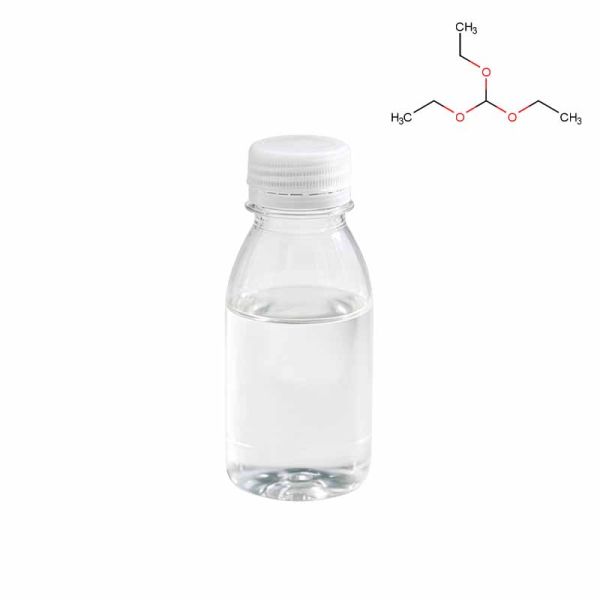
Triethyl orthoformate CAS#122-51-0
Triethyl orthoformate<br/>Clear colorless liquid<br/><br/>Triethyl orthoformate is a clear, colorless liquid used as an intermediate in chemical manufacture. It is less dense than water and has a pronounced odor. Alongside synthesis applications, the supplied information describes proposed uses in industrial fragrance masking, particularly for modifying the diffusion and character of pine-type fragrance blends.
Send Us Your Inquiry Today