






Navigation
Send Us A Message
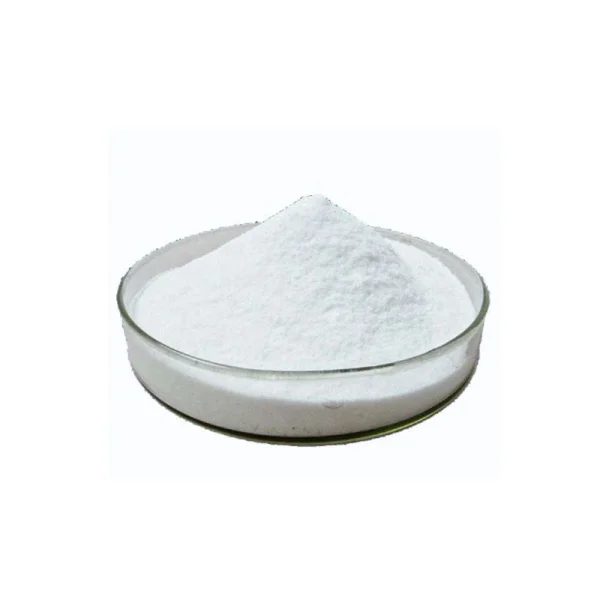
CARRAGEENAN CAS#9000-07-1
CARRAGEENAN<br/>White to pale yellow powder; Semi-transparent flakes<br/><br/>Carrageenan is a hydrophilic hydrocolloid obtained from red seaweed, commonly supplied as white to pale yellow powder or semitransparent flakes. Its water-binding behavior supports gelling, thickening, stabilization, and suspension. Applications include dairy formulations, baking sauces, cosmetics, and pharmaceutical preparations, with food and industrial grades selected according to the intended processing requirements.
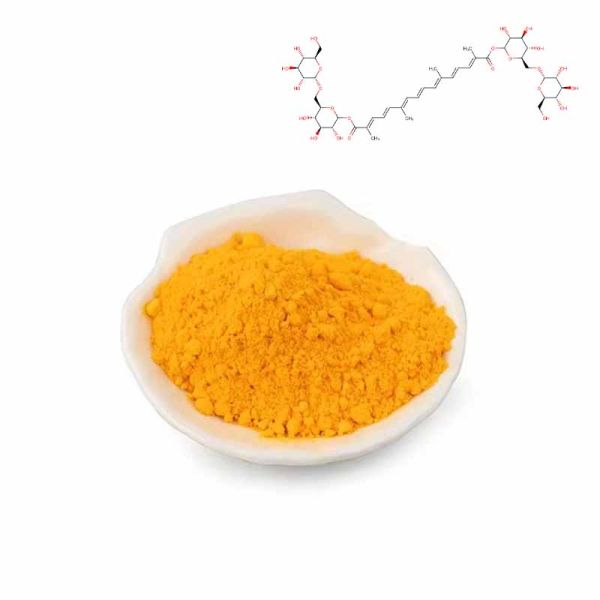
Gardenia Yellow CAS#94238-00-3
Gardenia Yellow<br/>Yellow to orange-yellow powder; Liquid; Paste<br/><br/>Gardenia yellow is a natural pigment obtained primarily from gardenia fruit. It is available as yellow to orange-yellow powder, liquid, or paste and supplies yellow-to-orange shades in formulations. Typical applications include fruit beverages, confectionery, pastries, jellies, frozen desserts, and snack products, with additional uses in cosmetics and pharmaceutical coloring systems.
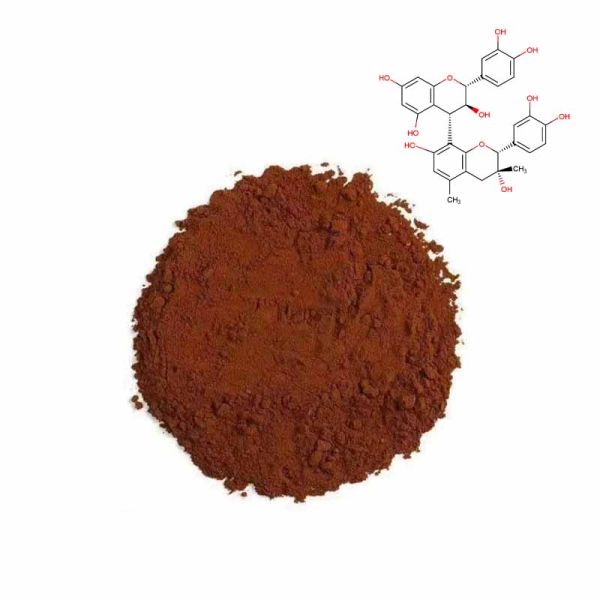
Grape Seed Extract CAS#84929-27-1
Grape Seed Extract<br/><br/>Grape seed extract is a botanical material associated with naturally occurring anthocyanin constituents. Its described applications focus on natural-product evaluation and biochemical studies, including work with pancreatic lipase and lipoprotein lipase. The material is an extract rather than a single isolated molecule, so its composition is relevant when interpreting experimental results or selecting a formulation ingredient.
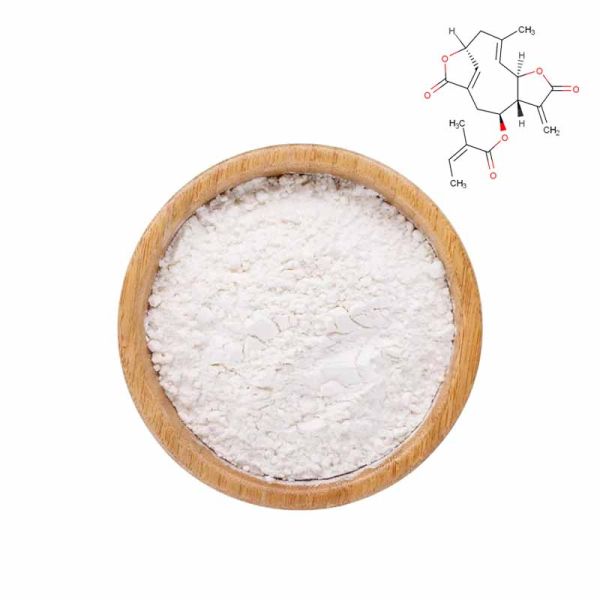
Scabertopin CAS#185213-52-9
Scabertopin<br/>C20H22O6<br/><br/>Scabertopin is a naturally occurring sesquiterpene lactone isolated from Elephantopus scaber. Its defined compound identity makes it relevant to natural-product chemistry and laboratory evaluation. The supplied information identifies research use, particularly cell-based investigations, but does not establish appearance, solubility, or clinical performance; it should not be conflated with the whole botanical extract.
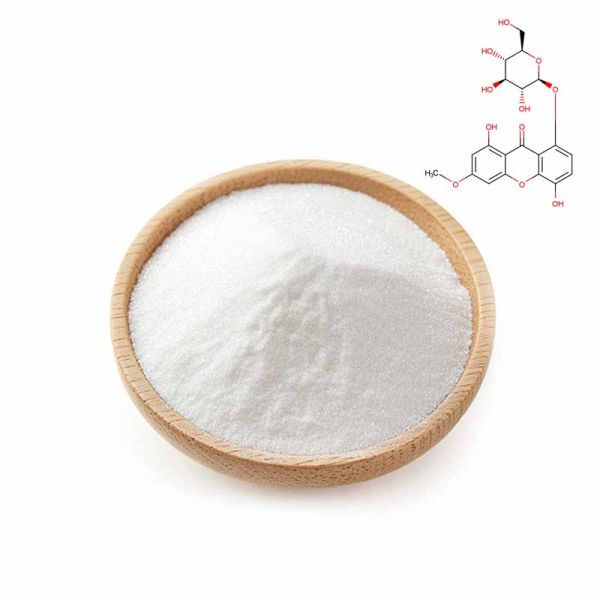
SWERTIANOLIN CAS#23445-00-3
SWERTIANOLIN<br/><br/>Swertianolin is a xanthone compound isolated from Gentianella amarella subsp. acuta. It is used in laboratory investigations involving enzyme activity and free-radical chemistry. Specific research contexts include acetylcholinesterase and monoamine oxidase assays, with the isolated compound offering a distinct material for natural-product studies rather than the variable composition of a whole-plant preparation.
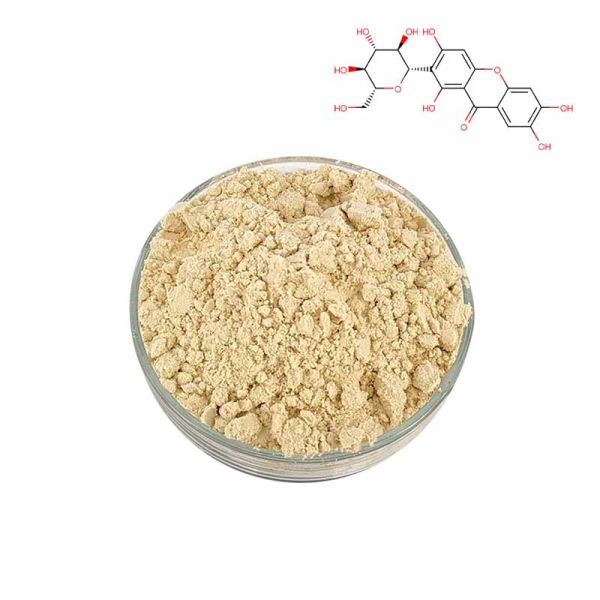
Mangiferin CAS#4773-96-0
Mangiferin<br/><br/>Mangiferin is a naturally occurring polyphenol with a C-glycosylxanthone structure, associated with mango and several medicinal plants. Its aromatic hydroxyl groups and iron-binding behavior are relevant to studies of radical formation and oxidative chemistry. The described water compatibility supports aqueous extraction work, while applications center on natural-product and pharmaceutical investigation.
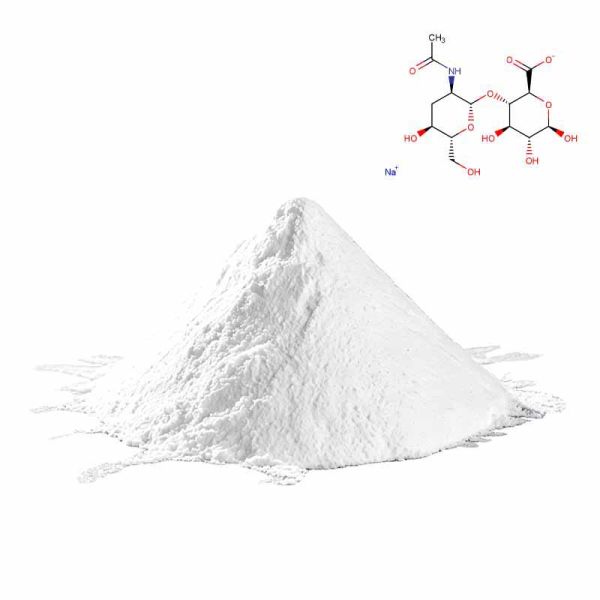
Hyaluronic acid CAS#9004-61-9
Hyaluronic acid<br/><br/>Hyaluronic acid is an acidic mucopolysaccharide distinguished by its strong water-binding capacity. It is used as a moisture-retaining ingredient in skincare formulations and in biomedical material applications. The supplied information also discusses ophthalmic uses of its sodium salt, which is a separate form and should not automatically be equated with the acid product.
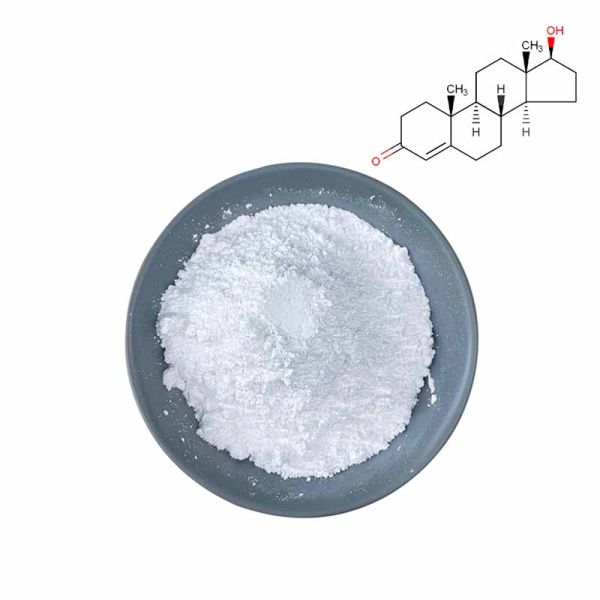
Testosterone CAS#58-22-0
Testosterone<br/><br/>Testosterone is a naturally occurring steroid hormone classified as an androgen and anabolic steroid. It is associated with endocrine pharmaceutical preparations and biochemical research involving hormone-related processes. Its steroid identity differentiates it from nonhormonal laboratory ingredients, while the supplied information does not establish a particular appearance, solubility profile, or pharmaceutical grade.
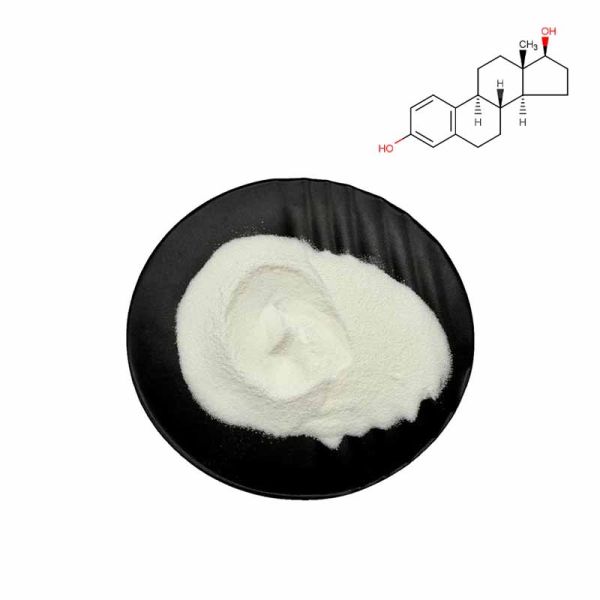
β-Estradiol CAS#50-28-2
β-Estradiol<br/><br/>β-Estradiol is a naturally occurring steroid hormone belonging to the estrogen group. Its identity is relevant to endocrine pharmaceutical formulations and work involving estrogen-related processes. The supplied description emphasizes its hormone classification rather than physical properties, so appearance, solvent behavior, and a specific supplied form are not established for this material.
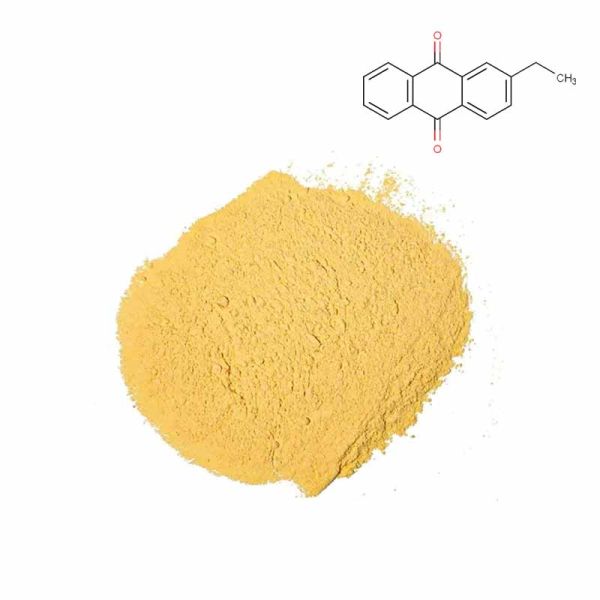
2-Ethylanthraquinone CAS#84-51-5
2-Ethylanthraquinone<br/><br/>2-Ethylanthraquinone is an anthraquinone derivative used in industrial hydrogen peroxide production through hydrogenation-based processing. Its chemical functionality also supports dye-intermediate applications and photochemical uses. In polymer work, it can act as a photoinitiator for polyethylene crosslinking or degradation, linking its application profile to both process chemistry and light-driven material modification.
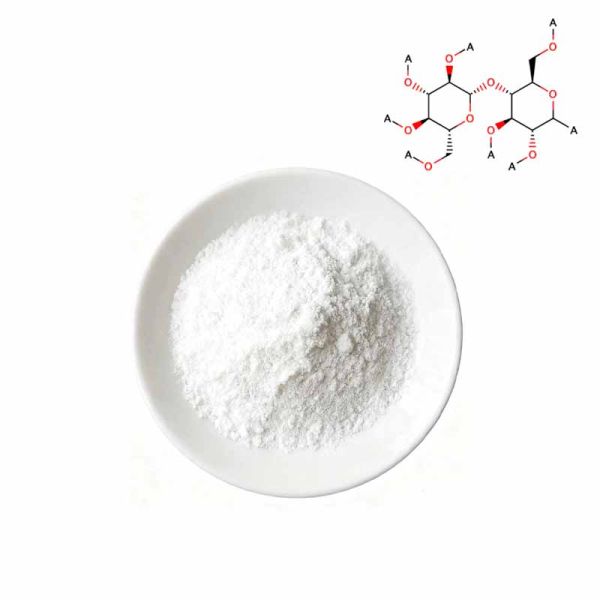
Hydroxypropyl methyl cellulose CAS#9004-65-3
Hydroxypropyl methyl cellulose<br/>HPMC<br/>White powder; Granules<br/><br/>Hydroxypropyl methylcellulose, abbreviated HPMC, is a cellulose ether supplied as white powder or granules. Its aqueous solutions provide thickening, film formation, suspension, and reversible thermal gelation. Uses include food texture stabilization, pharmaceutical dispersions and tablet coatings, shampoos, skincare, and construction formulations requiring water retention, with grade-dependent substitution and viscosity characteristics.
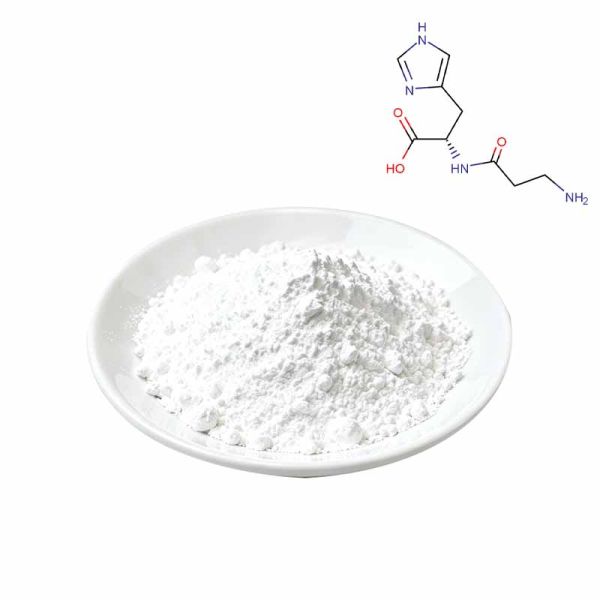
L-Carnosine CAS#305-84-0
L-Carnosine<br/><br/>L-Carnosine is a dipeptide composed of β-alanine and L-histidine that occurs naturally in animal and human tissues. It can form complexes with metal ions including copper, cobalt, nickel, and zinc. Applications include biochemical experiments, food and supplement formulations, and cosmetic ingredient development where peptide identity and metal-binding behavior are relevant.
Send Us Your Inquiry Today