






Navigation
Send Us A Message
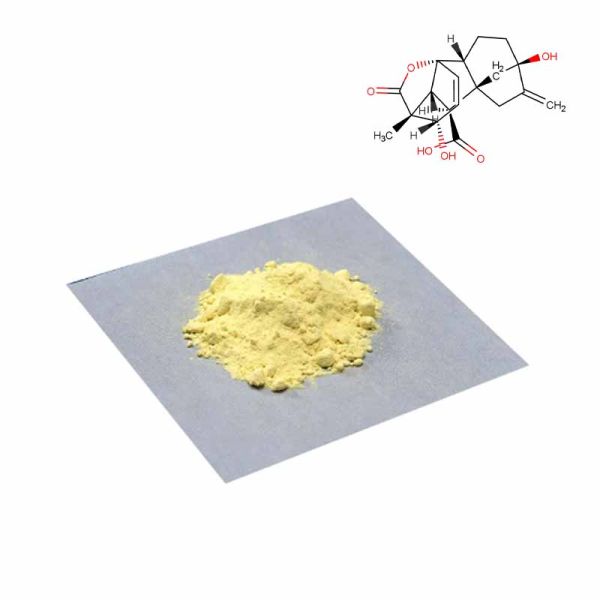
Ginkgo biloba extract CAS#90045-36-6
Ginkgo biloba extract<br/><br/>Ginkgo biloba extract is a multicomponent botanical material containing flavonoid glycosides, ginkgolides, bilobalide, and other minor constituents. Its polar and nonpolar fractions are concentrated through purification. It is used in botanical and cosmetic ingredient work, including antioxidant-focused formulations, with compositional specifications needed to distinguish the extract from isolated ginkgo compounds.
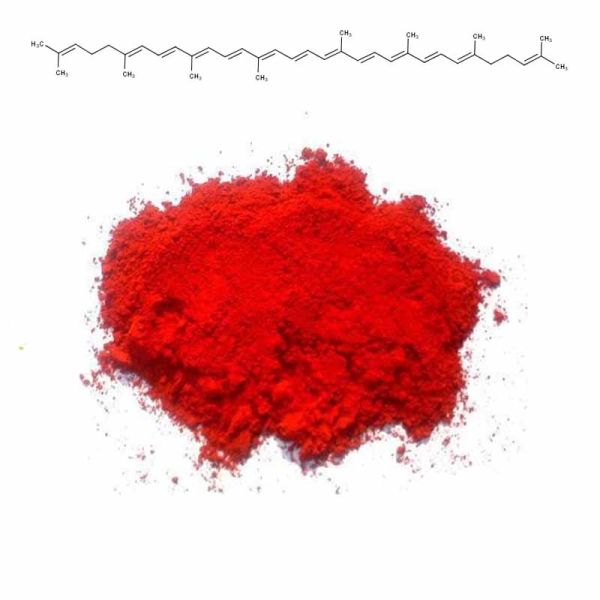
Lycopene CAS#502-65-8
Lycopene<br/>Red pigment<br/><br/>Lycopene is a red carotenoid pigment naturally associated with tomatoes and other red fruits and vegetables. Tomato-derived preparations provide yellow-to-red color shades in foods and beverages. Typical applications include dairy products, confectionery, baked goods, sauces, juices, and supplement formulations, where both pigmentation and antioxidant-related functionality may be relevant to product development.
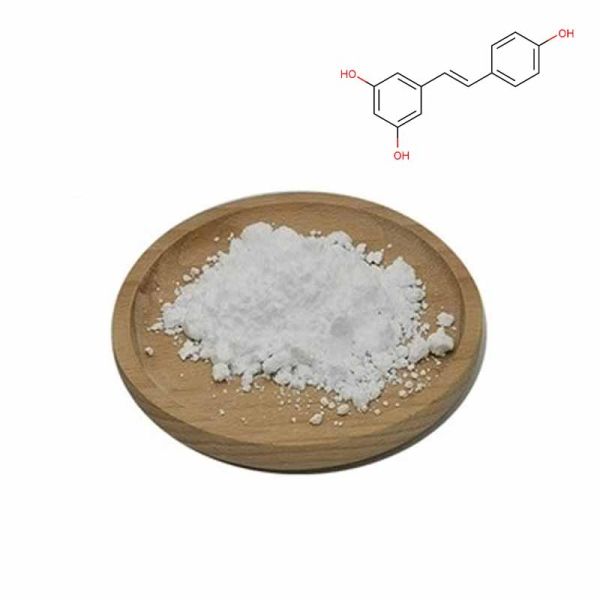
Resveratrol CAS#501-36-0
Resveratrol<br/><br/>Resveratrol is a non-flavonoid polyphenol naturally present in red grape skins, berries, nuts, and Polygonum cuspidatum roots. Its polyphenolic identity is relevant to antioxidant-focused biochemical work. The supplied information places it in natural-product and pharmacological investigation, while not establishing a particular physical form, solubility profile, or verified health outcome for the supplied material.
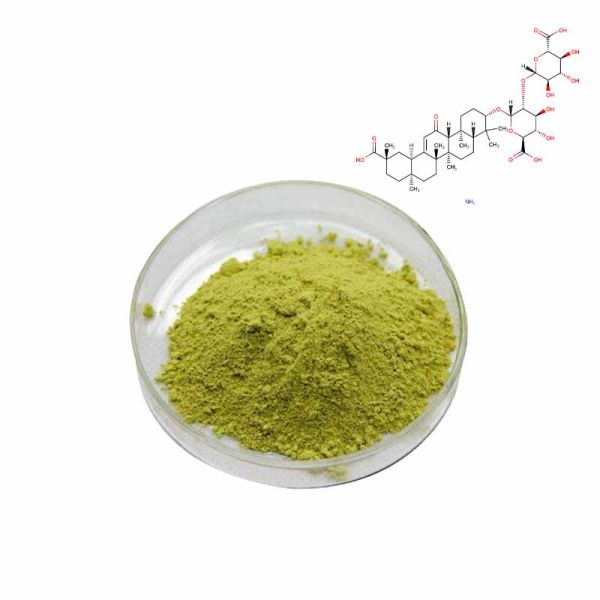
Glycvrrhizic acid ammonium salt CAS#53956-04-0
Glycvrrhizic acid ammonium salt<br/>Ammonium Glycyrrhizinate<br/><br/>Glycyrrhizic acid ammonium salt, also called ammonium glycyrrhizinate, provides intense sweetness with a mild licorice character. It dissolves in water, glycerin, and propylene glycol, but acidic conditions can cause precipitation. Applications include beverages, confectionery, desserts, soups, and dressings, together with research on polyion-complex nanocarriers; prolonged heating can affect its stability.
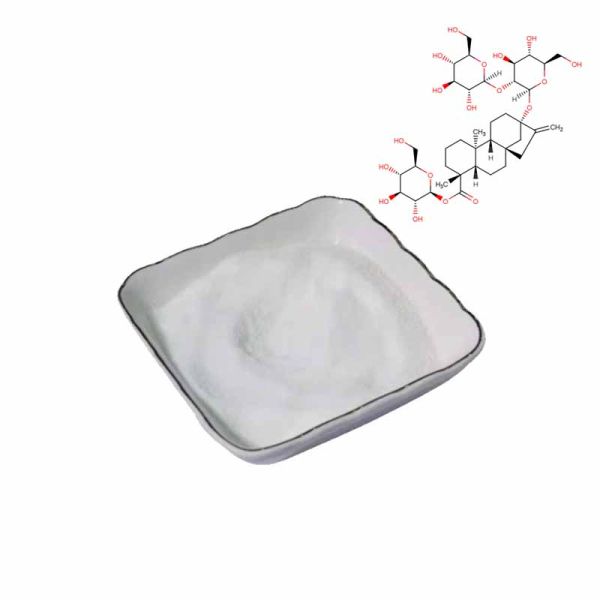
Stevioside CAS#57817-89-7
Stevioside<br/><br/>Stevioside is a diterpene glycoside extracted from stevia leaves and one of their principal sweet constituents. It provides pronounced, lingering sweetness, although concentrated formulations can develop a bitter aftertaste. Typical uses include reduced-calorie beverages, candies, and pastries, where its sensory profile is considered when replacing part of the conventional sugar system.
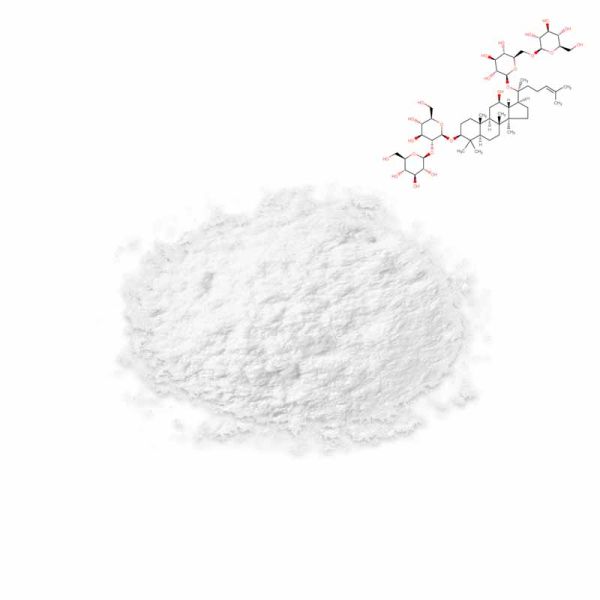
Ginsenoside Rb1 CAS#41753-43-9
Ginsenoside Rb1<br/><br/>Ginsenoside Rb1 is a glycosylated protopanaxadiol-type constituent of ginseng, including American ginseng. Sugar groups attached at two positions distinguish its molecular structure. It is used in natural-product research involving ginsenoside metabolism and cellular signaling, including investigations of ERK, AKT, and synapsin phosphorylation, rather than as evidence of a finished product's health effects.
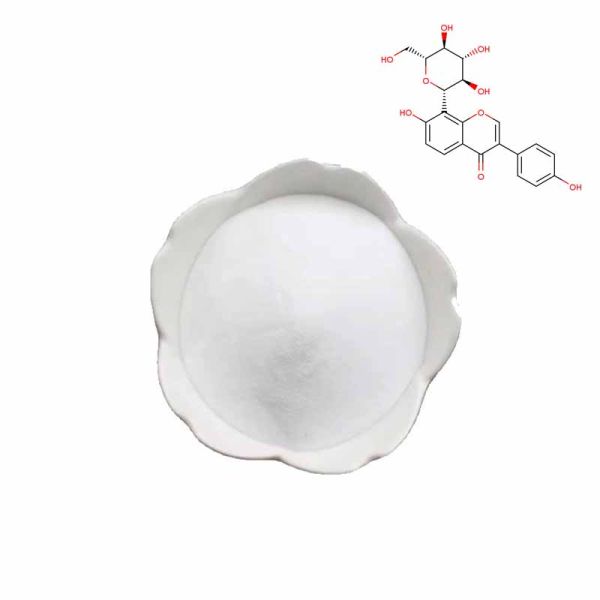
Puerarin CAS#3681-99-0
Puerarin<br/><br/>Puerarin is an isoflavone glycoside isolated from Pueraria roots and identified as a principal constituent of Pueraria lobata. Its plant origin supports botanical ingredient and food-related formulation work. Research applications described for the compound include intestinal biotransformation and cellular signaling studies, allowing its use to be distinguished from that of whole-root preparations.
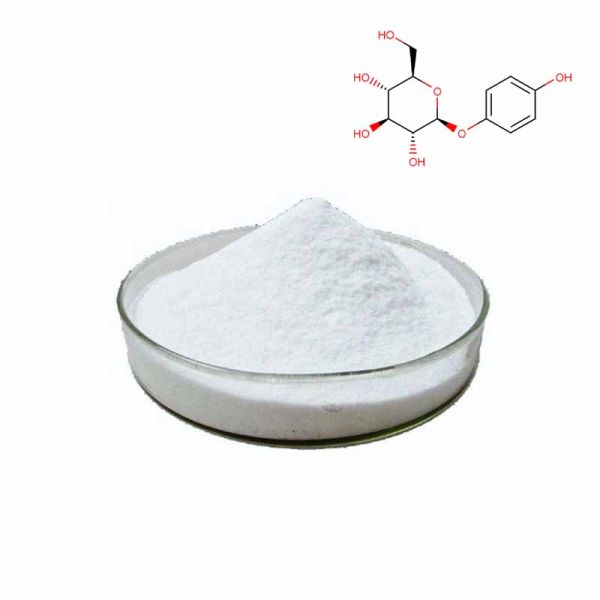
Arbutin CAS#497-76-7
Arbutin<br/><br/>Arbutin is a glycosylated hydroquinone compound found naturally in Arctostaphylos plants. Its chemical identity supports tyrosinase-focused laboratory work and cosmetic formulation development. Applications include skin-tone and hair-care products, alongside use as a stabilizer in color photographic development, without implying a clinical pigmentation outcome or universal suitability for skin contact.
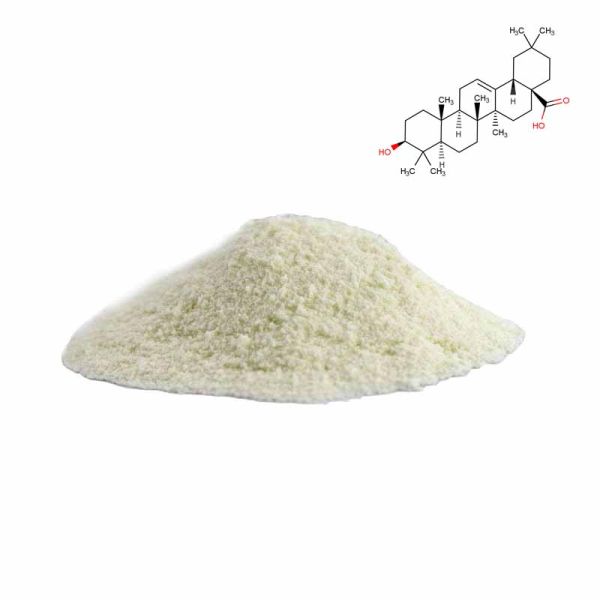
Oleanolic acid CAS#508-02-1
Oleanolic acid<br/>Oleanic Acid<br/>C30H48O3<br/><br/>Oleanolic acid, also known as oleanic acid, is a naturally occurring pentacyclic triterpenoid found in plants and the nonglyceride fraction of olive pomace oil. It occurs as a free acid and as an aglycone associated with triterpenoid saponins. Its described applications concern pharmaceutical investigation and enzyme-focused studies involving secretory phospholipase A2.
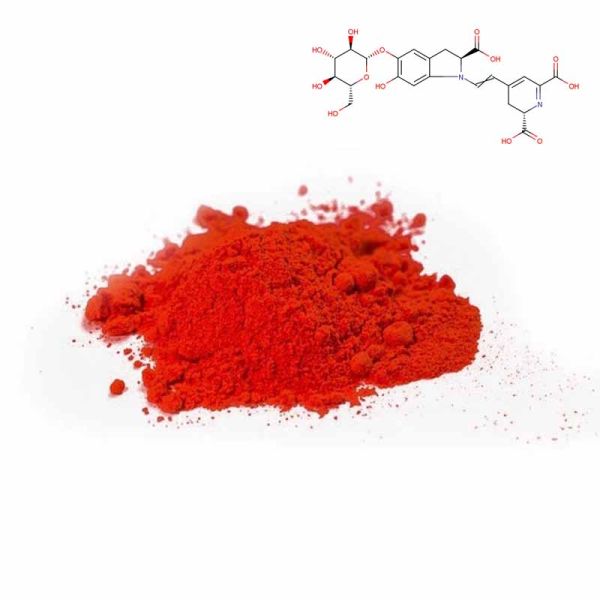
Beet Red CAS#7659-95-2
Beet Red<br/>Red-purple to dark purple liquid; Block; Powder; Paste<br/><br/>Beet red is a natural red pigment supplied in forms ranging from red-purple liquid and paste to dark purple powder or blocks. It dissolves readily in water and aqueous formulation media rather than oils. Typical uses include coloring beverages, confectionery, dairy products, and canned foods, with additional applications in textile dyes and industrial pigments.
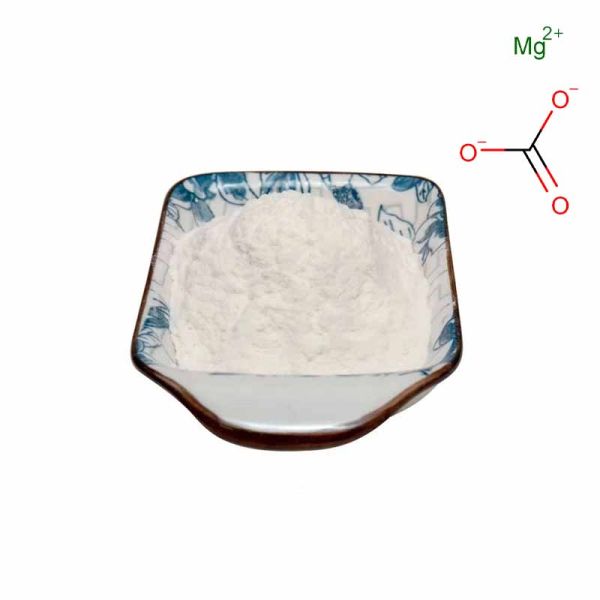
Magnesium Carbonate CAS#546-93-0
Magnesium Carbonate<br/>MgCO3<br/><br/>Magnesium carbonate is a magnesium compound occurring naturally as magnesite and also produced synthetically. Hydrated forms, including the trihydrate, are distinct from the anhydrous material. Industrial uses include flooring, fireproofing compositions, plastics fillers, smoke-suppressant formulations, and neoprene reinforcement; it also serves as a drying ingredient and a precursor for other magnesium compounds.
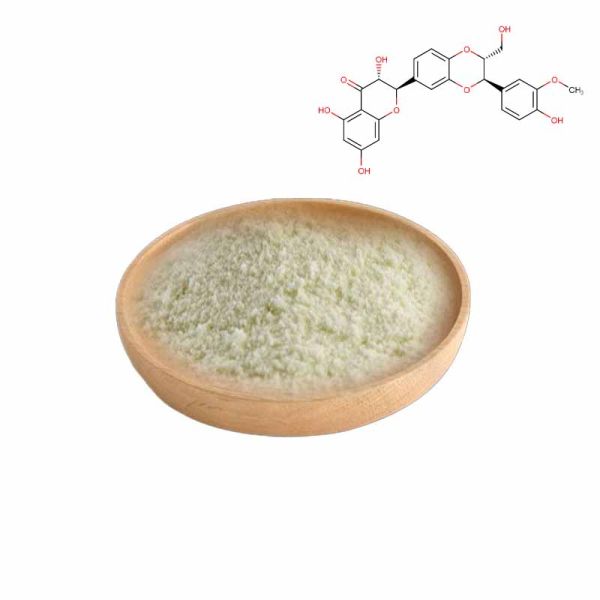
Silybin CAS#22888-70-6
Silybin<br/>Silibinin<br/><br/>Silybin, also called silibinin, is a major constituent of the silymarin complex and comprises silybin A and silybin B. It is used in laboratory studies of gene expression, cell proliferation, and enzyme behavior. Specific applications include RT-PCR investigations, PCNA and WST-1 assays, and research involving bacterial ATP synthase.
Send Us Your Inquiry Today