






Navigation
Send Us A Message
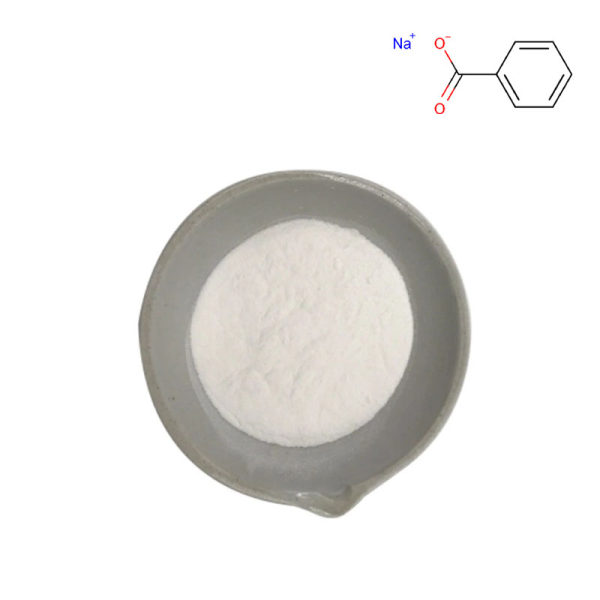
Sodium benzoate CAS#532-32-1
Sodium benzoate<br/><br/>Sodium benzoate is a hygroscopic preservative whose formulation role is closely linked to acidic conditions. It is used in beverages, jams, pickles, sauces, dressings and confectionery, with additional applications in suitable cosmetic and pharmaceutical formulations. Preservation behavior differs with acidity, making formulation conditions important when selecting it. The material is stable in air under ordinary conditions but requires attention to moisture exposure.
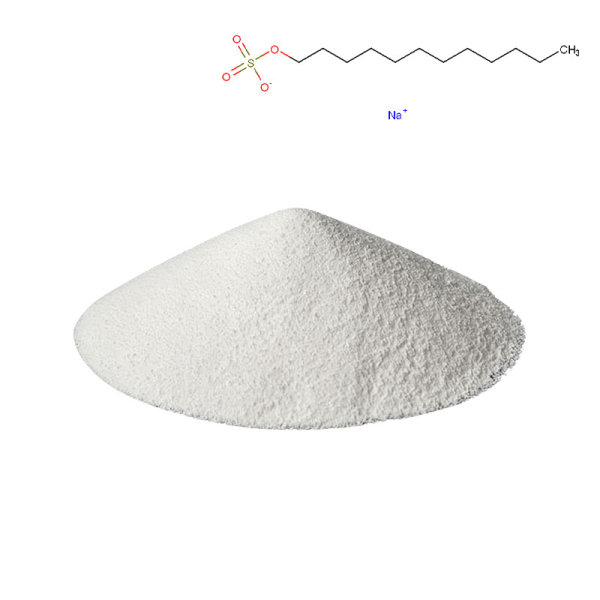
Sodium dodecyl sulfate CAS#151-21-3
Sodium dodecyl sulfate<br/>SDS<br/><br/>Sodium dodecyl sulfate, also called sodium lauryl sulfate or SDS, is an anionic surfactant supplied as white to pale yellow powder. It dissolves in water and provides foaming, emulsifying, wetting and dispersing functions. Typical applications include detergents, personal care formulations, textile processing and industrial cleaners. It is also used in emulsion polymerization and mineral flotation and is compatible with many anionic and nonionic ingredients.
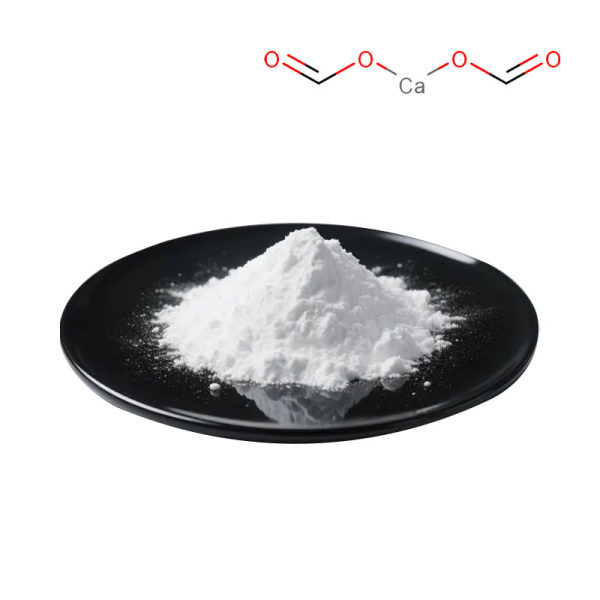
Calcium formate CAS#544-17-2
Calcium formate<br/><br/>Calcium formate is a white to off-white fine crystalline powder used in construction and other industrial formulations. In cement systems it serves as a setting accelerator, with effects on hydration and strength development dependent on the formulation. Additional applications include silage preservation, fine-ore briquette binding, drilling fluids and lubricants. Selected grades are also used as feed formulation ingredients for pigs and poultry.
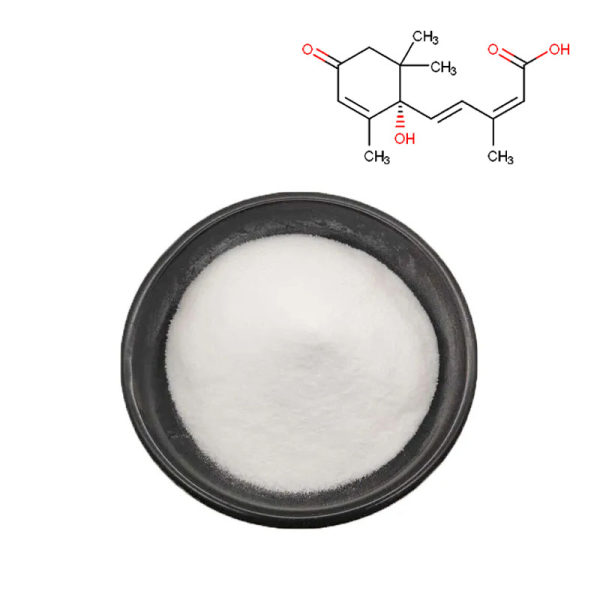
Abscisic Acid CAS#21293-29-8
Abscisic Acid<br/>ABA<br/><br/>Abscisic acid, commonly abbreviated ABA, is a plant hormone supplied as a white to off-white powder. It has limited water solubility but dissolves in several organic solvents and sodium bicarbonate solution. Typical applications include plant physiology research, agricultural growth-regulation formulations and ecological vegetation restoration. Its documented physiological roles involve dormancy, stomatal behavior, embryo development and responses to environmental stress.
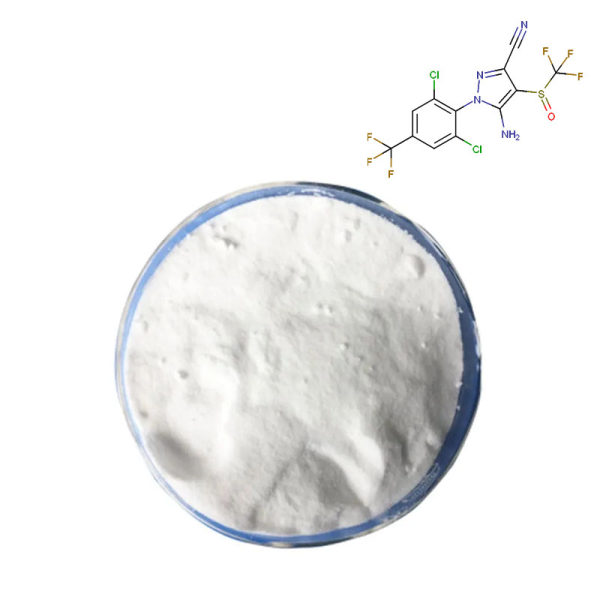
Fipronil CAS#120068-37-3
Fipronil<br/><br/>Fipronil is a phenylpyrazole insecticidal ingredient typically described as a white powder with low water solubility. It acts on insect nerve-signaling channels and generally binds strongly to soil, with persistence varying by environmental conditions. Registered applications can include agricultural and structural pest-control formulations. Selection must account for local authorization and risks to pollinators and aquatic organisms rather than treating persistence as an unrestricted benefit.
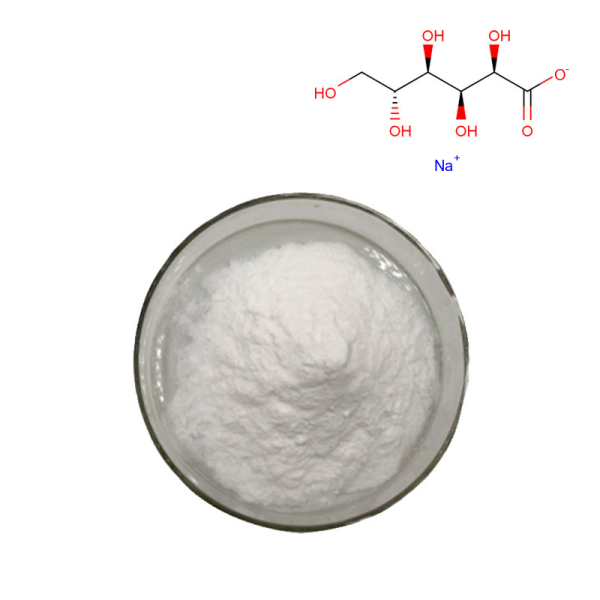
Sodium gluconate CAS#527-07-1
Sodium gluconate<br/>C₆H₁₁NaO₇<br/><br/>Sodium gluconate is the sodium salt of gluconic acid, commonly supplied as a white crystalline powder. It dissolves in water and complexes metal ions such as calcium and iron. Applications include concrete set-retarding admixtures, industrial water treatment and alkaline metal-cleaning formulations. Suitable grades are also used as chelating ingredients in personal care products, with formulation conditions determining compatibility and performance.
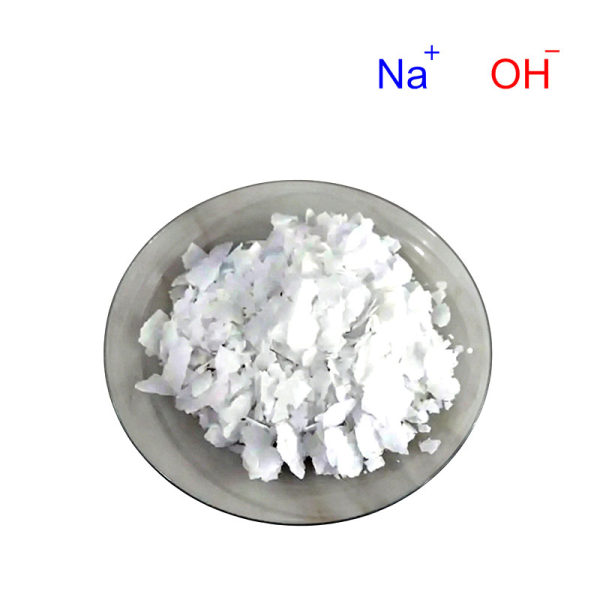
Sodium hydroxide CAS#1310-73-2
Sodium hydroxide<br/>caustic soda<br/>NaOH<br/>white flake/granular form<br/><br/>Sodium hydroxide, also known as caustic soda, is a strongly alkaline industrial chemical supplied in forms such as white flakes or granules. It absorbs atmospheric moisture and carbon dioxide and releases substantial heat when dissolved in water. Typical applications include pulp and paper processing, textile treatment, soap manufacture, industrial cleaning and chemical synthesis. Its corrosivity requires compatible processing equipment and controlled handling.
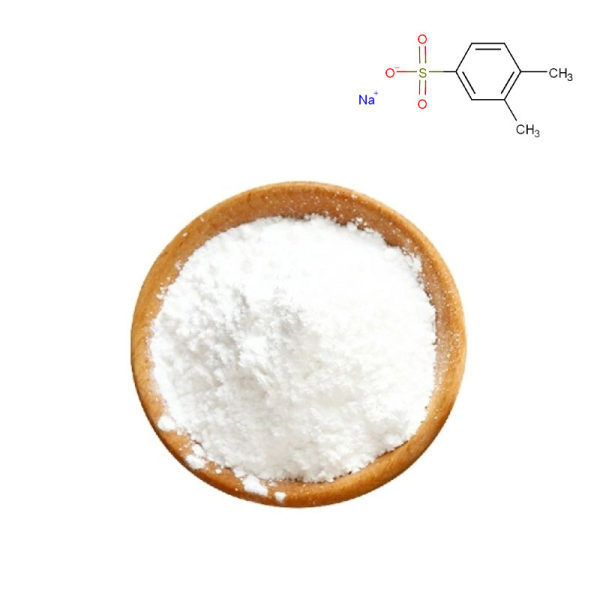
Sodium xylenesulfonate CAS#1300-72-7
Sodium xylenesulfonate<br/>SXS<br/>sodium xylene sulfonate<br/><br/>Sodium xylenesulfonate, often abbreviated SXS, is a hydrotrope used to incorporate poorly water-soluble ingredients into aqueous formulations. Typical applications include liquid laundry detergents, dishwashing products, hard-surface cleaners and industrial cleaning concentrates. It can also assist viscosity adjustment and ingredient compatibility. Effects vary with the surfactant system, electrolyte content and temperature, while specialized research uses include aqueous solubilization and liposome studies.
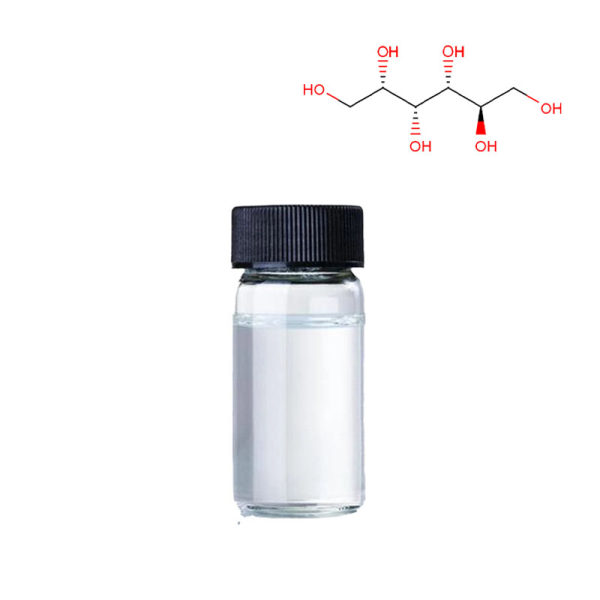
Sorbitol CAS#50-70-4
Sorbitol<br/><br/>Sorbitol is a water-soluble polyol produced commercially from glucose and also found naturally in fruits. Its sweet taste and moisture-retaining character support use in confectionery, chewing gum, desserts and beverages. It also helps regulate crystallization in soft sugar products. Industrial applications include feedstock use for ascorbic acid and surfactant manufacture, connecting food formulation with broader chemical processing.
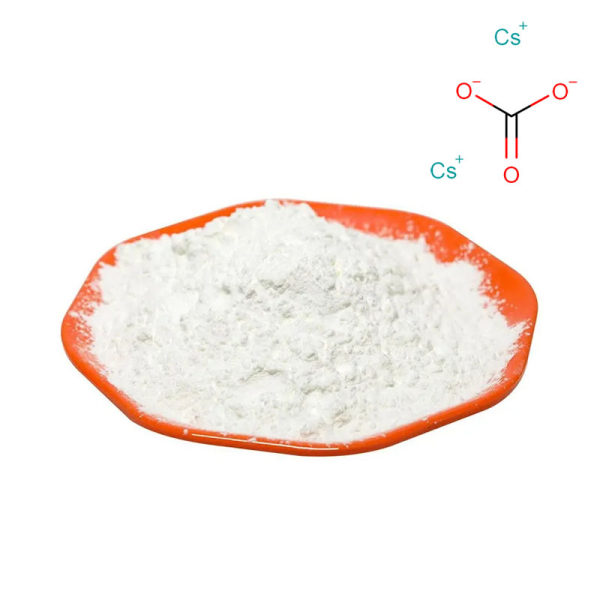
Cesium carbonate CAS#534-17-8
Cesium carbonate<br/>Cs₂CO₃<br/>white crystalline powder<br/><br/>Cesium carbonate is a white, hygroscopic inorganic solid that dissolves readily in water to form an alkaline solution. It serves as a base in organic synthesis, including alkylation and selected carbon-carbon or carbon-nitrogen coupling reactions. Further uses include manufacture of other cesium compounds and research on energy materials. Solvent compatibility and moisture content are important when selecting it for nonaqueous reactions.
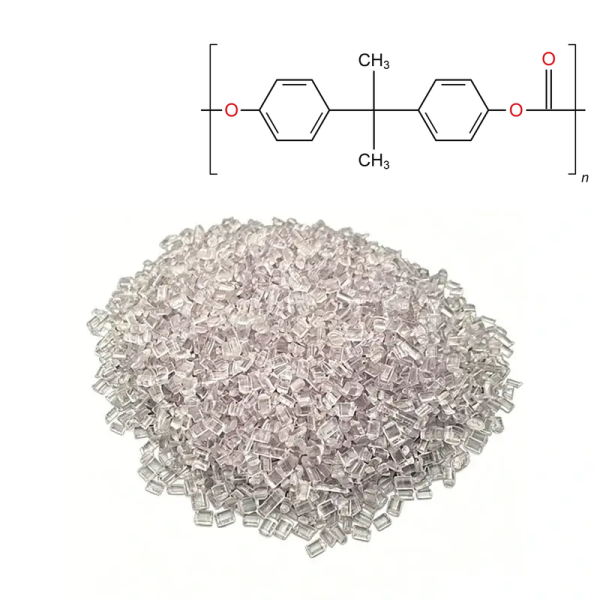
Polycarbonate CAS#25037-45-0
Polycarbonate<br/>nearly colorless, transparent products<br/><br/>Polycarbonate is an engineering plastic combining optical transparency, impact strength and heat resistance. It can be processed into nearly colorless transparent products and also accommodates coloration. Typical fabrication methods include injection molding, extrusion and thermoforming, with extrusion supporting tubular or cylindrical forms. Its combination of mechanical and optical properties makes it useful in industrial components requiring transparency and temperature-resistant performance.
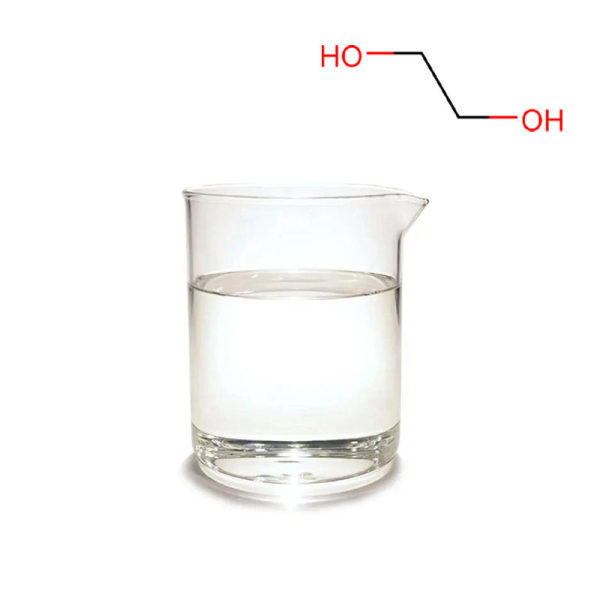
Ethylene glycol CAS#107-21-1
Ethylene glycol<br/><br/>Ethylene glycol is an industrial glycol used as an antifreeze ingredient and a principal feedstock for polyethylene terephthalate. The resulting polyester materials serve fiber and plastics manufacture. Other applications include synthetic resins, lubricants, surfactants, softeners and wetting-agent formulations. Its solvent compatibility also supports selected chemical-processing and leather-treatment uses, although its toxicity limits suitability as a general-purpose formulation solvent.
Send Us Your Inquiry Today