






Navigation
Send Us A Message
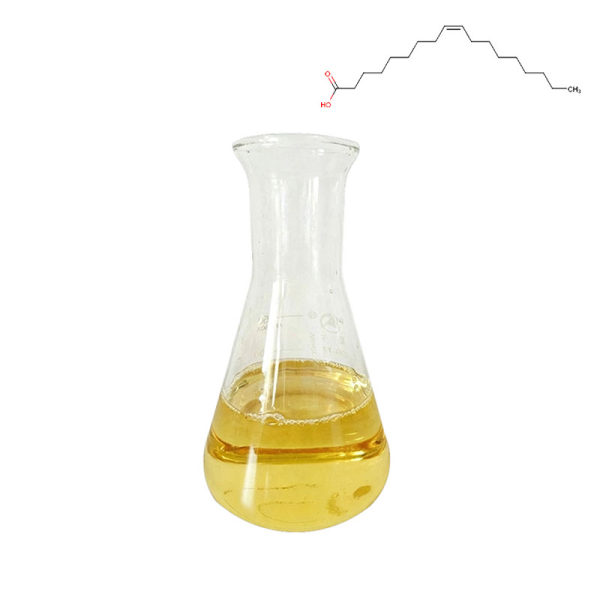
Oleic acid CAS#112-80-1
Oleic acid<br/>CH₃(CH₂)₇CH=CH(CH₂)₇COOH<br/><br/>Oleic acid is a monounsaturated fatty acid commonly obtained from oils and fats. It is typically an oily, colorless to pale yellow liquid, practically insoluble in water but soluble in oils and many organic solvents. Uses include soaps, emulsifiers, synthetic esters, lubricants and metalworking fluids. It also supplies feedstock for plasticizers, resin precursors, mineral processing and industrial cleaning formulations.
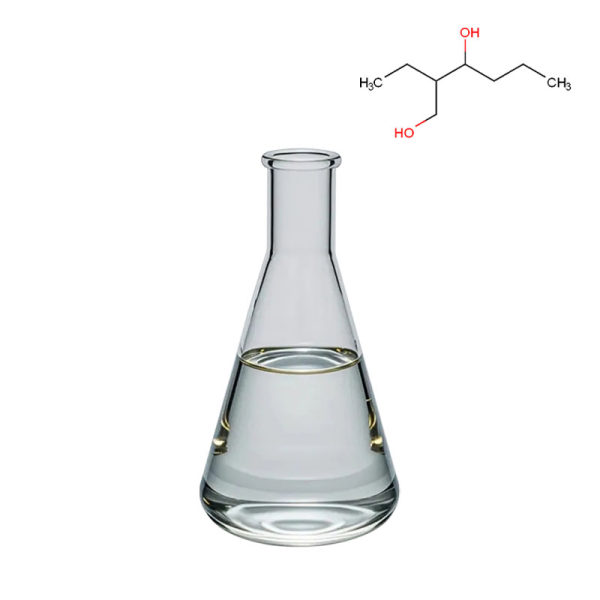
2-Ethyl-1,3-hexanediol CAS#94-96-2
2-Ethyl-1,3-hexanediol<br/><br/>2-Ethyl-1,3-hexanediol, abbreviated EHD, is a diol used in specialized chemical and formulation work. Documented applications include insect-repellent formulations and boron extraction. It also serves as a reactive solvent in non-hydrolytic sol-gel preparation of magnetic iron oxide nanoparticles. Its hydroxyl functionality provides a route to selective oxidation products, including a hydroxy ketone used in further synthetic work.
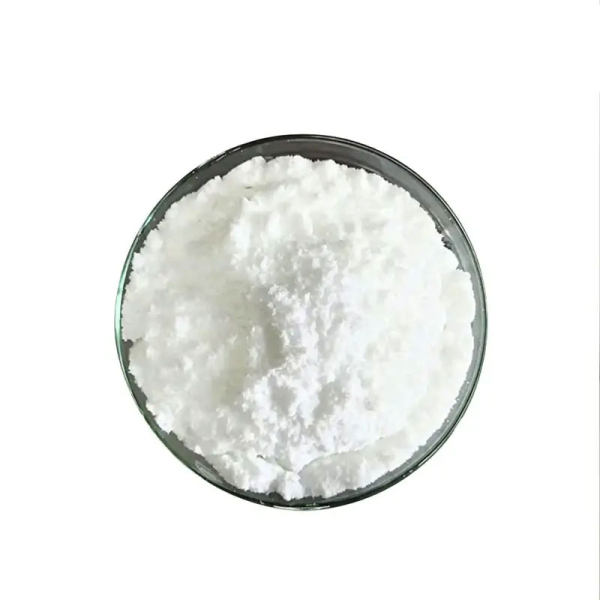
Poly(vinyl alcohol) CAS#9002-89-5
Poly(vinyl alcohol)<br/>PVA<br/><br/>Poly(vinyl alcohol), often abbreviated PVA, is a hydroxyl-rich polymer supplied as white powder, flakes or flocculent solids. Its polar structure supports water solubility, while it resists several common organic solvents. Applications include textile sizing, construction adhesives, paper stabilization and films. It is also used as a thickener in cosmetic formulations and as an emulsification aid in chemical processing.
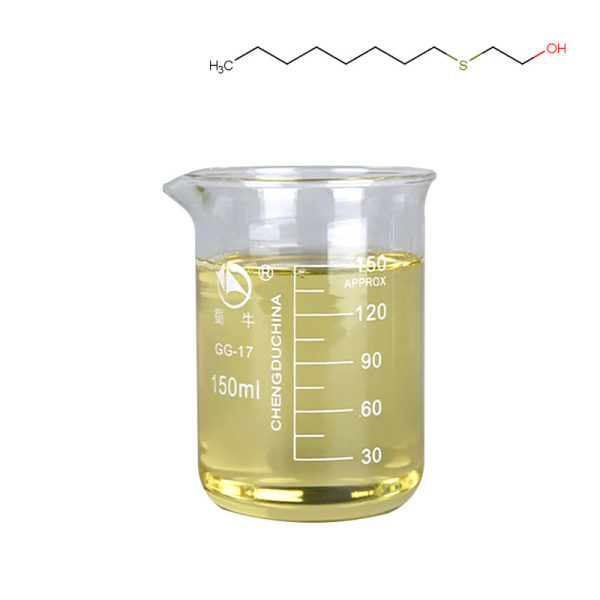
2-Hydroxyethyl-n-octyl-sulde CAS#3547-33-9
2-Hydroxyethyl-n-octyl-sulde<br/>2-Hydroxyethyl-n-octyl-sulfide<br/>C₁₀H₂₂OS<br/><br/>2-Hydroxyethyl n-octyl sulfide, also known as 2-(octylthio)ethanol, is a sulfur-containing alcohol with both hydroxyl and thioether functionality. The hydroxyl group supports reactions such as esterification, while the thioether introduces sulfur chemistry. It is used as an intermediate in specialty organic synthesis. Potential agrochemical and lubricant formulation roles require technical evaluation rather than being assumed from its structural identity alone.
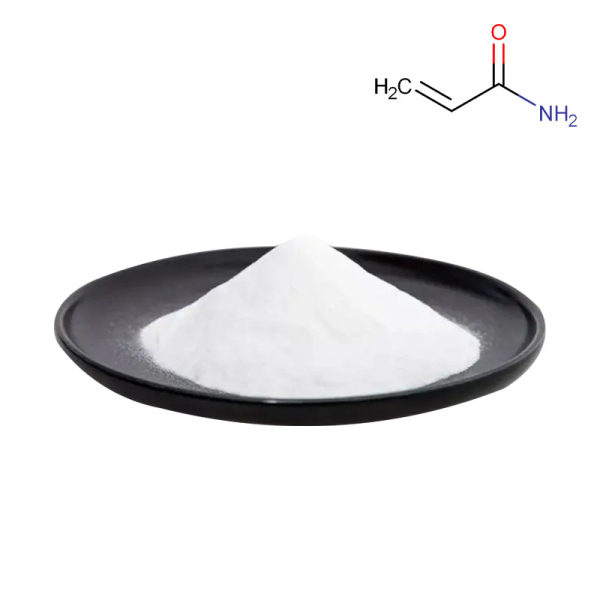
Acrylamide CAS#79-06-1
Acrylamide<br/><br/>Acrylamide is a water-soluble monomer supplied as a white crystalline solid or transparent flakes. Its principal use is the manufacture of polyacrylamide and related copolymers, rather than direct substitution for those finished polymers. Downstream applications include water-treatment flocculants, mineral-processing separation aids and papermaking additives. It also supplies intermediate chemistry for selected substituted acrylamides and related monomer production.
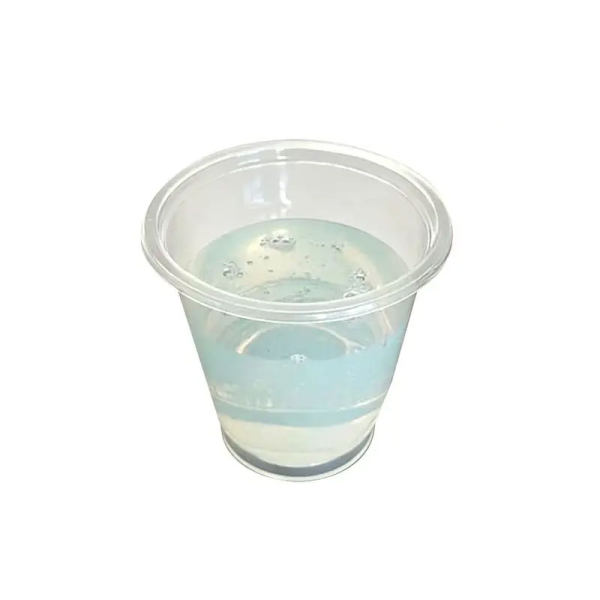
Polyurethane CAS#9009-54-5
Polyurethane<br/>PU<br/><br/>Polyurethane describes a family of polymers formed from isocyanates and hydroxyl-containing compounds. Formulation choices produce rigid, semi-rigid or elastic materials with differing toughness, adhesion and resistance characteristics. Typical applications include insulation foams, coatings, adhesives, elastomers and composite materials. Its broad processing flexibility supports uses in construction, transportation and consumer products, with properties determined by the particular polyurethane system.
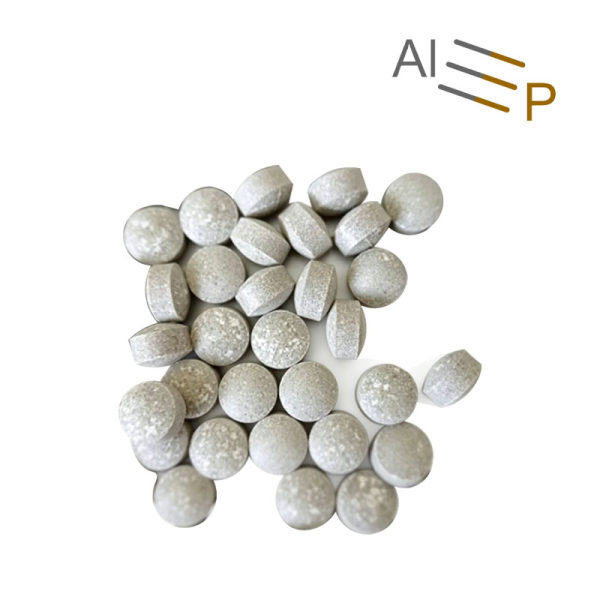
Aluminum Phosphide CAS#20859-73-8
Aluminum Phosphide<br/>AlP<br/><br/>Aluminum phosphide is a highly hazardous, moisture-reactive material used in regulated fumigation products. Commercial formulations commonly appear as gray to gray-green tablets or pellets. Contact with moisture releases extremely toxic phosphine gas, defining both its application and handling limitations. Authorized uses concern stored-grain and other agricultural pest-control settings and require trained professionals, approved products and strict adherence to applicable labels.
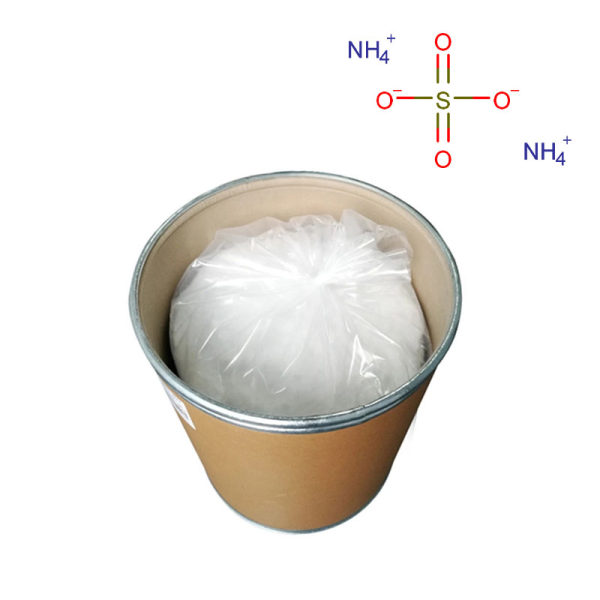
Ammonium sulfate CAS#7783-20-2
Ammonium sulfate<br/><br/>Ammonium sulfate is a white crystalline powder that dissolves readily in water but not in ethanol or acetone. It is generally stable under ordinary conditions and decomposes when strongly heated. Its main application is as an ammonium nitrogen fertilizer for agricultural crops. It is particularly associated with alkaline soils, where its acidifying character is relevant to fertilizer selection and soil management.
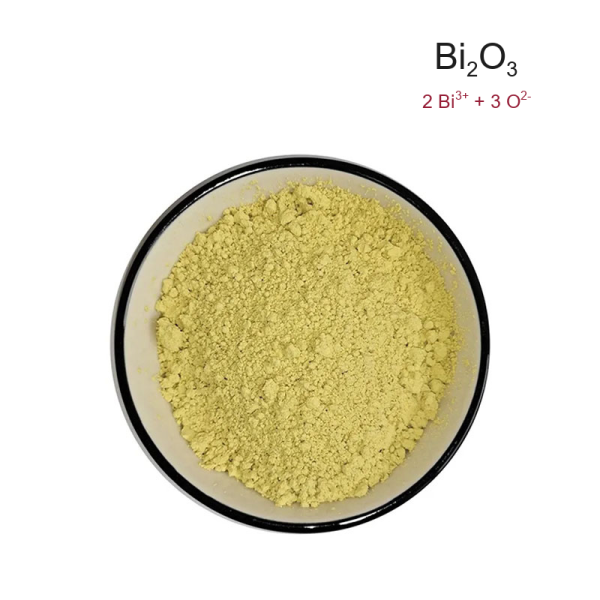
Bismuth(III) Oxide CAS#1304-76-3
Bismuth(III) Oxide<br/><br/>Bismuth(III) oxide is a basic metal oxide that dissolves in acidic solutions and can combine with other metal oxides during heating. It occurs in different structural modifications with differing appearance and properties. Typical applications include glass manufacture, catalysts, rubber vulcanization and specialty polymers. It is also used as a precursor in bismuth ferrite materials and other advanced inorganic synthesis.
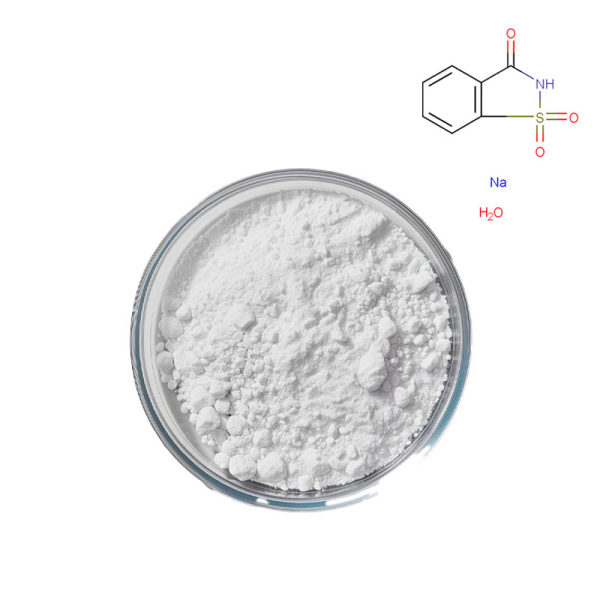
Saccharin sodium dihydrate CAS#6155-57-3
Saccharin sodium dihydrate<br/><br/>Saccharin sodium dihydrate is a hydrated artificial sweetener with an intense sweetness relative to sucrose. It is a non-nutritive ingredient used to provide sweetness without serving as a conventional sugar source. Typical applications include foods, beverages and pharmaceutical flavoring systems. The dihydrate designation identifies the material form and should be retained when selecting ingredients for a specific formulation.
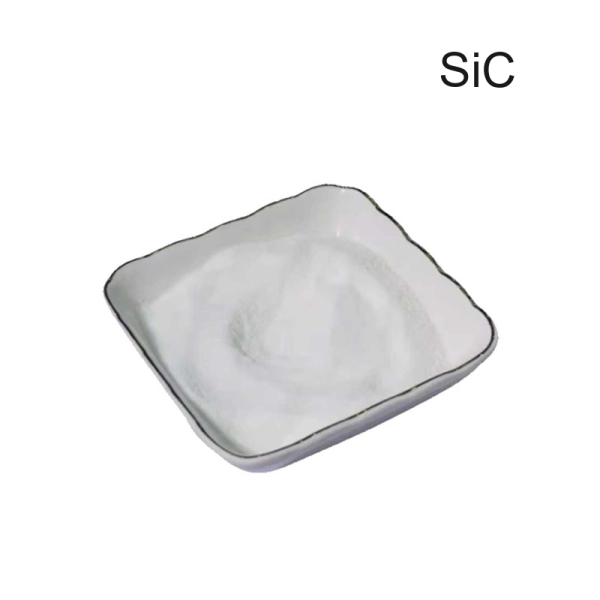
Silicon carbide CAS#409-21-2
Silicon carbide<br/><br/>Silicon carbide is a hard, covalently bonded refractory material with high abrasion resistance and tolerance of thermal shock. It occurs in multiple crystal structures, including cubic and hexagonal forms. Typical uses involve refractory components and bonded ceramic systems exposed to demanding wear or corrosion conditions. Reaction-bonded and sintered variants differ in physical behavior, while bonding-system selection influences permeability and chemical resistance.
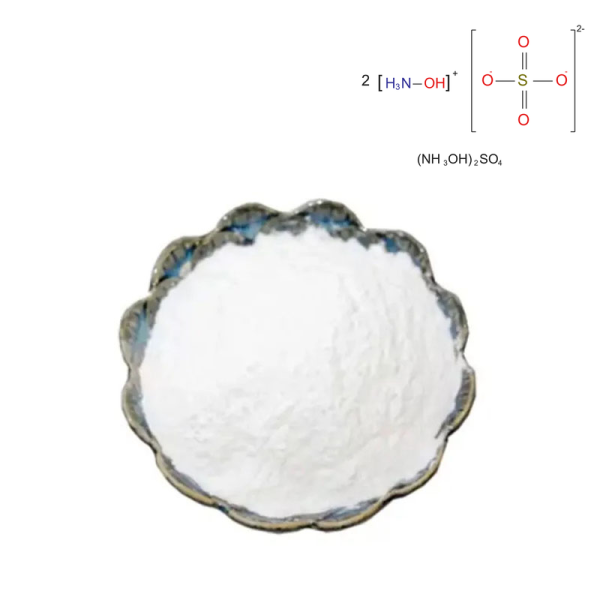
Hydroxylamine Sulfate CAS#10039-54-0
Hydroxylamine Sulfate<br/><br/>Hydroxylamine sulfate, also called hydroxylammonium sulfate, is a colorless crystalline reducing agent that dissolves readily in water and only slightly in alcohol. It supplies hydroxylamine functionality for converting aldehydes and ketones into oximes. Typical uses include chemical synthesis, textile processing, photographic development and coatings-related oxime manufacture. Further applications include rust-inhibiting formulations and short-stopping functions in synthetic rubber processing.
Send Us Your Inquiry Today