






Navigation
Send Us A Message
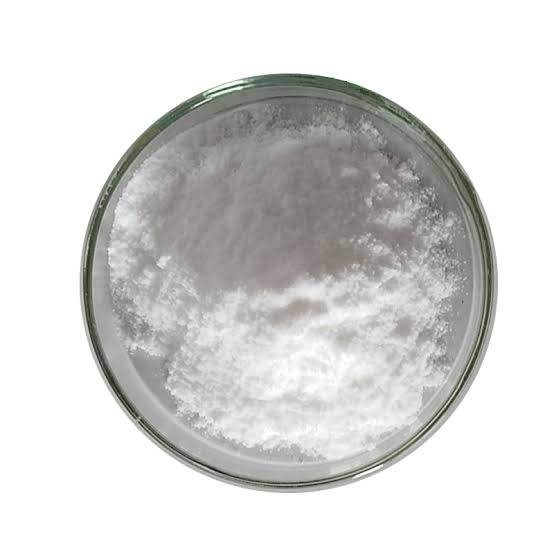
Indole-3-Butyric Acid CAS#133-32-4
Indole-3-Butyric Acid<br/>Indole-3-butyrate<br/><br/>Indole-3-butyric acid is an indole-substituted carboxylic acid that occurs as a plant auxin and metabolite. It is the conjugate acid of indole-3-butyrate and participates in plant development processes associated with cell elongation and differentiation. Typical applications concern plant growth-regulation work and root-development studies, where its auxin identity is central to the intended botanical application.
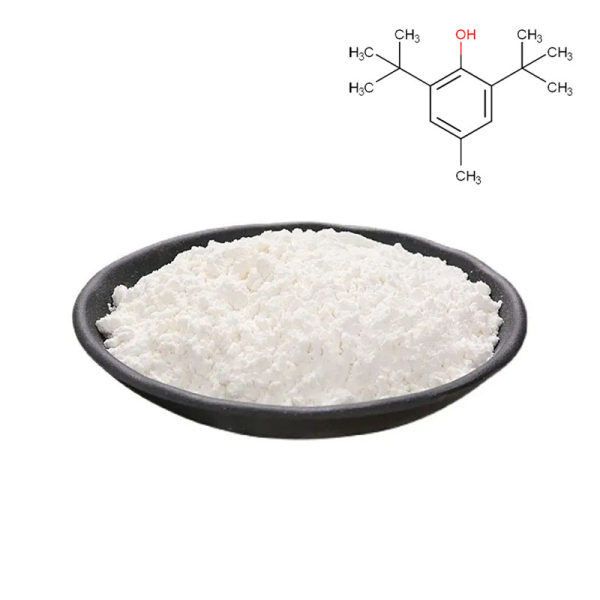
Bylaedydryluene CAS#128-37-0
Bylaedydryluene<br/>2,6-Di-tert-butyl-4-methylphenol<br/>BHT<br/>butylated hydroxytoluene<br/>white crystalline powder<br/><br/>Butylated hydroxytoluene, abbreviated BHT, is a phenolic antioxidant also known as di-tert-butyl methylphenol. It appears as a white crystalline powder with a faint characteristic odor. Water insolubility contrasts with good solubility in many organic solvents. Typical uses include antioxidant formulations, feed preservation, flavors and fragrances, and chemical raw materials, with additional applications in biochemical reagent work.
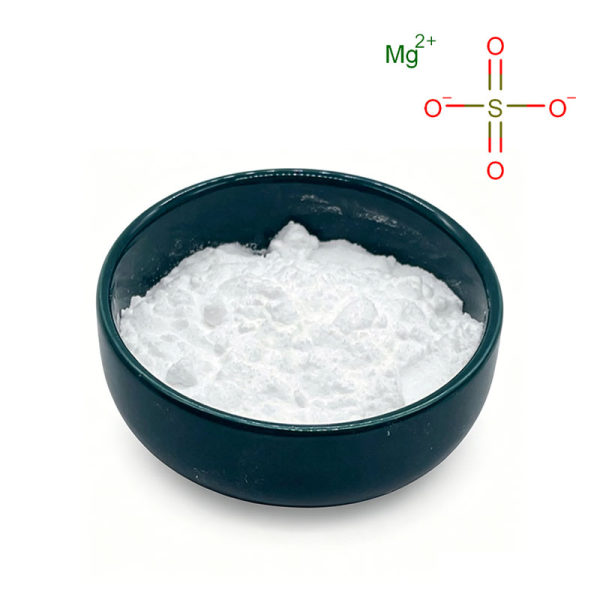
Magnesium sulfate anhydrous CAS#7487-88-9
Magnesium sulfate anhydrous<br/>bitter sulfur<br/>bitter salt<br/>Epsom salt<br/>MgSO₄<br/>colorless/white crystals or powder<br/><br/>Anhydrous magnesium sulfate is an odorless magnesium salt supplied as white or colorless crystals or powder. It dissolves readily in water and absorbs moisture, characteristics that distinguish its handling behavior from a fully hydrated material. Documented applications include pharmaceutical processing and printing or dyeing operations. Its anhydrous identity should be retained when selecting material rather than treating hydrated magnesium sulfate forms as equivalent.
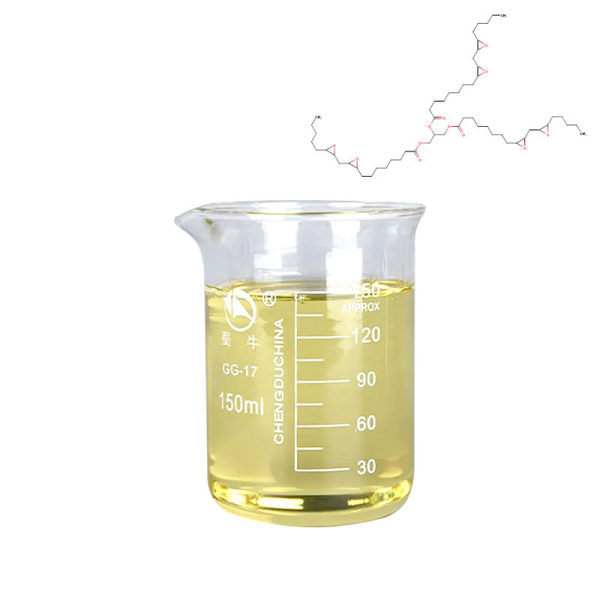
Epoxidized soya bean oil CAS#8013-07-8
Epoxidized soya bean oil<br/>Epoxidized soybean oil<br/><br/>Epoxidized soybean oil is a modified vegetable-oil additive used in polymer and lubricant formulations. In PVC processing, it functions as a plasticizer option within appropriately designed additive systems. It can also be modified for lubricant applications, where oxidation behavior and low-temperature fluidity are relevant formulation characteristics. These uses connect its epoxidized oil chemistry with both plastics processing and specialty lubrication.
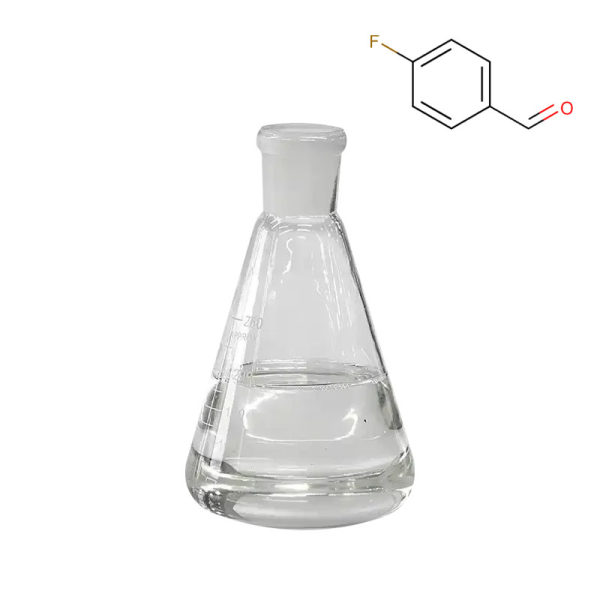
4-Fluorobenzaldehyde CAS#459-57-4
4-Fluorobenzaldehyde<br/>colorless to pale yellow liquid<br/><br/>4-Fluorobenzaldehyde is a fluorinated aromatic aldehyde supplied as a colorless to pale yellow liquid with a characteristic aromatic odor. Its aldehyde group participates in oxidation, reduction and condensation chemistry. Typical uses center on fine-chemical and pharmaceutical synthesis, including preparation of pyrazolopyridine derivatives. The combination of a fluorinated aromatic ring and reactive aldehyde functionality makes it a useful synthetic building block.
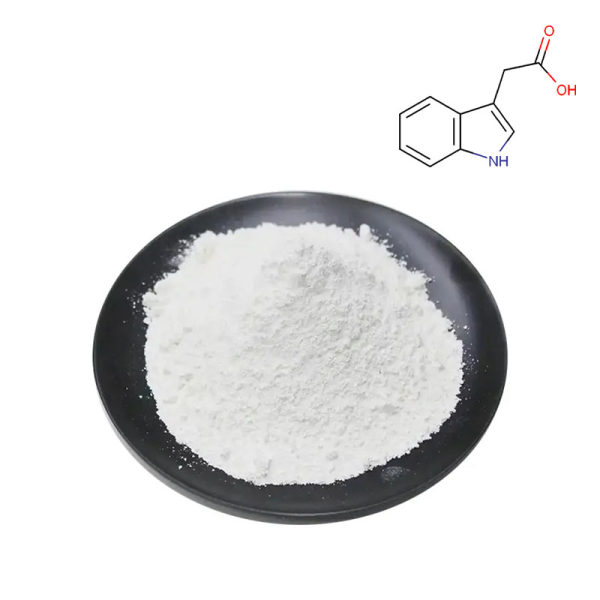
Indole-3-Acetic Acid CAS#87-51-4
Indole-3-Acetic Acid<br/>IAA<br/><br/>Indole-3-acetic acid, commonly called IAA, is a naturally occurring auxin used in plant research and propagation formulations. It has limited water solubility and can degrade in solution under light or elevated temperature. Typical applications include cutting-rooting studies, horticultural propagation and tissue-culture media, where its balance with cytokinins influences developmental responses. Treatment conditions vary with plant species and application method.
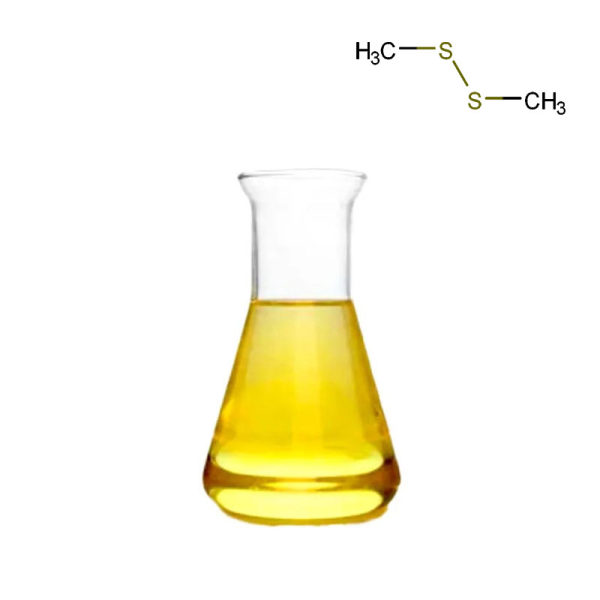
Dimethyl disulfide CAS#624-92-0
Dimethyl disulfide<br/>DMDS<br/>flammable yellow liquid; colorless to pale yellow liquid<br/><br/>Dimethyl disulfide, abbreviated DMDS, is an organosulfur liquid with a pronounced sulfurous odor and limited water solubility. It mixes with many organic solvents and serves primarily as a sulfiding reagent for hydroprocessing catalysts in petroleum refining. Additional uses include sulfur-containing intermediates for chemical synthesis and selected fragrance or flavor intermediate manufacture, rather than direct substitution of industrial material into food.
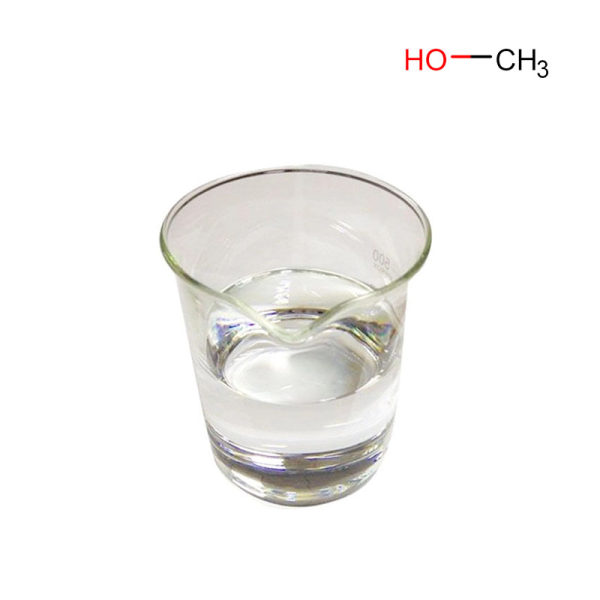
Methanol CAS#67-56-1
Methanol<br/>wood alcohol<br/>colorless, flammable, volatile, toxic liquid<br/><br/>Methanol, traditionally called wood alcohol, is a colorless, volatile and flammable liquid and the simplest monohydric alcohol. Its miscibility with water and many organic solvents supports broad solvent use. It is also a feedstock for formaldehyde, acetic acid, methylamines, ethers and esters. Other industrial applications include fuel blends, antifreeze formulations and manufacture of plastics and fine chemicals.
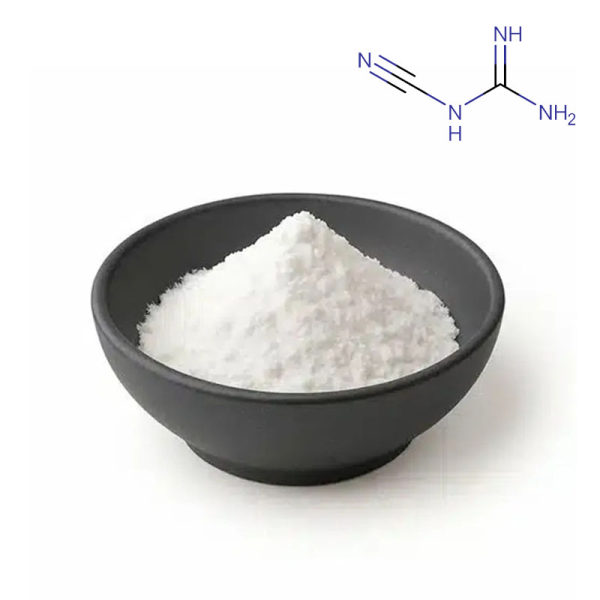
Dicyandiamide CAS#461-58-5
Dicyandiamide<br/>DICY<br/>DCD<br/>white crystalline powder<br/><br/>Dicyandiamide, known as DICY or DCD, is a cyanamide dimer supplied as a white crystalline powder. It dissolves in polar solvents but has little solubility in ether or benzene. In epoxy systems it acts as a latent heat-curing agent. Other uses include guanidine salt and melamine manufacture, dye-fixing resins, and fertilizer additives for managing soil nitrogen conversion.
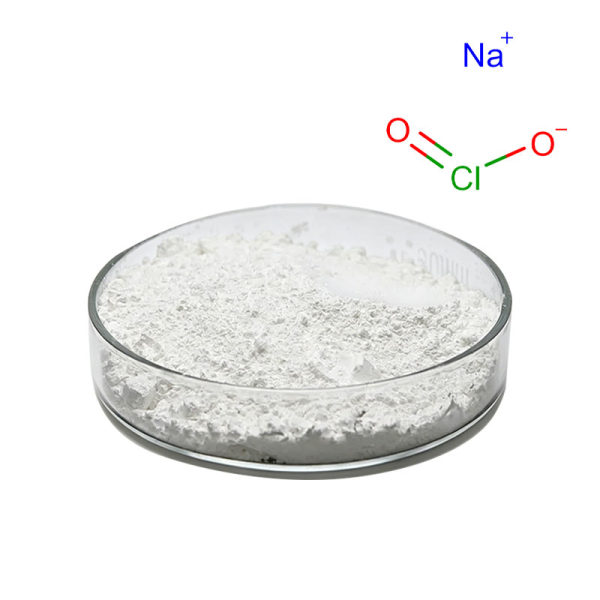
Sodium chlorite CAS#7758-19-2
Sodium chlorite<br/>NaClO₂<br/><br/>Sodium chlorite is a white crystalline oxidizing agent used chiefly as a raw material for chlorine dioxide generation in engineered treatment systems. Typical applications include industrial water treatment, pulp and paper bleaching, and textile processing. In organic synthesis it is employed in aldehyde-to-carboxylic-acid oxidation. Its strong oxidizing character makes material compatibility and controlled processing central to these applications.
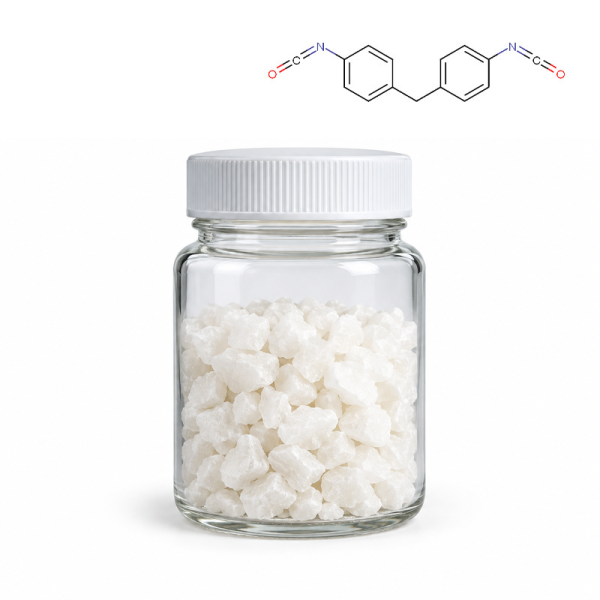
Methylenediphenyl Diisocyanate CAS#101-68-8
Methylenediphenyl Diisocyanate<br/>MDI<br/><br/>Methylene diphenyl diisocyanate, commonly abbreviated MDI, is an aromatic isocyanate used to make polyurethane materials through reaction with polyols. Suitable grades are employed in elastomers, adhesives, sealants and composite binders. Polymeric forms are associated with rigid insulation foams and panels. Monomeric, polymeric and modified materials differ in composition and processing behavior, so these forms should not be treated as interchangeable.
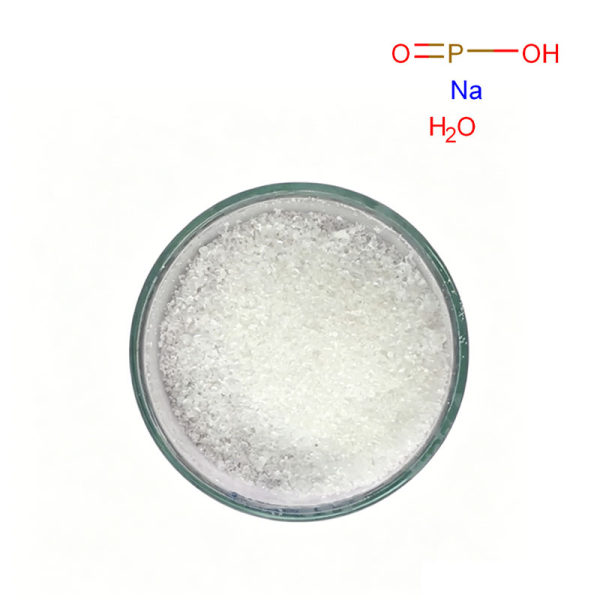
Sodium hypophosphite monohydrate CAS#10039-56-2
Sodium hypophosphite monohydrate<br/><br/>Sodium hypophosphite monohydrate is a hydrated reducing agent and stabilizer used in several industrial processes. Its principal application is electroless nickel plating, where it participates in metal deposition. Other documented uses include water-treatment formulations addressing scale and corrosion, flame-retardant synergist systems for polymers, and specialty chemical synthesis. The monohydrate designation identifies the supplied form rather than an unspecified hypophosphite material.
Send Us Your Inquiry Today