






Navigation
Send Us A Message
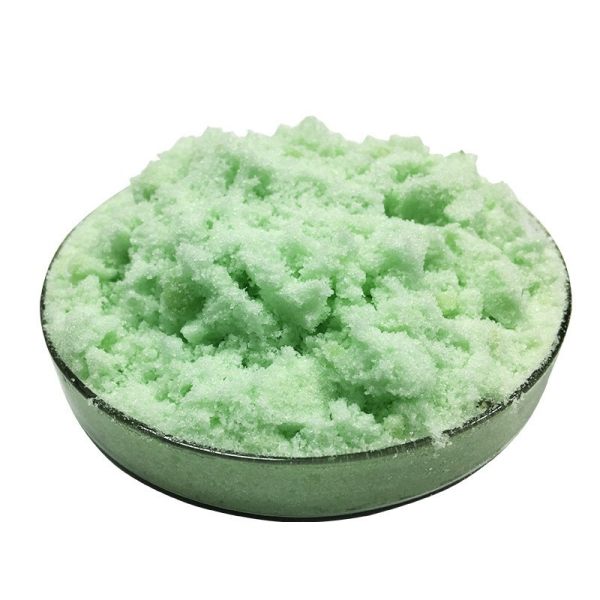
Ferrous sulfate CAS#7720-78-7
Ferrous sulfate<br/>green vitriol<br/>iron(II) sulfate<br/>FeSO₄·7H₂O<br/>green crystals (heptahydrate)<br/><br/>Ferrous sulfate is a water-soluble iron salt encountered in several hydration states. The heptahydrate, traditionally called green vitriol, forms green crystals and changes hydration state on heating. Applications include iron-source ingredients for food fortification and supplement formulations, as well as manufacture of iron compounds and sulfur-containing industrial chemicals. Hydrated and dried forms should be distinguished when selecting material for a formulation.
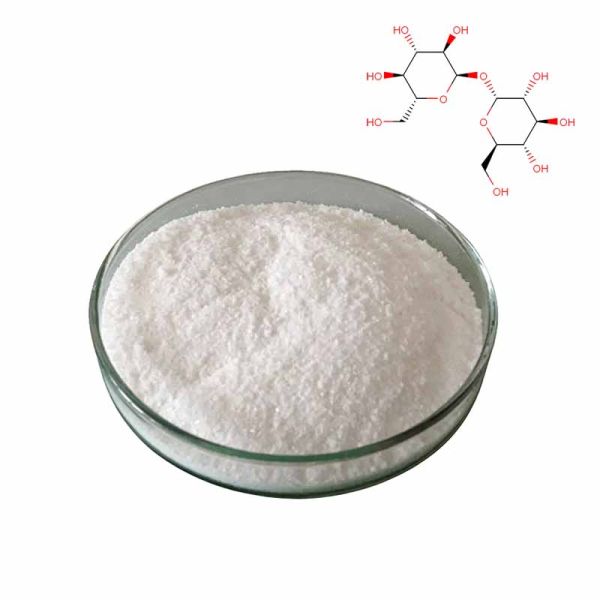
Trehalose CAS#99-20-7
Trehalose<br/>white crystalline powder<br/><br/>Trehalose is an odorless white crystalline powder with a mild sweet taste and low volatility. It dissolves readily in water, has limited ethanol solubility and is insoluble in ether and benzene. Its humectant function is used in skincare and cosmetic formulations for moisture management. The material is generally stable under ordinary conditions, although strong acids and particular enzymes can affect it.
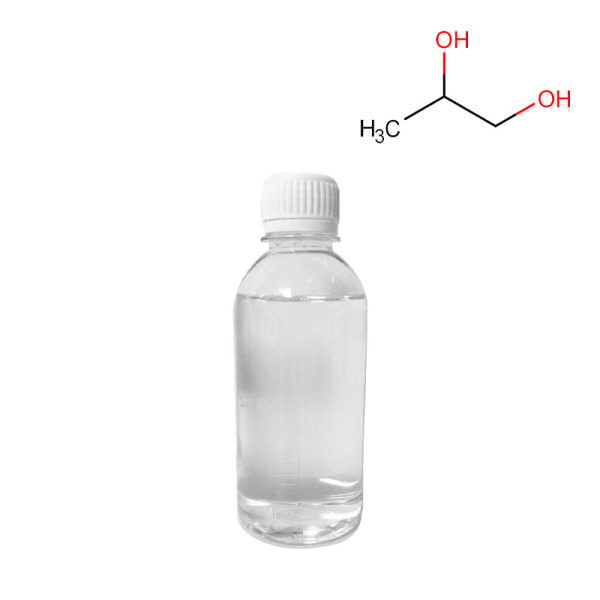
Propylene glycol CAS#57-55-6
Propylene glycol<br/>1,2-propanediol<br/>colorless viscous liquid<br/><br/>Propylene glycol, also known as 1,2-propanediol, is a colorless, viscous liquid with a faint sweet odor. It mixes completely with water and is compatible with many organic solvents. Typical industrial applications include unsaturated polyester, epoxy and polyurethane resin manufacture, along with solvent, lubricant and antifreeze formulations. Its moisture-retaining character also supports humectant use in appropriately selected formulation grades.
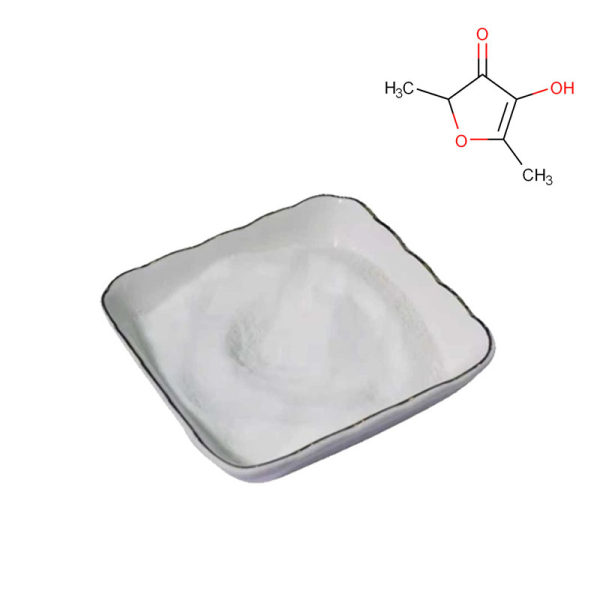
Furaneol CAS#3658-77-3
Furaneol<br/>2,5-Dimethyl-4-hydroxy-3(2H)-furanone<br/><br/>Furaneol is a furanone flavor compound naturally associated with strawberries and other fruits. Its sweet, strawberry-like aroma makes it useful in flavor and fragrance composition, including meat essence blends. The molecule contains hydroxy and carbonyl functionality, and it can originate through Maillard chemistry or biological production by plants and microorganisms, supporting several routes to this aroma ingredient.
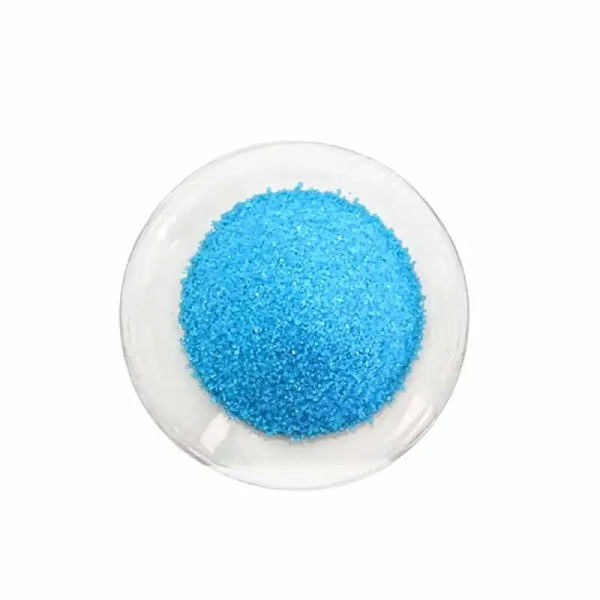
Cupric nitrate trihydrate CAS#10031-43-3
Cupric nitrate trihydrate<br/>copper(II) nitrate trihydrate<br/><br/>Cupric nitrate trihydrate, also called copper(II) nitrate trihydrate, is a copper salt used as a reagent and catalyst precursor. The trihydrate is employed in solvent-free synthesis of amino ketones and esters and in preparation of mononuclear copper coordination complexes. Further applications include copper oxide catalyst manufacture, textile processing, metal polishing, chemical analysis and educational electrochemical demonstrations.
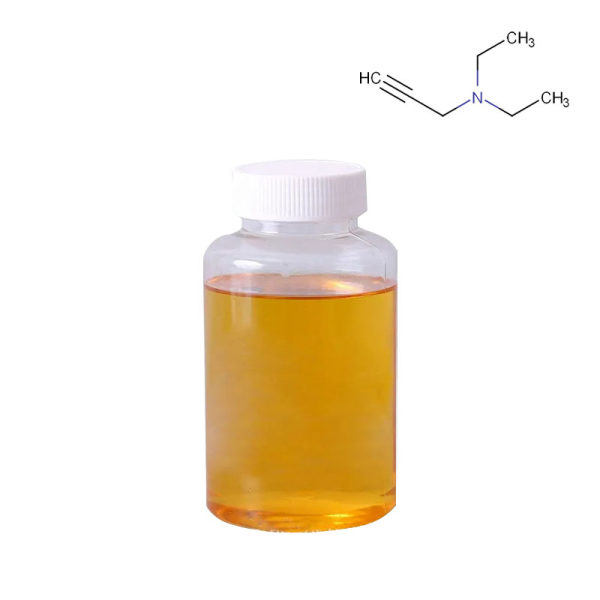
N,N-Diethylpropargylamine CAS#4079-68-9
N,N-Diethylpropargylamine<br/><br/>N,N-Diethylpropargylamine is a fine-chemical intermediate used in nickel and alloy plating formulations. Its reported water insolubility is relevant to bath preparation and formulation compatibility. Typical roles include brightening and leveling additives for nickel deposits, including electroless systems. Beyond surface treatment, it is used as an intermediate in pharmaceutical and pesticide synthesis, linking plating chemistry with specialty organic manufacture.
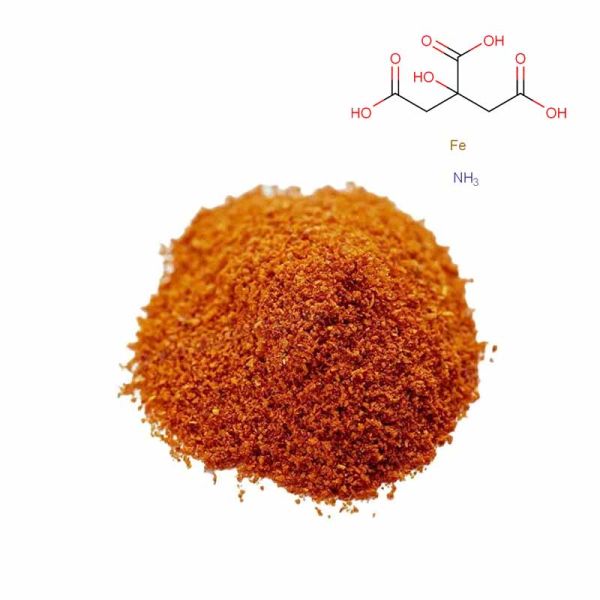
Ammonium ferric citrate CAS#1185-57-5
Ammonium ferric citrate<br/>brownish-red amorphous powder<br/><br/>Ammonium ferric citrate is an odorless, brownish-red amorphous powder with a slight iron taste. It dissolves readily in water but is insoluble in ethanol, ether and chloroform, and it decomposes on heating rather than showing a simple boiling behavior. Appropriate grades are used as iron-source ingredients in fortified cereals, dairy products, infant foods, beverages and other formulated foods.
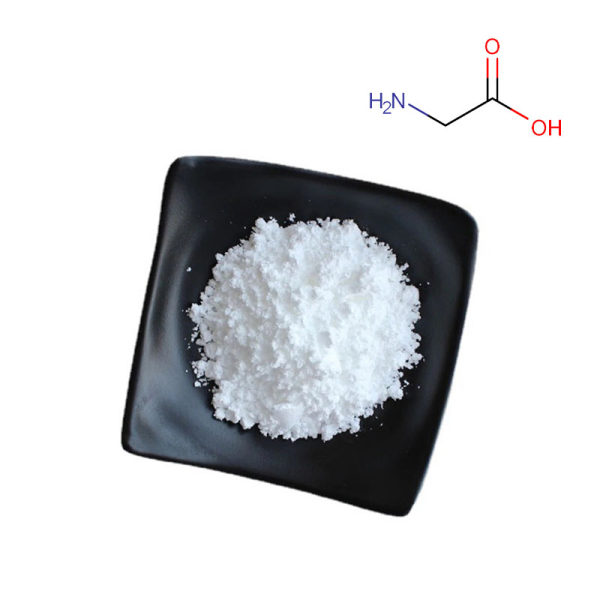
Glycine CAS#56-40-6
Glycine<br/>Gly<br/>G<br/>colorless crystals<br/><br/>Glycine is the smallest protein-forming amino acid and differs from most amino acids in being non-chiral. It forms colorless crystals with a sweet taste, and its minimal side chain contributes flexibility within protein structures. Typical uses include biochemical work and food or pharmaceutical formulation. Technical and pharmaceutical grades serve different requirements and should be selected according to the intended application.
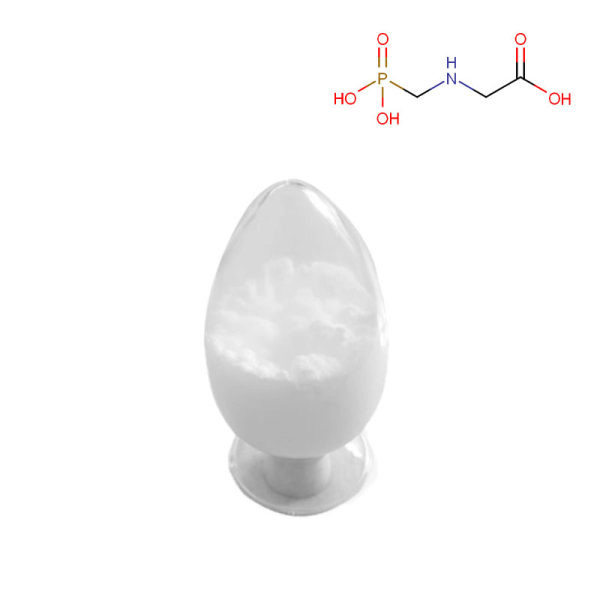
Glyphosate CAS#1071-83-6
Glyphosate<br/><br/>Glyphosate is a systemic herbicidal ingredient used in non-selective, post-emergence weed-management formulations. Its application profile covers grasses, broadleaf weeds, sedges and woody vegetation in agricultural and forestry settings. Typical uses include weed management in orchards, tea gardens, rubber plantations and crop-rotation land. Product selection and permitted application depend on the particular formulation and its authorized agricultural use.
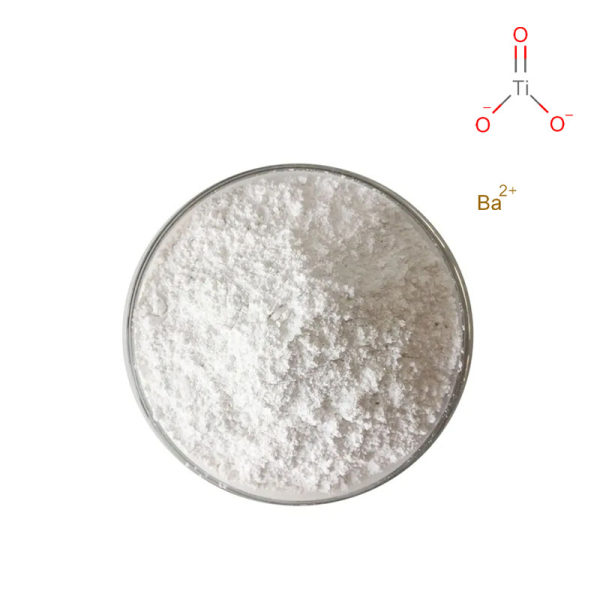
Barium titanate CAS#12047-27-7
Barium titanate<br/>BaTiO₃<br/>white powder<br/><br/>Barium titanate is a functional ceramic material with a perovskite structure, usually supplied as a white powder. Its dielectric, ferroelectric and piezoelectric characteristics depend on composition and processing. Typical applications include multilayer ceramic capacitors, thermistors and piezoelectric components. Particle size, dopants and firing conditions are important because capacitor powders, semiconducting thermistor compositions and piezoelectric grades are not interchangeable.
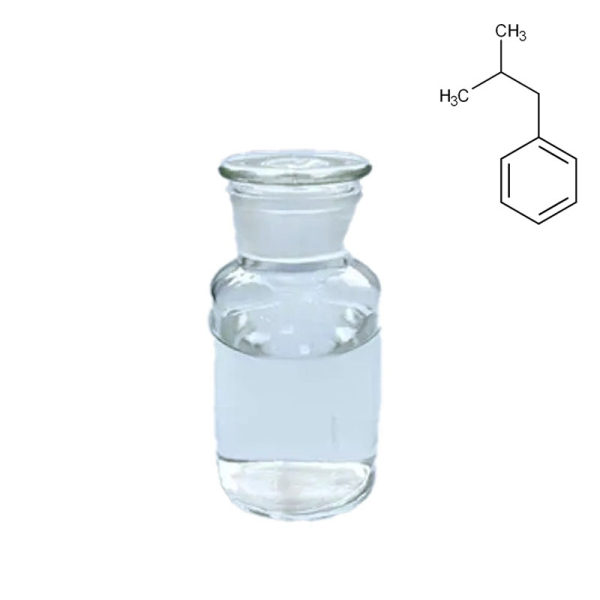
Isobutylbenzene CAS#538-93-2
Isobutylbenzene<br/>C₁₀H₁₄<br/>colorless liquid<br/><br/>Isobutylbenzene is a colorless, flammable aromatic hydrocarbon with a characteristic sweet odor. It is used as an intermediate in ibuprofen manufacture and in perfume-related synthesis. The compound also has a documented research role as an internal standard in studies of petunia pigmentation and floral scent, connecting its industrial aromatic chemistry with specialized analytical work on plant-derived compounds.
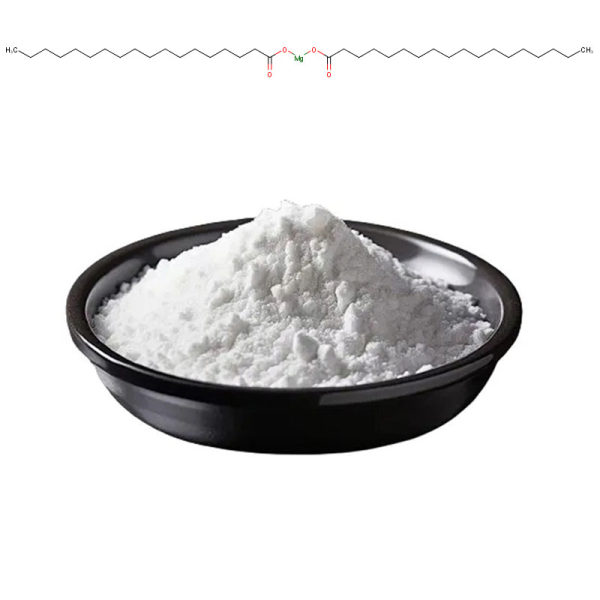
Magnesium Stearate CAS#557-04-0
Magnesium Stearate<br/>E470b<br/><br/>Magnesium stearate is a hydrophobic formulation additive valued for its lubricating and release properties. It is widely used during tablet and capsule manufacture as a lubricant and anti-adherent. Other functions include emulsification, binding, thickening, anticaking and antifoaming in suitable food and pharmaceutical formulations. Animal-derived and vegetable-derived grades are available, making origin an additional consideration during material selection.
Send Us Your Inquiry Today