






Navigation
Send Us A Message
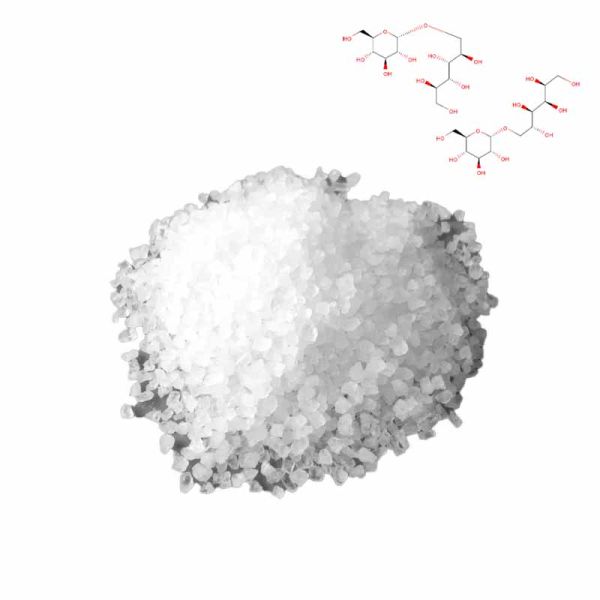
Isomalt CAS#64519-82-0
Isomalt<br/>D-Mannitol<br/>odorless white crystal<br/><br/>Isomalt is a sugar alcohol sweetener supplied as odorless white crystals with a mild sweetness and a cooling sensory character. It dissolves in water and has low moisture uptake. Its resistance to caramelization and Maillard browning is relevant to food processing. Typical use is as a sugar-free sweetening ingredient in food formulations where moisture behavior and browning characteristics matter.
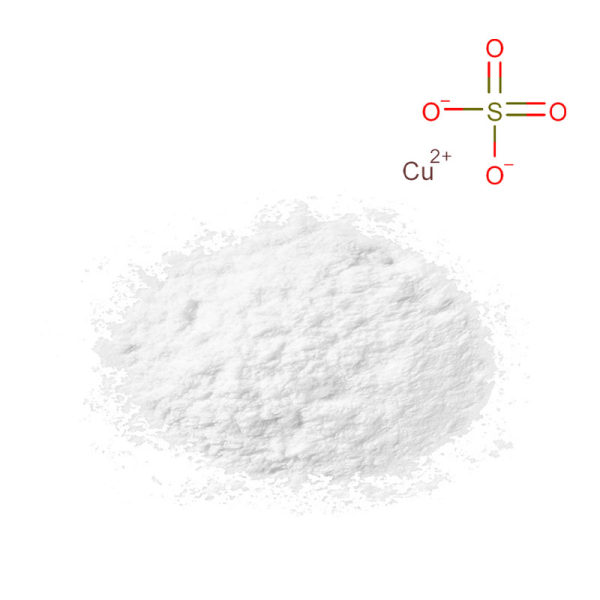
Copper(II) sulfate CAS#7758-98-7
Copper(II) sulfate<br/>blue vitriol<br/>CuSO₄<br/>greenish-white crystalline solid (anhydrous); blue powder, granules or ultramarine crystals (pentahydrate)<br/><br/>Copper(II) sulfate is an inorganic copper salt whose appearance depends on hydration. The anhydrous material is pale to grayish white, whereas the pentahydrate forms blue crystals; moisture converts the anhydrous salt toward its hydrated form. It dissolves in water to give blue, generally acidic solutions. Applications include electroplating, mineral flotation, chemical synthesis and laboratory work, with the supplied hydration state requiring confirmation.
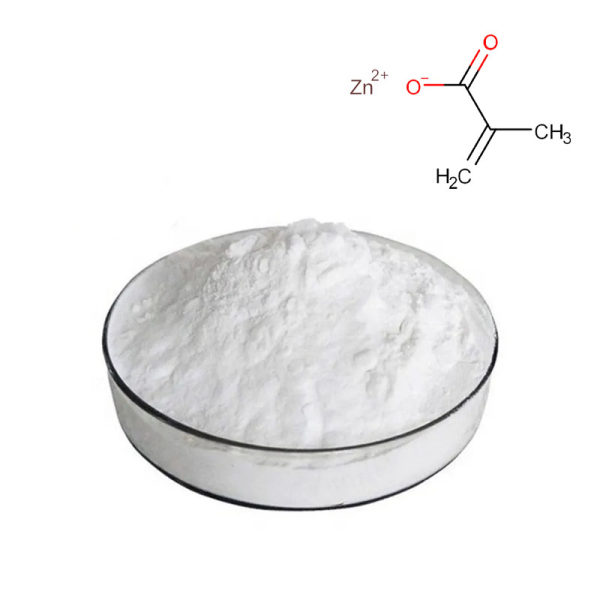
Zinc methacrylate CAS#13189-00-9
Zinc methacrylate<br/><br/>Zinc methacrylate is an organic zinc compound used in rubber and adhesive technology. Its application profile relates to mechanical properties and resistance to heat, oils and corrosion in formulated materials. Typical uses include rubber products, automotive sealants and cable sheath adhesives. It is also incorporated into two-component acrylate structural adhesives intended for service across differing temperature conditions.
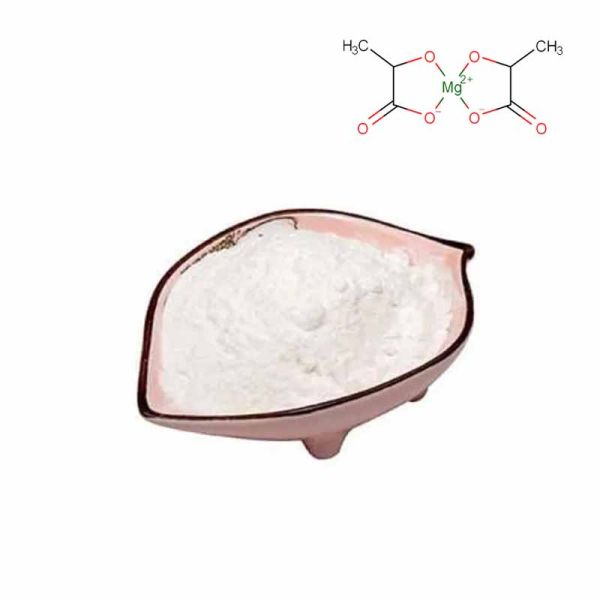
Magnesium L-lactate trihydrate CAS#18917-93-6
Magnesium L-lactate trihydrate<br/>odorless white powder<br/><br/>Magnesium L-lactate trihydrate is the hydrated form of magnesium L-lactate, supplied as an odorless white powder. It dissolves in water but not in ethanol or ether and has very low volatility. Typical applications include magnesium-source ingredients for food and supplement formulations, cosmetic and personal care products, and fertilizer or animal feed formulations requiring a magnesium component.
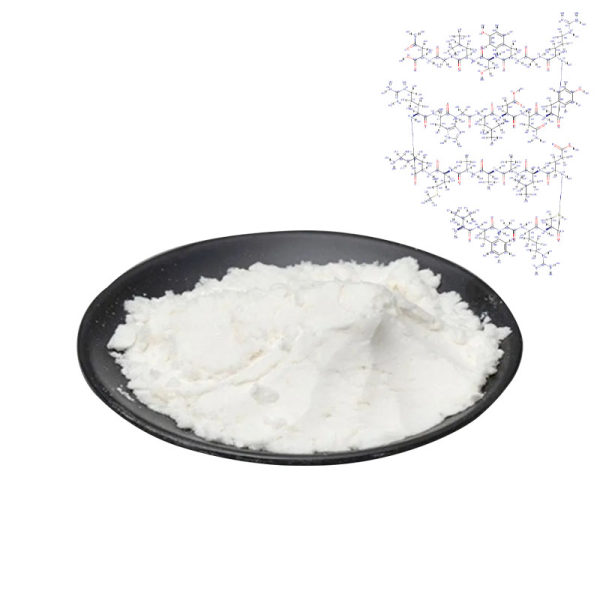
Lysozyme CAS#12650-88-3
Lysozyme<br/><br/>Lysozyme is an egg-derived enzyme used in food processing and biotechnology. The supplied material is described as stable across a broad range of acidity, a characteristic relevant to formulation and laboratory use. Typical applications include cheese and meat preservation systems and cell lysis procedures in biotechnology. It is also incorporated into selected oral-care formulations as an enzyme ingredient.
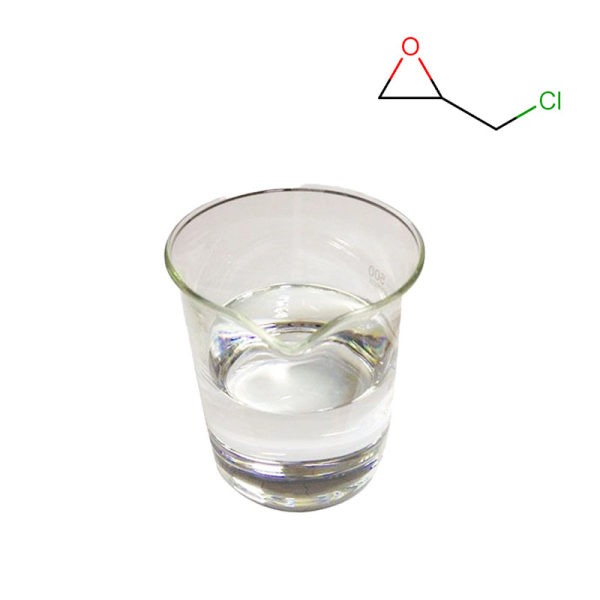
Epichlorohydrin CAS#106-89-8
Epichlorohydrin<br/><br/>Epichlorohydrin is a reactive organochlorine epoxide used as an industrial intermediate and solvent. Its chemistry supports the manufacture of epoxy resins, glycerol, elastomers and specialty chemicals. Typical downstream applications include coatings, adhesives and insulation materials. It also serves as a cross-linking reagent in biochemical processing, including chromatography resin manufacture, and as an intermediate for surfactants and other fine chemicals.
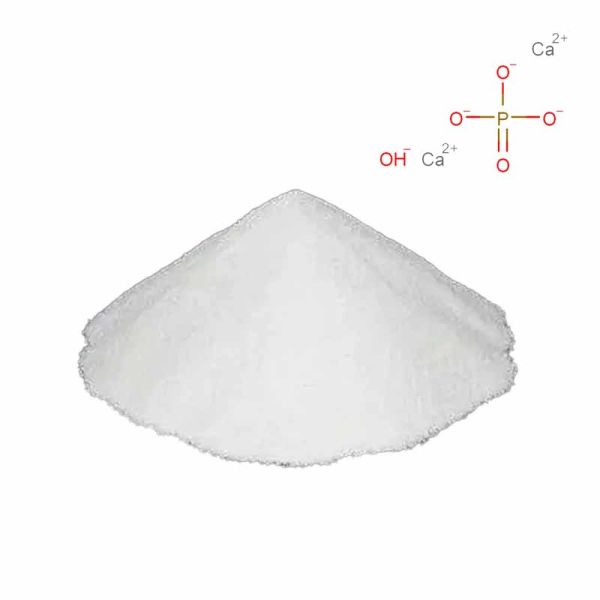
Hydroxyapatite CAS#1306-06-5
Hydroxyapatite<br/>Ca₁₀(PO₄)₆(OH)₂<br/>white powder<br/><br/>Hydroxyapatite is a calcium phosphate material typically supplied as a white powder with low water solubility and greater dissolution under acidic conditions. Particle size and crystallinity influence its processing behavior. It is used in ceramic materials, surface coatings and composites, including research on bone-related and dental materials. Surface adsorption and ion exchange also support water-treatment and environmental research applications.
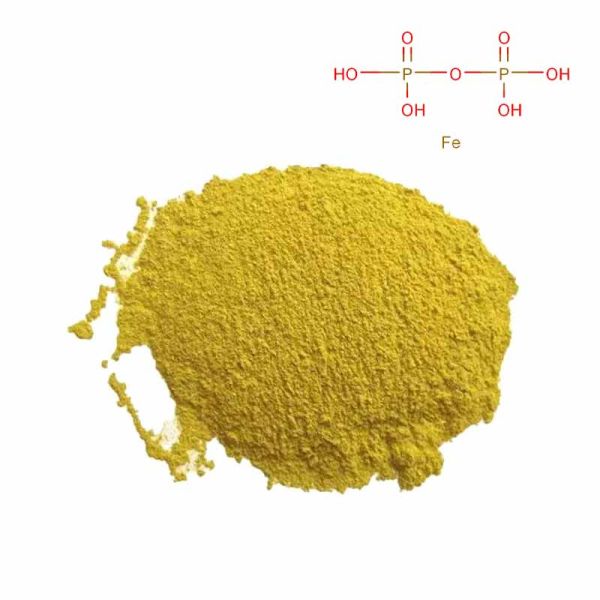
Ferric pyrophosphate CAS#10058-44-3
Ferric pyrophosphate<br/>iron(III) pyrophosphate<br/>pale yellowish-white powder; tan or yellowish-white powder<br/><br/>Ferric pyrophosphate, also known as iron(III) pyrophosphate, is an odorless, pale yellowish-white to tan powder with a slight iron taste. It is insoluble in cold water but dissolves in inorganic acids, alkaline solutions and citric acid. Typical applications involve iron-source ingredients for nutritional formulations, particularly infant formula, where its solubility characteristics are relevant to ingredient selection.
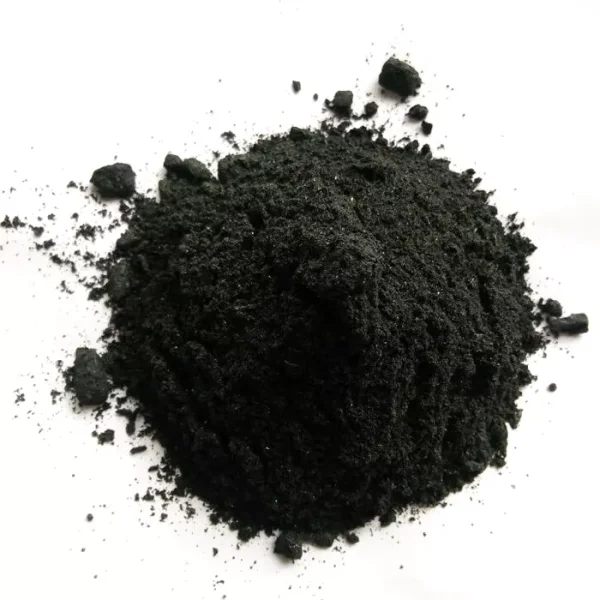
Ferric chloride CAS#7705-08-0
Ferric chloride<br/>FeCl₃<br/>black-brown hexagonal crystal<br/><br/>Ferric chloride is a dark, crystalline iron salt with distinctive red transmitted-light and green reflected-light appearances. It dissolves in water and numerous organic solvents, supporting varied chemical-processing applications. Typical uses include water treatment, textile mordanting, printing etching and pigment manufacture. It also serves as an organic synthesis catalyst, chlorinating reagent, mining leaching agent and precursor for other iron salts.
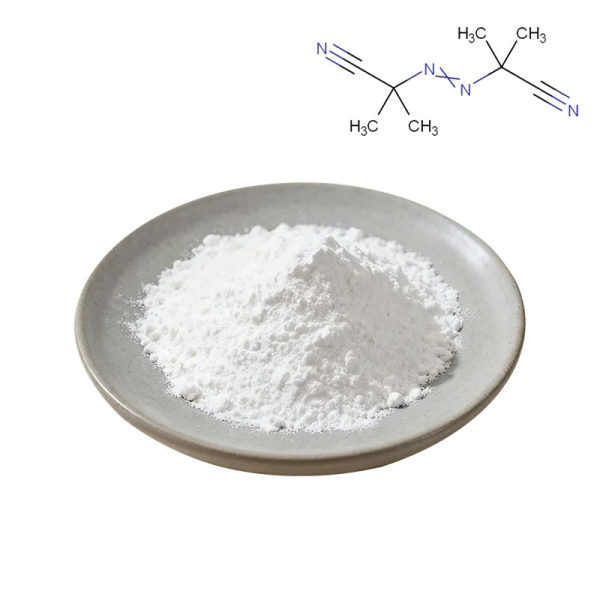
2,2'-Azobis(2-methylpropionitrile) CAS#78-67-1
2,2'-Azobis(2-methylpropionitrile)<br/>Azobisisobutyronitrile<br/>AIBN<br/>white powder<br/><br/>Azobisisobutyronitrile, commonly abbreviated AIBN, is a white powdered azo compound that dissolves in alcohols and many organic solvents but not in water. Its decomposition generates free radicals, making it useful as an initiator for vinyl polymerization and related chemical reactions. It is also employed as a blowing agent in plastics and rubber and in studies of radical polymerization kinetics.
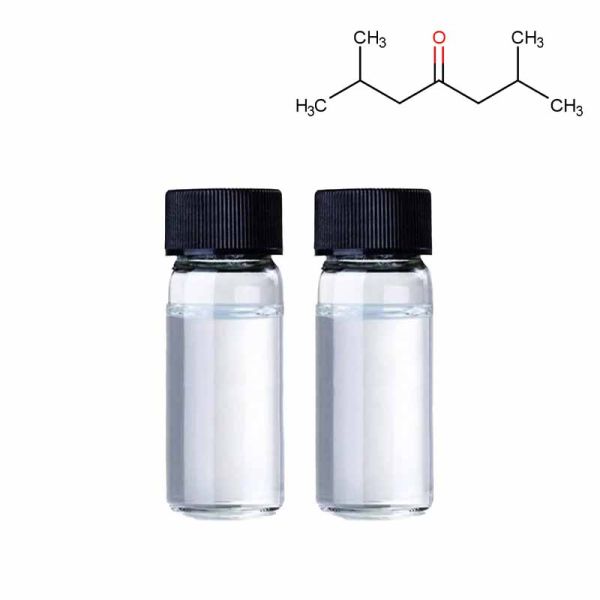
2,6-Dimethyl-4-heptanone CAS#108-83-8
2,6-Dimethyl-4-heptanone<br/>diisobutyl ketone<br/><br/>Diisobutyl ketone, also known as 2,6-dimethyl-4-heptanone, is an organic solvent used in coatings and chemical processing. It dissolves nitrocellulose and serves as a dispersing medium for organosol resins. Analytical applications include solvent extraction for trace-metal determination in aqueous samples and phosphorus measurement. Other uses include flavoring and intermediate manufacture for dyes, corrosion inhibitors and pharmaceutical raw materials.
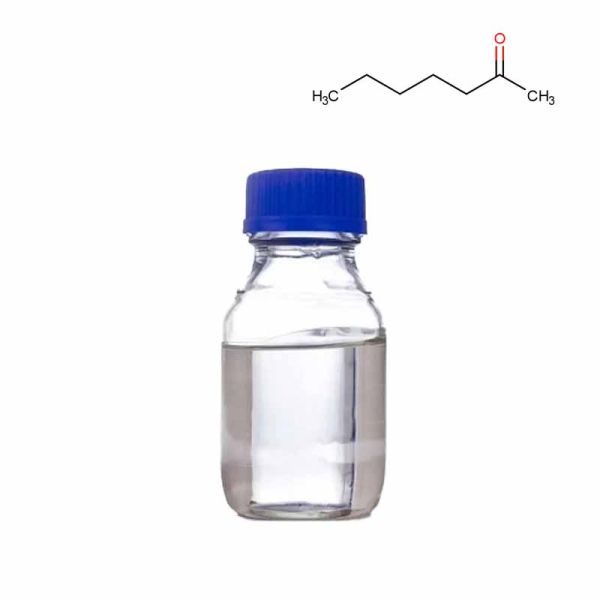
2-Heptanone CAS#110-43-0
2-Heptanone<br/><br/>2-Heptanone is a ketone with a banana-like aroma accompanied by a subtle spicy note. Its odor profile supports use in flavor and fragrance blends, while its solvent function is applied in synthetic resin coatings and surface finishes. It also provides a reaction medium in chemical processing and is used in perfumes, soaps, detergents and personal care fragrance formulations.
Send Us Your Inquiry Today