






Navigation
Send Us A Message
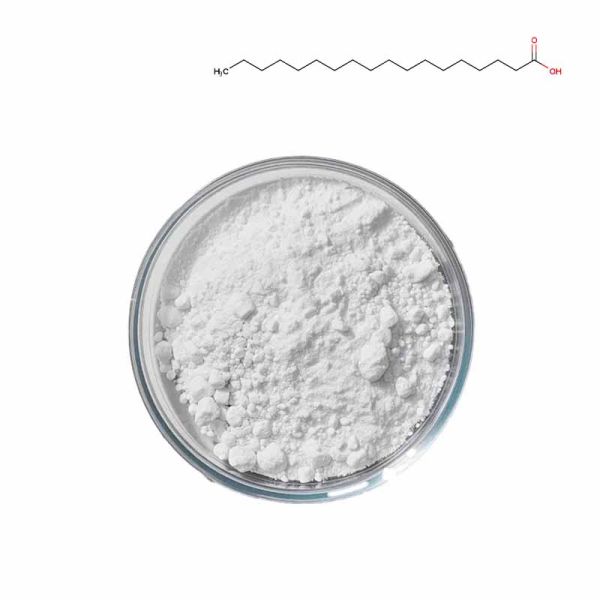
Stearic acid CAS#57-11-4
Stearic acid<br/>white waxy solid<br/><br/>Stearic acid is a white, waxy solid with a faint fatty odor and limited water solubility. It dissolves in several organic solvents and remains chemically stable under ordinary conditions. Typical uses include rubber curing activation, manufacture of plasticizers and stabilizers, and formulation of candles, waterproofing products and polishing agents. It also supplies the fatty acid component for stearate ester production.
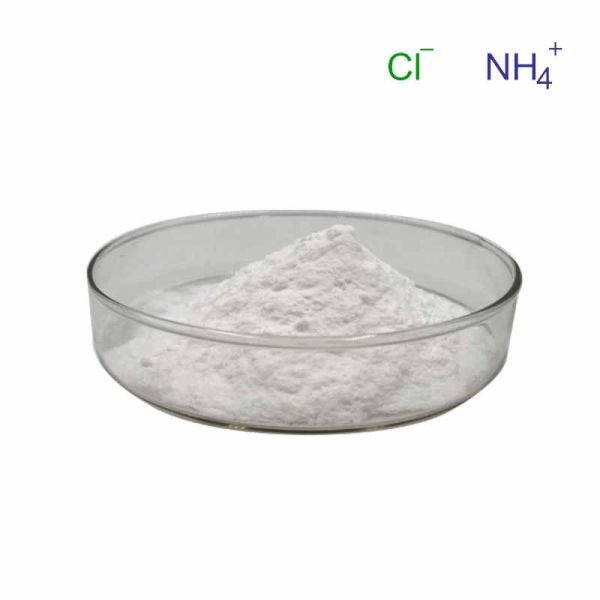
Ammonium chloride CAS#12125-02-9
Ammonium chloride<br/>chloramine<br/>halogen sand<br/>white crystalline salt<br/><br/>Ammonium chloride is a white crystalline salt that dissolves in water and forms mildly acidic solutions. Humid conditions can encourage moisture uptake and caking, while heating produces reversible dissociation. Its industrial uses span battery manufacture, leather tanning, electroplating and adhesive formulations. It is also employed as an acidic nitrogen fertilizer for grain and fiber crops.
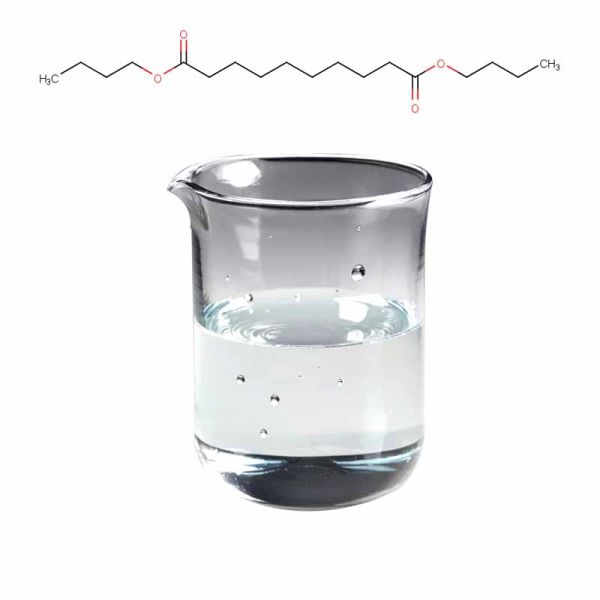
Dibutyl sebacate CAS#109-43-3
Dibutyl sebacate<br/>DBS<br/>colorless transparent liquid<br/><br/>Dibutyl sebacate, often abbreviated DBS, is the dibutyl ester of sebacic acid. This clear, colorless liquid has a mild odor, low volatility and poor water solubility, but mixes with many organic solvents. It serves as a plasticizer in ethylcellulose films and plastic formulations, with additional use as a liquid core medium in specialized extraction capsules.
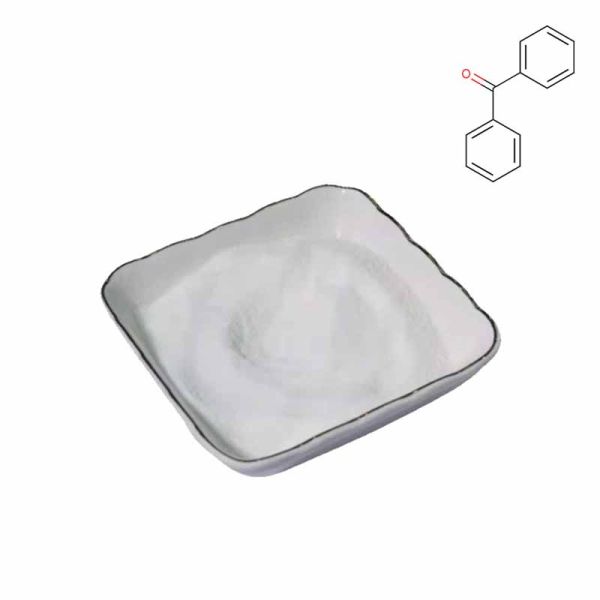
Benzophenone CAS#119-61-9
Benzophenone<br/>C₁₃H₁₀O<br/>colorless rhombic crystals<br/><br/>Benzophenone is an organic compound that forms colorless, rhombic crystals. It is practically insoluble in water but dissolves in organic solvents, making it useful in solvent-based formulations. Typical applications include photoinitiation in ultraviolet-curable printing inks and coatings, intermediate manufacture for pharmaceutical and agricultural chemicals, and fragrance composition, where it is used as a floral fragrance ingredient and fixative.
Boron nitride CAS#10043-11-5
Boron nitride<br/>graphite-like hexagonal form; spherical structure<br/><br/>Boron nitride is an advanced inorganic material whose hexagonal form has a layered structure resembling graphite. Strong bonding within each layer contrasts with weaker interactions between layers, allowing easy shear and lubricating behavior. This electrically insulating form is used in high-temperature components, mold coatings, self-lubricating additives and semiconductor substrates, while other applications include specialized coatings and engineering materials.
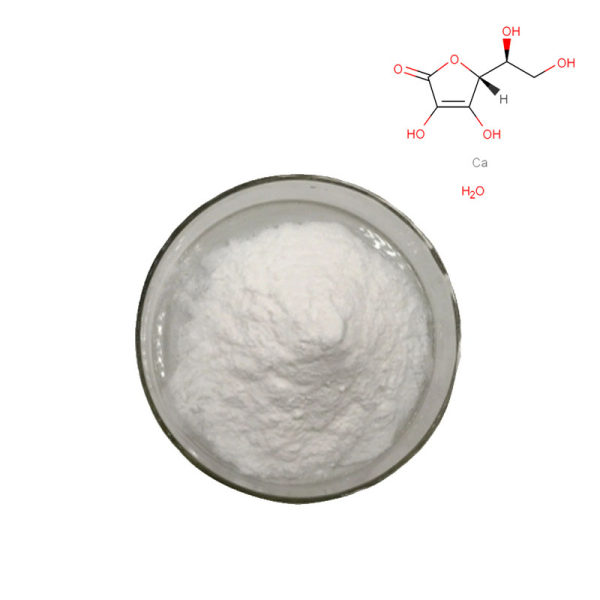
Calcium ascorbate dihydrate CAS#5743-28-2
Calcium ascorbate dihydrate<br/><br/>Calcium ascorbate dihydrate is the hydrated calcium salt of ascorbic acid, described as a buffered, non-acidic ascorbate. Its dihydrate identity distinguishes it from other forms of the ingredient. Applications include pharmaceutical quality-control work as a secondary standard and use in food formulations as an antioxidant ingredient, with selection guided by the requirements of the intended formulation or analytical procedure.
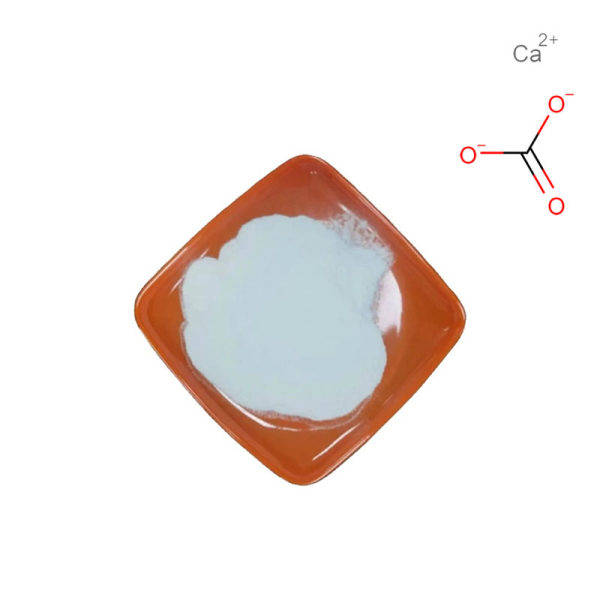
Calcium carbonate CAS#471-34-1
Calcium carbonate<br/>powdered; precipitated grades<br/><br/>Calcium carbonate is a mineral raw material associated with limestone, marble and chalk. It is nearly insoluble in water and alcohol and is supplied in powdered or precipitated forms with differing particle characteristics. Applications include cement, mortar, glass and lime manufacture, along with filler use in paper, paints, plastics, adhesives and sealants. Selected grades also serve formulation roles in cosmetics and food products.
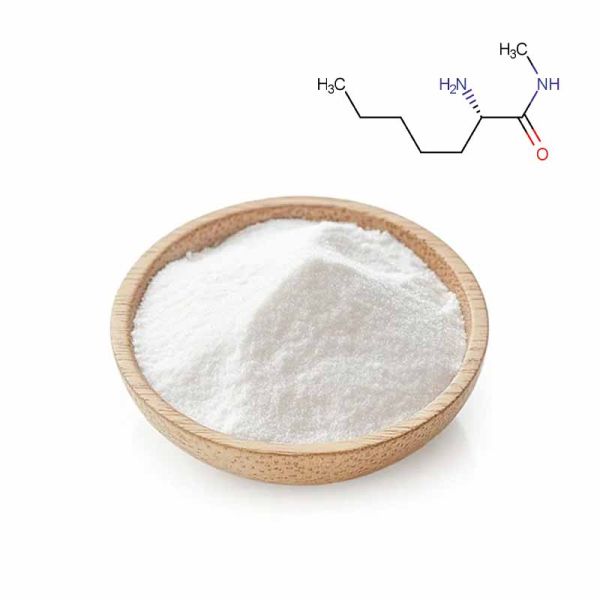
Epsilon-polylysine CAS#28211-04-3
Epsilon-polylysine<br/>light yellow, highly hygroscopic powder<br/><br/>Epsilon-polylysine is a linear lysine polymer produced through Streptomyces fermentation. It appears as a light yellow, strongly hygroscopic powder with a slightly bitter taste and high water solubility. Its relative tolerance of heat and changing acidity is relevant to formulation work. Typical applications center on food preservation, where polymer characteristics and processing conditions determine its suitability for a particular product.
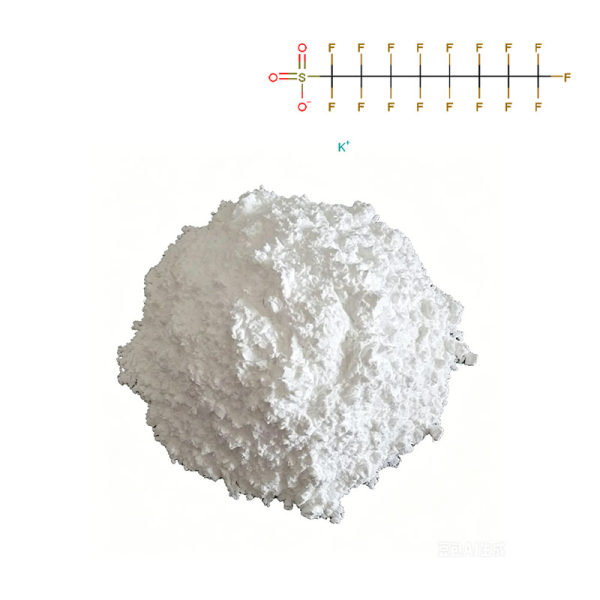
Potassium heptadecafluoro-1octanesulfonate CAS#2795-39-3
Potassium heptadecafluoro-1octanesulfonate<br/>PFOS-K<br/>potassium perfluorooctanesulfonate<br/><br/>Potassium perfluorooctanesulfonate, also called PFOS-K, is an organofluorine surfactant combining strong chemical persistence with surface-active behavior. Its fluorinated chain contributes water- and oil-repellent characteristics. Documented industrial applications include chromium mist suppression in electroplating, wetting formulations and fluoroprotein firefighting foams. Because the material is persistent and bioaccumulative, these applications are subject to strict restrictions rather than unrestricted general use.
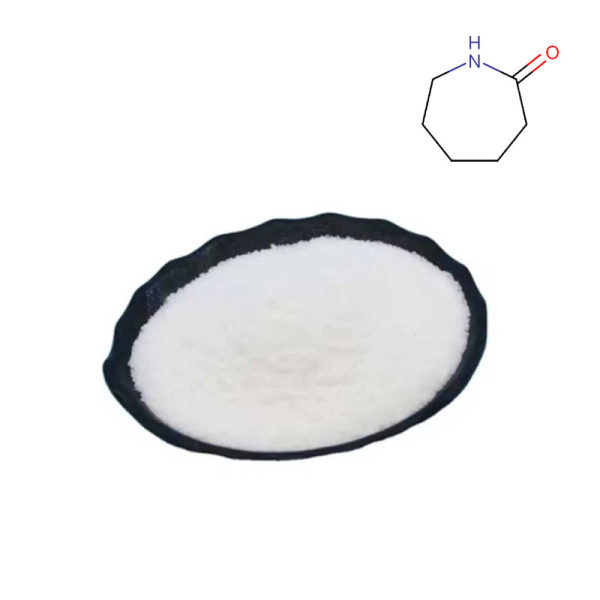
Caprolactam CAS#105-60-2
Caprolactam<br/>ε-Caprolactam<br/>white flaky solid; molten state<br/><br/>Caprolactam is a white, flaky solid that dissolves readily in water and can also be handled in molten form. Also known as epsilon-caprolactam, it is a principal monomer for polycaprolactam and polyamide fibers used in carpets, apparel, textiles and tire materials. Other applications include polymer solvents, coatings, plasticizer formulations and cross-linking functions in polyurethane synthesis.
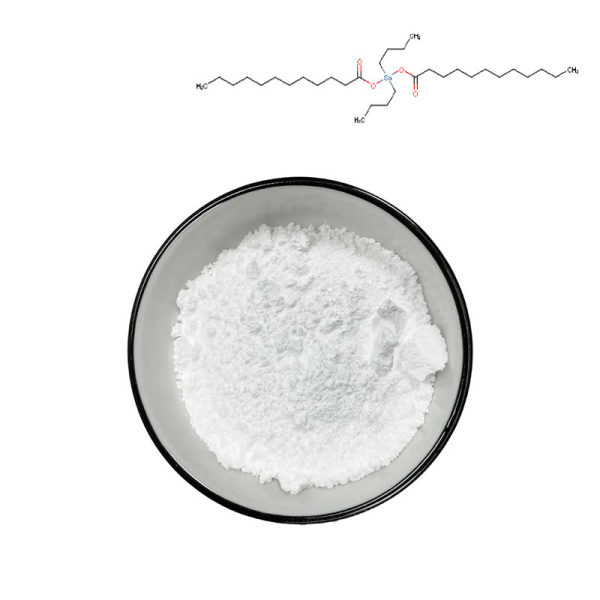
Dibutyltin dilaurate CAS#77-58-7
Dibutyltin dilaurate<br/><br/>Dibutyltin dilaurate is an organotin catalyst with low viscosity, allowing incorporation into liquid formulation systems. It is used in polyurethane foam production and curing, room-temperature-vulcanizing silicone sealants, and adhesive formulations. Additional applications include alkyd resin coatings and structural adhesives. Its catalytic role varies with the chemistry of the system, so formulation selection depends on the desired processing and cure behavior.
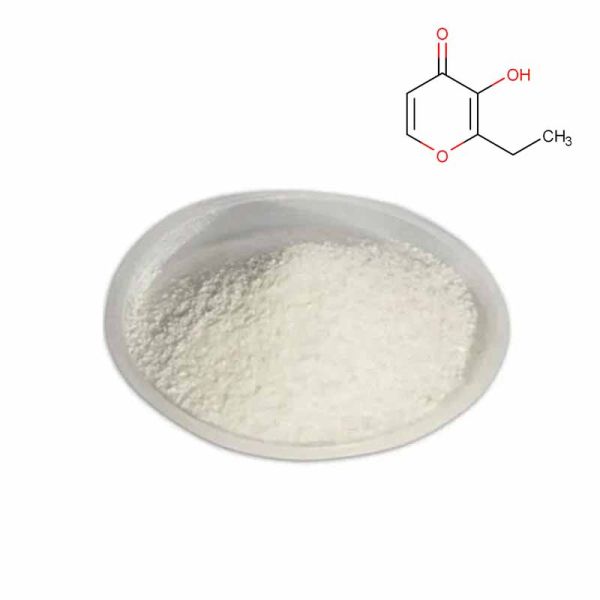
Ethyl maltol CAS#4940-11-8
Ethyl maltol<br/>white crystalline substance; white crystalline powder<br/><br/>Ethyl maltol is a white crystalline flavor ingredient characterized by a persistent caramel-like aroma and sweet, fruity notes. It is only slightly soluble in water but dissolves more readily in alcohol. Typical applications include baked goods, beverages, and berry or citrus flavor blends. It is also used in fragrance and cosmetic formulations to modify aroma profiles and mask unwanted notes.
Send Us Your Inquiry Today