






Navigation
Send Us A Message
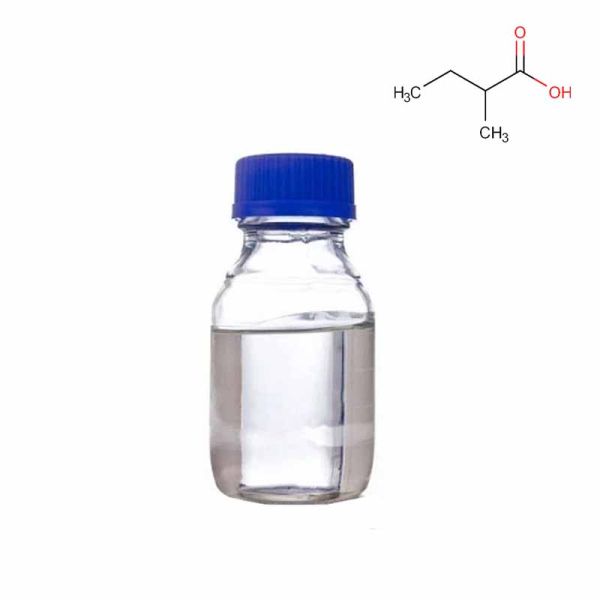
2-Methyl butyric acid CAS#116-53-0
2-Methyl butyric acid<br/><br/>2-Methylbutyric acid is an organic acid with a pungent Roquefort-cheese odor that becomes fruity at low dilution. It can be produced by decarboxylation or oxidation of fusel oil and provides an acyl unit for ester synthesis. It is used to build butter, cream and cheese flavor profiles, and as an intermediate for organic synthesis, pharmaceutical, agrochemical and dye chemistry. It also produces 2-methylbutyric anhydride.
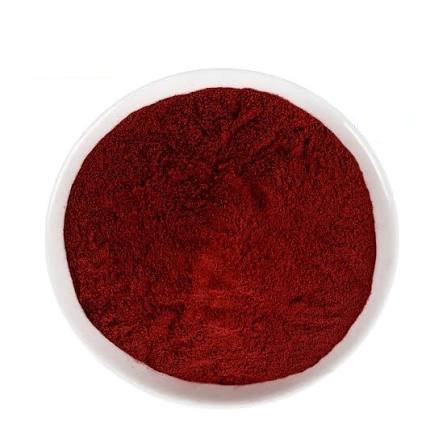
Acid Red 18 CAS#2611-82-7
Acid Red 18<br/><br/>Acid Red 18, also known as Food Red No. 102 in the supplied material, is a synthetic red colorant for controlled food coloration. Its permitted use depends on the food category and applicable maximum dosage, with restrictions intended to prevent misleading coloration. It is used in fruit drinks, compound alcoholic beverages, carbonated drinks, candies, cakes, ice cream and yogurt. It is also used in environmental testing for dye and metabolite analysis.
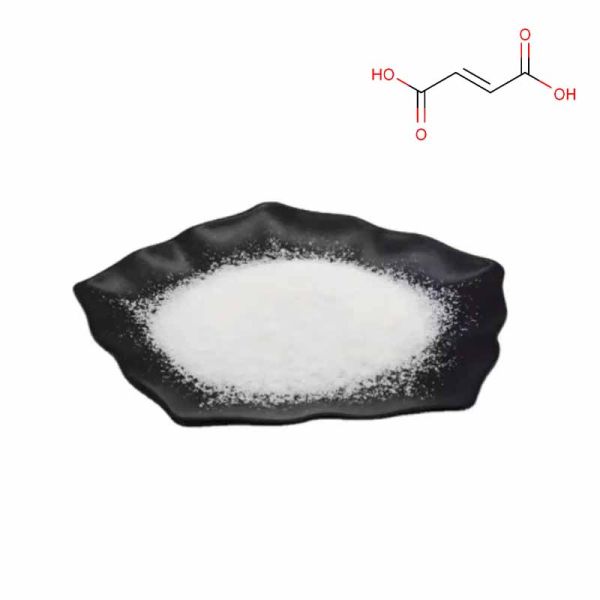
Fumaric Acid CAS#110-17-8
Fumaric Acid<br/><br/>Fumaric acid is a nonhygroscopic organic acid and fine-chemical intermediate derived in the maleic-anhydride family. It dissolves slowly in cold water and provides strong, durable acidity without readily absorbing atmospheric moisture. It is used as an acidulant in soft drinks, wine, concentrated juice, canned fruits, pickles and ice cream. In solid beverages it supports acid leavening, lasting effervescence and fine texture, and it also serves coatings, resins and plasticizers.
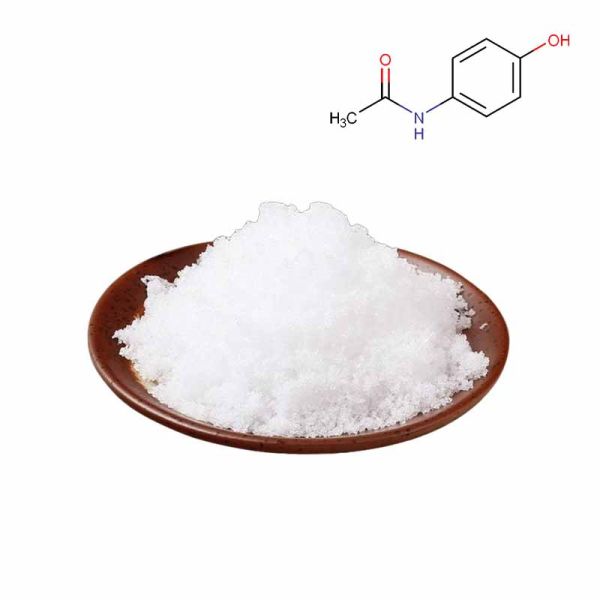
Acetaminophen CAS#103-90-2
Acetaminophen<br/><br/>Acetaminophen, or paracetamol, is an acetanilide-derived analgesic and antipyretic active substance. Its supplied profile describes preferential inhibition of COX-2 at high exposure and formation of a reactive metabolite, so formulation and use require appropriate pharmaceutical controls. It is used in pain- and fever-relief preparations, including cold and toothache products. Outside finished medicines, it serves as an organic intermediate, hydrogen-peroxide stabilizer and photographic chemical component.
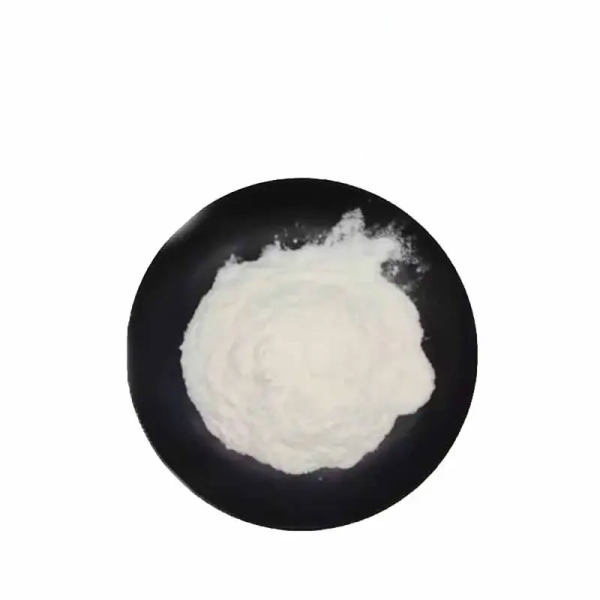
Xanthan Gum CAS#11138-66-2
Xanthan Gum<br/><br/>Xanthan gum is a long-chain polysaccharide produced by microbial fermentation of sugars. Its polymer structure gives efficient thickening and helps stabilize emulsions, foams and suspensions across a wide range of aqueous formulations. It is used as a rheology modifier in foods, toothpaste and pharmaceutical products. The material is selected when stable viscosity, suspension control and emulsion or foam support are needed.
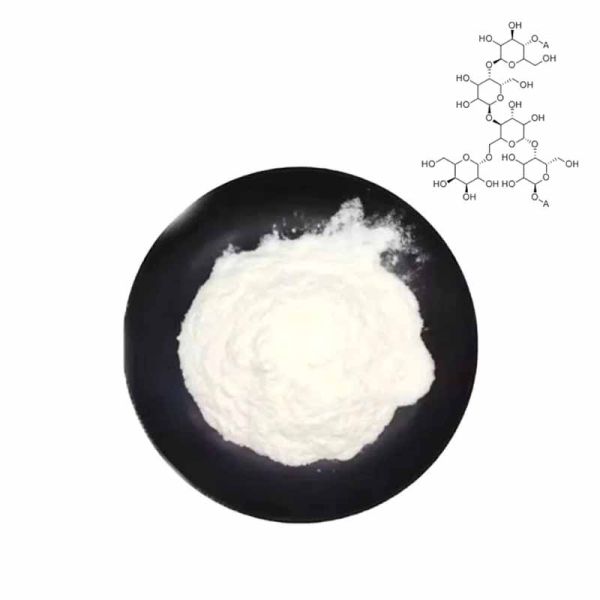
Tara Gum CAS#39300-88-4
Tara Gum<br/><br/>Tara gum is a natural edible colloid with high viscosity at low dosage, good thermal and chemical stability, and compatibility with other hydrocolloids. It also provides moderate emulsification and water-holding capacity for texture control. It is used as a thickener, gelling agent and stabilizer in dairy products, juices, clear beverages, jams, jellies, candies, cheese and canned meat. Industrial uses include textiles, papermaking, printing, petroleum, adhesives, paints and emulsions.
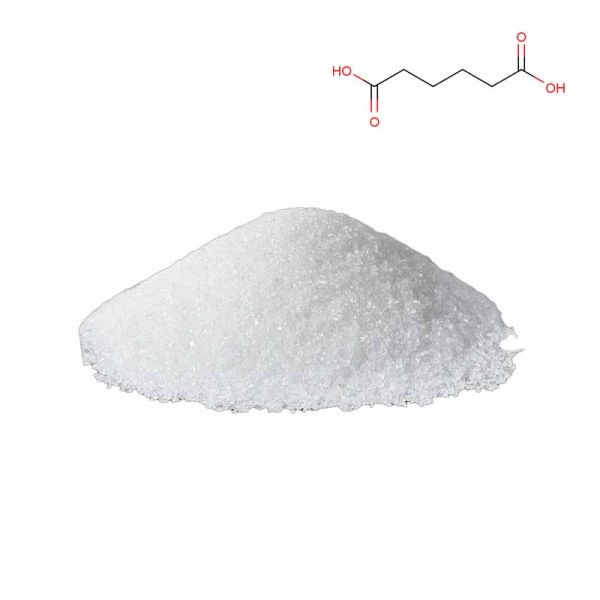
Adipic acid CAS#124-04-9
Adipic acid<br/><br/>Adipic acid is a nonhygroscopic food acidulant with relatively low acidity and useful buffering behavior. It dissolves slowly in cold water and provides smooth tartness, flavor persistence and dry-powder handling advantages. It is used in beverages, desserts, gelatin products, baking powder and canned foods, and can help control browning or oil-rancidity effects in formulations. It is also selected where stable powdered acidification is required.
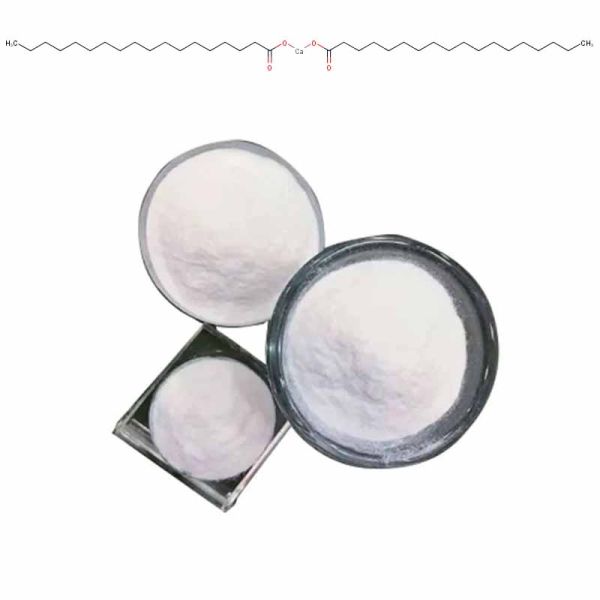
Calcium Stearate CAS#1592-23-0
Calcium Stearate<br/>calcium octadecanoate<br/>C17H35COO<br/>(C₁₇H₃₅COO)₂Ca<br/><br/>Calcium stearate is a fine white crystalline metal soap with high heat resistance and very low water solubility. It dissolves more readily in hot aromatic solvents, reacts with strong acids to form stearic acid and calcium salts, and resists lipolytic microorganisms. It is used as a processing and formulation additive where a stable calcium stearate powder is required. Its thermal behavior, hydrophobicity and acid reactivity support plastics, coatings and other industrial compounding systems described for metal stearates.
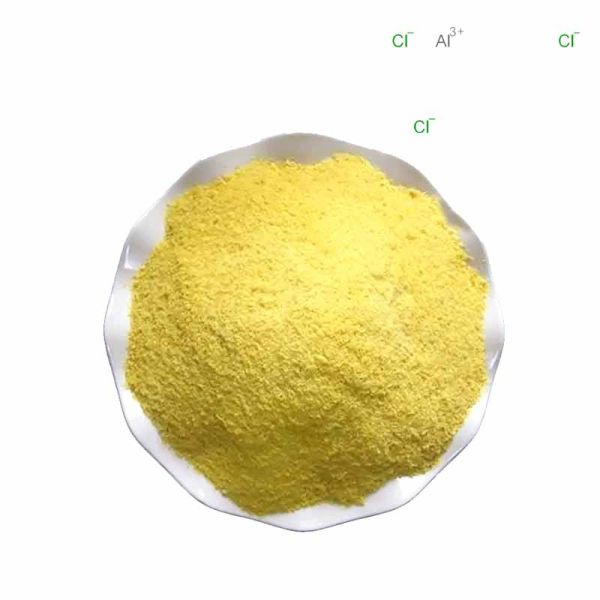
Aluminum chlorohydrate CAS#1327-41-9
Aluminum chlorohydrate<br/>PAC<br/><br/>Aluminum chlorohydrate, commonly grouped with polyaluminum chloride coagulants, is a high-charge inorganic polymer supplied in solid or liquid form. Color and physical state vary with production route, while the high positive charge supports rapid destabilization of suspended matter. It is used in municipal and industrial water treatment, including inclined-plate sedimentation systems. The coagulant supports removal of heavy metals and radioactive elements and is valued for broad pH adaptability, stable treatment performance and convenient transport.
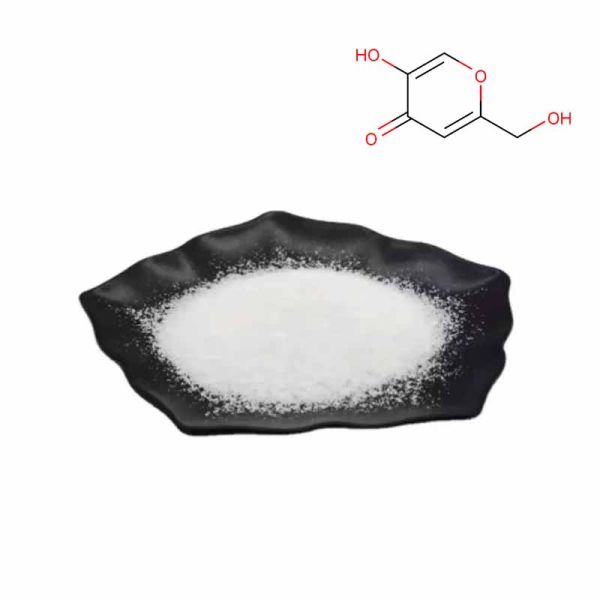
Kojic Acid CAS#501-30-4
Kojic Acid<br/><br/>Kojic acid is a fungal-derived compound and tyrosinase inhibitor. Its copper-chelating behavior can interfere with melanin formation, and it is formulated as a cosmetic active in products addressing uneven pigmentation and brightening needs. It is used in cosmetic creams, whitening formulations and sunscreen combinations, including systems with allantoin. Formulators should account for the source-described possibility of skin sensitivity or irritation.
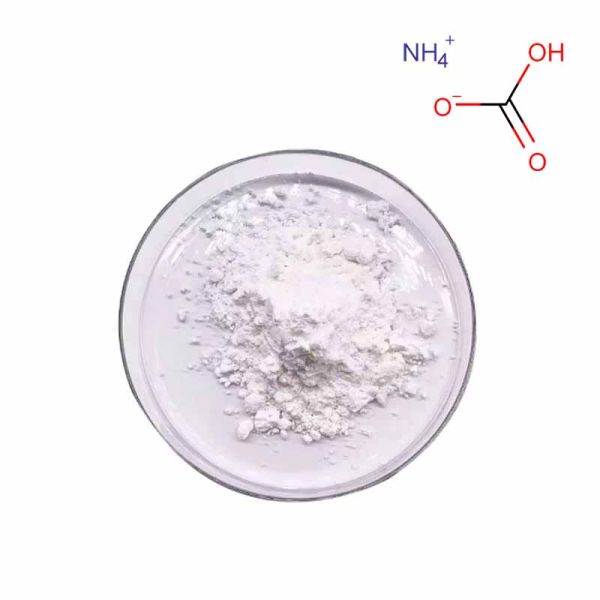
Ammonium bicarbonate CAS#1066-33-7
Ammonium bicarbonate<br/><br/>Ammonium bicarbonate is a white nitrogen-containing powder or crystal with faint ammonia odor. It dissolves in water to give a weakly alkaline solution and decomposes into ammonia, carbon dioxide and water, especially under heat or humidity. It is used as a nitrogen fertilizer, a food-grade leavening agent for baked goods and powdered juices, and an analytical reagent. Other roles include precursor to ammonium salts and textile-processing applications.
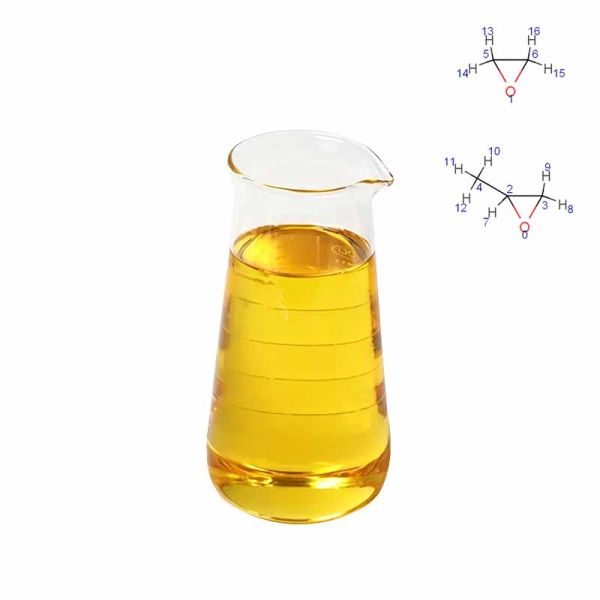
Polyethylene-polypropylene glycol CAS#9003-11-6
Polyethylene-polypropylene glycol<br/>Poloxamer<br/>PPG-PEG<br/><br/>Polyethylene-polypropylene glycol, or poloxamer, is a block copolymer with a hydrophobic polypropylene-oxide core and hydrophilic polyethylene-oxide chains. Adjusting the block ratio tunes solubility, foaming, wetting and emulsification behavior. It is used as an emulsifier, dispersant, solubilizer, defoamer and wetting agent in pharmaceutical, cosmetic, papermaking and cleaning formulations. Additional applications include contact-lens solutions, oral or topical products, low-foam detergents, metalworking lubricants, rubber vulcanization and cell-culture media.
Send Us Your Inquiry Today