






Navigation
Send Us A Message

Dichloromethane
Dichloromethane<br/>Methylene Chloride<br/>Colorless liquid<br/><br/>Dichloromethane, also called methylene chloride, is a colorless, volatile chlorinated solvent that is denser than water and only partly water-soluble. Its solvency and phase-separation behavior support selected extraction and chemical-processing operations. Industrial use depends on local restrictions, closed-system exposure controls, and residual-solvent requirements rather than suitability for general open-use cleaning.
Sodium Cyanide
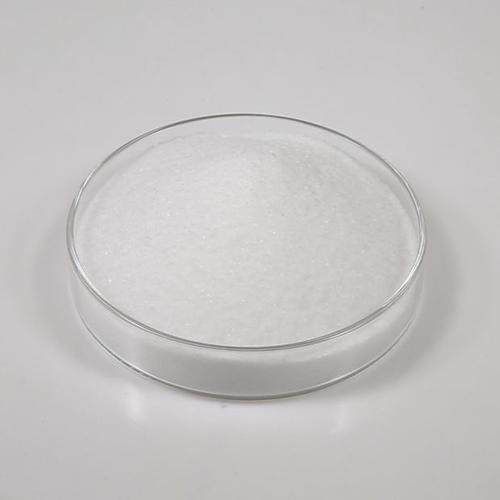
Sodium Cyanide<br/>White crystalline solid; Briquettes; Industrial solutions<br/><br/>Sodium cyanide is an inorganic salt supplied as white crystalline solids, briquettes, or industrial solutions. It dissolves in water to form alkaline cyanide-containing solutions and is acutely toxic. Its specialized applications include controlled gold recovery, chemical manufacture, and metal finishing, requiring qualified operators, engineered containment, strict acid segregation, and compliant waste management.
Ammonium Carbonate
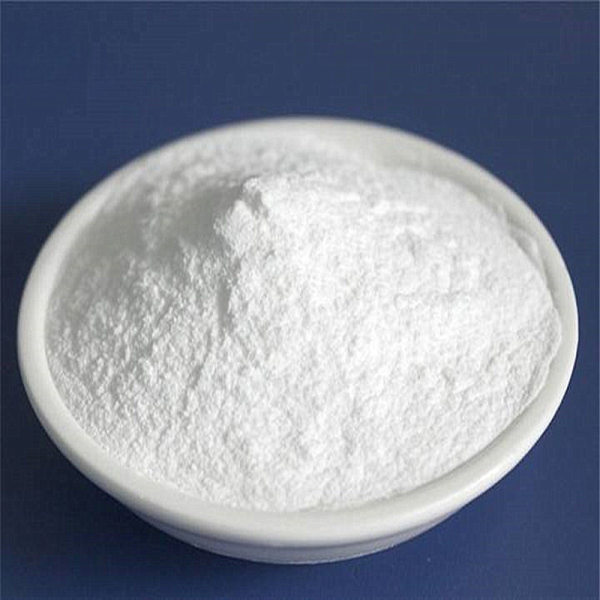
Ammonium Carbonate<br/>White crystalline solid<br/><br/>Ammonium carbonate is a white crystalline, ammonia-scented material that forms alkaline aqueous solutions and gradually loses volatile components in air. Commercial products may also contain ammonium bicarbonate and ammonium carbamate. It is used as a chemical reagent, buffering ingredient, and ammonia source; suitable food grades serve as leaveners for low-moisture baked products.
Sodium Laureth Sulfate (SLES) CAS#68891-38-3
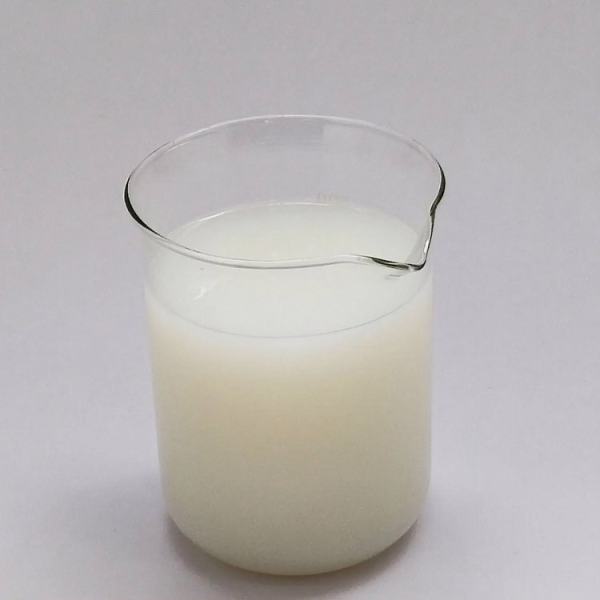
Sodium Laureth Sulfate (SLES)<br/>Sodium Lauryl Ether Sulfate<br/>SLES<br/>Aqueous liquid; Concentrated paste<br/><br/>Sodium laureth sulfate, also known as sodium lauryl ether sulfate or SLES, is an ethoxylated anionic surfactant supplied as aqueous liquids or concentrated pastes. Its wetting, cleansing, and foaming behavior supports shampoos, body washes, hand cleansers, and dishwashing liquids. Blending with amphoteric or nonionic surfactants allows adjustment of foam and viscosity.
Sulfadiazine CAS#68-35-9
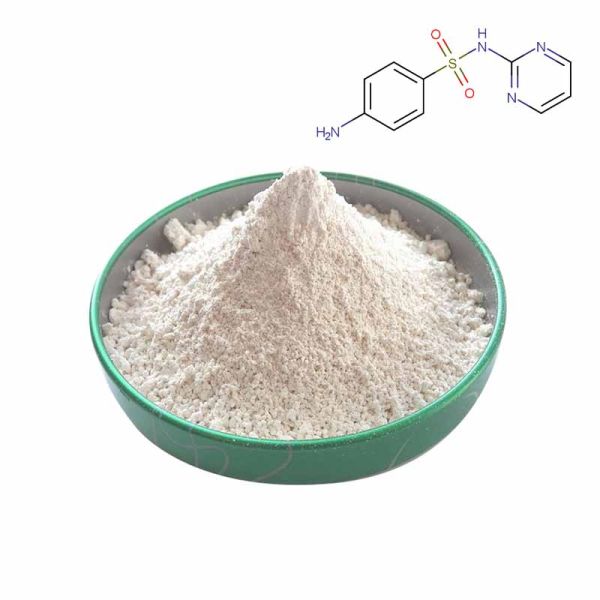
Sulfadiazine<br/><br/>Sulfadiazine belongs to the sulfonamide class of pharmaceutical compounds. Its structural relationship to para-aminobenzoic acid provides the chemical context for work involving folate-related pathways. The material is associated with pharmaceutical formulation and compound evaluation, with its sulfonamide identity distinguishing it from unrelated pharmaceutical raw materials without implying clinical performance or a particular supplied grade.
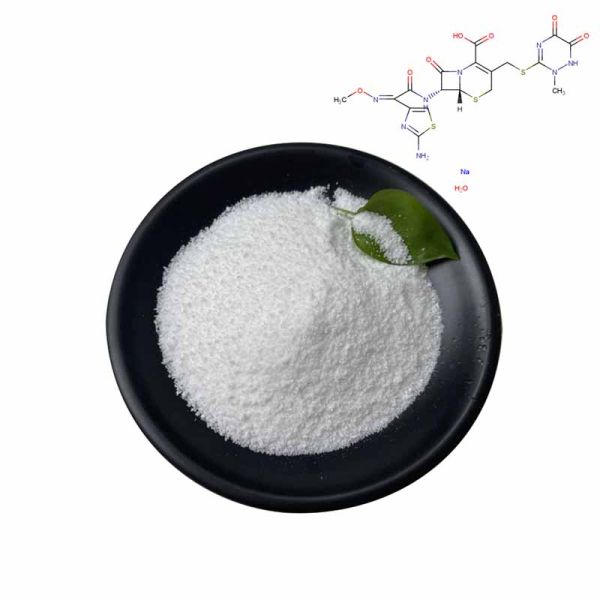
Ceftriaxone sodium CAS#104376-79-6
Ceftriaxone sodium<br/><br/>Ceftriaxone sodium is the sodium form of a third-generation cephalosporin pharmaceutical compound. Its cephalosporin identity makes it relevant to pharmaceutical work involving bacterial cell-wall synthesis pathways. The supplied information also describes laboratory studies concerning excitatory amino acid transporter expression, providing a separate research context without establishing a neurological benefit or finished-product suitability.
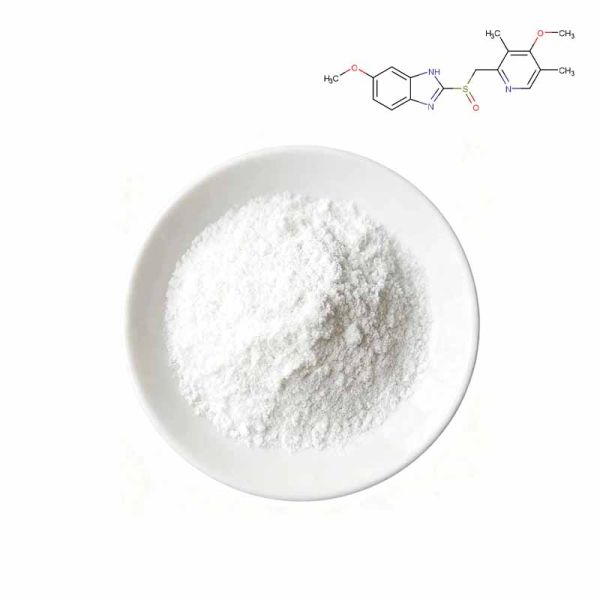
Omeprazole CAS#73590-58-6
Omeprazole<br/><br/>Omeprazole is a pharmaceutical compound classified as a proton pump inhibitor. Its conversion to a sulfenamide form is central to the chemistry described for this material. Applications center on pharmaceutical formulations involving gastric acid regulation, while the molecular transformation distinguishes it from simple acid-neutralizing ingredients without implying a treatment outcome or dosage recommendation.
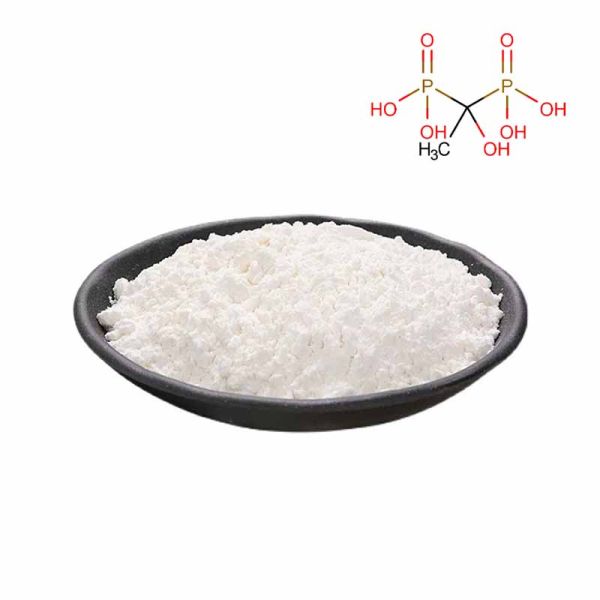
Etidronic Acid CAS#2809-21-4
Etidronic Acid<br/>HEDP<br/><br/>Etidronic acid, commonly abbreviated HEDP, is an organic phosphonic acid used as a complexing and water-conditioning agent. Its scale-control and corrosion-inhibition functions support circulating cooling water, boilers, oilfield systems, and desalination formulations. Additional applications include electroplating, photographic processes, and detergents where metal-ion management is relevant to formulation performance.
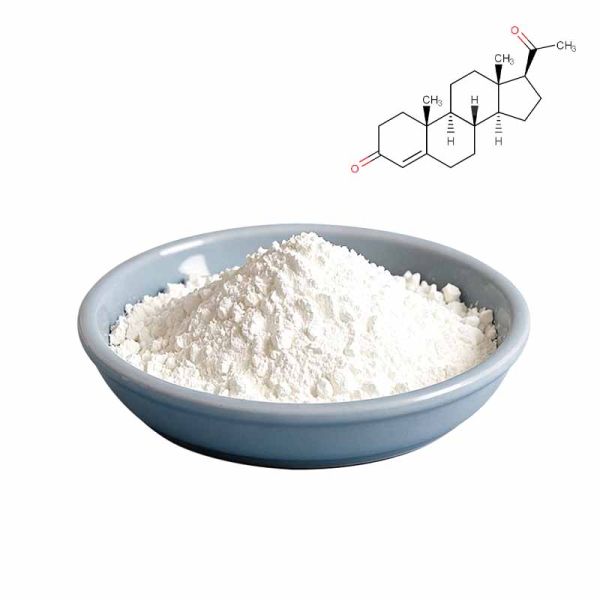
Progesterone CAS#57-83-0
Progesterone<br/>Crystals<br/><br/>Progesterone is a naturally occurring steroid hormone and an intermediate in steroid hormone synthesis. It occurs in two crystalline forms and is insoluble in water but dissolves in several organic solvents, including ethanol and acetone. These chemical characteristics are relevant to pharmaceutical processing and hormone-related formulations, without implying a specific therapeutic result.
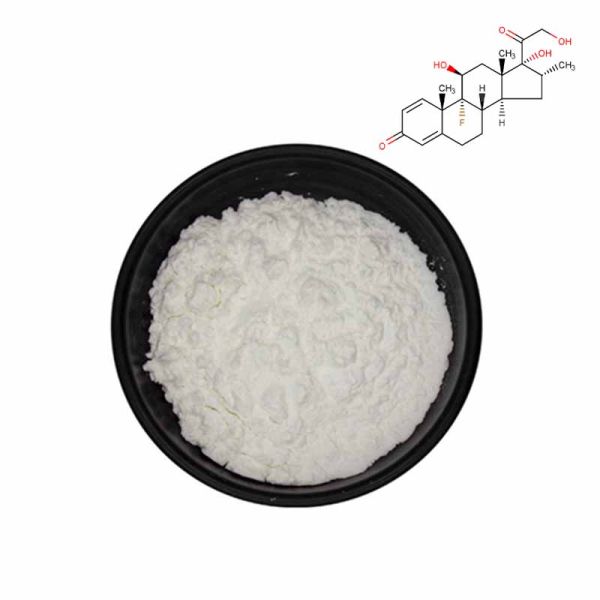
Dexamethasone CAS#50-02-2
Dexamethasone<br/><br/>Dexamethasone is a glucocorticoid pharmaceutical compound associated with corticosteroid formulations. Its chemical identity also connects it to dexamethasone sodium phosphate impurity characterization, as noted in the supplied information. Applications include pharmaceutical work and studies involving T-cell regulation or nitric oxide synthase expression, rather than claims about clinical effectiveness or suitability for direct administration.
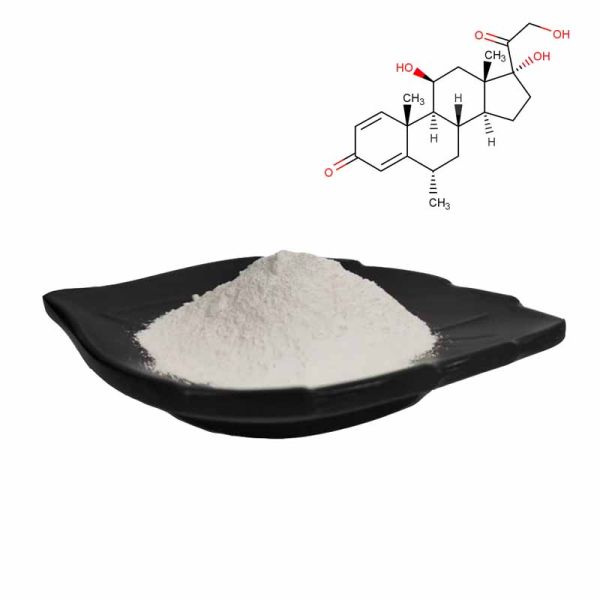
Methylprednisolone CAS#83-43-2
Methylprednisolone<br/><br/>Methylprednisolone is a synthetic glucocorticoid used within corticosteroid pharmaceutical applications. Its classification differentiates it from naturally occurring steroid hormones and from nonsteroidal pharmaceutical ingredients. The supplied material supports its identity and role in glucocorticoid formulations, but does not establish appearance, solubility, or a specific supplied form for further physical-property claims.
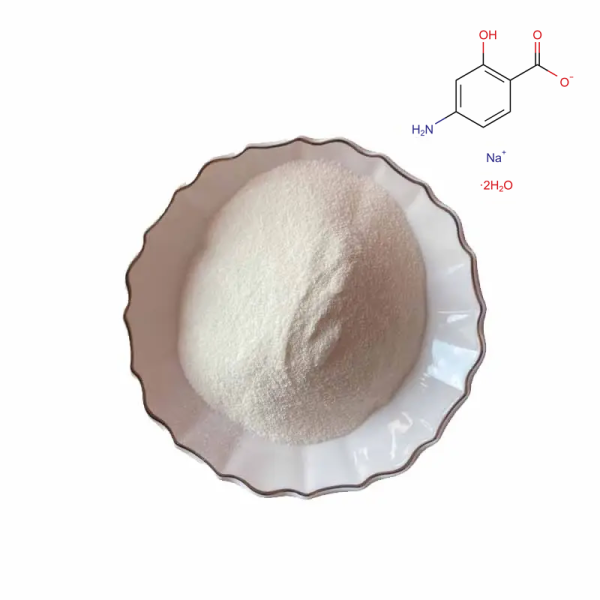
Sodium 4-aminosalicylate dihydrate CAS#6018-19-5
Sodium 4-aminosalicylate dihydrate<br/>PAS-Na<br/>White crystalline powder<br/><br/>Sodium 4-aminosalicylate dihydrate, also called sodium p-aminosalicylate or PAS-Na, is a white crystalline pharmaceutical material containing water of crystallization. It dissolves readily in water but poorly in most organic solvents, forming mildly alkaline solutions. Its aqueous decomposition tendency is relevant to solution preparation and handling in pharmaceutical formulation work involving this aminosalicylate salt.
Send Us Your Inquiry Today