






Navigation
Send Us A Message
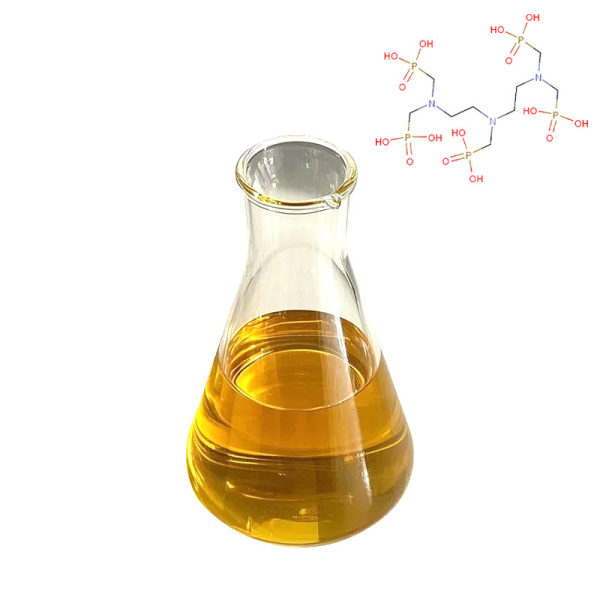
Diethylenetriaminepenta(methylene phosphonic acid) CAS#15827-60-8
Diethylenetriaminepenta(methylene phosphonic acid)<br/>DTPMP<br/>C₉H₂₈O₁₅N₃P₅<br/><br/>Diethylenetriaminepenta(methylene phosphonic acid) is a brown to reddish-brown, water-dispersible phosphonic acid liquid. It forms polynuclear complexes with steel ions and suppresses crystallization and growth of calcium carbonate and sulfate scales. DTPMP is used for corrosion and scale inhibition in aqueous systems and for research on wastewater pollutants, sulfate crystallization and lanthanide complexes. It is also a component in phosphorus-containing advanced materials.
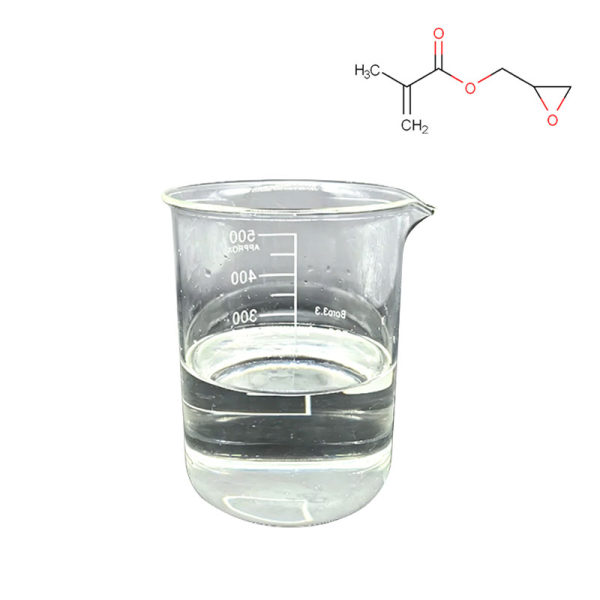
Glycidyl methacrylate CAS#106-91-2
Glycidyl methacrylate<br/>GMA<br/><br/>Glycidyl methacrylate is a clear, colorless liquid monomer with both a polymerizable methacrylate group and a reactive epoxy group. It is slightly miscible with water, soluble in most organic solvents and readily copolymerizes with acids, amines, phenols and ketones. It is used in epoxy-resin synthesis and in coatings, adhesives, plastics and elastomers to add durability, adhesion and mechanical strength. Other uses include functionalized polypropylene, macroporous sorbents and GMA-based hydrogels.
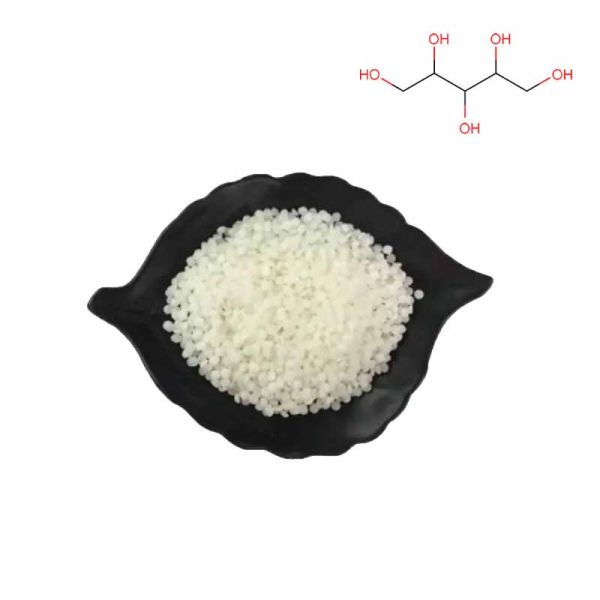
Xylitol CAS#87-99-0
Xylitol<br/><br/>Xylitol is a crystalline polyhydric alcohol with sweetness comparable to sucrose and a refreshing cooling effect on dissolution. It is thermally stable and dissolves readily, making it convenient for dry and aqueous food formulations. It is used in chewing gum, throat lozenges, chocolate, beverages, jams, candies, baked goods and other sugar-substitution applications. Its non-cariogenic formulation profile is relevant to oral-care confectionery and related products.
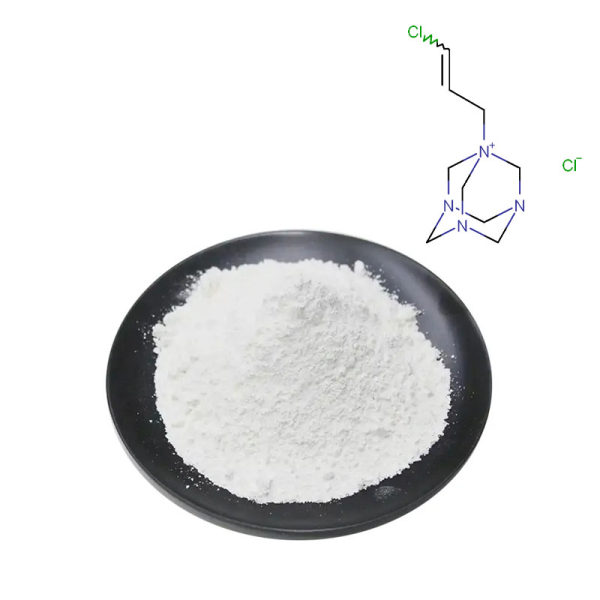
Quaternium-15 CAS#4080-31-3
Quaternium-15<br/><br/>Quaternium-15 is a cationic quaternary-ammonium preservative that releases formaldehyde gradually. This controlled-release structure provides broad antimicrobial preservation against bacteria, fungi and yeast, but sensitization and regulatory limits must be considered in finished formulations. It is used as a preservative and surfactant in cosmetics, personal-care products and industrial formulations where sustained microbial control is required.
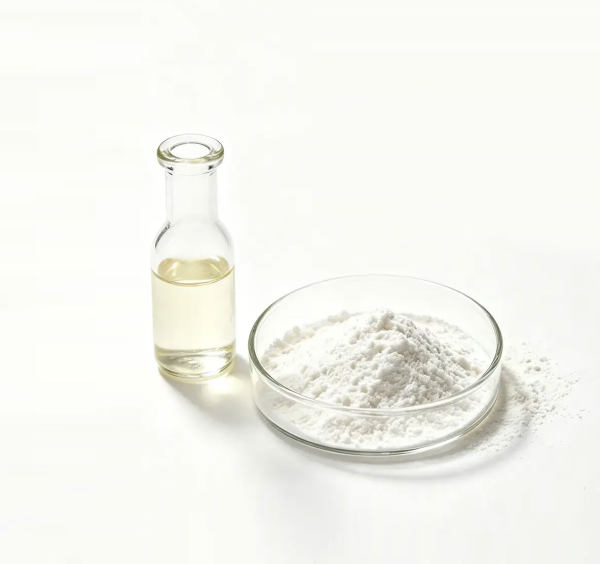
Guar gum CAS#9000-30-0
Guar gum<br/><br/>Guar gum is a plant-derived galactomannan extracted from guar-bean seed kernels. It disperses in cold water to produce viscous solutions, with viscosity increasing after heating, and combines thickening, stabilization and water-binding functions. It is used in ice cream, baked goods, sauces and beverages as a thickener and stabilizer. The same processing profile supports formulation work where cold-water dispersion and viscosity development are required.
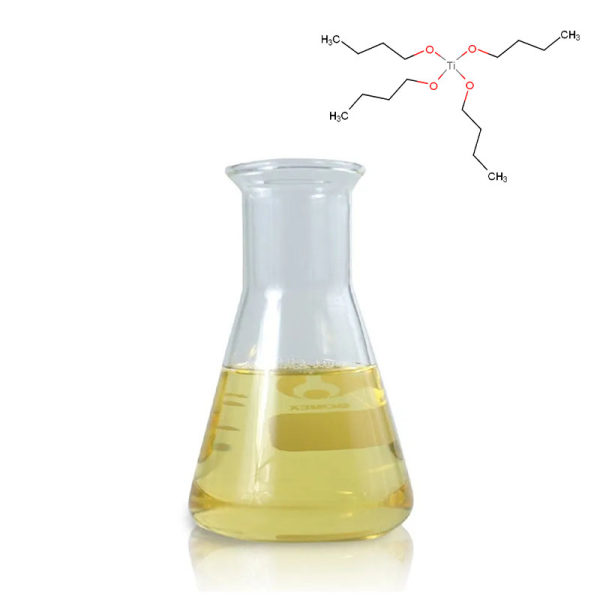
Tetrabutyl titanate CAS#5593-70-4
Tetrabutyl titanate<br/>IV<br/><br/>Tetrabutyl titanate is a colorless to pale-yellow transparent organotitanium liquid with an ester-like odor. It mixes with ethanol, ether and other organic solvents, but hydrolyzes and becomes cloudy on exposure to air or water. It is used as a titanium precursor for anatase nanocrystalline TiO2, bismuth titanate films, dye-sensitized solar cells and photocatalytic or self-cleaning coatings. It also serves as a synthesis intermediate and coating modifier.
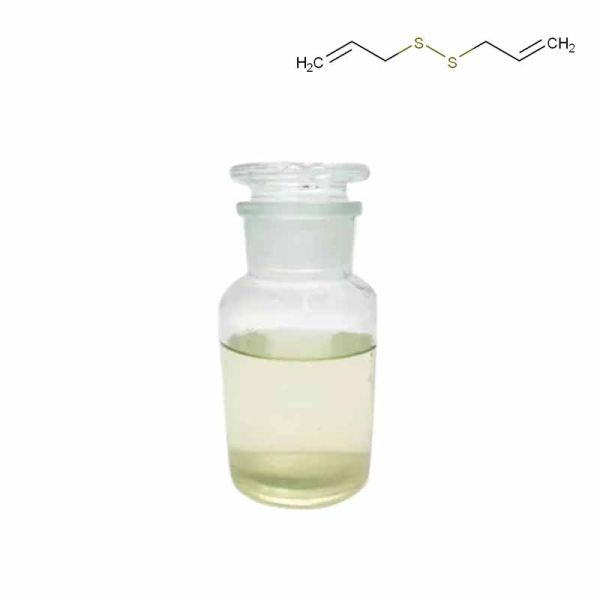
Diallyldisulfide CAS#2179-57-9
Diallyldisulfide<br/><br/>Diallyl disulfide is a sulfur-containing compound identified as a major low-molecular-weight allergen in garlic and onions. Its defined reactivity in petrolatum preparations makes it suitable for controlled reference formulations. It is used in allergy patch-test materials and in research involving garlic-related allergen mixtures. The compound is also considered alongside allylpropyl disulfide and allicin in studies of garlic constituents.
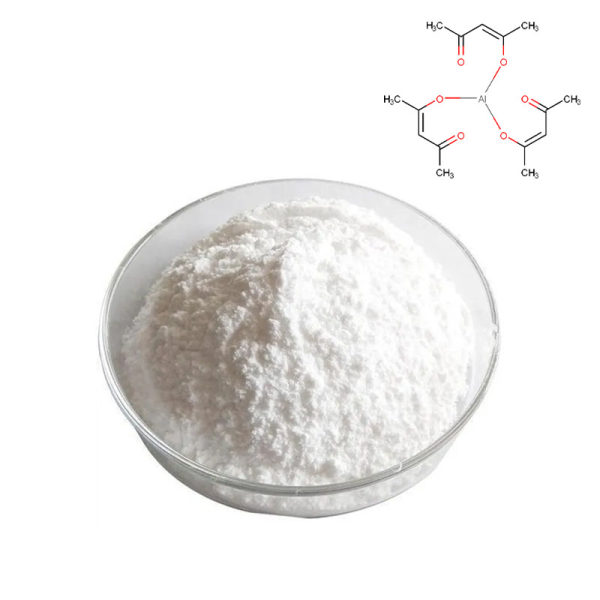
Aluminum acetylacetonate CAS#13963-57-0
Aluminum acetylacetonate<br/><br/>Aluminum acetylacetonate is a white crystalline coordination compound that is sparingly soluble in petroleum ether but dissolves in solvents including toluene, benzene, chloroform, ethanol and ether. Its defined solid form supports measured laboratory and process handling. It is used as an organometallic precursor and reagent in chemical processing. Its solvent compatibility and reactions with acids, alkalis and water at elevated temperature are relevant to synthesis and formulation work.
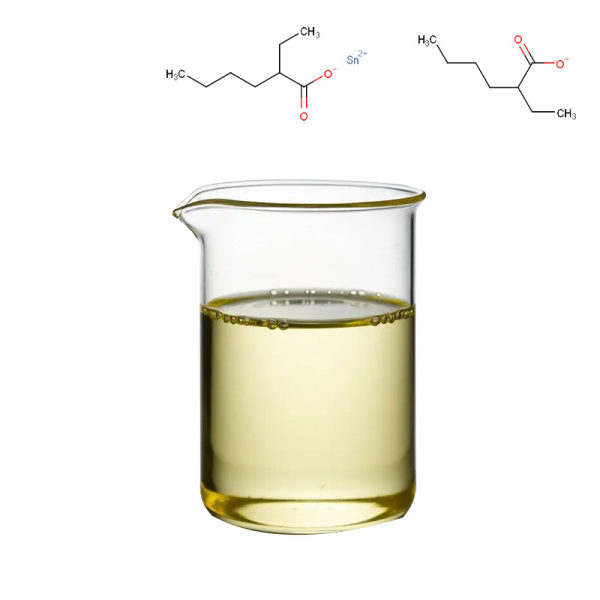
Stannous octoate CAS#301-10-0
Stannous octoate<br/><br/>Stannous octoate is a white to pale yellow-brown paste that dissolves in petroleum ether but not in water. It hydrolyzes and oxidizes readily, and its catalytic activity is higher than that of dibutyltin dilaurate in the supplied comparison. It is used as a polyurethane catalyst for soft polyether foams, coatings and elastomers, and in room-temperature-curing silicone rubbers. During foaming, tin oxidation also gives it a useful antioxidant role in the foam.
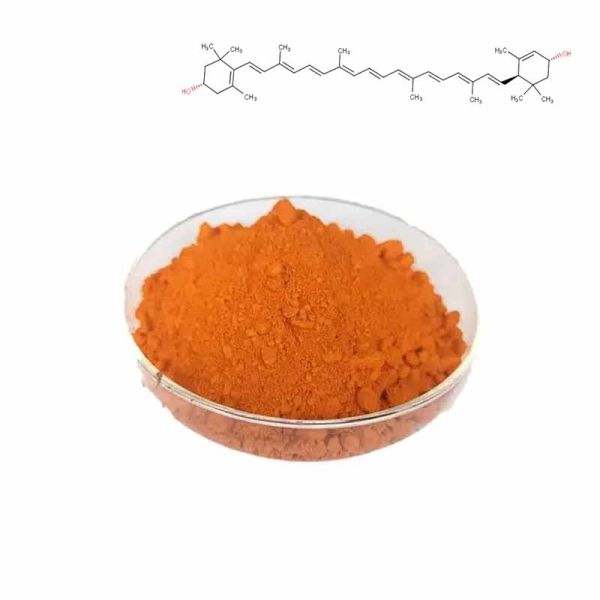
Xanthophyll CAS#127-40-2
Xanthophyll<br/>marigold extract<br/><br/>Xanthophyll, commonly represented by lutein, is a carotenoid alcohol found in egg yolk, algae, nettles and yellow flower petals. Its natural pigment character and antioxidant description support use as a botanical color and research ingredient. It is obtained by extraction and chromatography from plant and algal sources. Applications include carotenoid research, botanical ingredient preparation and formulations where a yellow xanthophyll pigment is required.
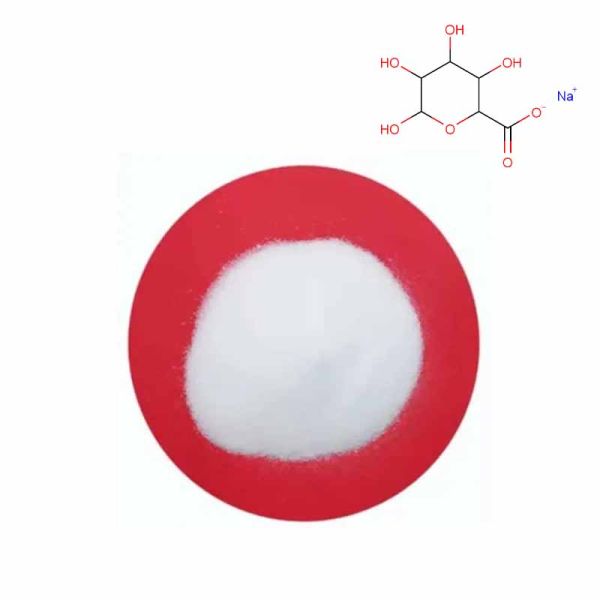
Sodium alginate CAS#9005-38-3
Sodium alginate<br/>CHONa<br/><br/>Sodium alginate is a seaweed-derived polysaccharide and the sodium salt of alginic acid. It dissolves in cold or hot water to form solutions of adjustable viscosity, while calcium salts or acids convert it into an irreversible gel. It is used as a thickener, binder and gelling agent in dessert gels, puddings, sauces, toppings and edible films. In ice cream it acts as a stabilizer for creamy texture and reduced ice-crystal formation.
GELLAN GUM CAS#71010-52-1
GELLAN GUM<br/><br/>Gellan gum is a microbial polysaccharide with strong gel-forming, thickening and suspension properties. High-acyl and low-acyl forms differ in solubility and gel texture: the former gives elastic cohesive gels, while deacylated material forms stronger, more brittle ion-induced gels. It is used in bakery fruit fillings, confectionery, icings, dairy products, beverages and food coatings. Its ionic sensitivity and suspension performance also support pharmaceutical and chemical formulations.
Send Us Your Inquiry Today