






Navigation
Send Us A Message
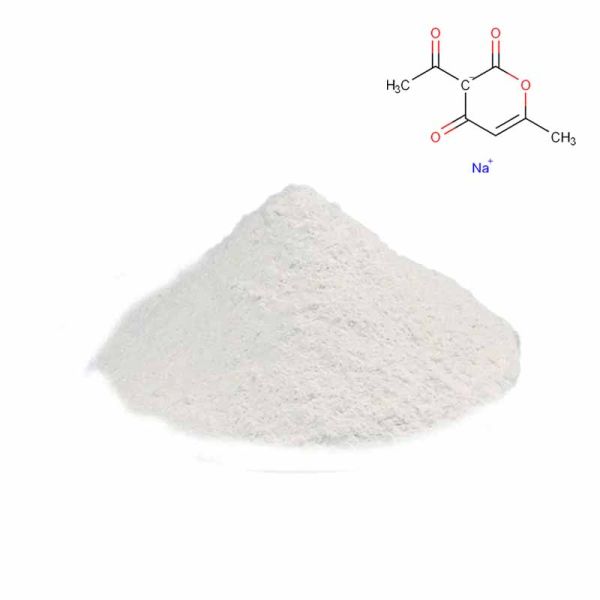
Sodium dehydroacetate CAS#4418-26-2
Sodium dehydroacetate<br/>w; h; i; t; e; ; o; r; ; p; a; l; e; ; y; e; l; l; o; w; ; c; r; y; s; t; a; l<br/><br/>Sodium dehydroacetate is a white to pale-yellow crystalline preservative with good water solubility and strong light and heat stability. Its aqueous solutions remain stable during heating, and the material is supplied as a low-moisture powder suitable for consistent formulation. It is used as the preservative component of cosmetic and personal-care systems such as Geogard 111S. Its solubility and processing stability support incorporation into aqueous formulations.
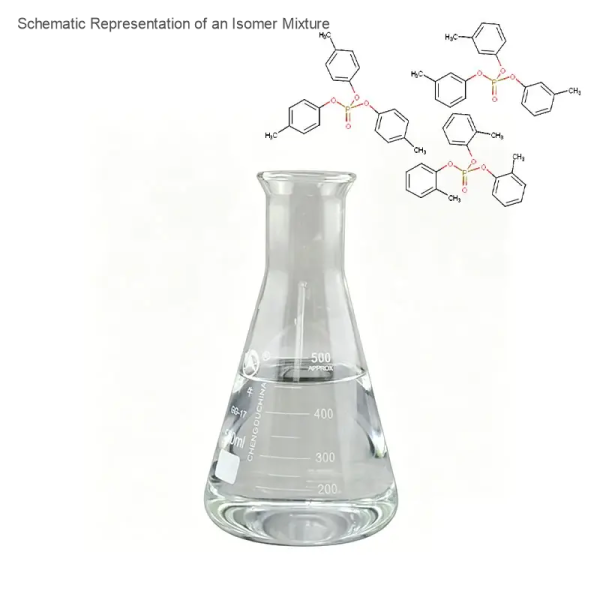
Tricresyl Phosphate CAS#1330-78-5
Tricresyl Phosphate<br/>TCP<br/><br/>Tricresyl phosphate is an isomer mixture in which ortho and meta components are liquid while the para component is crystalline. It has a mild pungent odor and is produced from cresol and phosphorus oxychloride. It functions as a plasticizer and flame retardant for vinyl plastics, a solvent for nitrocellulose and an additive for cellulosic molding compounds. It is also used in extreme-pressure lubricants and nonflammable hydraulic fluids.
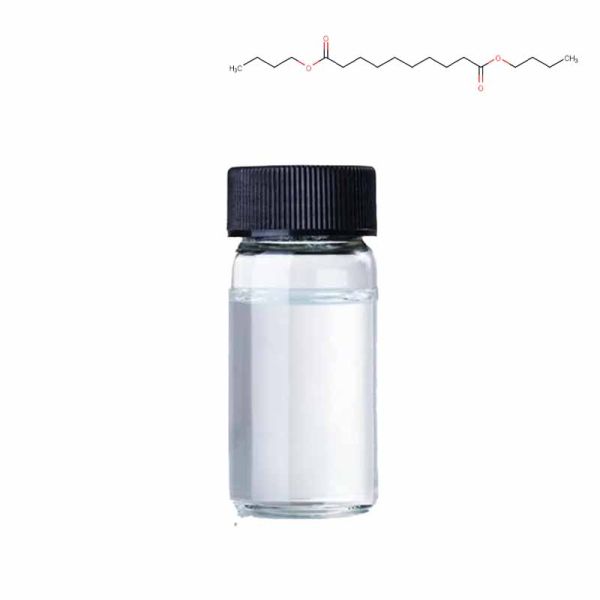
Dibutyl sebacate CAS#109-43-3
Dibutyl sebacate<br/>DBS<br/><br/>Dibutyl sebacate is a colorless transparent liquid ester with mild odor, high boiling stability and low water solubility. It is miscible with ethanol, ether, benzene and chloroform and compatible with most organic solvents, while strong acids, bases and oxidizers are incompatible. It is used in food-packaging plastics, medical devices and pharmaceutical products, as a plasticizer for ethylcellulose films, as a desensitizer in Otto fuel II and in liquid-core capsules for pesticide extraction.
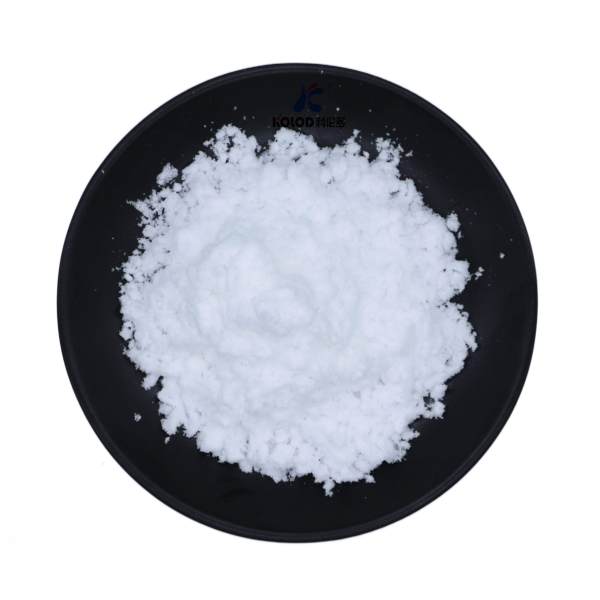
Sodium diacetate CAS#126-96-5
Sodium diacetate<br/>monosodium diacetate or solid acetic acid<br/>SDA<br/>ADI<br/><br/>Sodium diacetate is a hygroscopic white crystalline complex of sodium acetate and acetic acid with a faint vinegar odor. It dissolves readily in water and ethanol and can provide acetate buffering in aqueous chemical systems. It is used as a preservative, mildew inhibitor and fresh-keeping agent in food, grain and feed applications. Other described uses include sodium-acetate buffers for DNA precipitation and supporting electrolytes in electrochemical sensors.
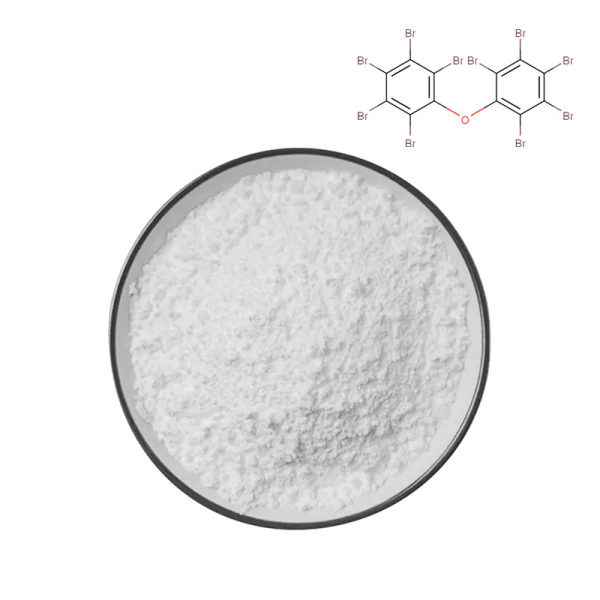
Decabromodiphenyl xide CAS#1163-19-5
Decabromodiphenyl xide<br/><br/>Decabromodiphenyl ether is a white fine powder with high bromine content, low solubility in common solvents and strong thermal stability. Its nonreactive additive character allows it to remain dispersed in polymer matrices during processing. It is used as a flame retardant in thermoplastic and thermosetting resins, textiles and adhesives, including polystyrene, polyester, polyethylene, polypropylene, ABS, nylon and PVC formulations.
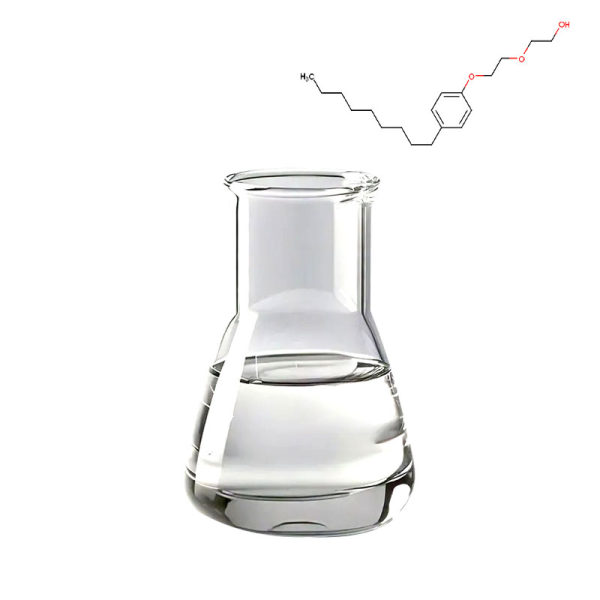
Nonylphenol Ethoxylate CAS#9016-45-9
Nonylphenol Ethoxylate<br/>NPE<br/>C₁₅H₂₄O(C₂H₄O)ₙ<br/><br/>Nonylphenol ethoxylate is a pale-yellow to brown viscous nonionic surfactant with strong detergency, wetting and emulsifying performance. Its ethoxylation level can be varied to tune formulation behavior, although biodegradability and aquatic-toxicity restrictions must be considered. It is used as a cleaner, dispersant, emulsifier, humectant, solubilizer or wetting agent in coatings, agrochemicals, household and industrial cleaners, functional fluids, textiles and oil-and-gas formulations.
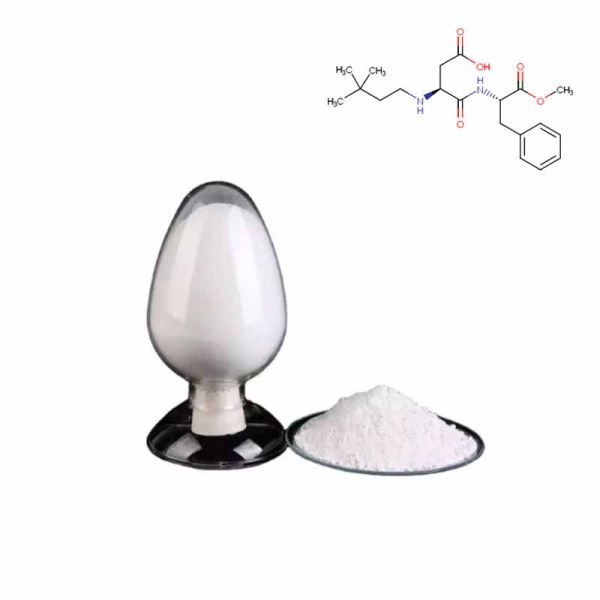
Neotame CAS#165450-17-9
Neotame<br/><br/>Neotame is a high-intensity sweetener and flavor enhancer based on an aspartic-acid and phenylalanine dipeptide derivative. It provides a clean sweet taste and blends with nutritive or other high-intensity sweeteners in formulated foods. It is used in beverages, baked goods, desserts, cereals and confectionery, and as a flavor booster in products such as mint chewing gum. Its application scope excludes the meat and poultry categories described in the source.
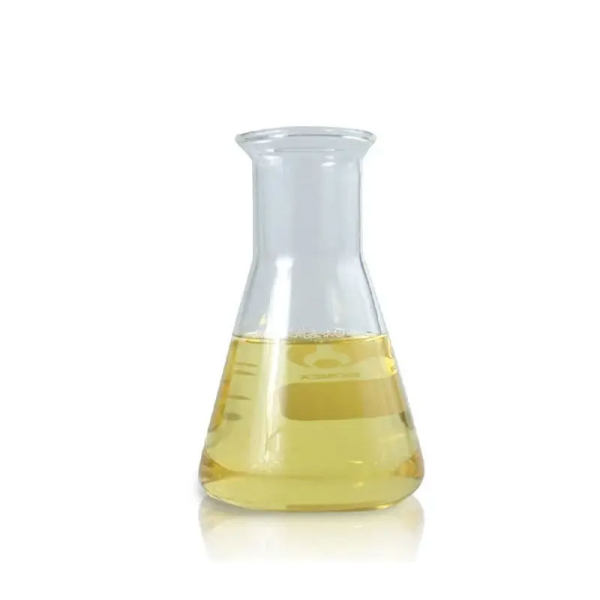
PO (15) TALOW AMINE CAS#61791-26-2
PO (15) TALOW AMINE<br/>CH2<br/>CH2CH2O<br/><br/>POE (15) tallow amine is a nonionic ethoxylated tallow-alkyl amine supplied as a high-purity oily liquid. Its ethoxylated structure gives useful surface activity, emulsification and formulation compatibility across aqueous and organic systems. It is mainly used as an emulsifier or surfactant in detergents, cosmetics and textile formulations. The material is selected where an animal-fat-derived nonionic additive is appropriate for dispersion and phase compatibility.
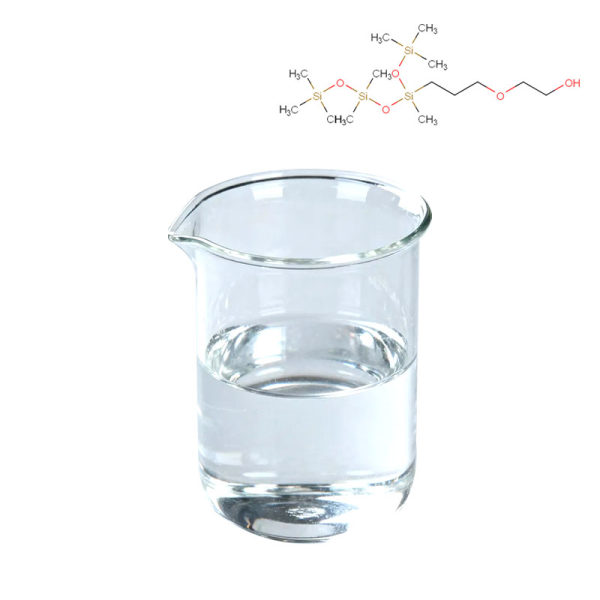
Carbinol (Hydroxyl) Terminated Polydimethylsiloxane CAS#67674-67-3
Carbinol (Hydroxyl) Terminated Polydimethylsiloxane<br/>Hydroxyl<br/><br/>Carbinol-terminated polydimethylsiloxane is an amphiphilic organosilicon liquid combining siloxane and polyoxyethylene segments. This structure balances water and oil compatibility, provides strong surface activity and supports uniform dispersion of particulate or film-forming ingredients. As a silicone-glycol wetting agent, it lowers water surface tension and improves coating uniformity, particularly in spray formulations. It is also used as an intermediate for silicone–polyether copolymers and in coatings, textiles and cosmetic formulations.
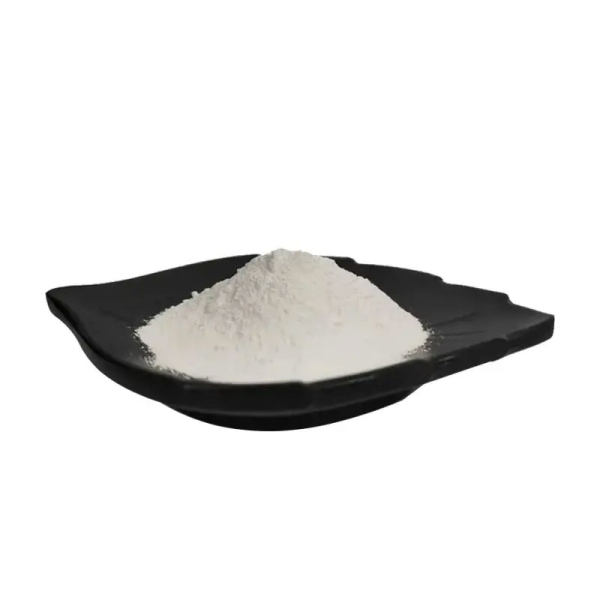
Sodium polyacrylate CAS#9003-04-7
Sodium polyacrylate<br/><br/>Sodium polyacrylate is a white, odorless, strongly hygroscopic polymer powder that dissolves gradually in water to form a highly viscous transparent solution. Its ionic groups expand the polymer chains, providing strong thickening and good resistance to heat, salts and organic acids. It is used as a scale inhibitor and detergent builder, and as a processing aid in soaps and detergents. Additional roles include water retention, slow release, suspension, stabilization, emulsification and absorption of water-based spills.
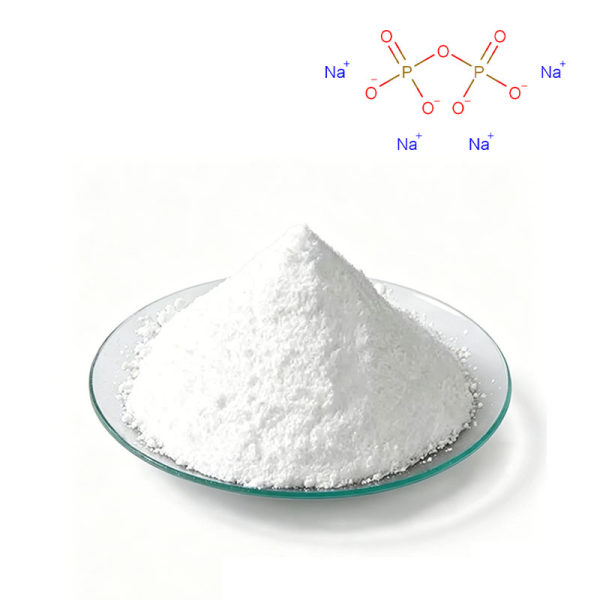
Tetrasodium pyrophosphate CAS#7722-88-5
Tetrasodium pyrophosphate<br/>tetrasodium diphosphate<br/>TSPP<br/><br/>Tetrasodium pyrophosphate is an odorless white powder or granule and a mildly alkaline, moderately water-soluble phosphate salt. It provides buffering, sequestration, dispersion, emulsification and water-softening functions in complex formulations. It is used in laboratory extraction buffers, detergents, metal cleaning and electrodeposition, wool degreasing and oral-care products. Food applications include instant puddings, processed meat and canned seafood, where it supports texture, dispersion and crystal control.
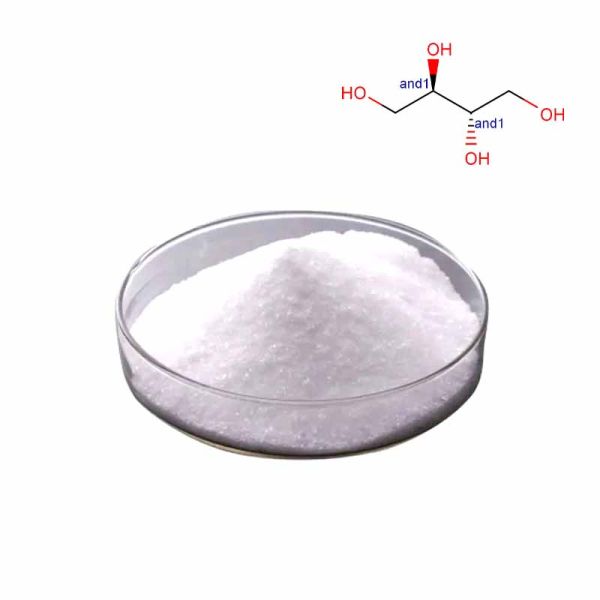
Erythritol CAS#149-32-6
Erythritol<br/><br/>Erythritol is a crystalline polyol produced by fermentation of glucose. It supplies bulk and sweetness with a pleasant taste, good heat and acid stability, and a cooling sensation on dissolution, making it suitable for reduced-sugar formulations. It is used in confectionery, beverages and desserts as a sugar substitute and bulk sweetener. Its formulation profile also supports sugar-free products where low energy contribution and non-cariogenic performance are desired.
Send Us Your Inquiry Today