






Navigation
Send Us A Message
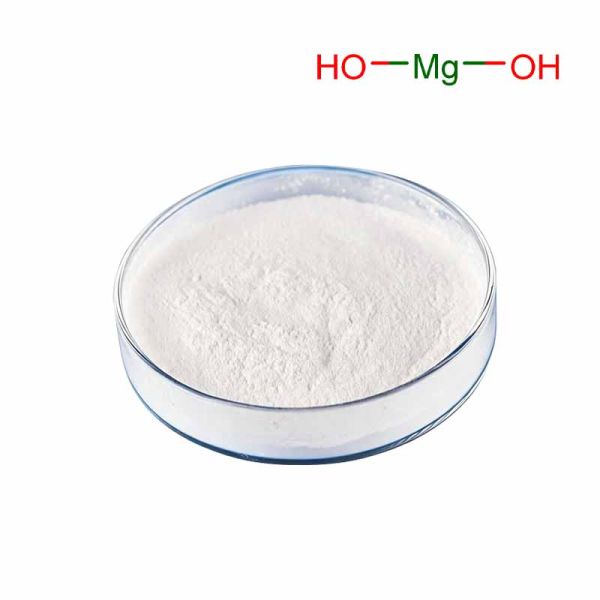
Magnesium hydroxide CAS#1309-42-8
Magnesium hydroxide<br/><br/>Magnesium hydroxide is a sparingly soluble inorganic hydroxide that forms stable aqueous suspensions. It decomposes endothermically on heating, releasing water and magnesia, which gives it useful heat-absorption and smoke-suppression behavior. It is incorporated into flame-retardant plastics, rubber and coatings, and used for flue-gas desulfurization and acidic wastewater treatment. Other applications include fuel additives, magnesium-salt manufacture, food processing and pharmaceutical formulations.
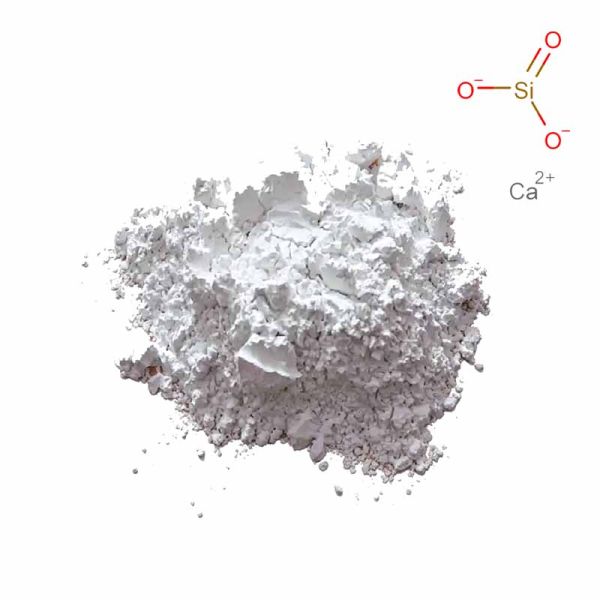
Calcium silicate CAS#1344-95-2
Calcium silicate<br/>C; a; l; c; i; u; m; ; o; r; t; h; o; s; i; l; i; c; a; t; e; ,; ; t; r; i; c; a; l; c; i; u; m; ; s; i; l; i; c; a; t; e; ; (; 3; C; a; O; ·; S; i; O; ₂; ); ,; ; d; i; c; a; l; c; i; u; m; ; s; i; l; i; c; a; t; e; ; (; 2; C; a; O; ·; S; i; O; ₄; ); ; P; h; y; s; i; c; a; l; ; p; r; o; p; e; r; t; i; e; s; :; ; W; h; i; t; e; /; o; f; f; -; w; h; i; t; e; ; c; r; y; s; t; a; l; l; i; n; e; /; a; m; o; r; p; h; o; u; s; ; s; o; l; i; d<br/><br/>Calcium silicate is a white to off-white crystalline or amorphous silicate that may occur in hydrous or anhydrous forms. It is insoluble in water, can form gels with inorganic acids, and provides strong anticaking, absorbent and insulating performance. It is used as a high-temperature asbestos substitute for industrial pipelines and equipment, as a refractory binder and cement component, and in powders, salt, foods, pharmaceuticals, elastomers, plastics, pigments, chromatography and road materials.
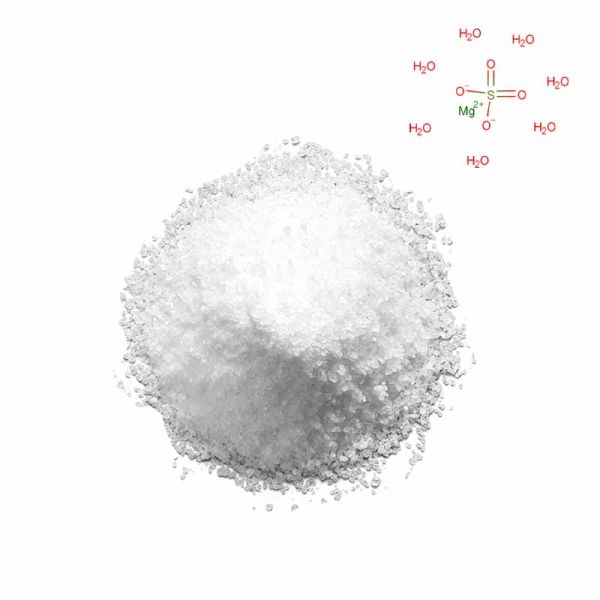
Magnesium Sulfate Heptahydrate CAS#10034-99-8
Magnesium Sulfate Heptahydrate<br/><br/>Magnesium sulfate heptahydrate is a white or colorless needle-like crystalline hydrate that dissolves readily in water and in its own crystal water when heated. Its stable heptahydrate form provides consistent magnesium and sulfate delivery. It is used as a magnesium and sulfur fertilizer, an animal-feed ingredient, and a raw material for magnesium compounds. Industrial uses include papermaking aids, textile dyeing auxiliaries and wastewater treatment, with additional food and pharmaceutical applications.
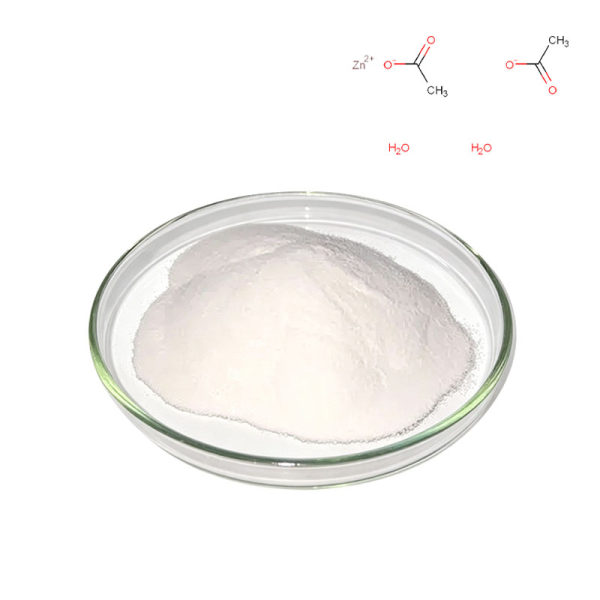
Zinc acetate dihydrate CAS#5970-45-6
Zinc acetate dihydrate<br/>a; ; w; h; i; t; e; ; a; n; d; ; o; d; o; r; l; e; s; s; ; c; r; y; s; t; a; l; l; i; n; e; ; p; o; w; d; e; r<br/><br/>Zinc acetate dihydrate is a white, odorless crystalline zinc salt with good water solubility and only slight solubility in ethanol. The dihydrate offers defined thermal behavior and remains stable under normal conditions, while strong acids are incompatible. It is used to prepare layered zinc phosphonates, zinc sulfide nanomaterials and zinc oxide nanorod seeds. Further applications include zinc salts, wood preservation, ethyl acetate manufacture, analytical reagents, supplements, lozenges and plating-inhibitor systems.
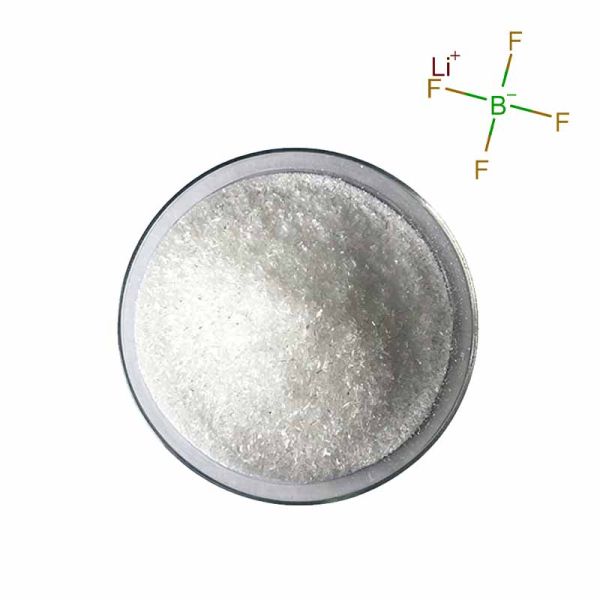
Lithi terflrrte CAS#14283-07-9
Lithi terflrrte<br/>LiBF₄<br/>LiPF₆<br/>LiAsF₆<br/>LiSO₃CF₃<br/>LIBs<br/>HF<br/><br/>Lithium tetrafluoroborate is an electrolyte salt for lithium-ion, primary and secondary cells. Its purity and moisture control are important because hydrolysis can generate hydrogen fluoride and affect electrode systems; the material is therefore suited to carefully controlled battery formulations. It is used in electrolyte preparation for automotive batteries, consumer electronics, computers, communication equipment and other energy-storage devices, where reliable ionic conduction and formulation consistency are required.
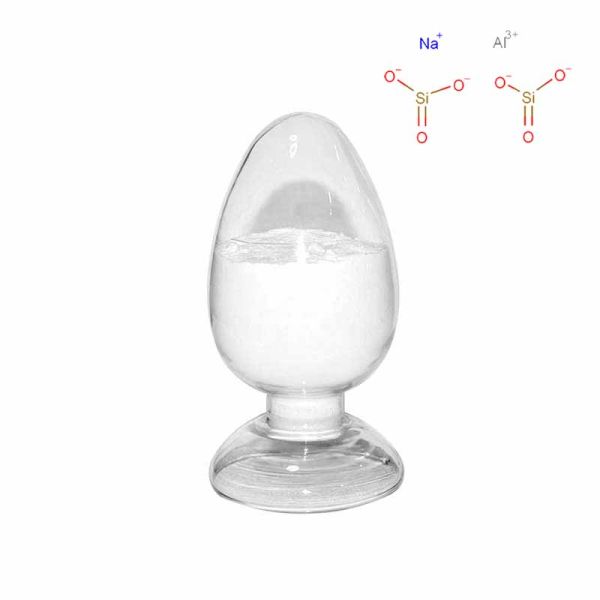
MOLECULAR SIEVE CAS#1344-00-9
MOLECULAR SIEVE<br/><br/>Molecular sieve is a fine white aluminosilicate material; zeolitic forms provide an open three-dimensional framework with interconnected cavities and channels. The porous structure adsorbs small molecules, concentrates reactants and supports selective separation and catalytic activity. Sodium aluminosilicate grades are used in coatings, inks, plastics, rubber, leather and papermaking, while zeolitic materials serve adsorption, catalysis, environmental treatment and molecular-separation processes.
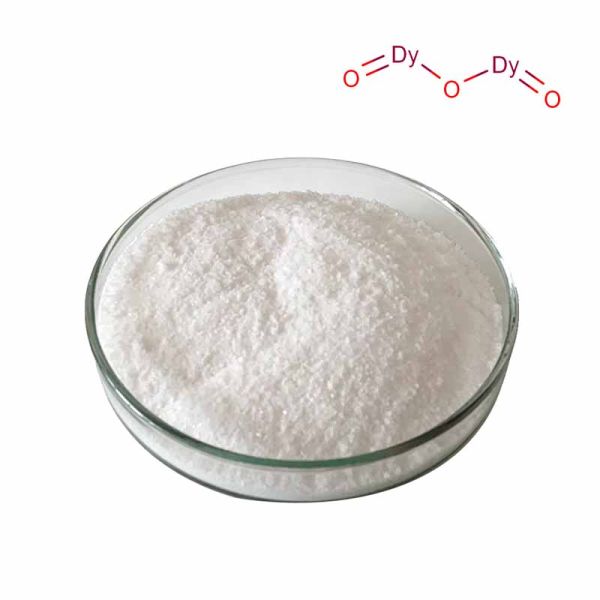
Dysprosium oxide CAS#1308-87-8
Dysprosium oxide<br/>dysprosia<br/>Erbia<br/>Dy₂O₃<br/>a; ; w; h; i; t; e; ,; ; s; l; i; g; h; t; l; y; ; h; y; g; r; o; s; c; o; p; i; c; ; p; o; w; d; e; r<br/><br/>Dysprosium oxide, or dysprosia, is a white slightly hygroscopic rare-earth oxide powder with very low solubility and strong thermal stability. Its crystal structure changes at elevated temperature, and its magnetic, optical and electronic characteristics support advanced material design. It is used as a colorant in glass and porcelain glazes, and as a dopant for optical fibers and optical amplifiers. Pink-tinted glass, cubic zirconia and porcelain are additional color applications.
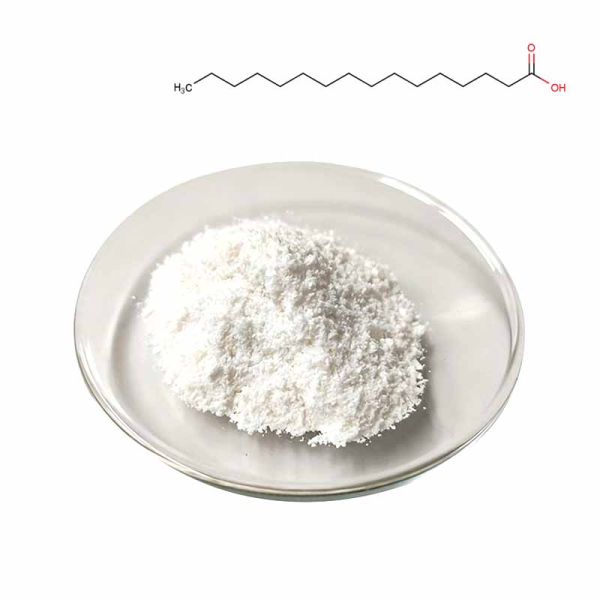
Palmitic acid CAS#57-10-3
Palmitic acid<br/><br/>Palmitic acid is an odorless white crystalline or flaky fatty acid. It is insoluble in water but dissolves in ethanol, ether and chloroform, with a moderate melting range that supports melt processing and formulation. As a naturally occurring fatty-acid raw material, it is used in chemical synthesis and in formulations requiring a stable long-chain fatty component. Its documented source profile includes both plant and animal materials.
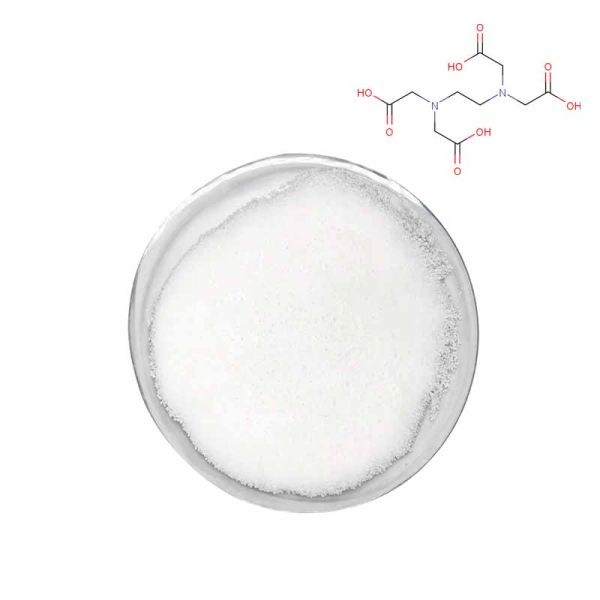
Ethylenediaminetetraacetic acid CAS#60-00-4
Ethylenediaminetetraacetic acid<br/>EDTA<br/><br/>Ethylenediaminetetraacetic acid is a polydentate chelating agent whose two nitrogen and four oxygen donor atoms can surround metal ions at six coordination sites. The resulting complexes are highly stable, allowing controlled sequestration and deactivation of dissolved metals. EDTA is used in analytical chemistry and metal-ion control, including complexometric procedures and formulations intended to bind unwanted metal species. It is also described as an ingredient in heavy-metal treatment for farm animals.
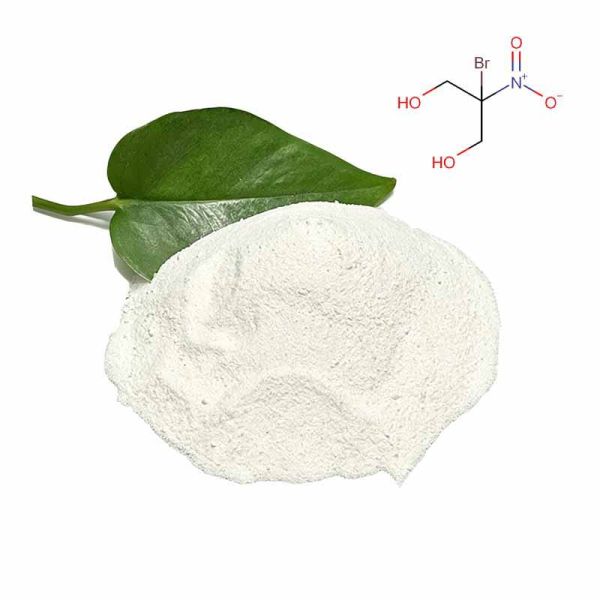
Bronopol CAS#52-51-7
Bronopol<br/><br/>Bronopol is a water-soluble formaldehyde-releasing antimicrobial preservative that can be readily dispersed in aqueous formulations. Its preservative action supports control of microbial growth over product storage, although formulation designers must account for the sensitization concerns associated with the material. It is used in topical pharmaceutical preparations, cosmetics, personal-care products and lubricating or ultrasound-jelly formulations where broad antimicrobial preservation is required.
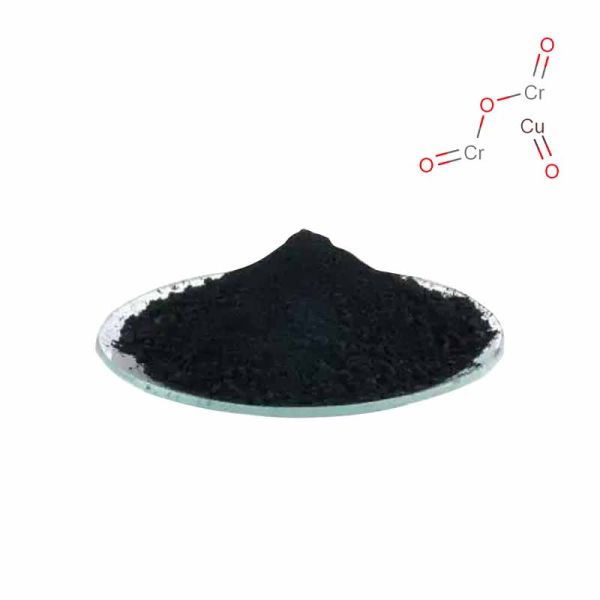
Copper chromite CAS#12018-10-9
Copper chromite<br/><br/>Copper chromite is a black to grayish-black, water-insoluble inorganic solid with very low vapor pressure. Its copper-chromium oxide structure provides selective catalytic behavior toward hydrogenation and reduction of functional groups in organic substrates. Industrial uses include converting furfural to furfuryl alcohol, reducing butyraldehyde to butanol and partially hydrogenating dienes. It is also studied for vegetable-oil carbonyl reduction, cellulose hydrogenolysis, combustion-rate control and light-absorbing pigments.
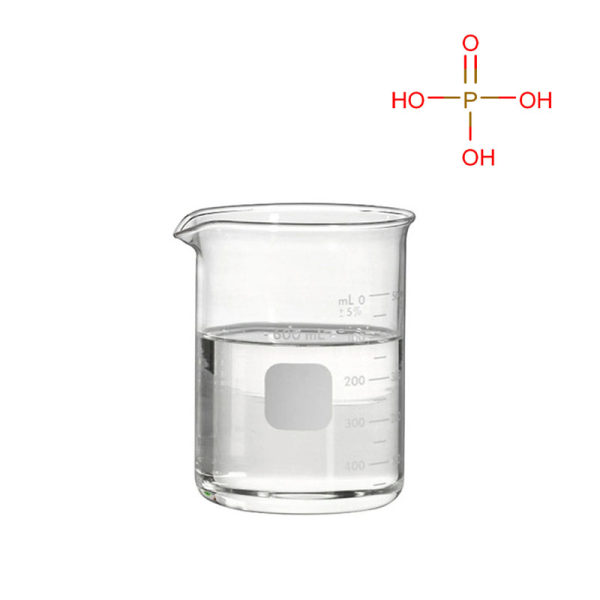
Phosphoric Acid CAS#7664-38-2
Phosphoric Acid<br/>c; o; l; o; r; l; e; s; s; ; l; i; q; u; i; d; /; c; r; y; s; t; a; l; ; (; m; p; ; 4; 2<br/><br/>Phosphoric acid is a hygroscopic, miscible inorganic acid available as a colorless pure material or viscous commercial solution. Its stable acidity, high boiling behavior and ability to form phosphate salts make it adaptable to aqueous processing and surface reactions. It is used to manufacture phosphates and feed calcium phosphate, and in metal phosphating, aluminum polishing, resin catalysis, dye and printing operations, refractory mortars, adhesives, corrosion-resistant coatings and selected pharmaceutical materials.
Send Us Your Inquiry Today