






Navigation
Send Us A Message
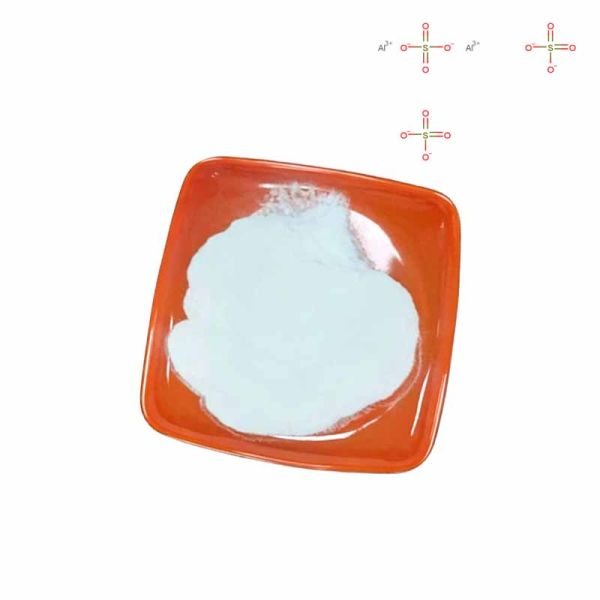
Aluminum Sulfate CAS#10043-01-3
Aluminum Sulfate<br/>c; o; l; o; r; l; e; s; s; ; o; r; ; w; h; i; t; e; ; c; r; y; s; t; a; l; l; i; n; e; ; s; o; l; i; d; ;; ; i; n; d; u; s; t; r; i; a; l; ; g; r; a; d; e; s; ; y; e; l; l; o; w; i; s; h; -; g; r; e; e; n<br/><br/>Aluminum sulfate is an odorless crystalline material appearing colorless or white, with industrial material sometimes showing yellow-green coloration. Hydrated material loses crystal water on heating and decomposes at higher temperatures. Identified applications include histological staining, arsenate removal from water and catalysis of lactic acid conversion, as well as adsorbent systems combined with graphene hydrogel for fluoride removal.
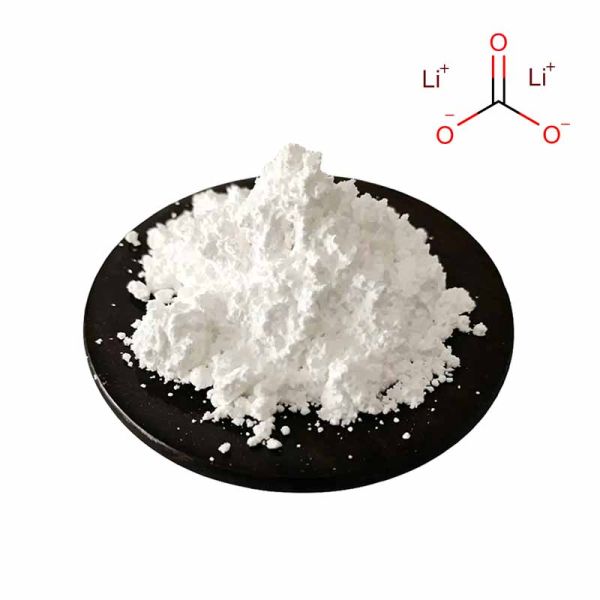
Lithium Carbonate CAS#554-13-2
Lithium Carbonate<br/>Li₂CO₃<br/>c; o; l; o; r; l; e; s; s; ; m; o; n; o; c; l; i; n; i; c; ; c; r; y; s; t; a; l; ; o; r; ; w; h; i; t; e; ; p; o; w; d; e; r<br/><br/>Lithium carbonate is a colorless crystalline material or white powder that remains stable in air and is not deliquescent. Its limited water solubility decreases with increasing temperature. Industrial applications include lithium salt manufacture, enamel and glass production, and ceramic coatings. It is also used as an additive in aluminum electrolysis to modify operating conditions.
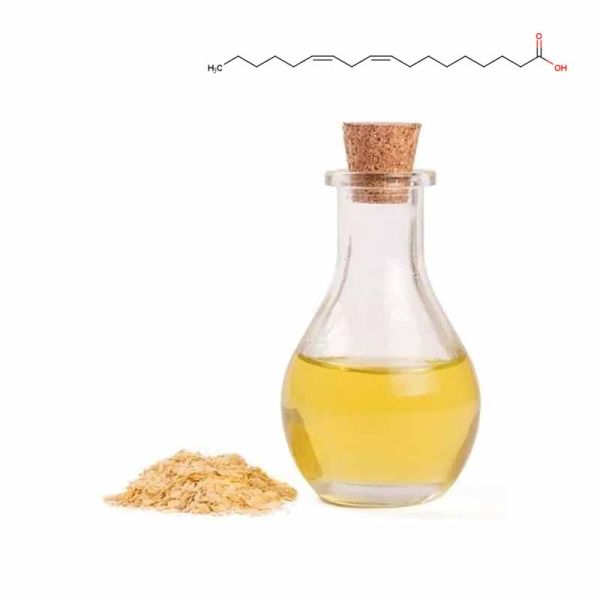
Linoleic acid CAS#60-33-3
Linoleic acid<br/><br/>Linoleic acid is an omega-series polyunsaturated fatty acid present in vegetable oils and other food sources. Its chemical identity places it among lipids involved in phospholipid synthesis and lipid metabolism. The supplied applications include dietary ingredient contexts and biological experiments involving intestinal epithelial cells, providing a basis for lipid-focused research without establishing a specific supplied physical form.
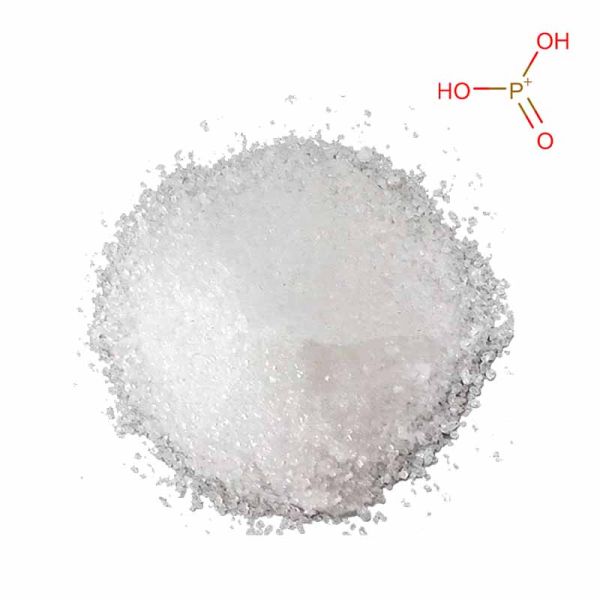
Phosphorous acid CAS#13598-36-2
Phosphorous acid<br/>H₃PO₃<br/><br/>Phosphorous acid, also known as orthophosphorous acid, is an intermediate for phosphorus-containing compounds. It is used to prepare water-treatment phosphonates, agricultural phosphites and lubricant additives. Specific synthesis applications include aminophosphonic acids through multicomponent and amidoalkylation chemistry. Other industrial uses involve plastic stabilization and metal surface protection, distinguishing this feedstock from finished phosphate or phosphonate formulations.
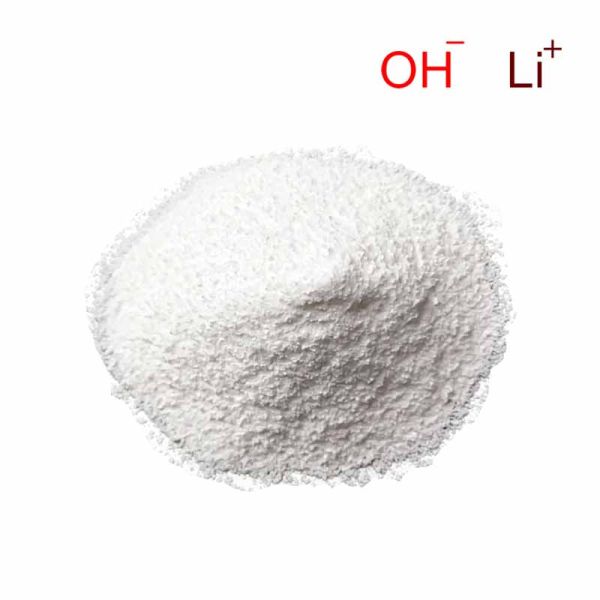
Lithium hydroxide CAS#1310-65-2
Lithium hydroxide<br/>w; h; i; t; e; ; t; e; t; r; a; g; o; n; a; l; ; a; n; h; y; d; r; o; u; s; ; c; r; y; s; t; a; l; s; ;; ; w; h; i; t; e; ; m; o; n; o; c; l; i; n; i; c; ; m; o; n; o; h; y; d; r; a; t; e; ; c; r; y; s; t; a; l; l; i; n; e; ; s; o; l; i; d<br/><br/>Lithium hydroxide is described as white tetragonal anhydrous crystals, distinct from its monoclinic monohydrate. Both dissolve in water and show limited alcohol solubility, with different aqueous solubility behavior. Applications include storage battery electrolytes, lithium greases, ceramics and carbon dioxide absorption, as well as specialized heat-transfer, photographic development and water chemistry control systems.
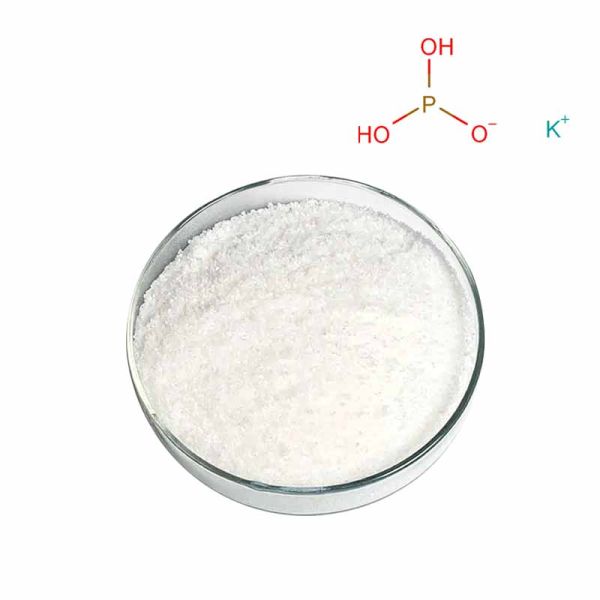
Monopotassium phosphite CAS#13977-65-6
Monopotassium phosphite<br/>Potassium dihydrogen phosphite<br/>KH₂PO₃<br/><br/>Monopotassium phosphite, also called potassium dihydrogen phosphite, is a water-soluble phosphite used in industrial water systems and agricultural formulations. Its calcium- and magnesium-complexing behavior is relevant to circulating-water treatment. The supplied material also describes plant uptake and internal transport, supporting foliar and irrigation application contexts while retaining its identity as a phosphite rather than a phosphate.
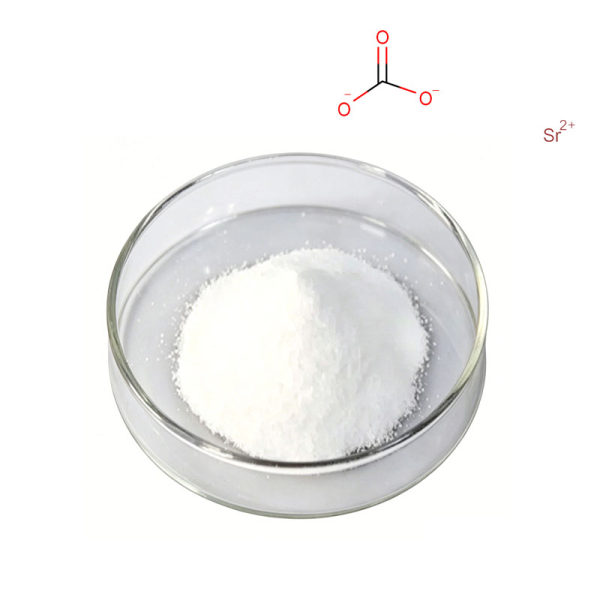
Strontium Carbonate CAS#1633-05-2
Strontium Carbonate<br/>SrCO₃<br/><br/>Strontium carbonate is a strontium salt occurring naturally as strontianite. Its characteristic red flame coloration supports use as a colorant in pyrotechnic compositions. Beyond this application, it is used in ceramic ferrites, specialty glass, sugar refining and the manufacture of other strontium salts, linking color-related functions with its broader role as an industrial strontium source.
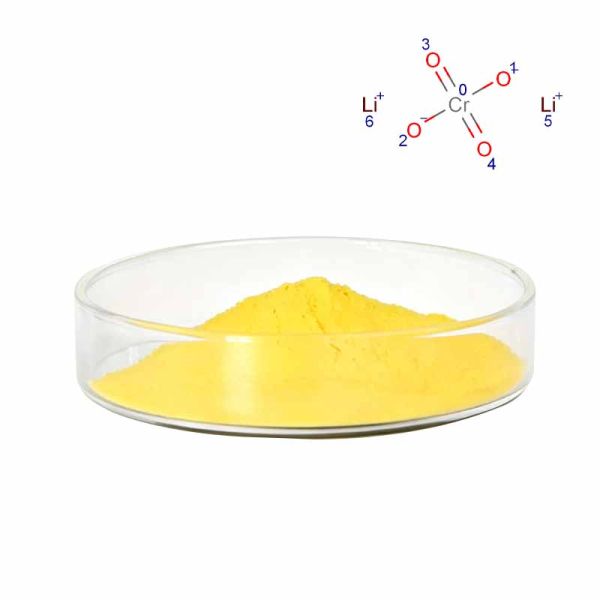
Lithium chromate CAS#14307-35-8
Lithium chromate<br/>y; e; l; l; o; w; ; c; r; y; s; t; a; l; l; i; n; e; ; s; o; l; i; d<br/><br/>Lithium chromate is a yellow crystalline material used as a corrosion inhibitor and chemical synthesis feedstock. The source also identifies its incorporation into cement-based crystalline waterproofing formulations containing mineral and water-absorbent resin components. Its application profile is therefore focused on metal protection, chemical manufacture and construction materials, with environmental containment an important consideration during industrial handling.
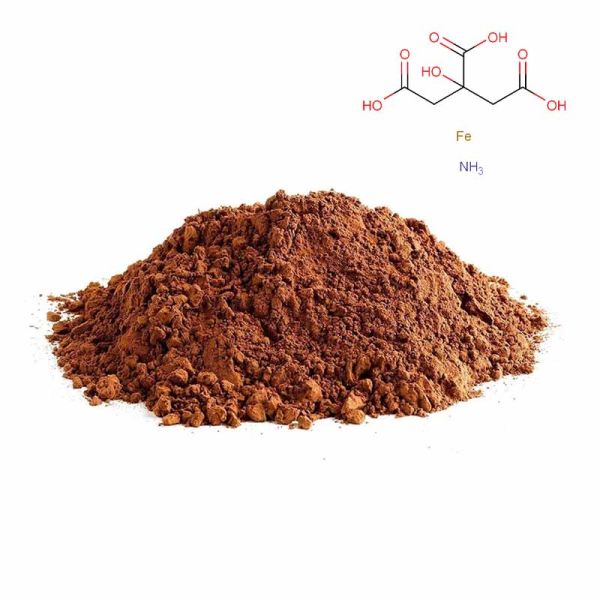
Ammonium ferric citrate CAS#1185-57-5
Ammonium ferric citrate<br/>o; d; o; r; l; e; s; s; ; b; r; o; w; n; i; s; h; -; r; e; d; ; a; m; o; r; p; h; o; u; s; ; p; o; w; d; e; r<br/><br/>Ammonium ferric citrate is an odorless, brownish-red amorphous powder with high water solubility and negligible volatility. It is insoluble in ethanol, ether and chloroform and decomposes on heating. Typical uses include iron-containing food fortification preparations and pharmaceutical raw materials, with its inherent color making compatibility especially relevant in formulations where appearance is important.
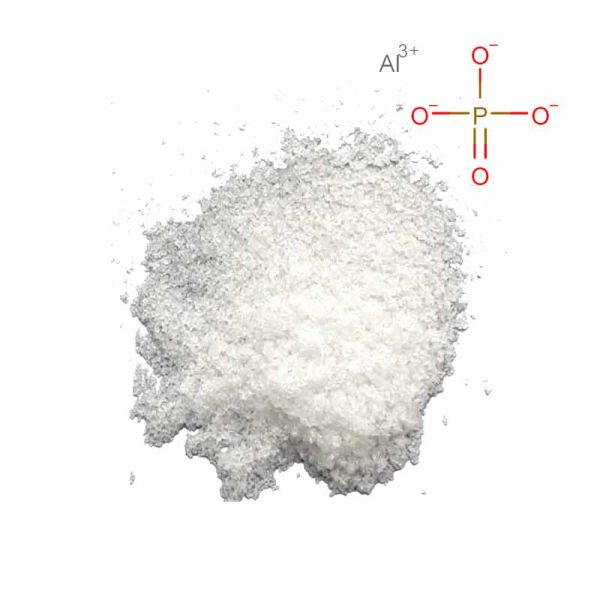
Aluminium phosphate CAS#7784-30-7
Aluminium phosphate<br/>w; h; i; t; e; ,; ; o; d; o; r; l; e; s; s; ; c; r; y; s; t; a; l; l; i; n; e; ; p; o; w; d; e; r<br/><br/>Aluminium phosphate is a water-insoluble inorganic material with high-temperature stability and resistance to many common solvents. It is used in ceramics, specialty glasses and cement formulations, as well as catalysts and molecular sieve materials. Additional applications include fire-resistant coatings and textile antifouling treatments, where its thermal and chemical characteristics are relevant to formulation design.
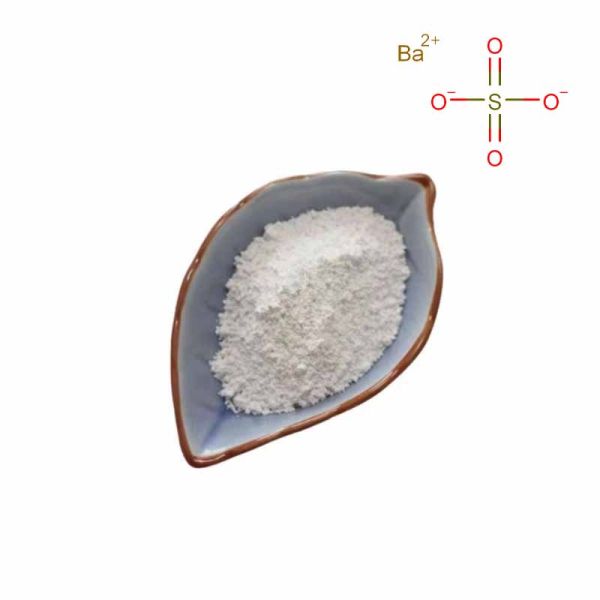
Barium sulfate CAS#7727-43-7
Barium sulfate<br/>w; h; i; t; e; -; t; o; -; y; e; l; l; o; w; i; s; h; ; s; o; l; i; d<br/><br/>Barium sulfate is a chemically stable, nearly water-insoluble solid appearing white to slightly yellowish. These characteristics support incorporation into paint, rubber and plastic formulations, where resistance to dissolution is important. The supplied material also identifies its radiographic application, although no specific particle size, surface treatment or grade is established for this particular product.
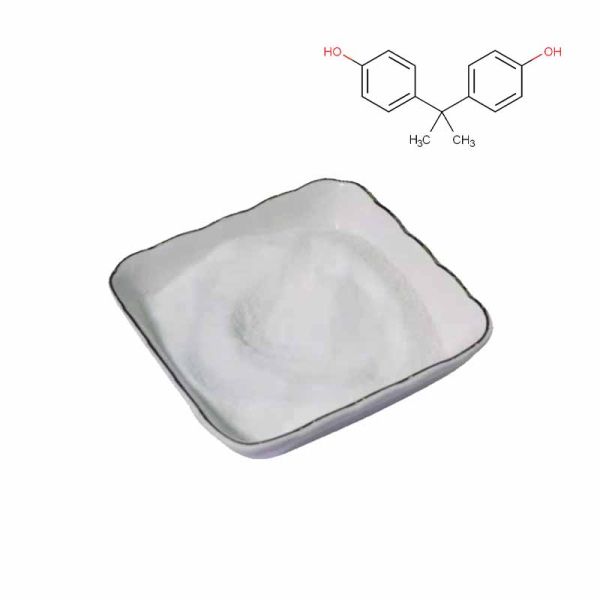
Bisphenol A CAS#80-05-7
Bisphenol A<br/>w; h; i; t; e; ; o; d; o; r; l; e; s; s; ; c; r; y; s; t; a; l; l; i; n; e; ; s; o; l; i; d<br/><br/>Bisphenol A is a white, odorless crystalline raw material with low volatility, limited water solubility and ready solubility in ethanol and acetone. Its principal applications are polycarbonate and epoxy-related resin manufacture. It is also identified as an antioxidant and as an inhibitor used to terminate vinyl chloride polymerization, extending its role beyond structural resin feedstocks.
Send Us Your Inquiry Today