






Navigation
Send Us A Message
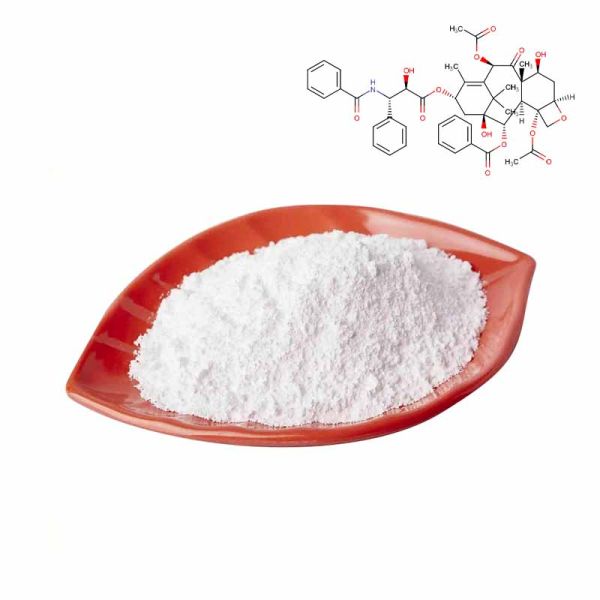
Paclitaxel CAS#33069-62-4
Paclitaxel<br/><br/>Paclitaxel is a diterpene obtained from yew bark and used in pharmaceutical applications and cell-division studies. Its biochemical interactions involve binding to polymerized microtubules and influencing their assembly and persistence. This microtubule-associated behavior distinguishes its laboratory role, while the supplied material does not provide an appearance, solvent profile or specific commercial form for the product.
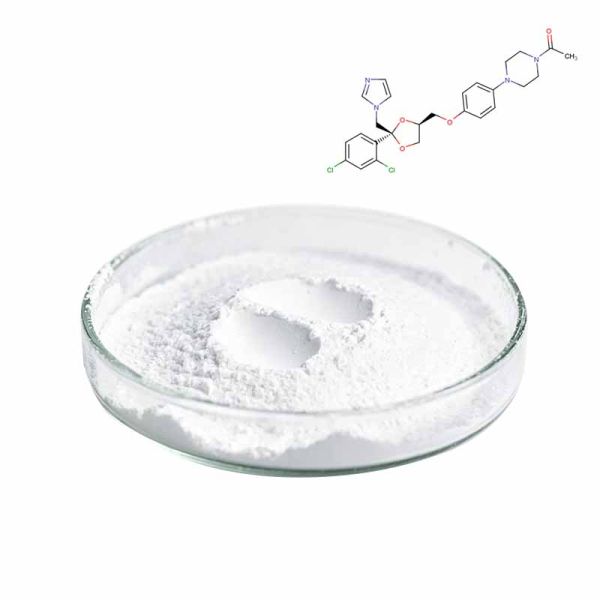
Ketoconazole CAS#65277-42-1
Ketoconazole<br/><br/>Ketoconazole is an imidazole-class pharmaceutical compound associated with fungal sterol biosynthesis and cytochrome enzyme interactions. In addition to pharmaceutical formulation applications, it is used in pharmacological research involving bioavailability and drug interactions. Its role as a cytochrome enzyme inhibitor makes it relevant to analytical investigations of compound metabolism rather than establishing any product-specific therapeutic performance.
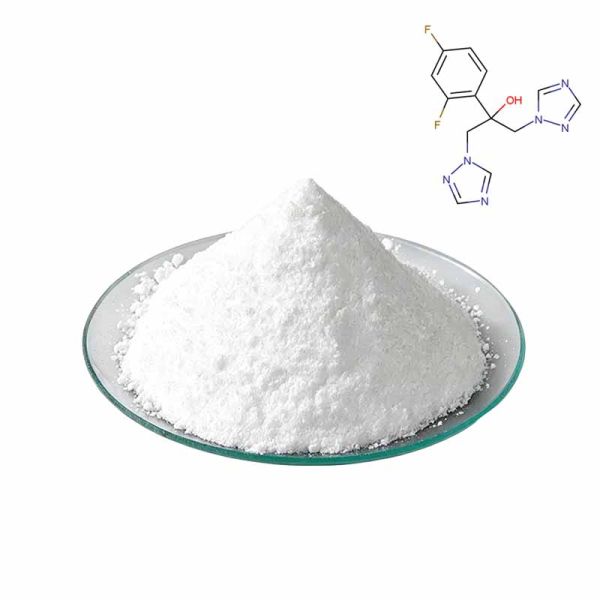
Fluconazole CAS#86386-73-4
Fluconazole<br/><br/>Fluconazole is a triazole-class pharmaceutical compound described through its relationship with fungal cytochrome-dependent enzymes and sterol biosynthesis. The supplied application context is systemic pharmaceutical formulations. Its triazole identity and enzyme-related biochemical profile distinguish it from imidazole compounds, although the available material does not define a physical appearance, hydration state or solvent compatibility for this particular product.
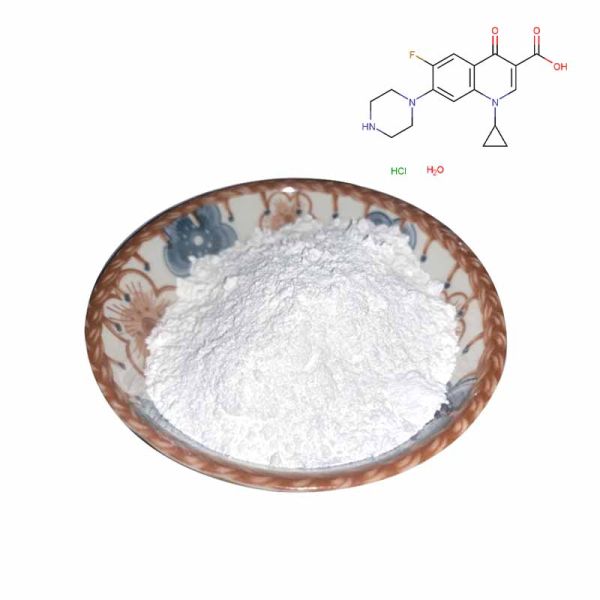
Ciprofloxacin hydrochloride hydrate CAS#86393-32-0
Ciprofloxacin hydrochloride hydrate<br/>Ciprofloxacin hydrochloride<br/>Ciloxan<br/>Ceprimax<br/>Oftacilox<br/><br/>Ciprofloxacin hydrochloride hydrate is the hydrated hydrochloride form of ciprofloxacin. The salt form is identified as a formulation-related stability characteristic in the supplied properties. Its application context is pharmaceutical preparations, while the source describes biochemical interactions with bacterial DNA gyrase. The hydrated identity should remain distinct from the free base and from unspecified hydrochloride forms.
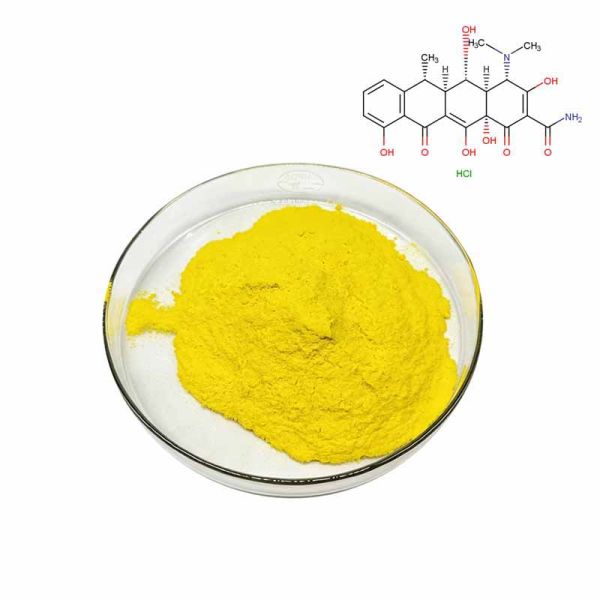
Doxycycline hydrochloride CAS#10592-13-9
Doxycycline hydrochloride<br/>h; y; g; r; o; s; c; o; p; i; c; ; c; r; y; s; t; a; l; l; i; n; e; ; p; o; w; d; e; r<br/><br/>Doxycycline hydrochloride is a hygroscopic crystalline powder soluble in water and methanol. It is a hydrochloride-form pharmaceutical compound described alongside tetracycline and oxytetracycline in the supplied material. Its solubility and moisture affinity are relevant to formulation work, while the stated applications center on pharmaceutical preparations rather than industrial solvent, pigment or materials-processing uses.
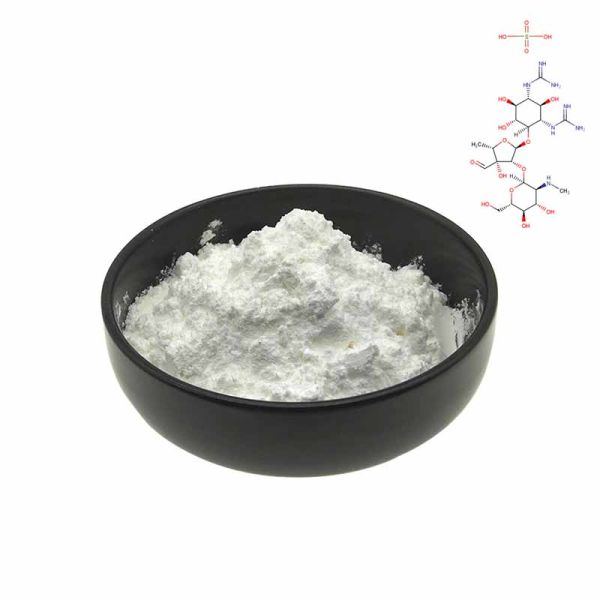
Streptomycin sulfate CAS#3810-74-0
Streptomycin sulfate<br/><br/>Streptomycin sulfate is a pharmaceutical antibiotic obtained from Streptomyces griseus. Its sulfate identity and ribosome-associated biochemical behavior are the main chemical and functional characteristics supplied. The source places it in parenteral pharmaceutical preparations and discusses protein-synthesis interactions, but does not define appearance, solvent compatibility or other physical specifications for the supplied sulfate material.
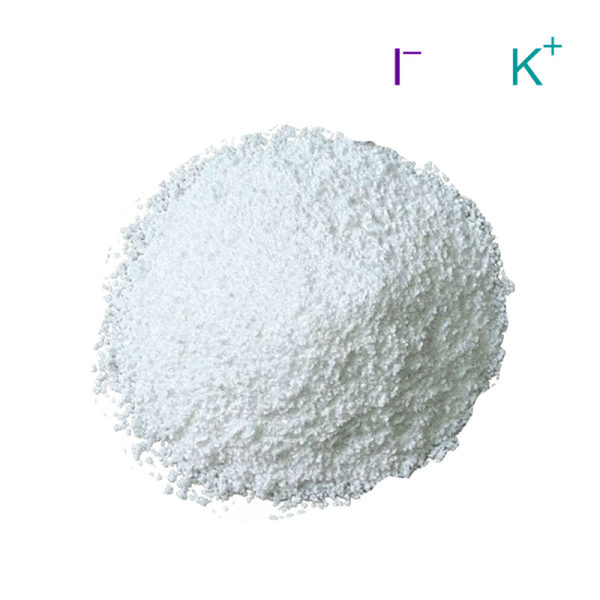
Potassium iodide CAS#7681-11-0
Potassium iodide<br/>w; h; i; t; e; ; c; r; y; s; t; a; l; ,; ; g; r; a; n; u; l; e; ,; ; o; r; ; p; o; w; d; e; r<br/><br/>Potassium iodide is a white crystalline salt available as crystals, granules or powder. It dissolves readily in water and can solubilize iodine through triiodide formation. Light exposure may cause gradual yellowing. Typical uses include analytical reagents, photographic emulsions, catalyst preparation and iodine-containing food or animal feed formulations, with its iodine-complexing behavior particularly useful in solution chemistry.
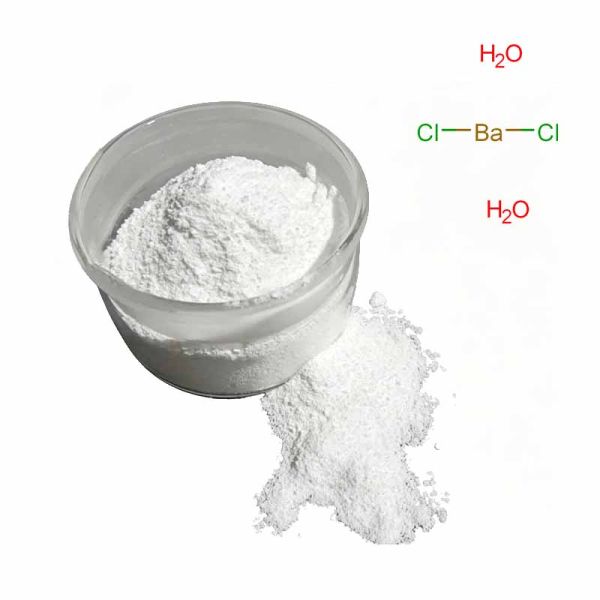
Barium chloride dihydrate CAS#10326-27-9
Barium chloride dihydrate<br/>w; h; i; t; e; ; o; d; o; r; l; e; s; s; ; c; r; y; s; t; a; l; l; i; n; e; ; p; o; w; d; e; r<br/><br/>Barium chloride dihydrate is a white, odorless crystalline powder readily soluble in water but insoluble in ethanol and acetone. Heating removes its water of crystallization, distinguishing it from anhydrous barium chloride. Applications include chlor-alkali brine purification, sulfate detection, manufacture of other barium compounds, pigments and molecular sieves, together with precursor use in doped barium zirconate preparation.
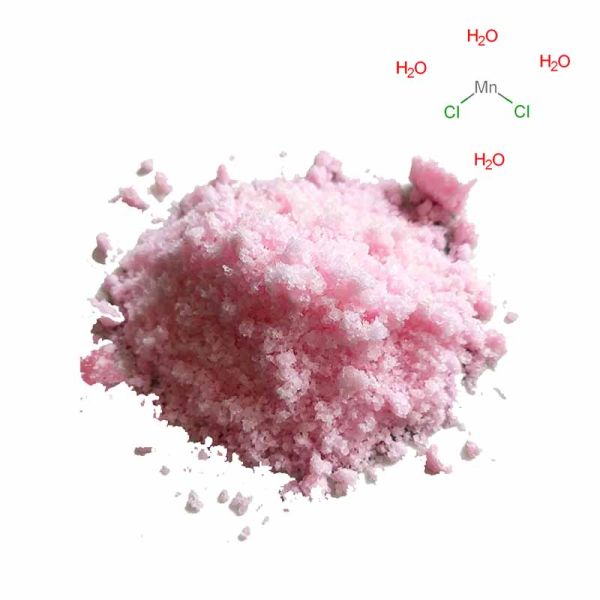
Manganese chloride tetrahydrate CAS#13446-34-9
Manganese chloride tetrahydrate<br/>Manganese(II) chloride tetrahydrate<br/>p; i; n; k; ; o; d; o; r; l; e; s; s; ; c; r; y; s; t; a; l; l; i; n; e; ; p; o; w; d; e; r<br/><br/>Manganese chloride tetrahydrate is a pink, odorless crystalline powder with high water solubility and compatibility with ethanol. Heating removes its crystal water, so its hydrated identity matters in preparation and processing. Typical applications include oxidation studies, dyeing, natural gas purification, linseed oil drying and battery raw materials, as well as broader inorganic reagent use.
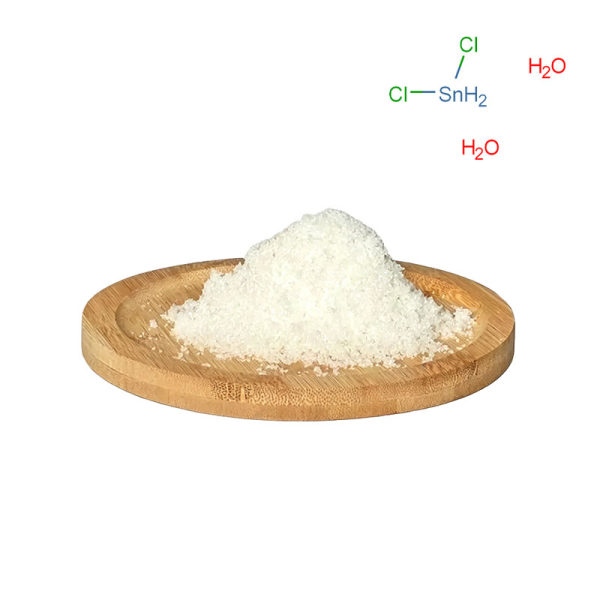
Stannous chloride dihydrate CAS#10025-69-1
Stannous chloride dihydrate<br/>Tin(II) chloride dihydrate<br/>w; h; i; t; e; ; c; r; y; s; t; a; l; l; i; n; e; ; p; o; w; d; e; r<br/><br/>Stannous chloride dihydrate, also called tin(II) chloride dihydrate, is a white crystalline powder that dissolves in water with a tendency to hydrolyze. It is also soluble in ethanol and ether. Its reducing behavior supports analytical determinations, bleaching and mordanting, while industrial applications include acidic tin electroplating baths, glass mirror sensitization and plastics metallization.
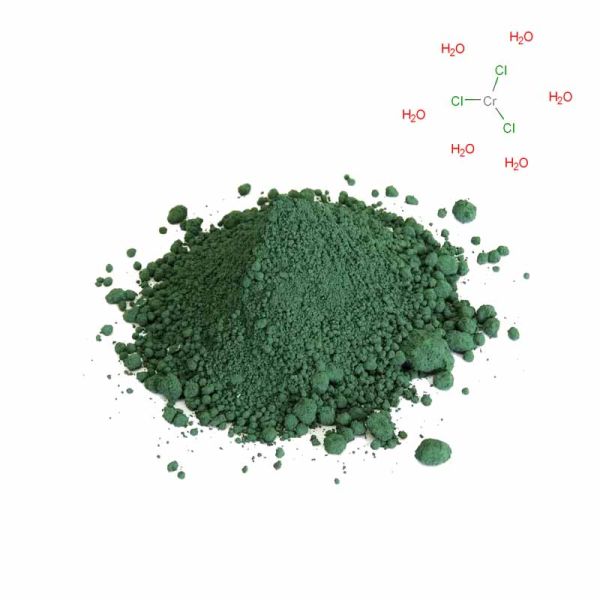
Chromic chloride hexahydrate CAS#10060-12-5
Chromic chloride hexahydrate<br/>Chromium(III) chloride hexahydrate<br/>p; u; r; p; l; e; ; o; d; o; r; l; e; s; s; ; c; r; y; s; t; a; l; l; i; n; e; ; p; o; w; d; e; r<br/><br/>Chromic chloride hexahydrate, or chromium(III) chloride hexahydrate, is a purple crystalline powder soluble in water and ethanol. Its hydrated form loses crystal water on heating. It serves as a chromium source for coordination complexes and catalytic materials, including Schiff base complexes, fatty-acid complexes and choline chloride-based deep eutectic systems used in esterification chemistry.
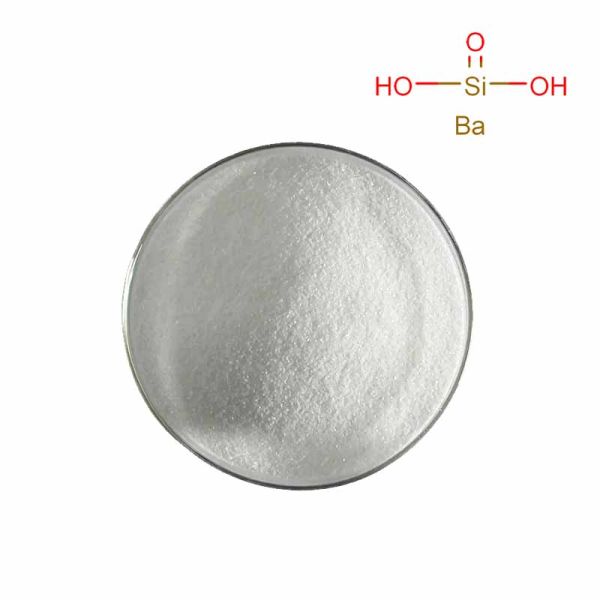
BARIUM SILICATECAS CAS#13255-26-0
BARIUM SILICATECAS<br/>w; h; i; t; e; ; o; d; o; r; l; e; s; s; ; c; r; y; s; t; a; l; l; i; n; e; ; p; o; w; d; e; r<br/><br/>Barium silicate is a white, odorless crystalline powder characterized by water insolubility, low volatility and high-temperature stability. Its application areas include ceramics and thin films for integrated optical circuits. Adjusting film composition allows refractive-index variation, making the material relevant to optical transmission layers where refractive behavior and low optical loss are important design considerations.
Send Us Your Inquiry Today