






Navigation
Send Us A Message
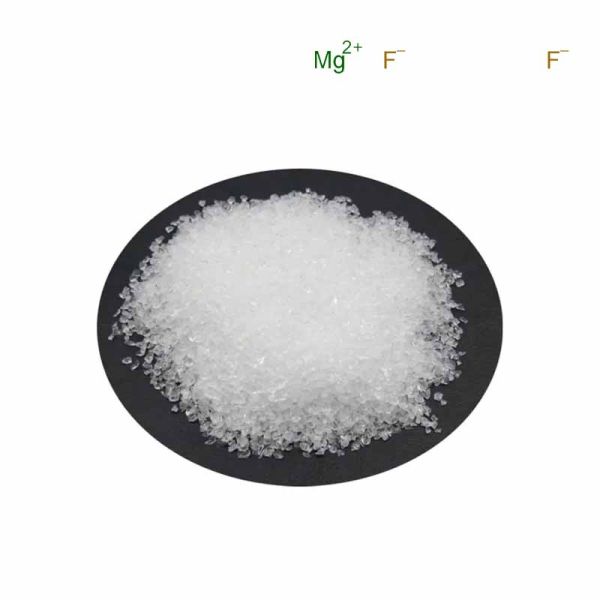
Magnesium fluoride CAS#7783-40-6
Magnesium fluoride<br/>f; i; n; e; ; w; h; i; t; e; ; c; r; y; s; t; a; l; l; i; n; e; ; p; o; w; d; e; r<br/><br/>Magnesium fluoride is a fine white crystalline material with low chemical reactivity. Its optical behavior supports ultraviolet-to-infrared components, antireflection coatings and infrared windows, while its chemical stability suits metallurgical and ceramic flux applications. It is also studied in conductive graphite intercalation compounds and fluoride-based thermal energy storage systems, extending its role beyond conventional optics.
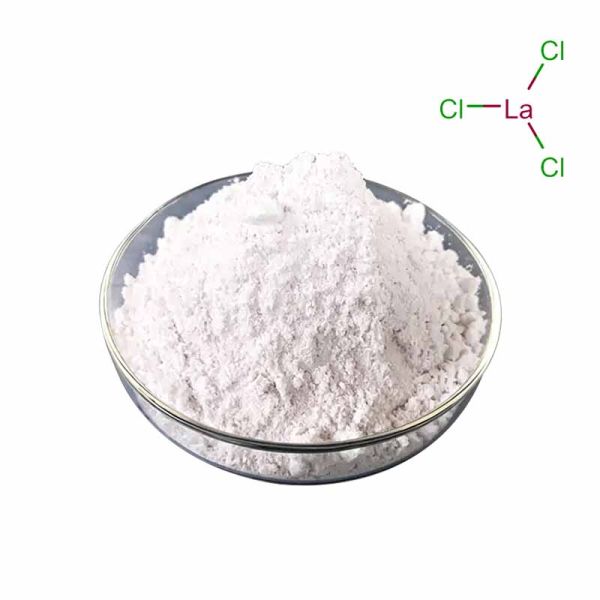
Lanthanum(III) chloride CAS#10099-58-8
Lanthanum(III) chloride<br/>w; h; i; t; e; ; h; e; x; a; g; o; n; a; l; ; c; r; y; s; t; a; l; ; (; a; n; h; y; d; r; o; u; s; ); ;; ; w; h; i; t; e; ; t; r; i; c; l; i; n; i; c; ; c; r; y; s; t; a; l; ; (; h; e; p; t; a; h; y; d; r; a; t; e; )<br/><br/>Lanthanum(III) chloride is described in anhydrous and heptahydrate forms. The anhydrous material consists of white hygroscopic hexagonal crystals soluble in water; the heptahydrate has a triclinic structure and also dissolves in ethanol. It is used in organic catalysis, including condensation chemistry, and as a lanthanum precursor for doped titanium oxide nanoparticles prepared by sol-gel processing.
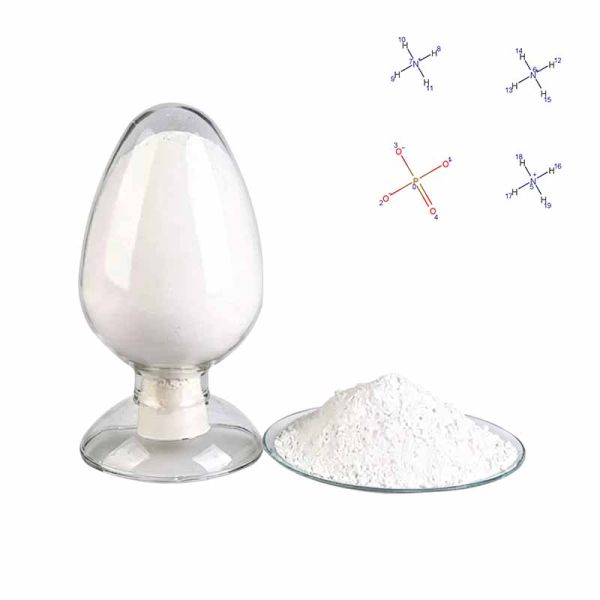
Ammonium polyphosphate CAS#68333-79-9
Ammonium polyphosphate<br/>APP<br/><br/>Ammonium polyphosphate, or APP, is a halogen-free flame-retardant material with properties dependent on chain length and phase. Short-chain Phase I is more water-sensitive, whereas Phase II has lower water solubility and greater thermal stability. Applications include intumescent coatings, engineering plastics, textiles, paper and wood, alongside polyphosphate fertilizer formulations supplying nitrogen and phosphorus.
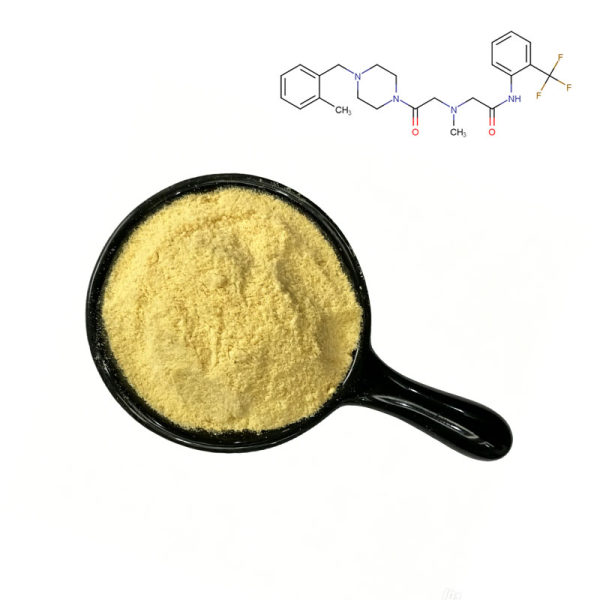
Soybean Lecithin CAS#8030-76-0
Soybean Lecithin<br/><br/>Soybean lecithin is used as an emulsifying ingredient in food, cosmetic, pharmaceutical and industrial formulations. The supplied properties emphasize water dispersibility and stabilization of oil-in-water emulsions, making it relevant to systems that combine aqueous and oily components. Selection for a particular formulation should follow its emulsifying characteristics; the available material does not establish a definitive composition for this product.
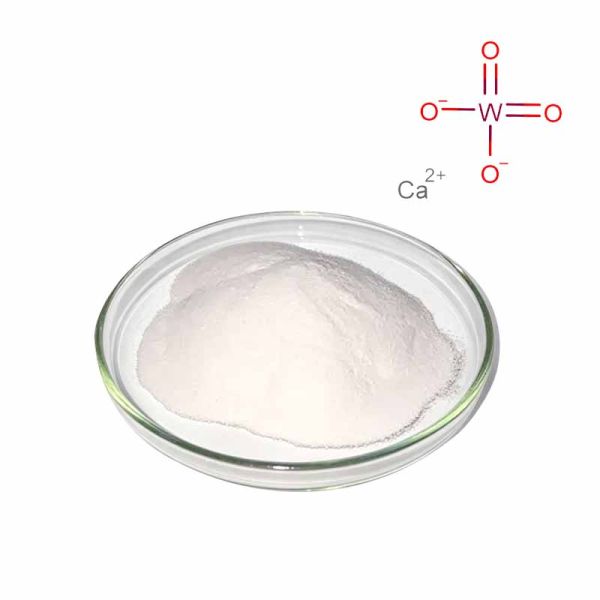
Calcium tungstate CAS#7790-75-2
Calcium tungstate<br/>CaWO₄<br/><br/>Calcium tungstate is an optical material with a scheelite crystal structure and both luminescent and thermoluminescent behavior. It is used as a phosphor and laser host in optical and electronic applications. Its blue-light emission under ultraviolet excitation supports luminescence-related technologies, while its thermoluminescent response is relevant to radiation detection and measurement applications.
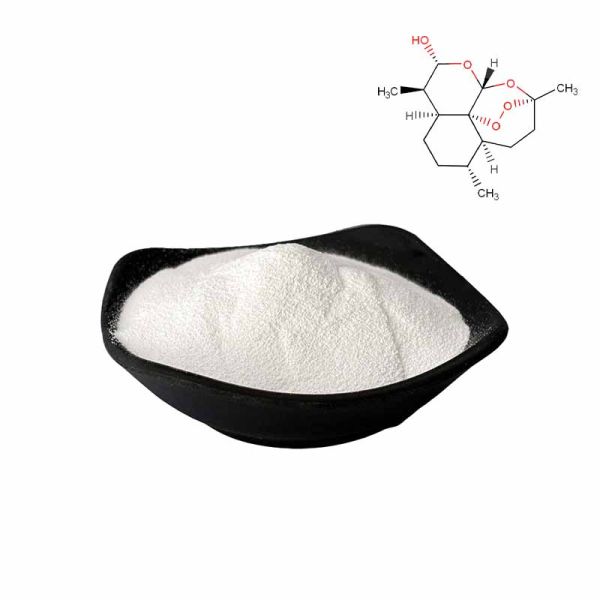
Alpha-Dihydroartemisinin CAS#81496-81-3
Alpha-Dihydroartemisinin<br/><br/>Alpha-dihydroartemisinin is presented in the supplied material as a pharmaceutical compound associated with antimalarial applications. The description emphasizes pharmacological behavior and oral absorption rather than chemical or physical product characteristics. It does not identify an appearance, solvent compatibility or analytical profile, so these attributes cannot be assigned to the supplied alpha form from the available evidence.
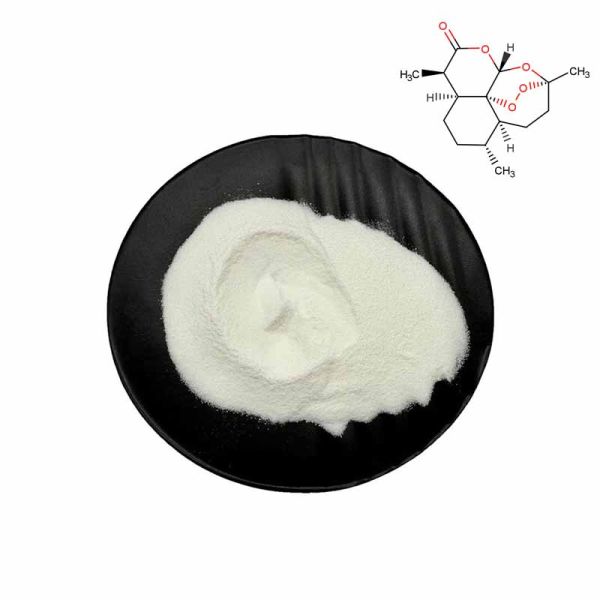
Artemisinin CAS#63968-64-9
Artemisinin<br/>sweet wormwood<br/><br/>Artemisinin is a peroxide-containing sesquiterpene lactone obtained from Artemisia annua, also known as sweet wormwood. Its chemical identity combines a lactone framework with peroxide functionality and distinguishes it within plant-derived pharmaceutical compounds. The supplied material places it in pharmaceutical applications involving artemisinin and its derivatives, including combination formulations, without establishing a specific commercial grade or physical form.
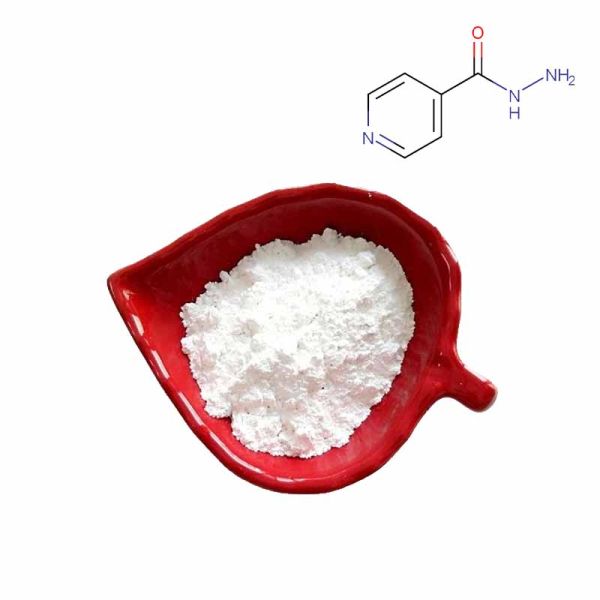
Isoniazid CAS#54-85-3
Isoniazid<br/>c; o; l; o; r; l; e; s; s; ; o; r; ; w; h; i; t; e; ; c; r; y; s; t; a; l; l; i; n; e; ; p; o; w; d; e; r<br/><br/>Isoniazid is a colorless to white crystalline compound with water solubility and chemically reactive hydrazine functionality. It participates in condensation with carbonyl compounds to produce Schiff bases and related derivatives. Besides pharmaceutical intermediate applications, it is used in electroplating additives and analytical luminescence systems, including reactions studied with gold nanoparticle-catalyzed luminol chemistry.
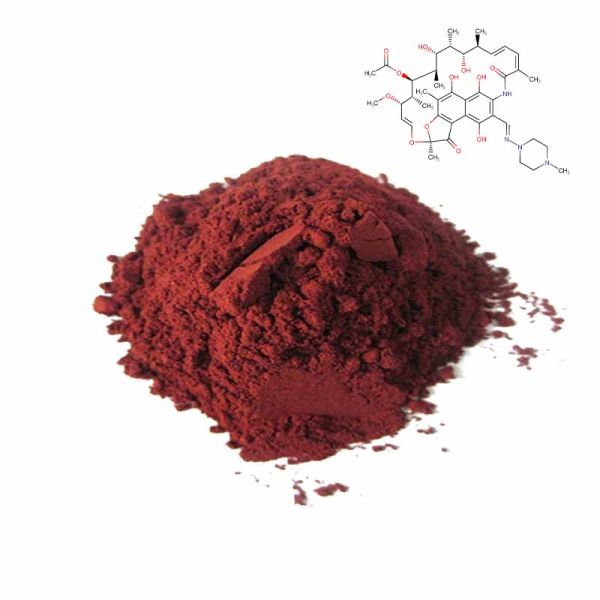
Rifampicin CAS#13292-46-1
Rifampicin<br/>r; e; d; ; c; r; y; s; t; a; l; l; i; n; e; ; p; o; w; d; e; r<br/><br/>Rifampicin is a rifamycin-class pharmaceutical compound described as a red crystalline powder with poor water solubility. The source identifies oral dosage formulation and use as a pharmaceutical intermediate among its applications. Its distinctive appearance and solubility are relevant product characteristics, while the available description does not establish a particular formulation grade or additional solvent compatibility.
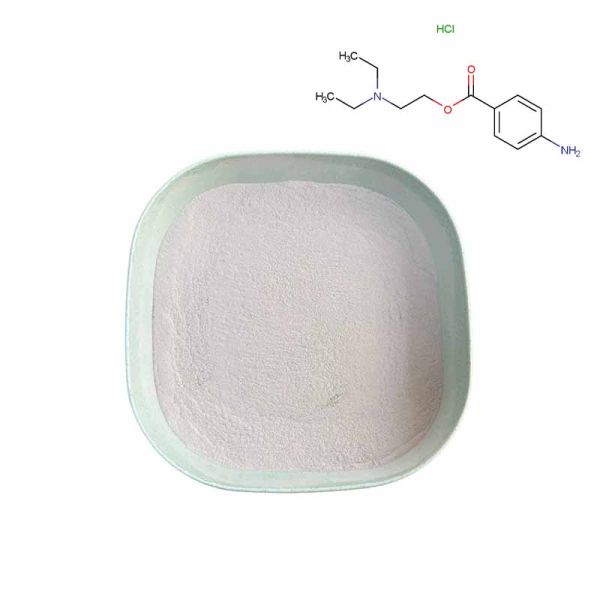
Procaine hydrochloride CAS#51-05-8
Procaine hydrochloride<br/><br/>Procaine hydrochloride is a pharmaceutical salt whose aqueous solutions show stability within an acidic range. Its aromatic amino group can undergo diazotization and subsequent coupling with naphthol to form a red azo compound. The supplied material identifies applications in local anesthetic formulations, while its chemical reaction behavior provides a distinct characteristic beyond its pharmaceutical classification.
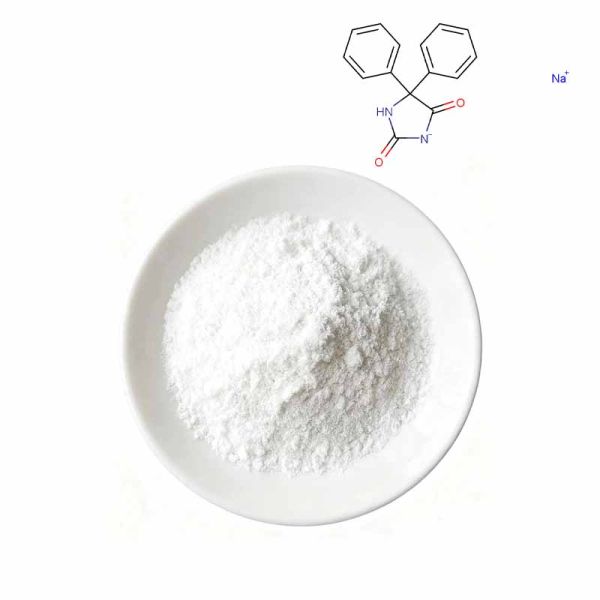
Phenytoin sodium CAS#630-93-3
Phenytoin sodium<br/><br/>Phenytoin sodium is the sodium form of a pharmaceutical compound described in connection with anticonvulsant and antiarrhythmic applications. The supplied material focuses on its pharmacological profile, including interactions with electrical activity and conduction, rather than chemical processing properties. It does not establish the product's appearance, solubility or hydration state, limiting further physical characterization of the supplied material.
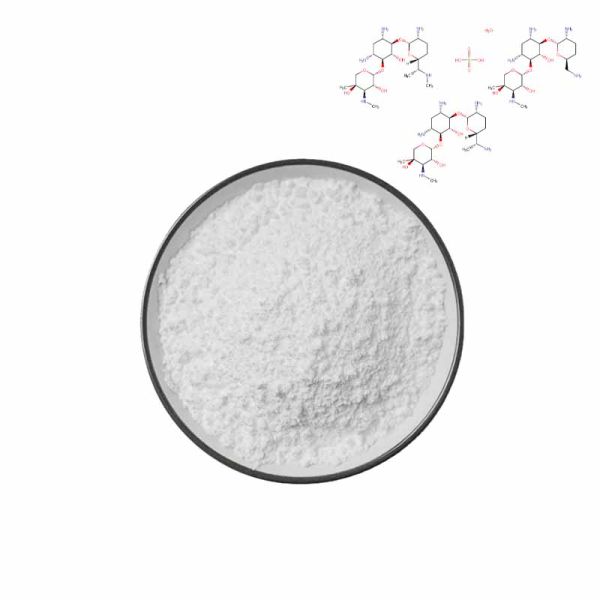
Gentamicin sulfate CAS#1405-41-0
Gentamicin sulfate<br/><br/>Gentamicin sulfate is a sulfate-form pharmaceutical antibiotic described in relation to bacterial ribosomal protein synthesis. Its application context includes pharmaceutical preparations for local and systemic administration, as well as combinations with other pharmaceutical ingredients. The source focuses on pharmacological classification and formulation routes, without establishing appearance, solubility or other physical specifications for the supplied material.
Send Us Your Inquiry Today