






Navigation
Send Us A Message
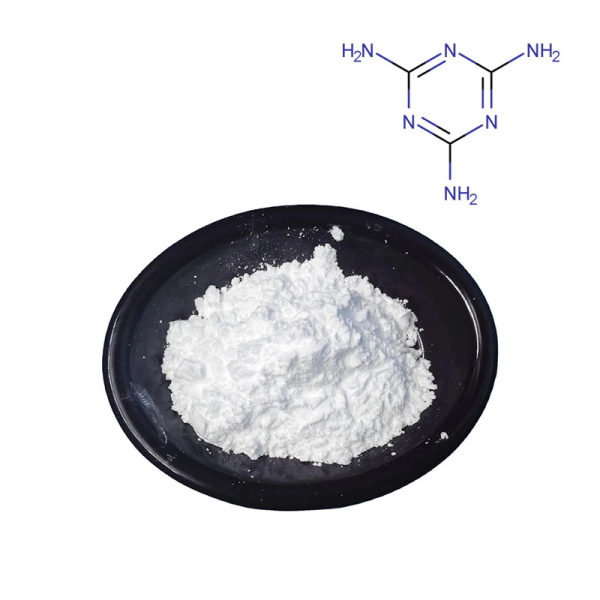
Melamine
Melamine<br/>C₃N₆H₆<br/>White crystalline solid<br/><br/>Melamine is a white crystalline compound with a nitrogen-containing triazine ring and three amino groups. Its reaction with formaldehyde produces thermosetting resins for decorative laminates, molded articles, surface coatings, and wood adhesives. It also serves in textile and paper treatments and as a nitrogen-based flame-retardant additive for selected polymer systems.
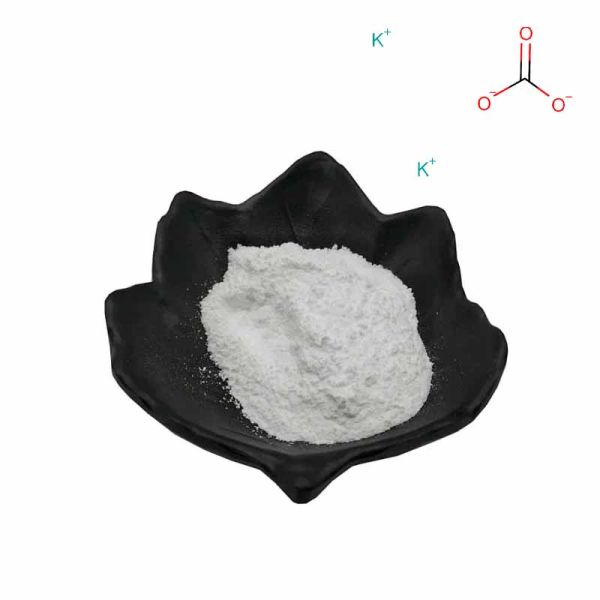
Potassium carbonate
Potassium carbonate<br/>Potash<br/>Pearl Ash<br/>K₂CO₃<br/>White powder; Colorless crystals<br/><br/>Potassium carbonate, also known as potash or pearl ash, is a moisture-absorbing white powder or colorless crystalline solid. It dissolves in water to form alkaline solutions and is insoluble in ethanol. Applications include optical glass manufacture, welding electrode coatings, dye processing, acid-gas absorption, and blended dry-powder fire-extinguishing compositions.
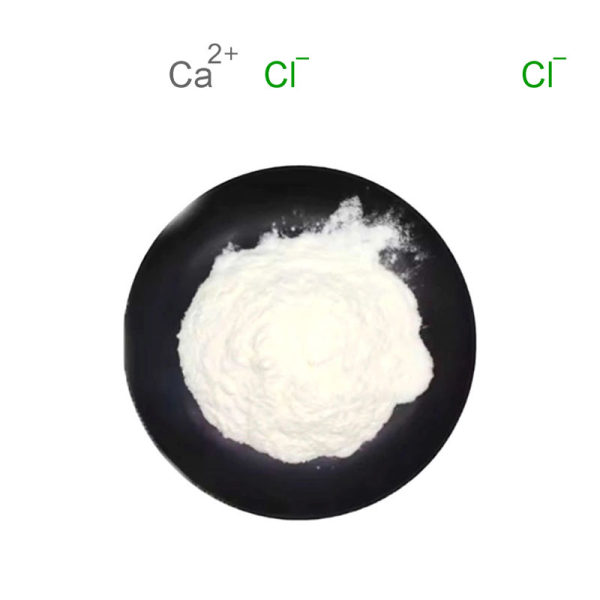
Calcium Chloride
Calcium Chloride<br/>White porous solid; Crystals<br/><br/>Calcium chloride is a strongly hygroscopic salt used where moisture absorption and readily prepared aqueous solutions are important. Dissolution releases heat, while anhydrous and hydrated forms differ in water content and thermal behavior. Typical applications include road deicing, desiccants, liquid and gas dehydration, refrigeration brines, dust suppression, and concrete-setting acceleration.
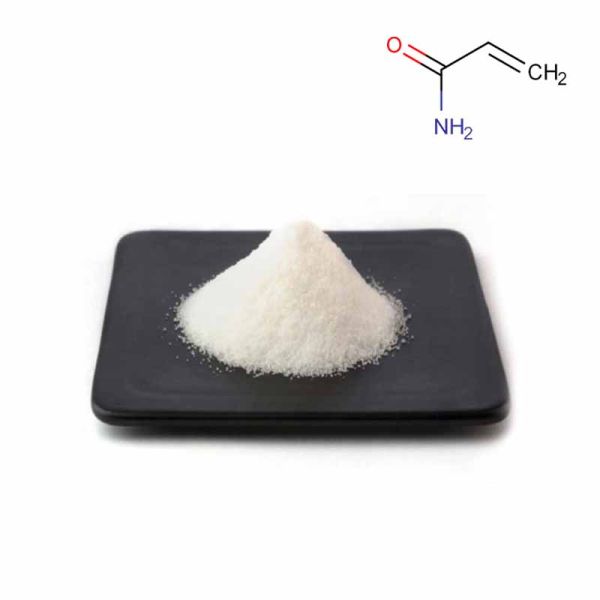
Polyacrylamide
Polyacrylamide<br/>Solid particles; Emulsion<br/><br/>The described polyacrylamide is a cationic polymer available in different charge grades and supplied as solid particles or liquid dispersions. It supports solid-liquid separation in wastewater treatment, sludge dewatering, mining tailings, and coal washing. Other applications include paper retention and drainage, drilling fluids, enhanced oil recovery, and soil conditioning.
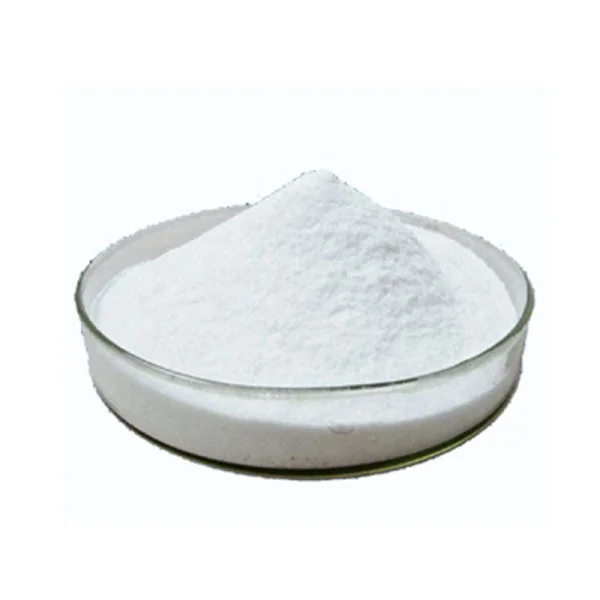
Sodium Bicarbonate
Sodium Bicarbonate<br/>Baking Soda<br/>NaHCO3<br/>White crystalline solid<br/><br/>Sodium bicarbonate, widely known as baking soda, is an odorless white crystalline solid that also occurs naturally as nahcolite. Its mildly alkaline aqueous behavior and reaction with food acids make it useful in leavening systems. It is incorporated into baking powder, baked goods, and dry beverage mixes that generate carbon dioxide.
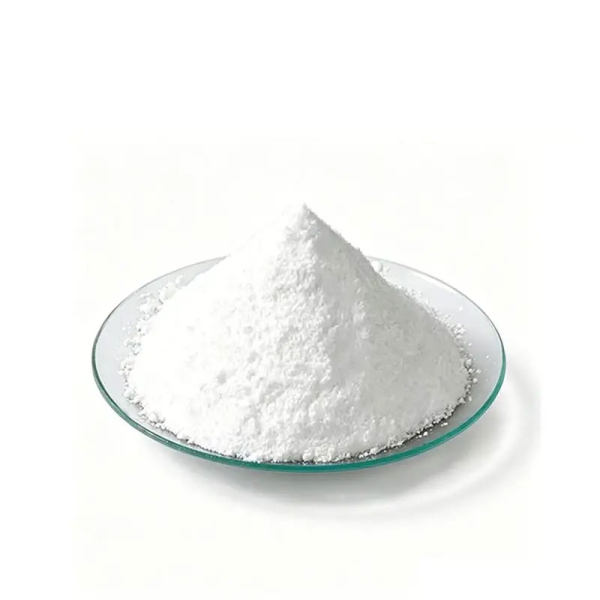
Sodium tripolyphosphate
Sodium tripolyphosphate<br/>STPP<br/>Na₅P₃O₁₀<br/>White crystalline solid<br/><br/>Sodium tripolyphosphate, abbreviated STPP, is a white crystalline phosphate valued for binding calcium and magnesium ions. It functions as a detergent builder, water softener, dispersant, and emulsifying aid. Uses include heavy-duty laundry and dishwashing formulations, drilling-fluid cleaning, peroxide stabilization, and moisture-retention applications in appropriately specified meat and seafood processing grades.
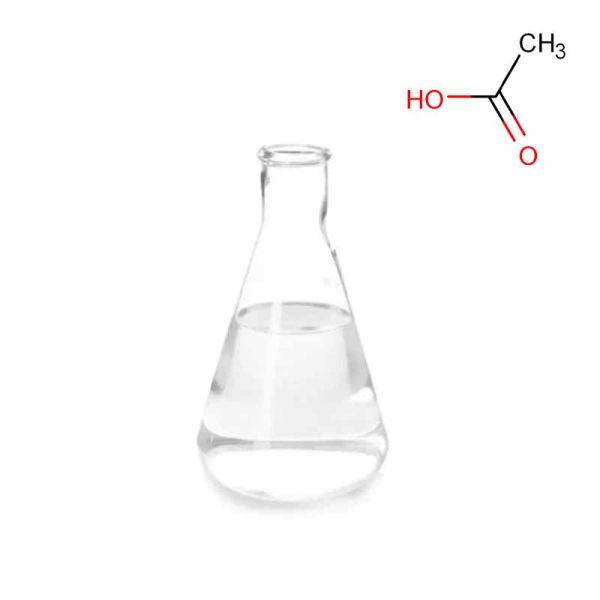
Acetic acid
Acetic acid<br/>AcOH<br/>Colorless liquid<br/><br/>Acetic acid is a colorless liquid with a pungent odor, miscible with water and many organic solvents. This weak organic acid readily participates in esterification and serves as a reaction medium. Major applications include vinyl acetate, acetic anhydride, acetate salts, cellulose acetate, solvent esters, and chemical intermediates; its anhydrous form is called glacial acetic acid.
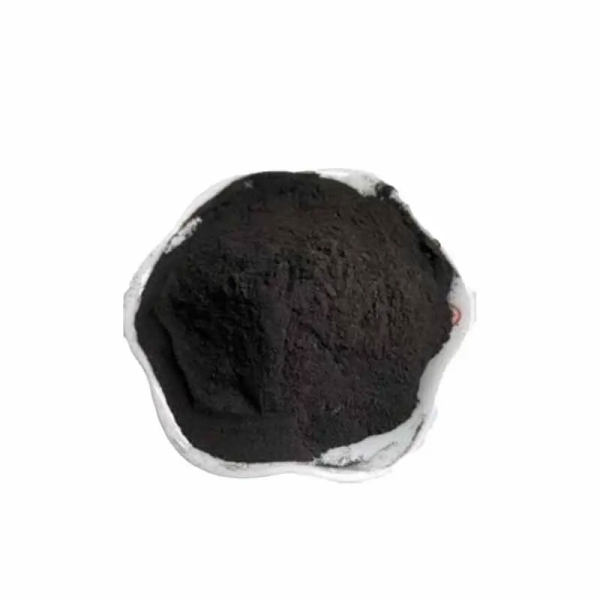
Activated Carbon
Activated Carbon<br/><br/>Activated carbon is a porous, amorphous carbon material produced by carbonizing and activating organic feedstocks. Its extensive internal surface provides adsorption sites for gas purification, odor removal, decolorization, and liquid impurity control. Other uses include catalysis and energy storage, while chemically modified grades can be selected for waterborne metal-ion removal.
Potassium Hydroxide
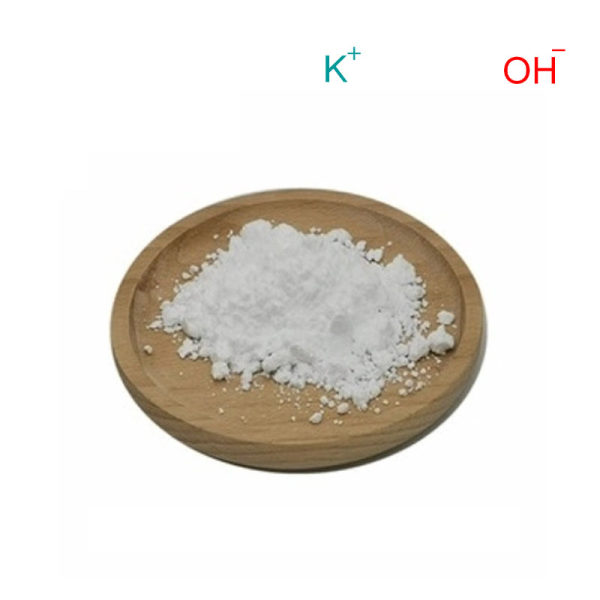
Potassium Hydroxide<br/>Caustic Potash<br/>KOH<br/><br/>Potassium hydroxide, also known as caustic potash, is a strong inorganic base that forms alkaline solutions in polar solvents. Its acid-neutralizing behavior supports potassium salt manufacture, chemical analysis, and organic synthesis. It is also used in soft soaps, cleaning formulations, electroplating, wood treatment, dye processing, and carbon dioxide absorption systems.
Isopropyl alcohol
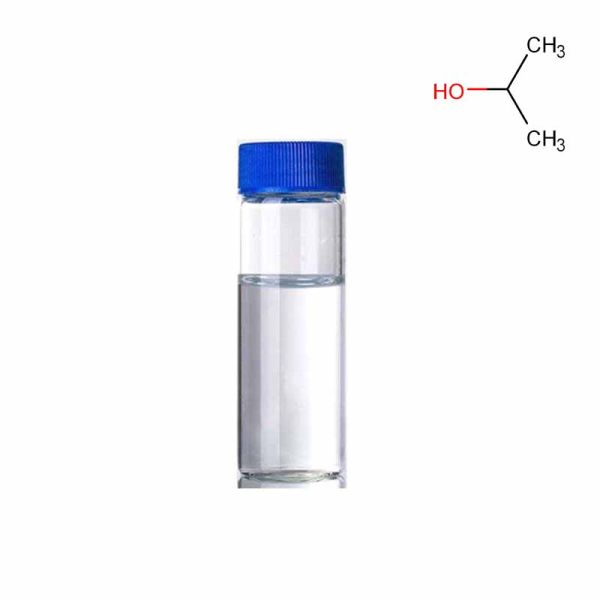
Isopropyl alcohol<br/>Isopropanol<br/>Rubbing Alcohol<br/>Clear colorless liquid<br/><br/>Isopropyl alcohol, or isopropanol, is a clear, colorless, flammable liquid that mixes completely with water and many organic solvents. It serves as a solvent in coatings, automotive care, and cleaning formulations, and as a wetting ingredient in inks. Additional uses include acetone manufacture, ester production, deicing blends, and laboratory nucleic-acid precipitation.
Sodium carbonate
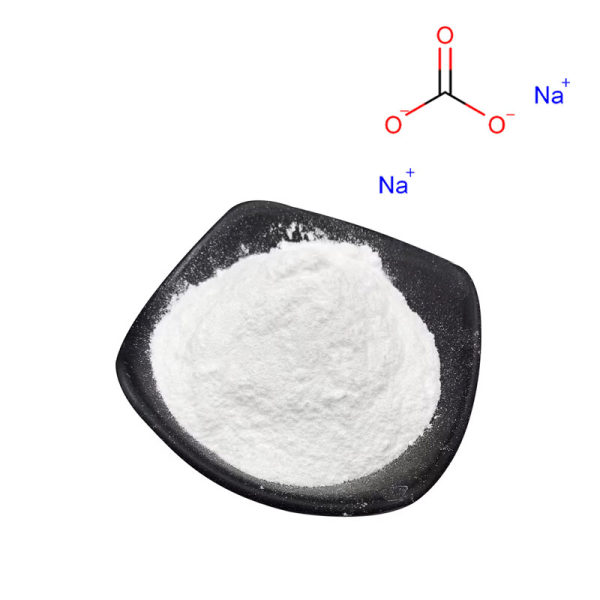
Sodium carbonate<br/>Na₂CO₃<br/>White powder<br/><br/>Sodium carbonate is a white, hygroscopic alkaline material that dissolves in water to provide basic solutions. It serves as a silica flux in glassmaking and an alkalinity source in detergents, water treatment, pulp processing, and textiles. In suitable food-processing grades, it also adjusts acidity and contributes to texture development in prepared foods.
Benzyl Alcohol
Benzyl Alcohol<br/>Colorless liquid<br/><br/>Benzyl alcohol is a colorless aromatic alcohol with a mild odor and comparatively slow evaporation. Slightly soluble in water and compatible with many organic solvents, it dissolves resins, oils, and fragrance ingredients. It is used in coatings, inks, resin systems, industrial cleaning, chemical synthesis, and appropriately specified personal care formulations.
Send Us Your Inquiry Today