






Navigation
Send Us A Message
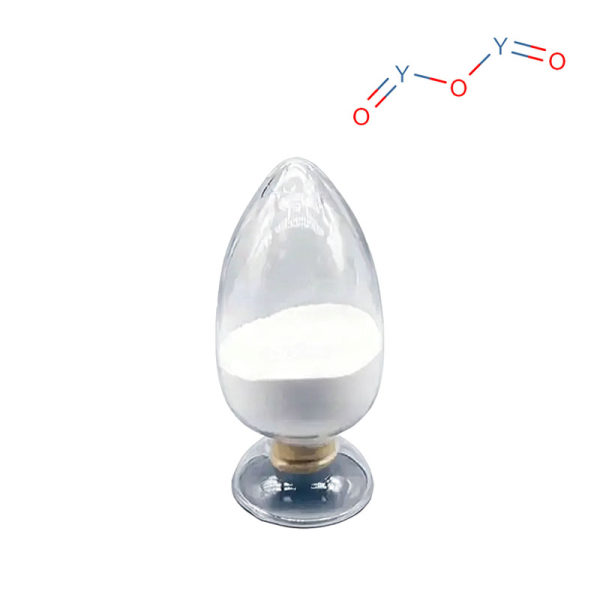
Yttrium oxide CAS#1314-36-9
Yttrium oxide<br/>w; h; i; t; e; ; p; o; w; d; e; r; ,; ; s; i; n; t; e; r; e; d; ; t; a; b; l; e; t; s; ,; ; a; n; d; ; c; h; u; n; k; s<br/><br/>Yttrium oxide is a white rare-earth material supplied as powder, sintered tablets or pieces. Its high-temperature stability supports laboratory crucibles and specialized melting operations. Sintered material is used in evaporation and sputtering processes for hard films, dielectric layers and capacitor components. Additional applications include electronic ceramics, spinel formation and yttrium-iron garnet materials for microwave filters.
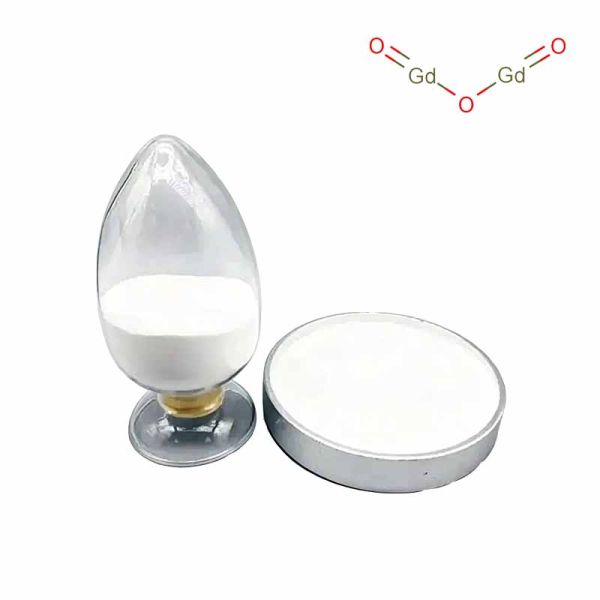
Gadolinium oxide CAS#12064-62-9
Gadolinium oxide<br/><br/>Gadolinium oxide, also called gadolinia, is a thermally stable rare-earth oxide with low solubility. It is used in optical glass, ceramics, phosphors and magnetic materials, and as a feedstock for gadolinium-yttrium garnets. Further applications include neutron absorption, chemical catalysis and ceria-based electrolyte materials, linking its thermal behavior with optical, nuclear and electrochemical material functions.
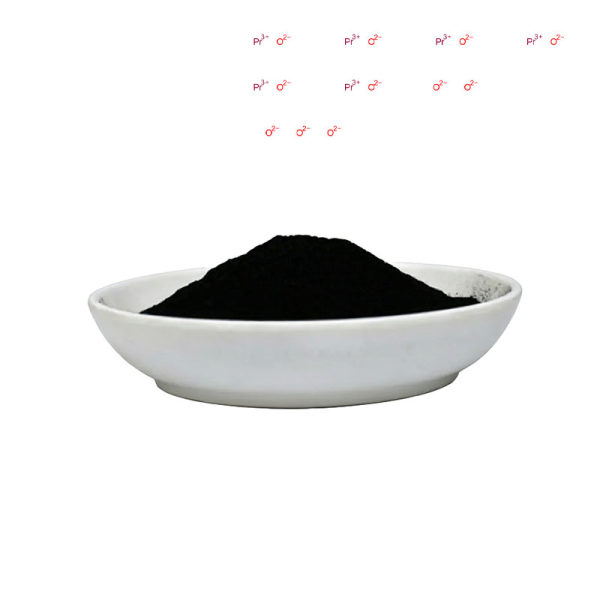
Praseodymium oxide CAS#12037-29-5
Praseodymium oxide<br/>d; a; r; k; ; b; r; o; w; n; ; p; o; w; d; e; r<br/><br/>Praseodymium oxide, or praseodymia, is a dark brown rare-earth powder that is insoluble in water but soluble in strong acids. Its chemical stability, thermal behavior and redox reactivity support ceramics and electronic materials. Typical applications include didymium glass, welding-goggle coloration and praseodymium yellow pigments, with additional interest in ionic-conducting materials for electrochemical systems.
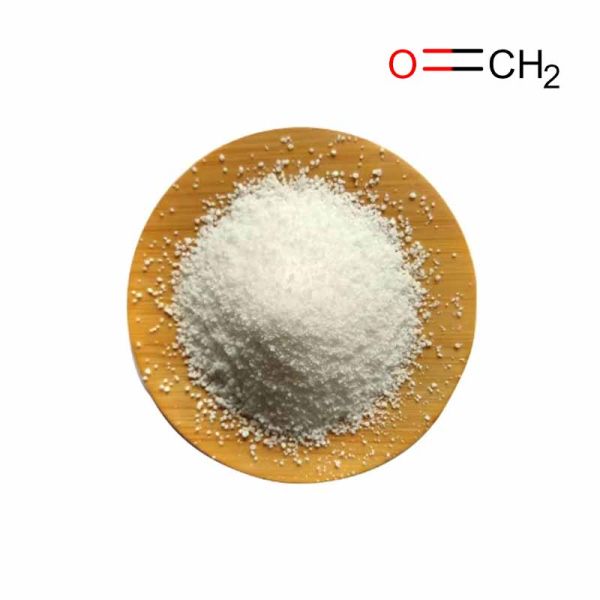
Paraformaldehyde CAS#30525-89-4
Paraformaldehyde<br/>w; h; i; t; e; ; p; o; w; d; e; r; ,; ; g; r; a; n; u; l; e; s; ,; ; o; r; ; p; r; i; l; l; s<br/><br/>Paraformaldehyde provides a solid formaldehyde source for resin manufacture and organic synthesis. Typically supplied as white powder, prills or granules, this relatively low-degree polymer releases formaldehyde when heated under appropriate conditions. Its applications include synthetic resins, adhesives and herbicide-related chemical manufacture. It should not be confused with the high-molecular-weight polyoxymethylene resins used as engineering plastics.
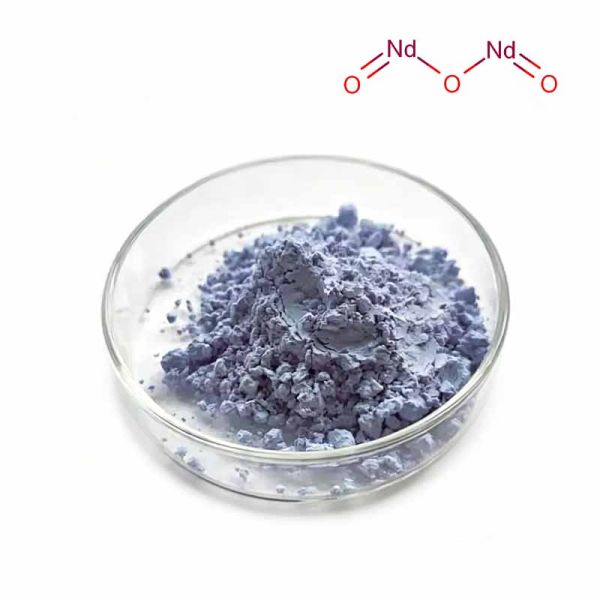
Neodymium oxide CAS#1313-97-9
Neodymium oxide<br/>Nd₂O₃<br/>b; l; u; e; -; g; r; a; y; ; p; o; w; d; e; r<br/><br/>Neodymium oxide is a blue-gray rare-earth powder with a hexagonal crystal structure and faint red fluorescence. It absorbs atmospheric moisture and carbon dioxide, is insoluble in water and dissolves in acids. Glass and ceramic applications exploit its blue-to-lavender coloration and lighting-dependent color effects; further uses include capacitors, lamp electrodes and dehydrogenation catalysts.
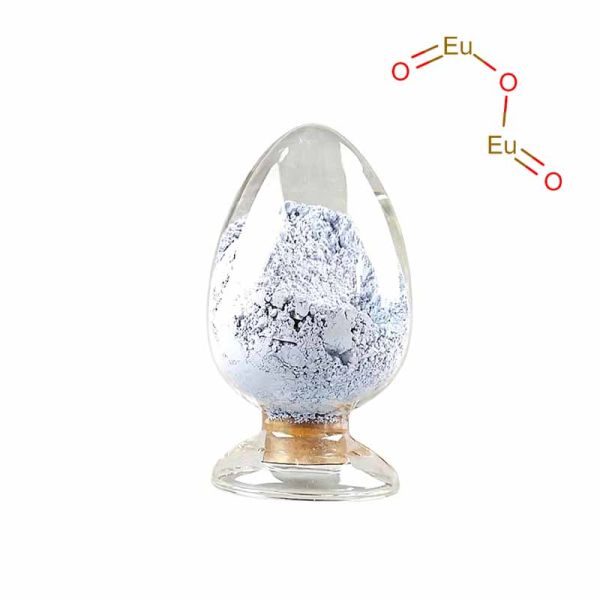
Europium Oxide CAS#1308-96-9
Europium Oxide<br/>Eu₂O₃<br/>w; h; i; t; e; ; t; o; ; p; a; l; e; ; p; i; n; k; ; p; o; w; d; e; r<br/><br/>Europium oxide is a white to pale pink, hygroscopic rare-earth powder with crystal forms influenced by calcination conditions. It is insoluble in water but dissolves in inorganic and selected organic acids. Used in phosphor systems for red luminescence, fluorescent lighting and laser-related materials, it also has neutron-absorbing applications in nuclear reactor control components.
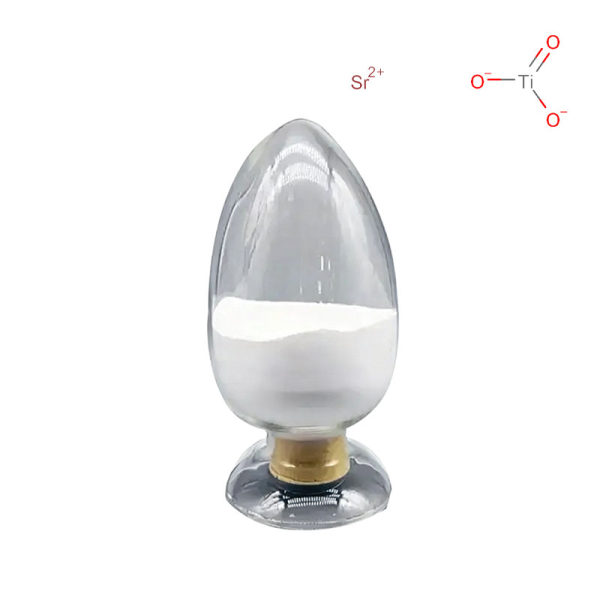
Strontium Titanate CAS#12060-59-2
Strontium Titanate<br/>SrTiO₃<br/><br/>Strontium titanate is an oxide ceramic used as a model material for perovskite research. Its temperature-dependent crystal behavior and electronic material functions support tunable microwave capacitors, thermistors, varistors and semiconductive ceramics. Other identified applications include display technologies, pyroelectric infrared detectors and low-temperature instrumentation, where its structural and functional properties are relevant to specialized device development.
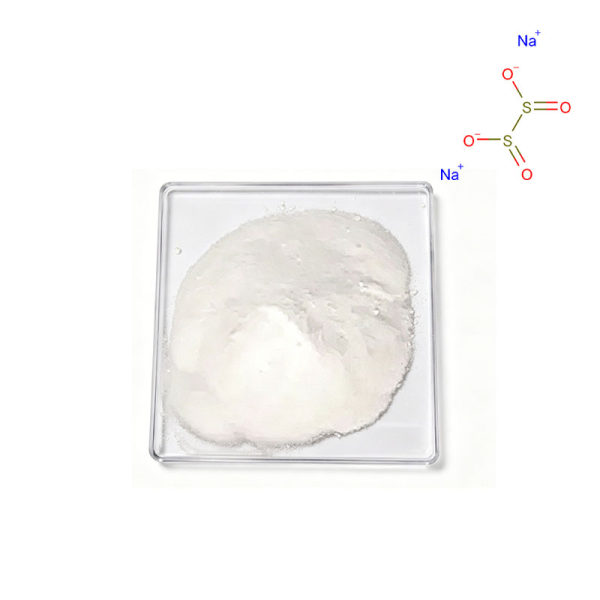
Sodium dithionite CAS#7775-14-6
Sodium dithionite<br/>sodium hydrosulfite<br/>sodium hydrosulphite<br/>sodium sulfoxylate<br/>sulfoxylate<br/><br/>Sodium dithionite, commonly called sodium hydrosulfite, is a strong reducing agent with marked oxygen reactivity. Its reduction and decolorization behavior supports textile dyeing, pulp bleaching and removal of iron-related stains. Additional uses include boiler oxygen scavenging, water treatment, photographic processing, leather and polymer manufacture, gas purification and chemical processing requiring controlled reducing conditions.
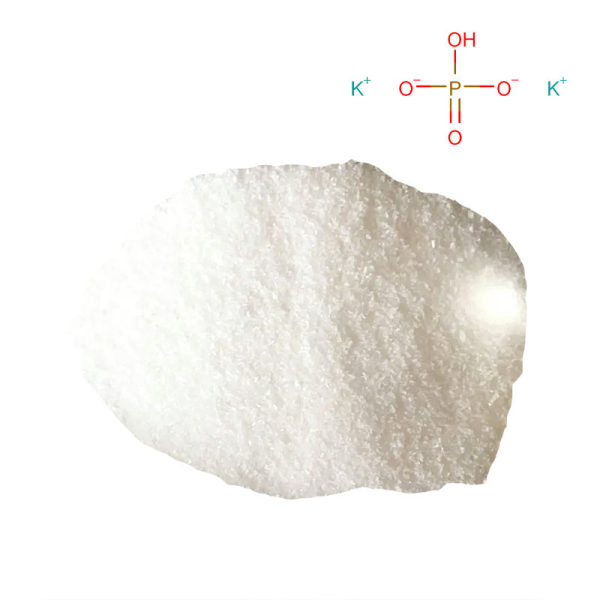
Potassium Phosphate Dibasic CAS#7758-11-4
Potassium Phosphate Dibasic<br/>Dipotassium phosphate<br/><br/>Dibasic potassium phosphate, also known as dipotassium phosphate, supplies potassium and phosphorus and functions as a buffer and mild alkaline ingredient. It is used in microbial culture media, fermentation systems and analytical solutions. Food formulations include dairy creamers and beverage powders, while industrial applications extend to fertilizer, water treatment and corrosion inhibition in glycol-based antifreeze.
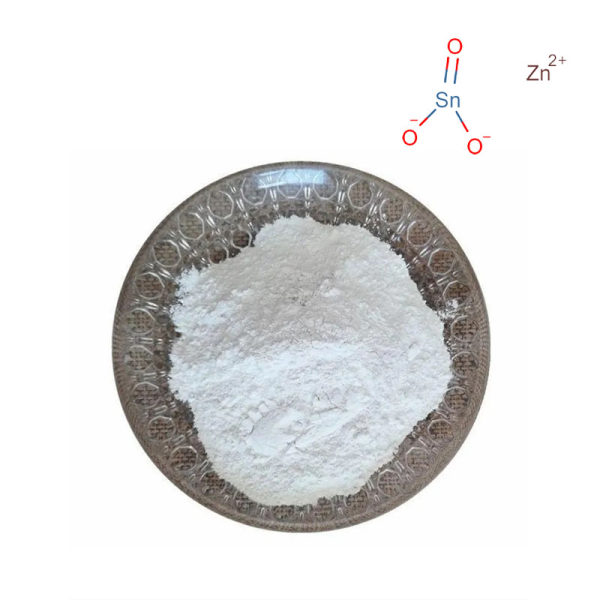
ZINC STANNATE CAS#12036-37-2
ZINC STANNATE<br/><br/>Zinc stannate is a thermally stable additive used for flame-retardant and smoke-suppressing formulations. Its compatibility with other flame-retardant ingredients supports polymer, rubber, textile and coating systems. Typical applications include cable insulation, building materials, transportation interiors and electronic components, as well as adhesives, sealants and foams where combustion behavior and smoke formation are formulation considerations.
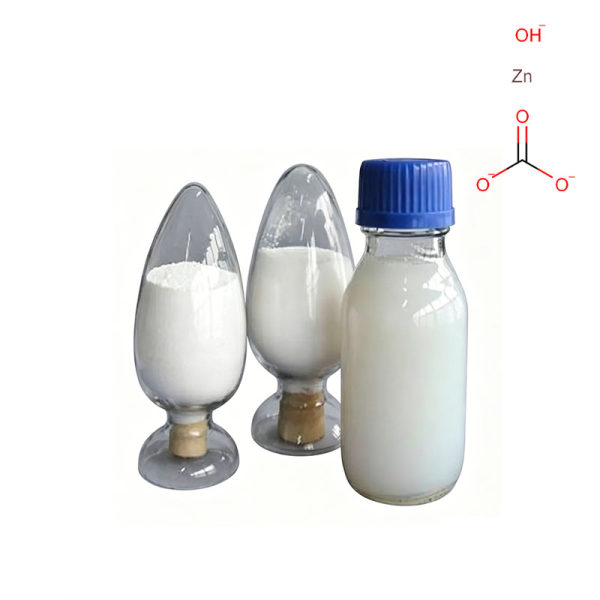
Zinc carbonate basic CAS#5263-02-5
Zinc carbonate basic<br/>f; i; n; e; ; w; h; i; t; e; ; i; n; o; r; g; a; n; i; c; ; p; o; w; d; e; r<br/><br/>Basic zinc carbonate is a fine white inorganic powder containing zinc carbonate and zinc hydroxide components. It reacts with acids and offers dispersibility and thermal decomposition behavior useful in processing. Typical applications include rubber, ceramics, coatings and other zinc compounds; more specific uses include zinc oxide nanopowder preparation and catalysis in methyl phenylcarbamate synthesis.
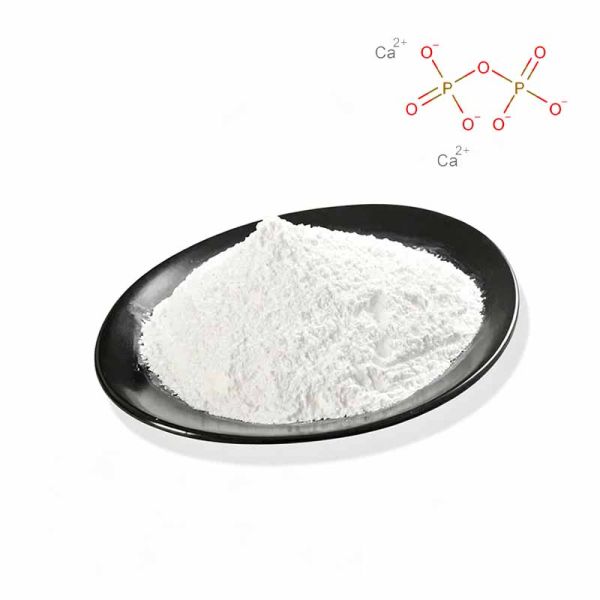
CALCIUM PYROPHOSPHATE CAS#7790-76-3
CALCIUM PYROPHOSPHATE<br/>Ca₂P₂O₇<br/>w; h; i; t; e; ; p; o; w; d; e; r; ;; ; a; m; o; r; p; h; o; u; s; ; p; r; o; d; u; c; t; ;; ; d; i; h; y; d; r; a; t; e<br/><br/>Calcium pyrophosphate is a phosphate material prepared through solid-state or aqueous routes. The aqueous route yields a dihydrate, while anhydrous material exhibits distinct crystal phases during thermal processing. Water insolubility and solubility in dilute acids influence formulation behavior. The supplied applications include phosphate and fertilizer manufacture, food processing and laboratory transfection-related work, with form selection remaining application-specific.
Send Us Your Inquiry Today