






Navigation
Send Us A Message
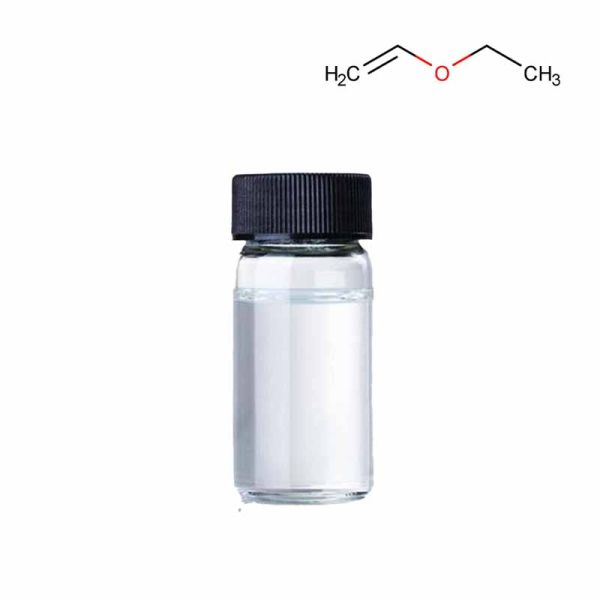
Ethyl vinyl ether CAS#109-92-2
Ethyl vinyl ether<br/>c; o; l; o; r; l; e; s; s; ,; ; t; r; a; n; s; p; a; r; e; n; t; ; l; i; q; u; i; d<br/><br/>Ethyl vinyl ether is a clear, colorless liquid with an ether-like odor, pronounced volatility and limited water solubility. Miscibility with most organic solvents supports its use in organic synthesis and solvent systems. Typical applications include fragrance and flavor preparations, lubricating oil additives and pharmaceutical intermediate manufacture, including synthesis routes involving sulfadiazine-related chemistry.
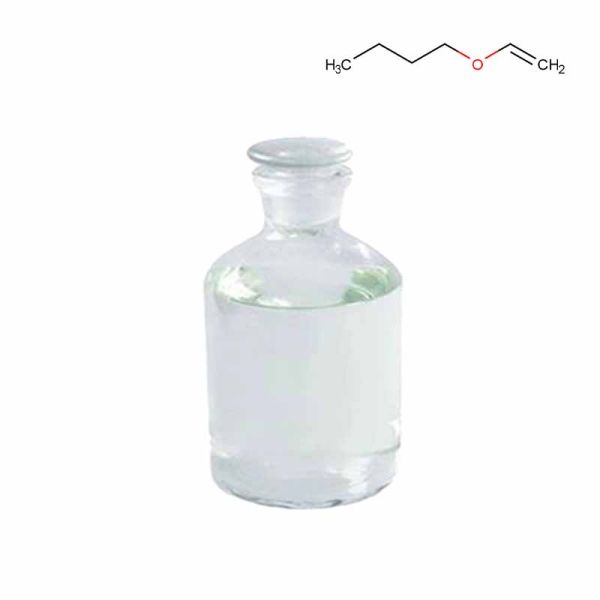
n-Butyl vinyl ether CAS#111-34-2
n-Butyl vinyl ether<br/>c; o; l; o; r; l; e; s; s; ,; ; t; r; a; n; s; p; a; r; e; n; t; ; l; i; q; u; i; d<br/><br/>n-Butyl vinyl ether is a colorless, transparent liquid with an ether-like odor and limited water solubility. Its compatibility with most organic solvents supports chemical synthesis and polymer formulation work. Used as a reactive intermediate and comonomer, it participates in copolymers and acrylic or vinyl acetate resin systems for coatings and adhesives, as well as pharmaceutical intermediate preparation.
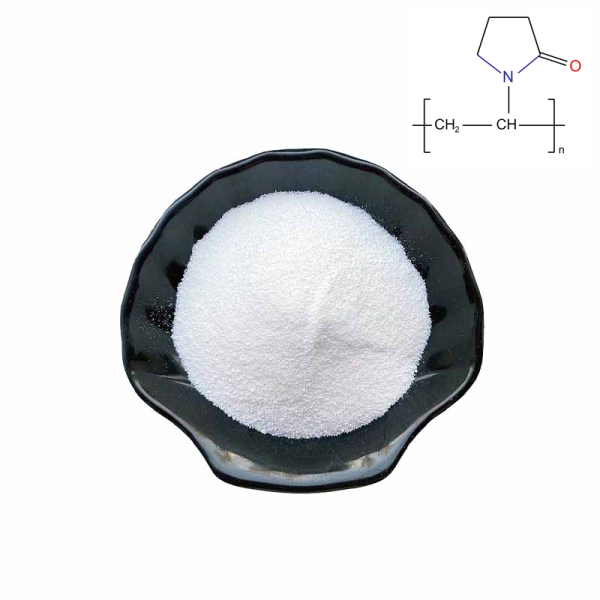
Polyvinylpyrrolidone CAS#9003-39-8
Polyvinylpyrrolidone<br/>PVP<br/>s; l; i; g; h; t; l; y; ; o; d; o; r; o; u; s; ,; ; h; y; g; r; o; s; c; o; p; i; c; ; w; h; i; t; e; ; p; o; w; d; e; r<br/><br/>Polyvinylpyrrolidone, or PVP, is a hygroscopic polymer powder soluble in water and ethanol. Its complexing, binding, dispersing and film-forming properties support compatible aqueous and alcoholic formulations. Typical uses include cosmetics, printing inks, biological reagents and stabilization during silver nanowire synthesis. Unlike insoluble cross-linked clarifying polymers, dissolved PVP is not separated from a solution by ordinary filtration.
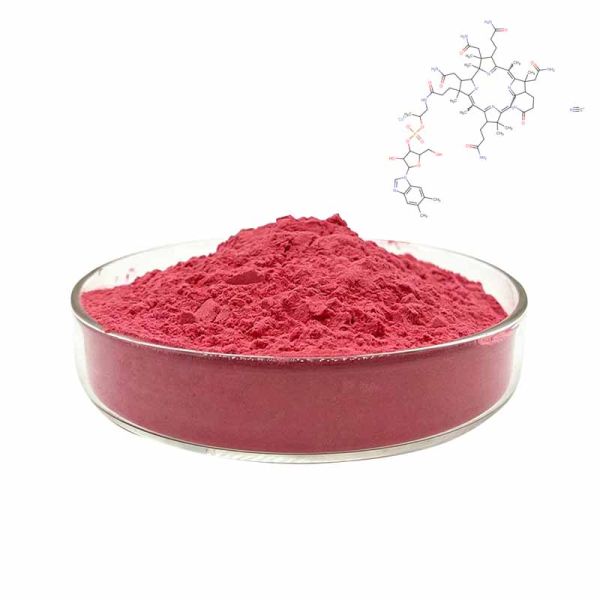
Vitamin B12 CAS#68-19-9
Vitamin B12<br/>cobalamin<br/>VB12<br/>r; e; d; ; c; r; y; s; t; a; l; s<br/><br/>Vitamin B12, also known as cobalamin, is a cobalt-containing vitamin that forms distinctive red crystals. Its complex molecular structure incorporates a corrin ring surrounding a cobalt center, distinguishing it from other vitamins. The supplied material places it in nutritional and pharmaceutical formulations, where its identity as a cobalt-containing biochemical ingredient is the central product characteristic.
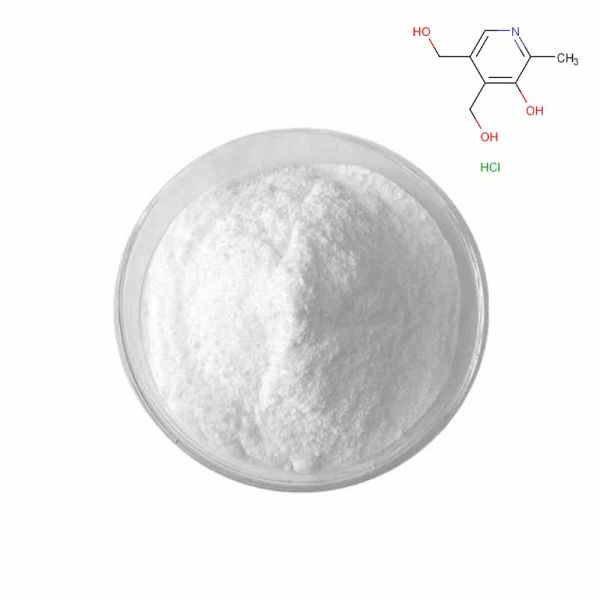
Pyridoxine hydrochloride CAS#58-56-0
Pyridoxine hydrochloride<br/>Vitamin B6<br/>Pyridoxine<br/>w; h; i; t; e; ; c; r; y; s; t; a; l; l; i; n; e; ; p; o; w; d; e; r<br/><br/>Pyridoxine hydrochloride is the hydrochloride salt form of vitamin B6, supplied as a white crystalline powder. It is soluble in water and alcohols and remains stable in air, although exposure to sunlight can cause deterioration. Typical applications include pharmaceutical raw materials, derivative synthesis, biological research and incorporation into fortified foods, animal feed and cosmetic formulations.
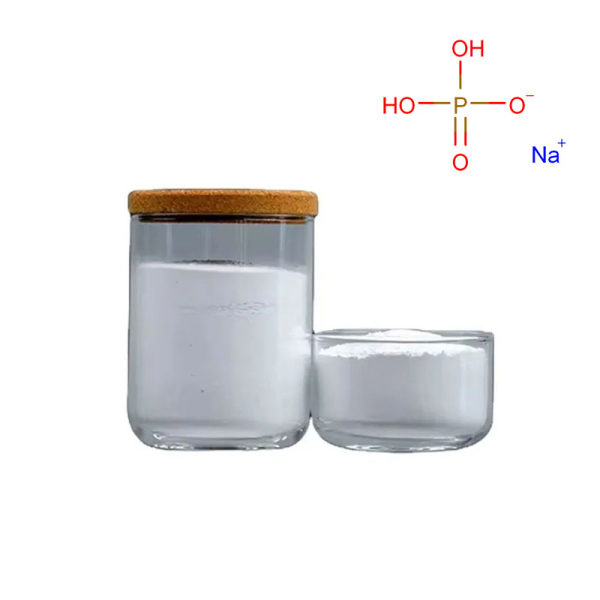
Sodium phosphate monobasic CAS#7558-80-7
Sodium phosphate monobasic<br/>w; h; i; t; e; ; p; o; w; d; e; r; ; o; r; ; g; r; a; n; u; l; e; s; ;; ; c; o; l; o; r; l; e; s; s; ; t; o; ; w; h; i; t; e; ; c; r; y; s; t; a; l; s; ; o; r; ; c; r; y; s; t; a; l; l; i; n; e; ; p; o; w; d; e; r<br/><br/>Monobasic sodium phosphate forms acidic aqueous solutions and is poorly soluble in ethanol. The source distinguishes anhydrous powder or granules from crystalline hydrated forms. Its application areas include buffering, analytical reagents, sequestration, emulsification and dye mordanting. Additional industrial uses extend to ceramics, enamels, detergents and boiler chemicals, with the required hydration state determined by the particular formulation.
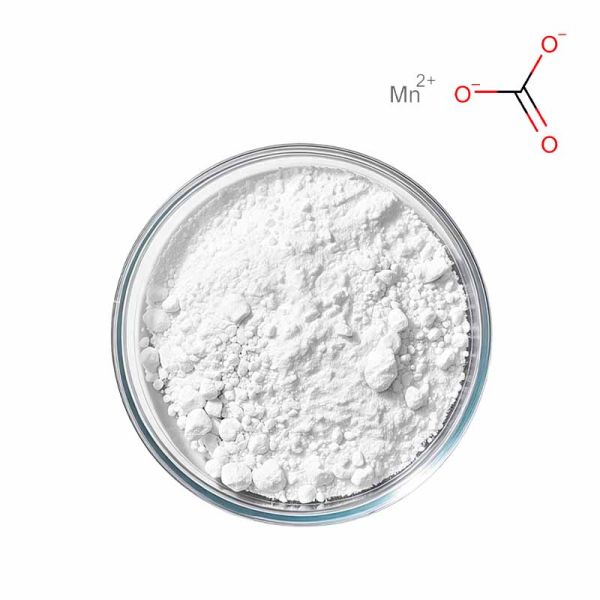
Manganese Carbonate CAS#598-62-9
Manganese Carbonate<br/>Manganese(II) carbonate<br/>MnCO₃•H₂O<br/>p; a; l; e; ; p; i; n; k; ; p; r; e; c; i; p; i; t; a; t; e; ;; ; m; o; n; o; h; y; d; r; a; t; e<br/><br/>Manganese carbonate is a manganese compound associated with the mineral rhodochrosite and obtainable synthetically as a pale pink precipitate. The supplied preparation specifically describes a monohydrate form. Industrial applications include manganese-containing fertilizer formulations, ceramic glaze coloration and fluxing, and concrete staining, making it relevant where a manganese source is required for agricultural or materials processing.
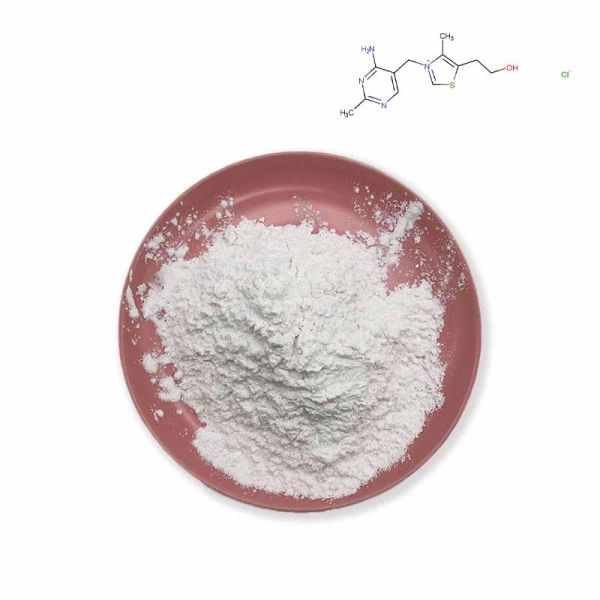
Thiamine chloride CAS#59-43-8
Thiamine chloride<br/>Vitamin B1<br/>Thiamine<br/><br/>Thiamine chloride is identified in the supplied material with thiamine, or vitamin B1, and its pharmaceutical applications. Its biochemical significance centers on conversion to thiamine diphosphate, a coenzyme associated with carbohydrate metabolism. The description is primarily pharmacological and does not specify the supplied material's appearance, solubility, hydration state or other physical characteristics for formulation selection.
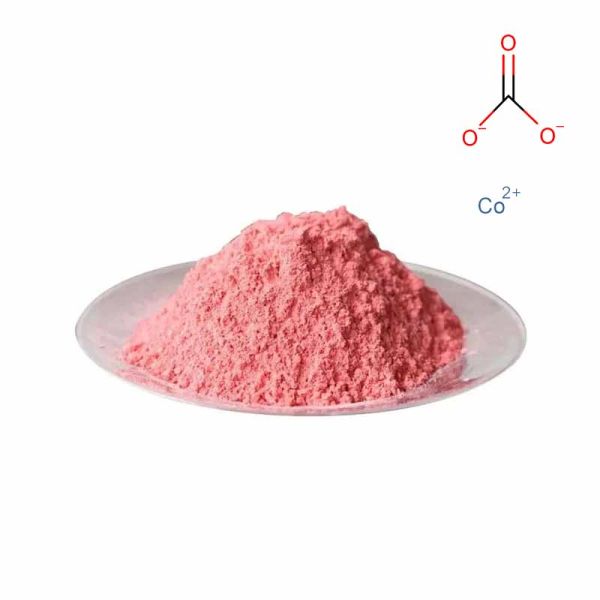
Cobalt Carbonate CAS#513-79-1
Cobalt Carbonate<br/>Cobalt(II) carbonate<br/>CoCO₃<br/>r; e; d; d; i; s; h; ; p; a; r; a; m; a; g; n; e; t; i; c; ; s; o; l; i; d; ;; ; r; e; d; -; t; o; -; p; i; n; k; ; m; i; n; e; r; a; l<br/><br/>Cobalt carbonate is a reddish, paramagnetic cobalt compound occurring naturally as spherocobaltite. It serves as an intermediate in hydrometallurgical cobalt processing and as a precursor for other cobalt salts and catalysts. Typical applications include ceramic materials, inorganic pigments and temperature indicators, with additional use as a cobalt source in selected agricultural and animal feed formulations.
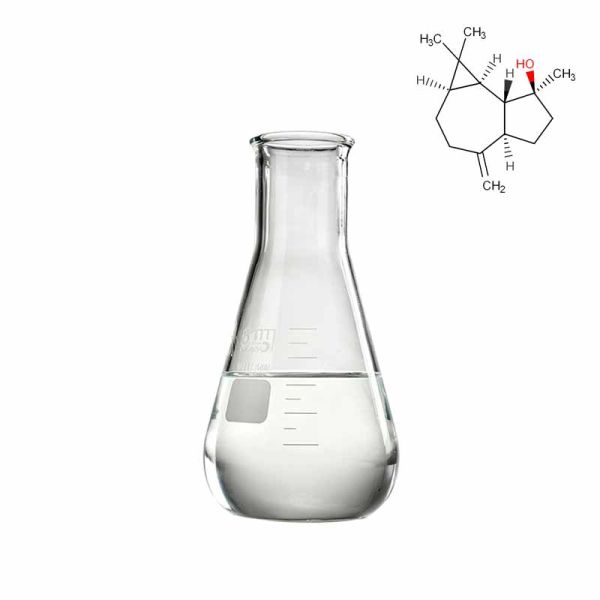
SPATHULENOL CAS#6750-60-3
SPATHULENOL<br/><br/>Spathulenol is a naturally occurring tricyclic sesquiterpenoid found in volatile oils and plant metabolites. Its molecular framework combines a tertiary alcohol group with olefinic functionality, providing chemically distinct features for natural product investigations. It is used in phytochemical and pharmaceutical research, including studies of plant-derived compounds and laboratory characterization of their biological and antioxidant behavior.
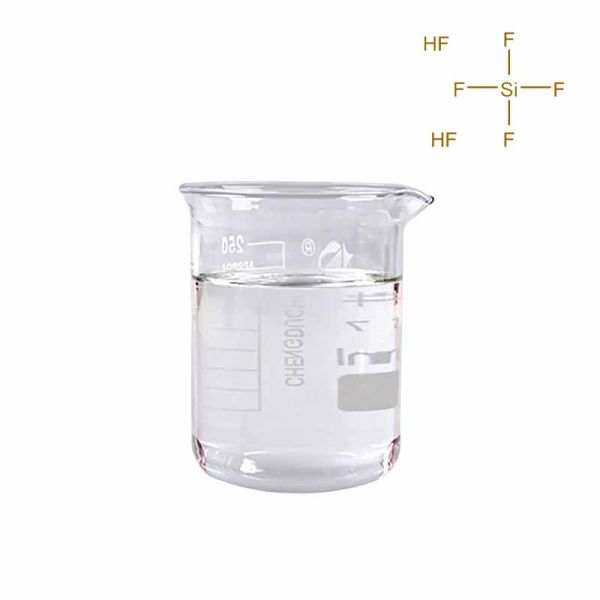
Hexafluorosilicic acid CAS#16961-83-4
Hexafluorosilicic acid<br/><br/>Hexafluorosilicic acid is an inorganic acid used as a fluoride-containing feedstock in chemical manufacture. It supports production of aluminum fluoride, cryolite and hexafluorosilicate salts, alongside selected water treatment applications. Its chemical reactivity also supports selective cleavage of silicon–oxygen bonds in silyl ethers, while other identified uses include wood preservation and calcium carbonate surface modification.
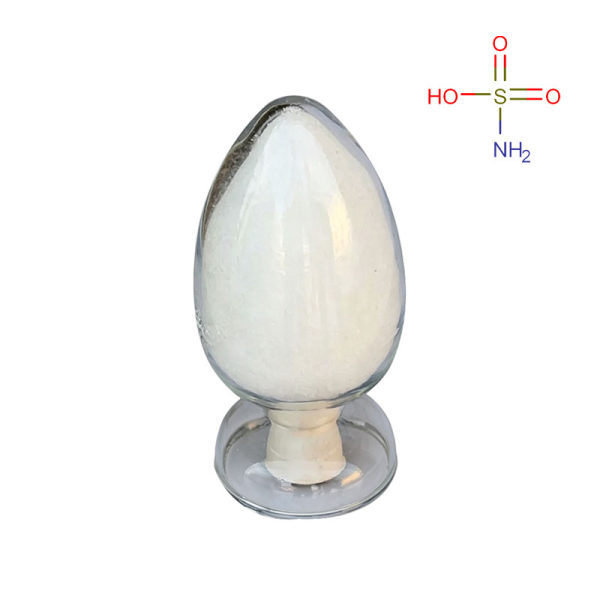
Sulfamic acid CAS#5329-14-6
Sulfamic acid<br/>w; h; i; t; e; ; f; l; a; k; y; ; c; r; y; s; t; a; l; l; i; n; e; ; s; o; l; i; d<br/><br/>Sulfamic acid is an odorless, nonvolatile white crystalline solid that dissolves readily in water to produce strongly acidic solutions. It is used in chemical cleaning to remove carbonate and phosphate scale and eliminate nitrite residues. As a synthesis reagent and catalyst, it also supports quinoline preparation, ketoxime rearrangement and multicomponent routes to aminophosphonate compounds.
Send Us Your Inquiry Today