






Navigation
Send Us A Message
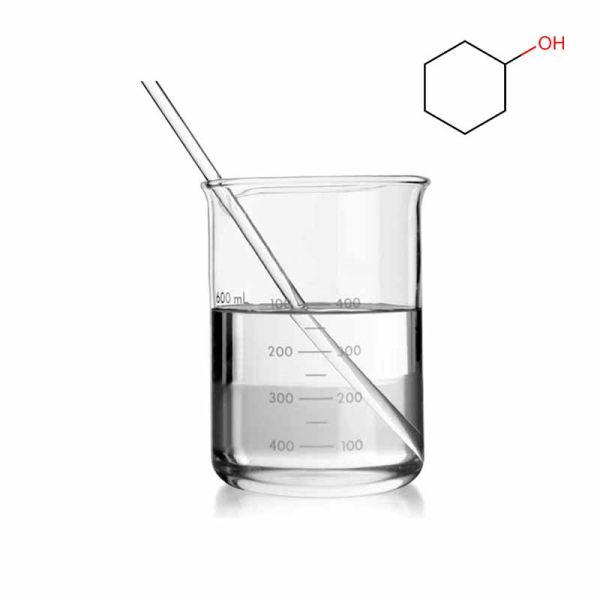
Cyclohexanol CAS#108-93-0
Cyclohexanol<br/>c; l; e; a; r; ,; ; c; o; l; o; r; l; e; s; s; ; t; o; ; l; i; g; h; t; ; y; e; l; l; o; w; ,; ; v; i; s; c; o; u; s; ,; ; h; y; g; r; o; s; c; o; p; i; c; ; l; i; q; u; i; d<br/><br/>Cyclohexanol is a hygroscopic, viscous liquid ranging from colorless to pale yellow, with a characteristic camphor-like odor. Its solvent action extends to cellulose ethers, shellac, ester gum, silicones and polyvinyl chloride, while compatibility with oils and hydrocarbon solvents supports industrial formulations. It also serves as a feedstock for cyclohexanone, adipic acid and nylon-related chemical production.
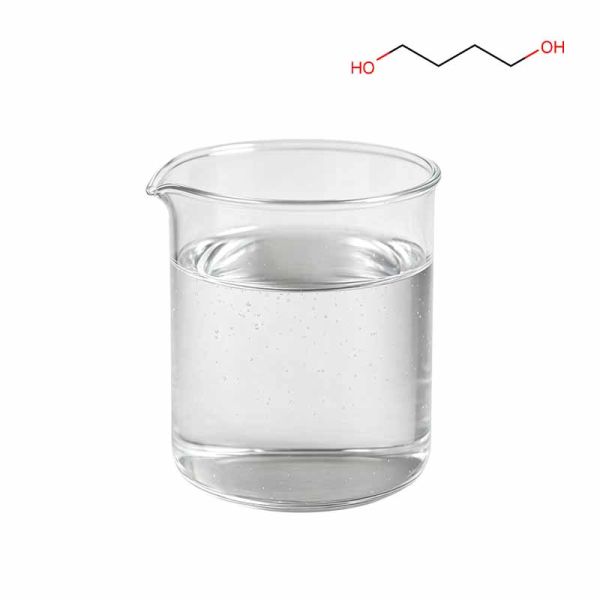
1,4-Butanediol CAS#110-63-4
1,4-Butanediol<br/>BDO<br/>1,4-BD<br/>c; o; l; o; r; l; e; s; s; ; v; i; s; c; o; u; s; ; l; i; q; u; i; d<br/><br/>1,4-Butanediol, commonly abbreviated BDO, is a colorless, viscous liquid with reactive hydroxyl groups at both ends of its molecule. These groups make it a building block for polyesters, polyurethanes and polycarbonates. Typical downstream products include tetrahydrofuran, polyether polyols, engineering plastics and gamma-butyrolactone, with further applications in elastic fibers, coatings, adhesives and polyester plasticizers.
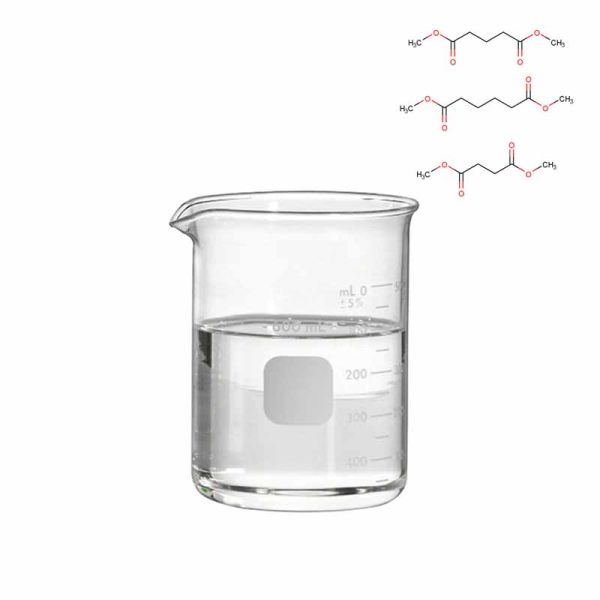
DBE DIBASIC ESTER CAS#95481-62-2
DBE DIBASIC ESTER<br/><br/>DBE dibasic ester is a clear, colorless solvent blend containing dimethyl succinate, dimethyl glutarate and dimethyl adipate. Its relatively high boiling range and slow evaporation provide working time for coating flow and leveling. Typical applications include compatible resin and binder systems in paints, printing inks and adhesives, together with formulated industrial cleaners for oils, grease and resin residues.
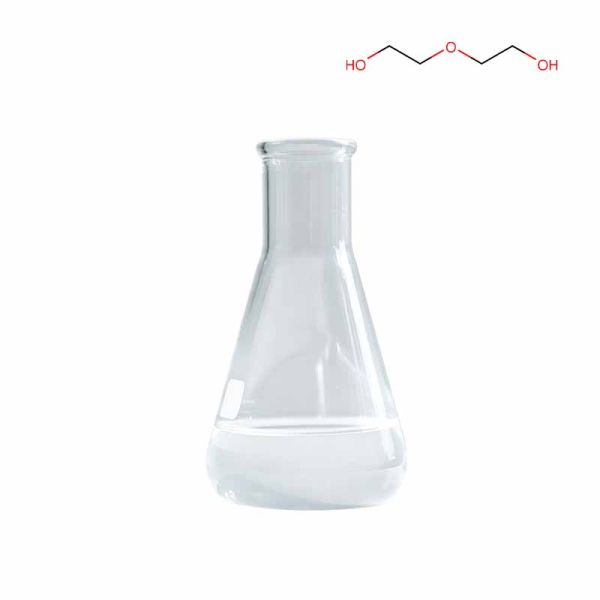
Diethylene glycol CAS#111-46-6
Diethylene glycol<br/>DEG<br/>c; l; e; a; r; ,; ; n; o; n; -; v; o; l; a; t; i; l; e; ,; ; n; o; n; -; c; o; r; r; o; s; i; v; e; ; o; i; l; y; ; l; i; q; u; i; d<br/><br/>Diethylene glycol, or DEG, is a clear, oily, hygroscopic liquid with low volatility and broad solvent compatibility. It dissolves dyes, resins, oils and nitrocellulose, supporting textile conditioning, printing inks and wood stains. Its moisture affinity also suits paper and adhesive softening, while industrial applications include lubricants and natural gas dehydration systems used alongside monoethanolamine.
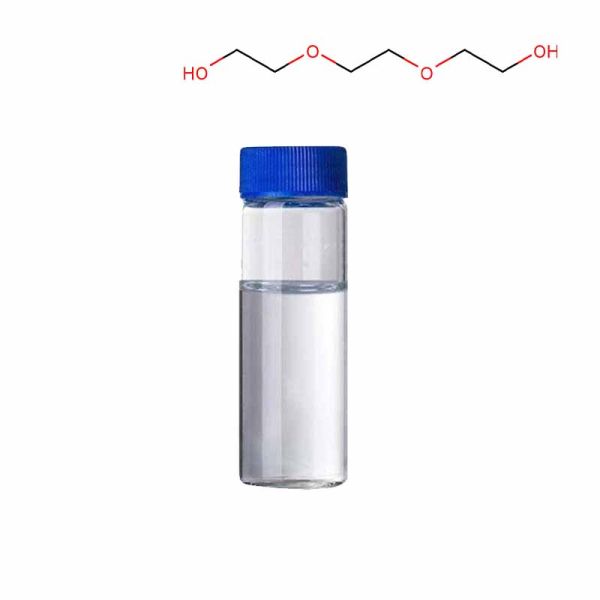
Triethylene glycol CAS#112-27-6
Triethylene glycol<br/>TEG<br/>c; l; e; a; r; ,; ; v; i; s; c; o; u; s; ,; ; s; l; i; g; h; t; l; y; ; s; w; e; e; t; ; l; i; q; u; i; d<br/><br/>Triethylene glycol, commonly called TEG, is a clear, viscous liquid distinguished by strong moisture absorption, low volatility and a high boiling character. It dissolves in water but is immiscible with hydrocarbons. Used principally as a liquid desiccant in natural gas processing and air dehumidification, it also serves in printing inks, wood stains, plasticizers and hydraulic fluid formulations.
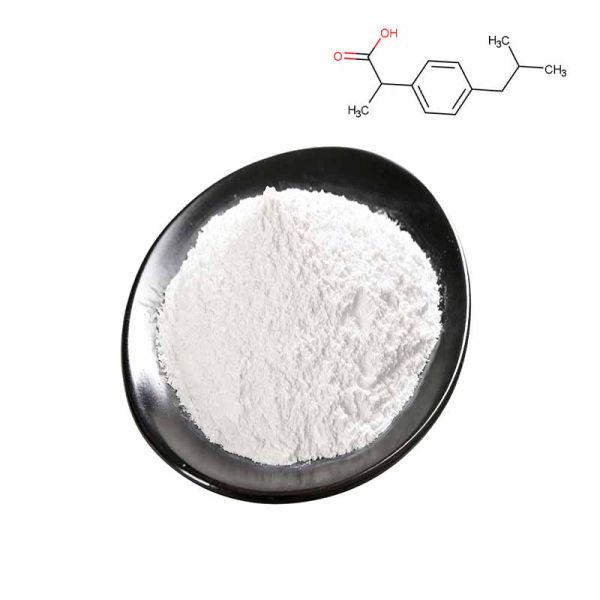
Ibuprofen CAS#15687-27-1
Ibuprofen<br/><br/>Ibuprofen is identified in the supplied material as a nonsteroidal anti-inflammatory pharmaceutical compound. Its biochemical profile is associated with prostaglandin synthase and cyclooxygenase inhibition, providing the basis for its pharmaceutical applications. The available description focuses on this pharmacological classification rather than chemical processing characteristics and does not establish an appearance, solubility profile or particular supplied solid form.
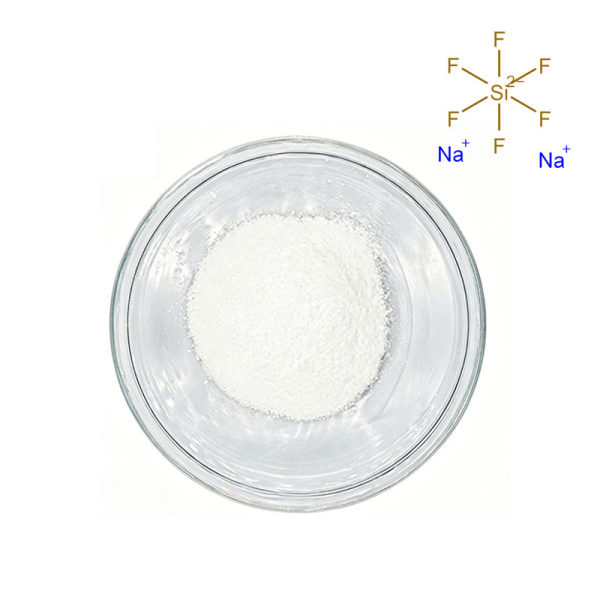
Sodium Fluorosilicate CAS#16893-85-9
Sodium Fluorosilicate<br/>w; h; i; t; e; ; c; r; y; s; t; a; l; s; ,; ; c; r; y; s; t; a; l; l; i; n; e; ; p; o; w; d; e; r; ,; ; o; r; ; c; o; l; o; r; l; e; s; s; ; h; e; x; a; g; o; n; a; l; ; c; r; y; s; t; a; l; s<br/><br/>Sodium fluorosilicate, also known as sodium hexafluorosilicate, is a hygroscopic crystalline material supplied as white powder or colorless crystals. It is only slightly soluble in water and decomposes under alkaline conditions. Industrial uses include fluoride chemical manufacture, opal glass production, ore processing, flotation, wet etching, brazing fluxes and welding compounds, as well as concrete-related formulations.
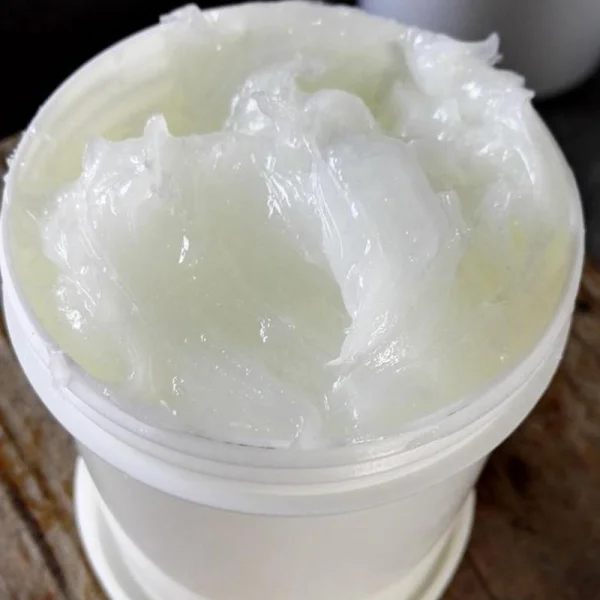
Petrolatum CAS#8009-03-8
Petrolatum<br/>s; e; m; i; -; s; o; l; i; d; ; m; i; x; t; u; r; e; ; o; f; ; h; y; d; r; o; c; a; r; b; o; n; s<br/><br/>Petrolatum is a semisolid hydrocarbon mixture whose consistency supports spreading and the formation of protective surface layers. Its emollient and barrier-forming characteristics make it useful as a formulation ingredient in cosmetics and pharmaceutical products. Beyond these uses, the same semisolid composition and physical protective properties support incorporation into a range of industrial preparations.
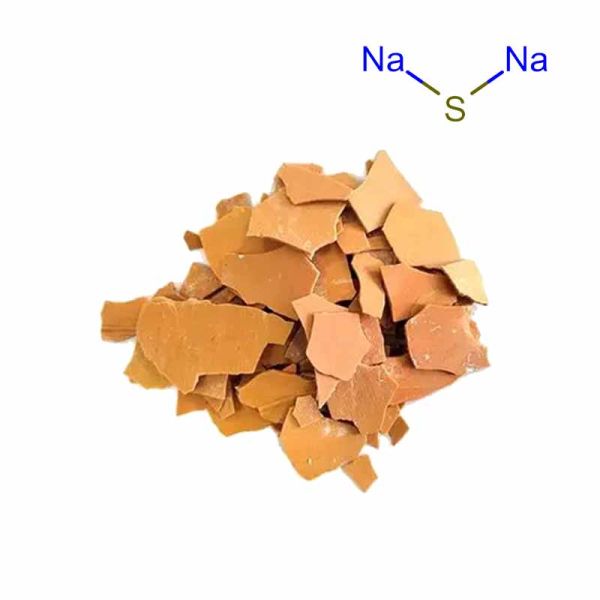
Sodium Sulfide CAS#1313-82-2
Sodium Sulfide<br/>Na₂S<br/>c; o; l; o; r; l; e; s; s; ; s; a; l; t; s; ;; ; y; e; l; l; o; w; ; t; o; ; b; r; i; c; k; -; r; e; d; ; c; r; y; s; t; a; l; l; i; n; e; ; s; o; l; i; d; ; o; r; ; f; u; s; e; d; ; m; a; s; s; ;; ; i; n; d; u; s; t; r; i; a; l; ; g; r; a; d; e; s; ; p; i; n; k; ,; ; r; e; d; d; i; s; h; -; b; r; o; w; n; ,; ; o; r; ; y; e; l; l; o; w; i; s; h; -; b; r; o; w; n<br/><br/>Sodium sulfide is a water-soluble industrial salt that forms strongly alkaline solutions. Anhydrous and hydrated forms are encountered, with commercial material showing yellow, reddish or brownish coloration. Its reactive and reducing character supports sulfur dye production and textile processing. Other applications include ore flotation, leather depilation, paper digestion and selected pigment and rubber processing operations.
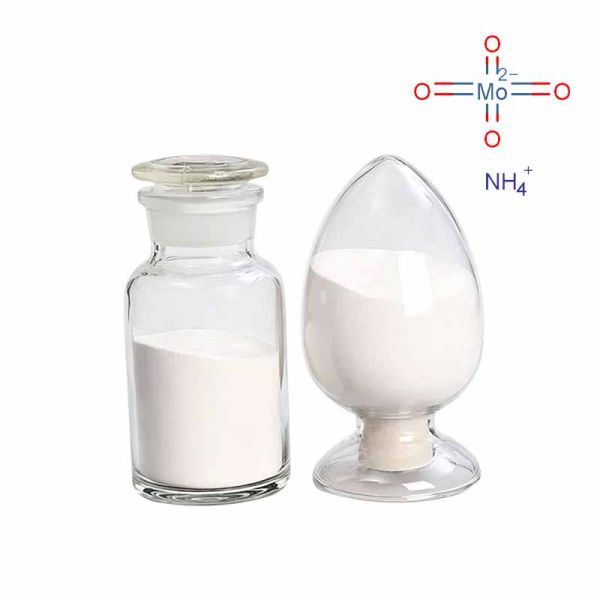
Ammonium Molybdate CAS#13106-76-8
Ammonium Molybdate<br/>c; o; l; o; r; l; e; s; s; ,; ; w; h; i; t; e; ,; ; o; r; ; p; a; l; e; ; g; r; e; e; n; i; s; h; -; y; e; l; l; o; w; ; p; o; w; d; e; r<br/><br/>Ammonium molybdate is a pale powder with water solubility and complex-forming behavior useful in chemical analysis. In nitric acid media, it supports phosphorus determination through phosphomolybdate precipitation. Additional applications include analytical separation, catalyst preparation, steel surface treatment, pigments and molybdenum-based materials, together with agricultural formulations where a molybdenum source is required.
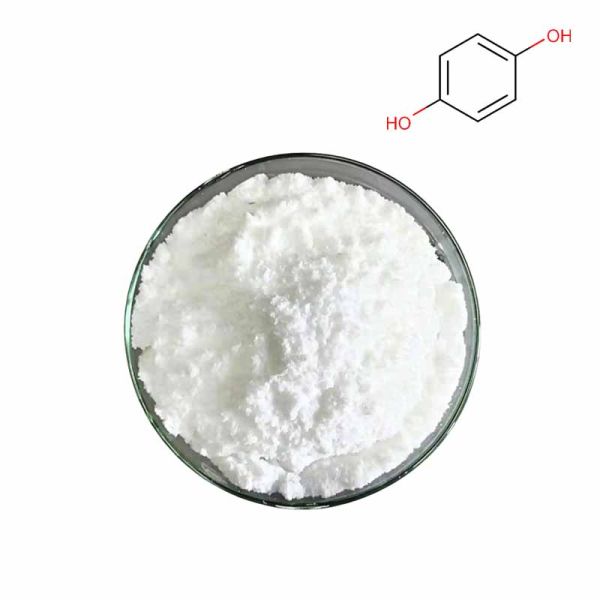
Hydroquinone CAS#123-31-9
Hydroquinone<br/>c; o; l; o; r; l; e; s; s; ; o; r; ; w; h; i; t; e; ; c; r; y; s; t; a; l; l; i; n; e; ; s; o; l; i; d<br/><br/>Hydroquinone is a colorless to white crystalline compound that dissolves readily in hot water, ethanol and ether. Exposure to air and light causes darkening through oxidation, particularly in alkaline media. Its reducing behavior supports photographic development, colorimetric and electrochemical analysis, antioxidant formulations and desulfurization, while esterification and substitution reactions provide routes to further organic derivatives.
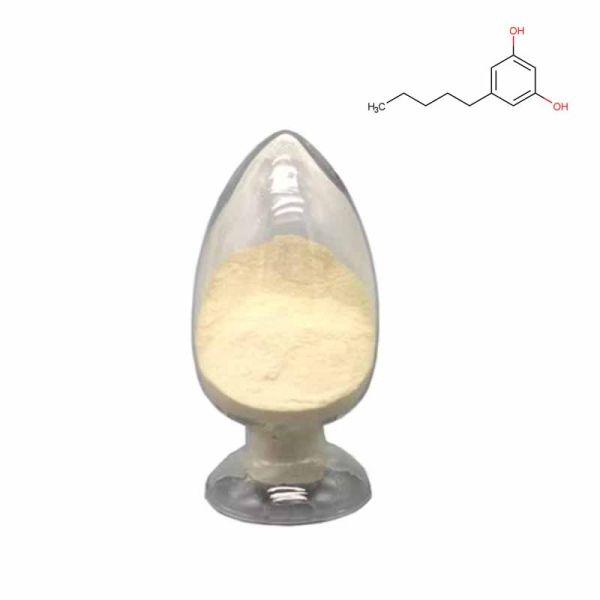
Olivetol CAS#500-66-3
Olivetol<br/>5-pentylbenzene-1,3-diol<br/>C₁₁H₁₆O₂<br/><br/>Olivetol is a phenolic compound also identified as 5-pentylbenzene-1,3-diol. Its phenolic identity makes it relevant to organic chemistry investigations involving related compounds and derivatives. Supplied for laboratory research rather than as a finished pharmaceutical product, it is used in phenolic compound studies and intermediate chemistry; the source does not specify its appearance or solvent behavior.
Send Us Your Inquiry Today