






Navigation
Send Us A Message
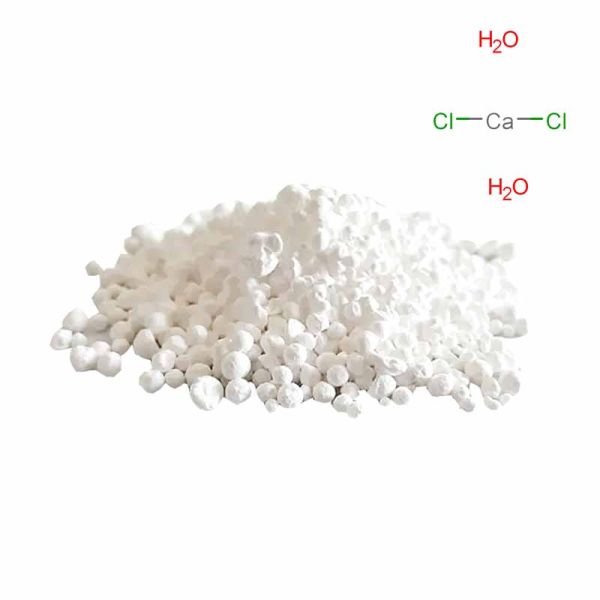
Calcium chloride dihydrate CAS#10035-04-8
Calcium chloride dihydrate<br/><br/>Calcium chloride dihydrate is a hydrated inorganic salt with strong moisture absorption. The dihydrate form is used as a desiccant, de-icing and dust-suppression material, cooling brine, ice-making aid, cement-processing ingredient, food additive, and pool-water hardness adjuster. It also supports biotechnology workflows involving cell-membrane permeability and serves as a calcium source in medical preparations.
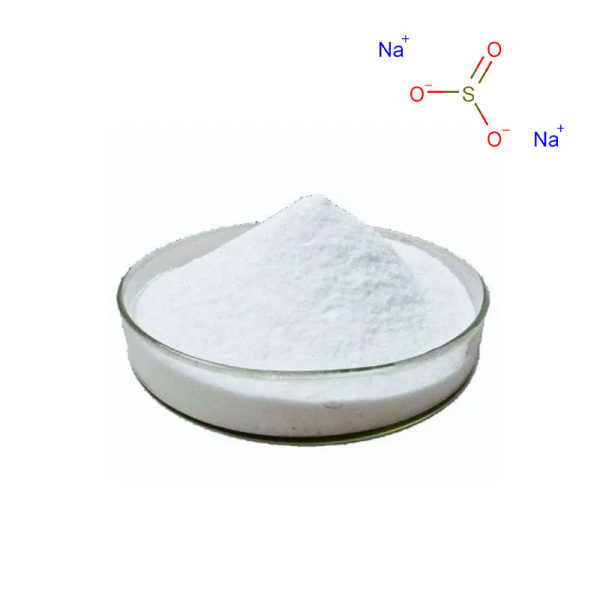
Sodium Sulfite CAS#7757-83-7
Sodium Sulfite<br/><br/>Sodium sulfite is a water-soluble reducing sodium salt with bleaching, dechlorination, desulfurization, and oxygen-scavenging functions. It is used in pulp and paper, textile post-bleaching, water treatment, chromium-containing wastewater treatment, leather processing, photography, and pharmaceutical preparations. Food and beverage applications include preservation, bleaching, antioxidant use, and fermentation control in suitable formulations.
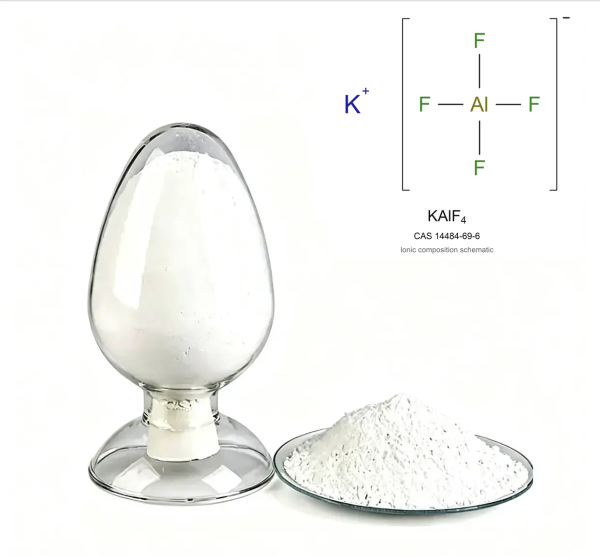
Potassium fluoroaluminate CAS#14484-69-6
Potassium fluoroaluminate<br/>fine powder<br/><br/>Potassium fluoroaluminate is a chemically stable fine powder used as a fluorine-containing flux and processing auxiliary. It supports aluminum and aluminum-alloy treatment, brazing, welding, and metal-surface operations. In ceramics and glass it contributes to glaze and flux formulations, while in chemical manufacturing it serves as an intermediate or raw material for pesticide-related production.
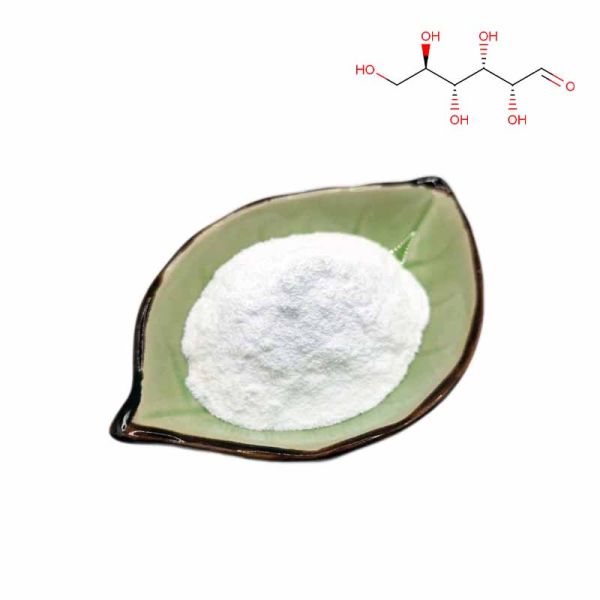
D(+)-Glucose CAS#50-99-7
D(+)-Glucose<br/>dextrorotatory glucose<br/><br/>D(+)-Glucose, also called dextrose, is the biologically active stereoisomer of glucose and occurs in open-chain and cyclic forms. It is produced commercially by enzymatic starch hydrolysis from sources such as corn, potatoes, wheat, sugarcane, and sugar beet. Applications include food and pharmaceutical formulations, glucose syrups and powders, nutrient replacement products, and biochemical research on energy metabolism.
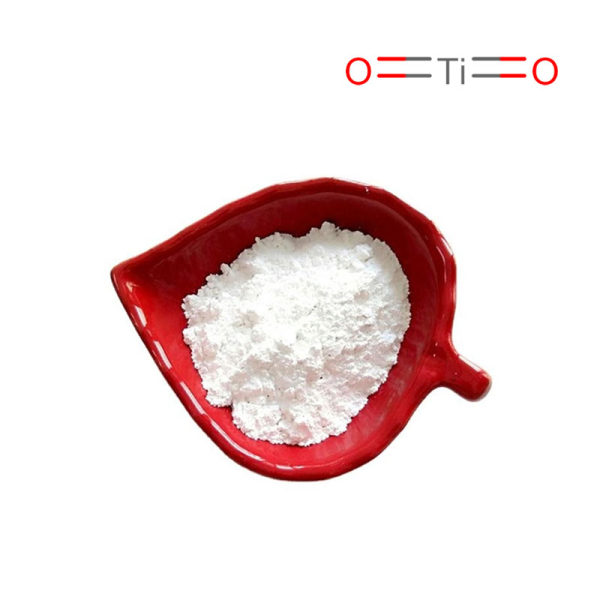
Titanium dioxide CAS#13463-67-7
Titanium dioxide<br/><br/>Titanium dioxide is a white pigment and functional additive valued for opacity, brightness, light scattering, UV stability, heat resistance, and chemical inertness. Rutile, anatase, micro, and nano grades support different formulations. It is used in paints, coatings, plastics, paper, textiles, rubber, ceramics, inks, adhesives, cosmetics, food-coloring systems, and pharmaceutical tablet or capsule coatings.
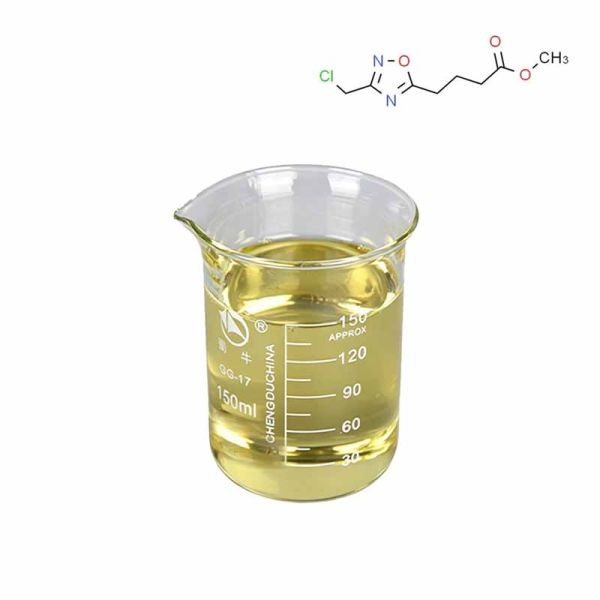
Fatty Acids, Soya CAS#68308-53-2
Fatty Acids, Soya<br/>light yellow, transparent, oil-like liquid<br/><br/>Soybean fatty acids are a mixed fatty-acid product derived from soybean oil, appearing as a light-yellow oil-like liquid that may partly solidify at low temperature. It contains predominantly unsaturated fatty acids alongside smaller saturated fractions. Uses include margarine, shortening, cocoa-butter substitutes, soaps, detergents, esters, paints, inks, pharmaceutical intermediates, surfactants, lubricants, plasticizers, supplements, and biodiesel.
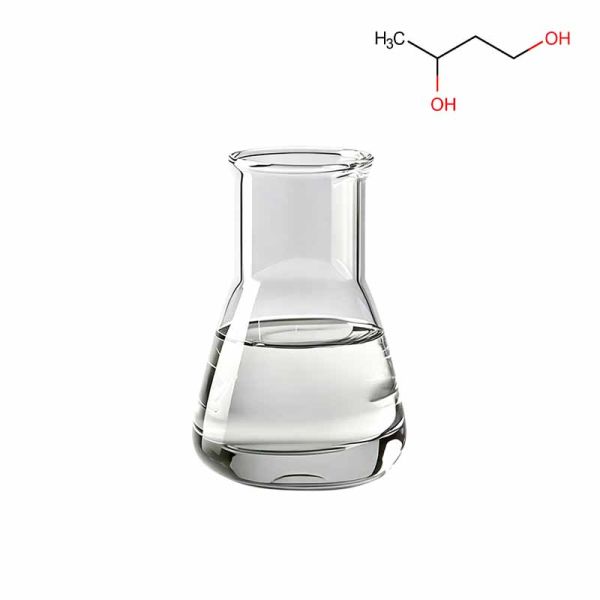
1,3-Butanediol CAS#107-88-0
1,3-Butanediol<br/><br/>1,3-Butanediol is a secondary alcohol used as a solvent, humectant, and chemical intermediate. It participates in surfactant, ink, flavoring-solvent, polyurethane, polyester, and plasticizer production, and helps retain moisture in cosmetic products such as hair sprays and setting lotions. It is also used in saturated polyester coatings, structural materials, custom moldings, construction sheets, and selected pharmaceutical synthesis.
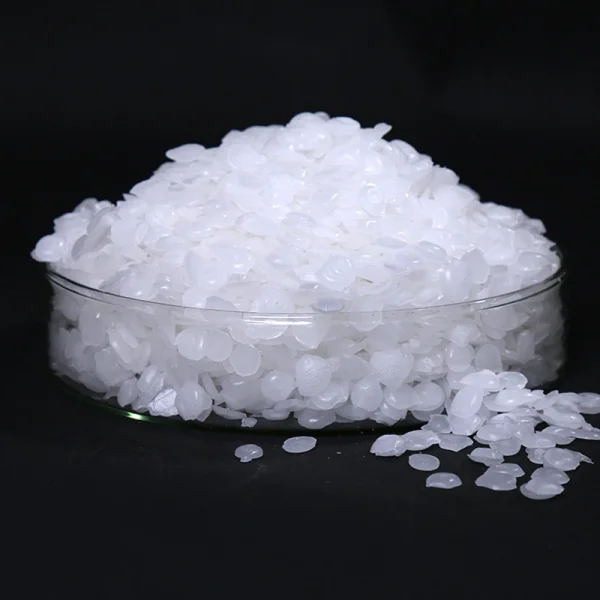
Paraffin Wax CAS#8002-74-2
Paraffin Wax<br/>white to light yellow translucent solid; liquid paraffin; solid paraffin; microcrystalline paraffin<br/><br/>Paraffin wax is a petroleum-derived blend of straight-chain saturated hydrocarbons, usually supplied as a white to light-yellow translucent solid. Its stable, neutral character and thermal-storage behavior support paper sizing, waterproof and oil-resistant coatings, rubber release and antioxidant systems, textile finishing and batik, casting, plastics, electronics, packaging, construction thermal storage, agriculture, and specialty camouflage materials.
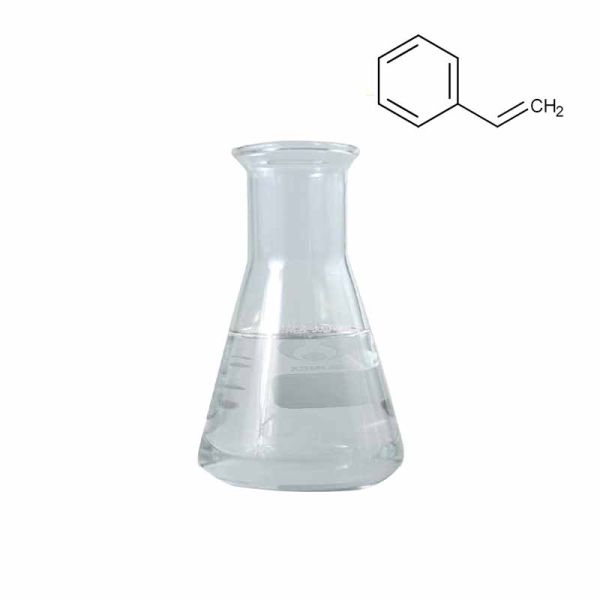
Styrene CAS#100-42-5
Styrene<br/>C8H8<br/>clear, colorless liquid<br/><br/>Styrene is a clear, colorless vinyl aromatic liquid and an essential monomer for synthetic materials. Its benzene-ring and vinyl-group structure supports polymerization into styrene-based materials. It is used for synthetic rubber, polystyrene, ABS, SAN, thermoplastic elastomers, adhesives, coatings, styrene-acrylic emulsions, polymer modifiers, dye and pesticide intermediates, fragrances, and metal-plating additives.
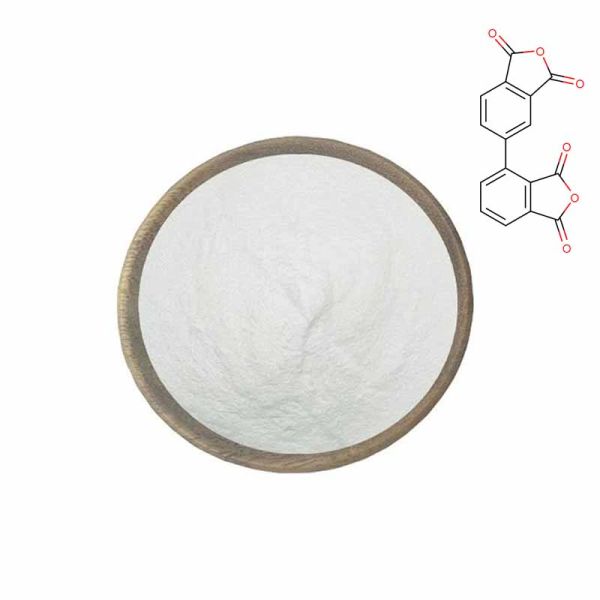
2,3,3,4-biphenyl tetracarboxylic dianhydride CAS#36978-41-3
2,3,3,4-biphenyl tetracarboxylic dianhydride<br/><br/>2,3,3,4-Biphenyl tetracarboxylic dianhydride, or a-BPDA, is a high-performance dianhydride used to prepare asymmetric biphenyl polyimides. The resulting materials offer heat, solvent, radiation, mechanical, and dielectric resistance. Applications include high-temperature films and advanced polymer research, including studies of glass-transition behavior, chain conformation, dielectric performance, and long-lived luminescent diimide derivatives.
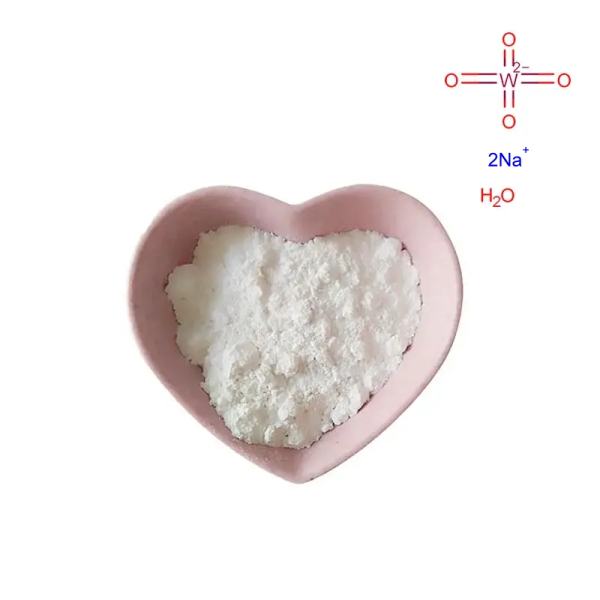
Sodium Tungstate Dihydrate CAS#10213-10-2
Sodium Tungstate Dihydrate<br/>white crystalline powder or colorless to white rhombic crystal<br/><br/>Sodium tungstate dihydrate is a white crystalline powder or colorless-to-white crystal with high water solubility and a weakly alkaline solution. The hydrate gradually loses crystal water on heating and forms tungstic acid precipitates with strong acids. It is used in steel electroplating, metal-surface treatment, petrochemical catalysis, tungsten-oxide and tungsten-carbide preparation, analytical testing, pharmaceutical research, and trace-element fertilizer systems.
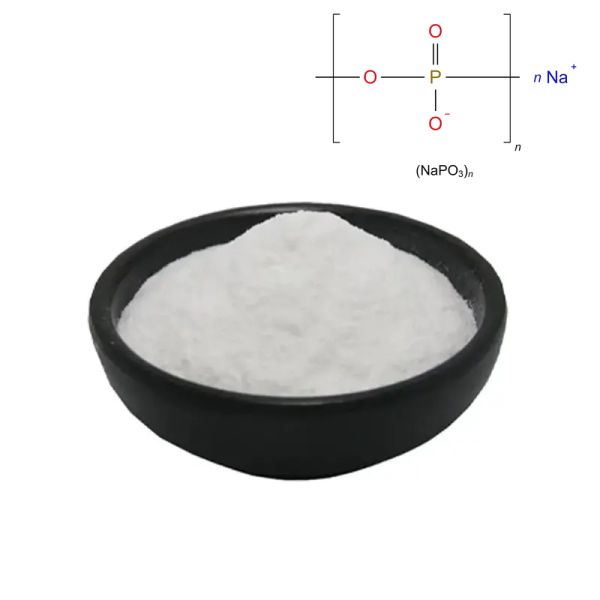
Sodium metaphosphate CAS#10361-03-2
Sodium metaphosphate<br/><br/>Sodium metaphosphate is an inorganic phosphate used to regulate and buffer pH in food, water treatment, detergents, and chemical formulations. It helps resist abrupt acidity or alkalinity changes and improves process stability. Additional uses include water softening, detergent building, chemical catalysis, textile mordanting, dye fixation, and coating or surface-treatment systems requiring controlled pH and corrosion-related performance.
Send Us Your Inquiry Today