






Navigation
Send Us A Message
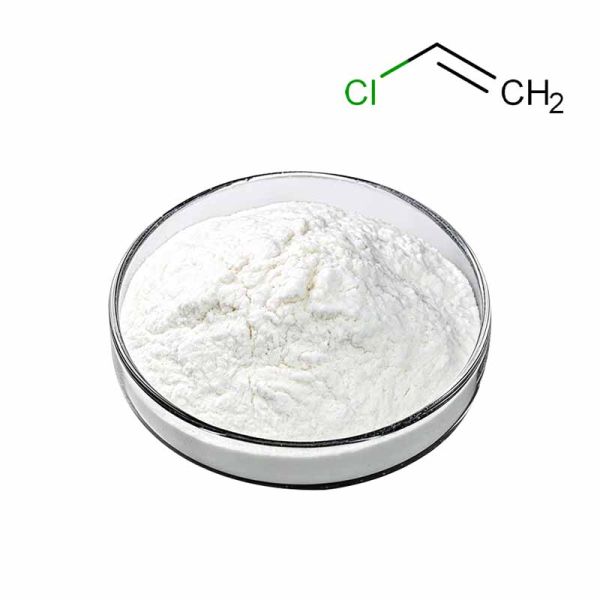
Polyvinyl Chloride Paste Resin CAS#9002-86-2
Polyvinyl Chloride Paste Resin<br/>white-light yellow powder<br/><br/>Polyvinyl chloride paste resin is a fine PVC powder that disperses in plasticizers to form a smooth, stable paste. The resulting processing behavior supports controlled viscosity and surface finish. It is used in flexible and rigid PVC products including coatings, films, wires, cables, artificial leather, foam insulation, seals, construction materials, chemical equipment, agriculture products, and molded consumer goods.
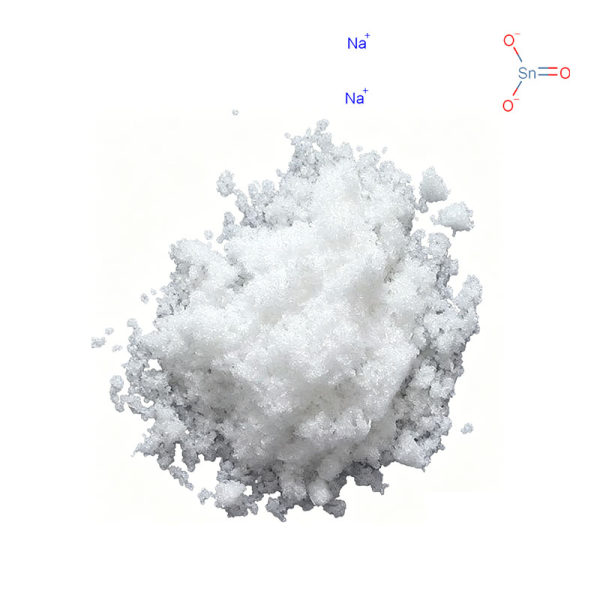
Sodium stannate CAS#12058-66-1
Sodium stannate<br/>colorless hexagonal crystals or white powder<br/><br/>Sodium stannate is supplied as colorless crystals or white powder, soluble in water and insoluble in alcohol and acetone. Hydrated material loses crystal water on heating, while atmospheric carbon dioxide can promote formation of sodium carbonate and tin hydroxide. It is used as a dyeing mordant, ceramic and glass additive, tin source for electroplating, textile fireproofing agent, peroxide stabilizer, blueprint-paper material, and laboratory reagent.
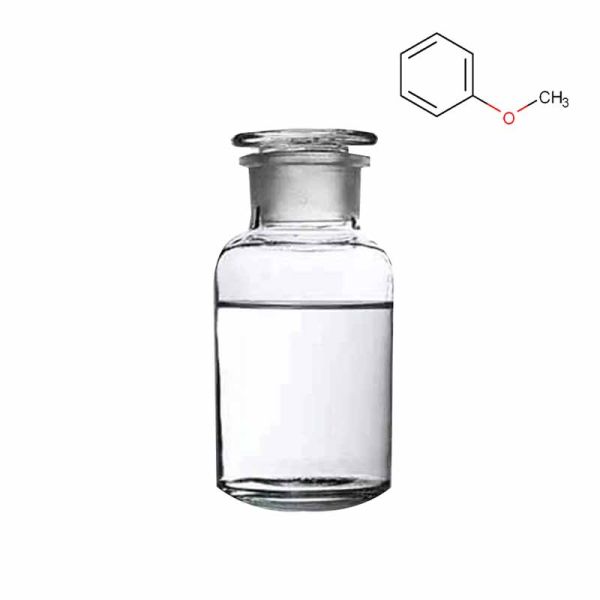
Anisole CAS#100-66-3
Anisole<br/>colorless transparent liquid<br/><br/>Anisole, or methoxybenzene, is a colorless transparent aromatic liquid insoluble in water but readily soluble in ethanol, ether, and most organic solvents. Its stability and solvent behavior support organic synthesis and analytical work. It is used in fragrances and perfumes and as an intermediate for perfumery raw materials and agrochemicals, including pesticide-related synthesis.
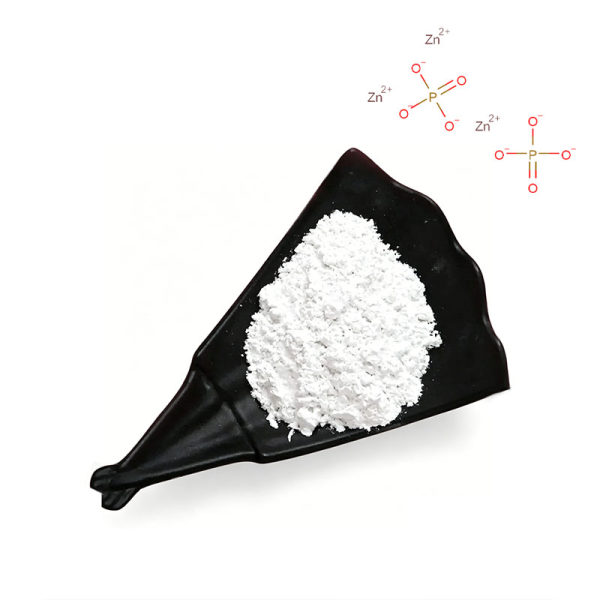
Zinc phosphate CAS#7779-90-0
Zinc phosphate<br/>white, odorless crystalline powder<br/><br/>Zinc phosphate is a white, odorless crystalline powder with high thermal and chemical stability. It is practically insoluble in water and ethanol but dissolves in inorganic acids and ammonia solutions. Its principal use is as an anticorrosion pigment in protective coatings, wash primers, and corrosion-inhibiting primers, where it is dispersed in polymer binders to protect metal surfaces.
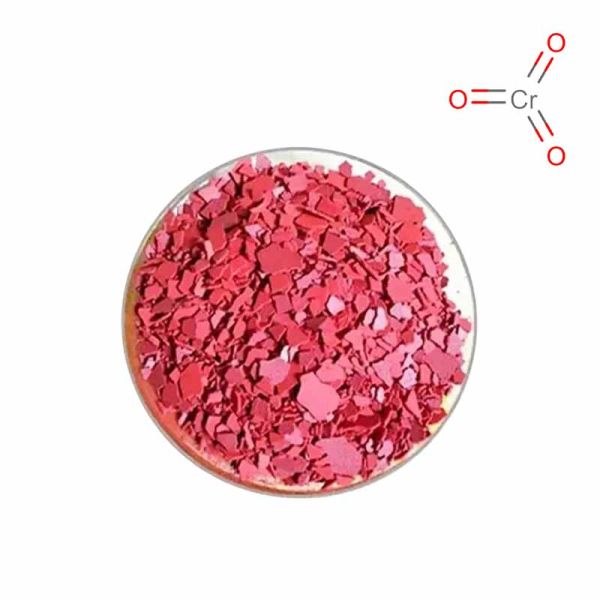
Chromium(VI) oxide CAS#1333-82-0
Chromium(VI) oxide<br/>CrO₃<br/>dark red rhombic crystal or purplish-red flake; dark red crystalline flakes or granules<br/><br/>Chromium(VI) oxide, or chromium trioxide, is a dark red crystalline hexavalent chromium compound that dissolves in water to form strongly acidic oxidizing solutions. It is used in chromium electroplating, metal anti-corrosion coatings, and optical-disc production. In chemical synthesis it serves as a powerful oxidant, including Jones oxidation of primary alcohols to acids and secondary alcohols to ketones.
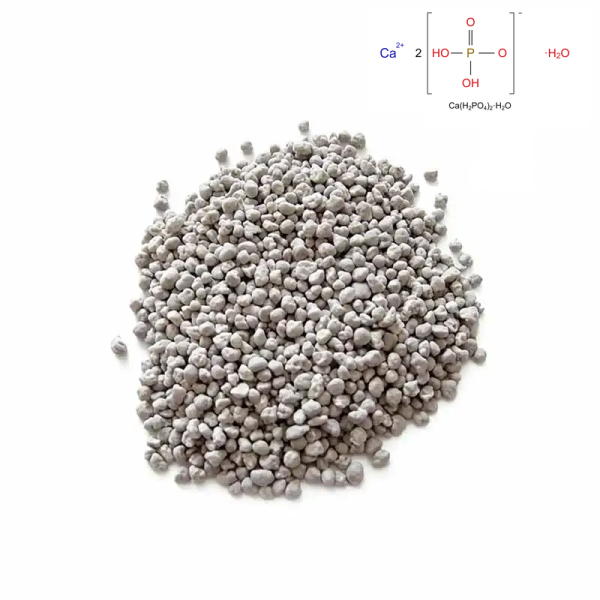
Calcium phosphate monobasic CAS#10031-30-8
Calcium phosphate monobasic<br/>monocalcium phosphate monohydrate<br/>Ca(H₂PO₄)₂·H₂O<br/>white crystalline powder or granules<br/><br/>Calcium phosphate monobasic monohydrate is a white crystalline phosphate producing acidic aqueous solutions. Its calcium and phosphorus content supports grade-specific use in food leavening, animal feed, and phosphate preparations. It is also applied as a fermentation or dough-conditioning additive, analytical reagent, buffer, and ingredient in selected pharmaceutical, electronic, flame-retardant, fire-extinguishing, wastewater, and impregnation systems.
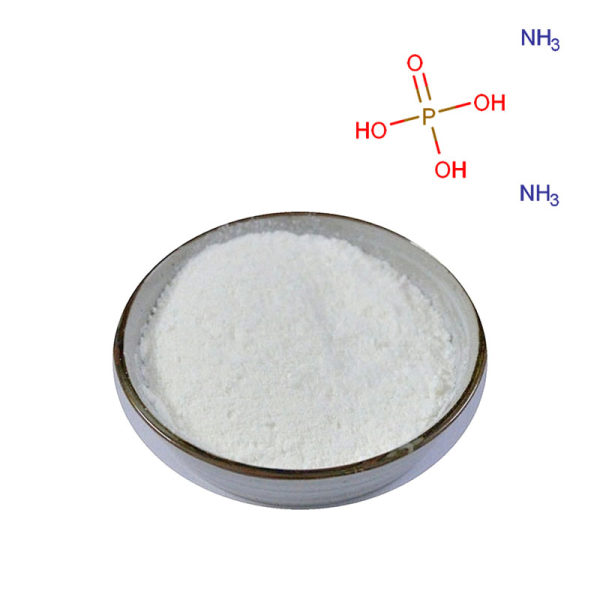
Diammonium Phosphate CAS#7783-28-0
Diammonium Phosphate<br/><br/>Diammonium phosphate is a dry crystalline ammonium phosphate produced by reacting ammonia with phosphoric acid. It provides nitrogen and phosphorus nutrients and is widely used as a compound fertilizer for vegetables, fruit, rice, and wheat. Additional applications include livestock feed, yeast nutrition, water softening, food leavening and buffering, analytical reagents, flame retardants, fire extinguishers, wastewater treatment, and industrial impregnation.
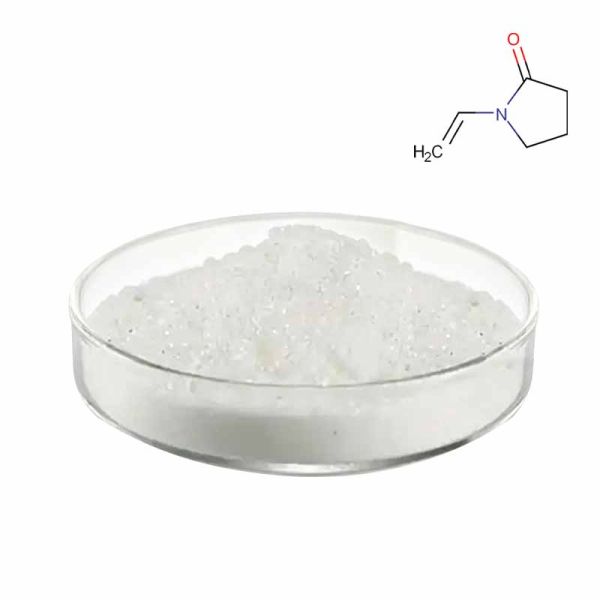
PVP/Povidone
PVP/Povidone<br/>Povidone<br/><br/>PVP, or povidone, is a vinylpyrrolidone polymer available in multiple viscosity grades. It dissolves or disperses according to grade and forms complexes with iodine, dyes, drugs, and other substances. It is used in pharmaceutical tablets, granules, capsules, injections, and liquids as a binder, solubilizer, dispersant, stabilizer, and complexing agent, and in cosmetics, adhesives, coatings, paper processing, and clarification systems.
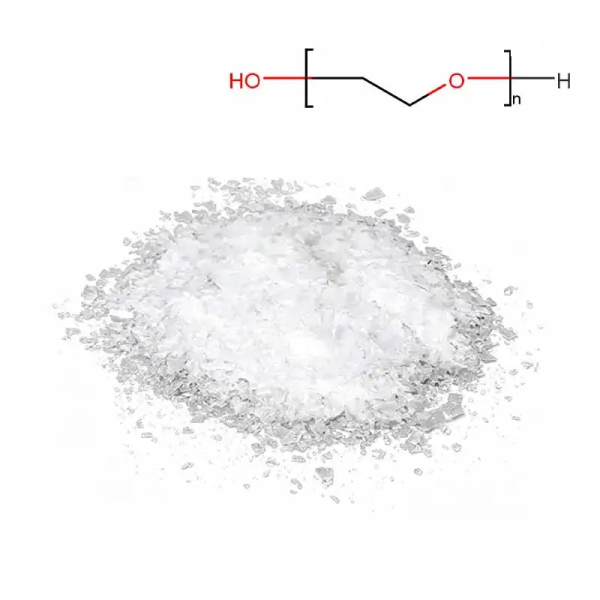
Polyethylene Glycol CAS#25322-68-3
Polyethylene Glycol<br/>PEG<br/>H–[O–CH₂–CH₂]ₙ–OH<br/>clear, colorless, viscous liquid; white waxy solid; flakes; powders<br/><br/>Polyethylene glycol is a water-soluble polyether whose physical form varies with molecular-weight grade from clear viscous liquid to waxy solid, flakes, or powder. It functions as a solvent, humectant, binder, coating agent, dispersant, flavoring aid, and plasticizer. Applications include pharmaceutical, food, cosmetic, polymer-processing, and industrial formulations where grade-specific viscosity, solubility, and compatibility are required.
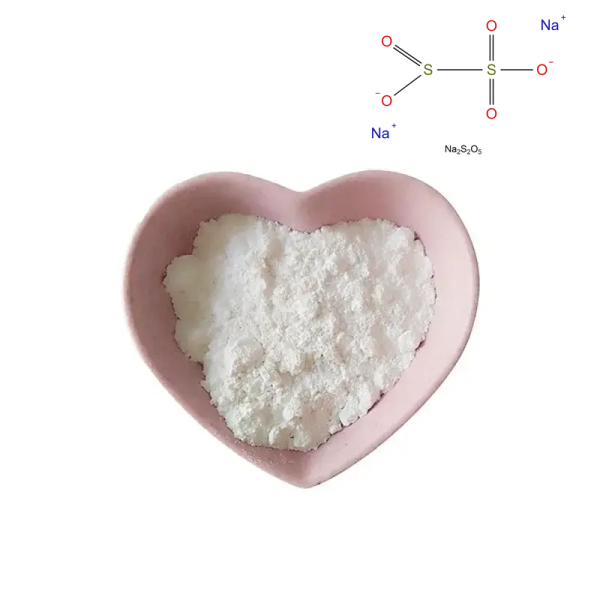
Sodium Metabisulfite CAS#7681-57-4
Sodium Metabisulfite<br/>Na₂S₂O₅<br/>white crystalline or powdery solid<br/><br/>Sodium metabisulfite is a white crystalline reducing agent that may release sulfur dioxide on heating or contact with acids. Its chemistry supports antioxidant, preservative, bleaching, and dechlorination functions. It is used in food and beverage processing, textile printing, papermaking, water treatment, leather processing, pharmaceutical preparations, photography, rubber, and agriculture, with grade and process controls determining suitability.
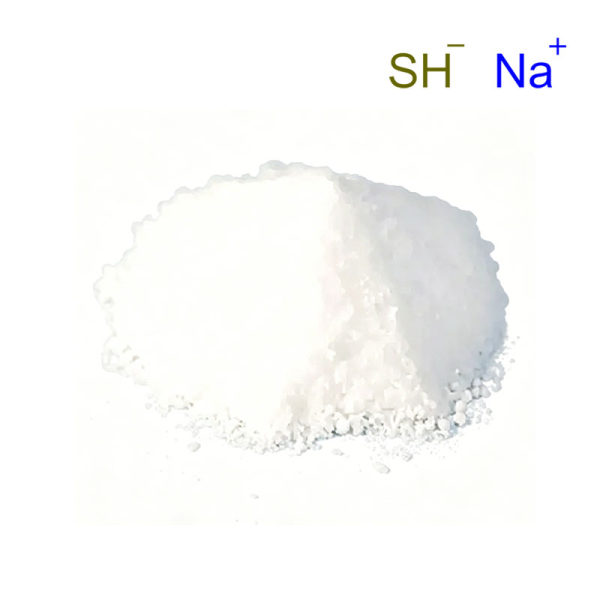
Sodium Hydrosulfide CAS#16721-80-5
Sodium Hydrosulfide<br/>colorless crystals; light gray or pale yellow lumps, granules or powders<br/><br/>Sodium hydrosulfide is supplied as colorless crystals or industrial gray to pale-yellow lumps, granules, or powder. It is hygroscopic, forms a strongly alkaline solution in water, and reacts with acids to release hydrogen sulfide. Applications include paper pulping, dye production, rayon and cellophane desulfurization, textile and paper reduction, hide unhairing, copper-ore flotation, organic synthesis, and sulfur-containing intermediates.
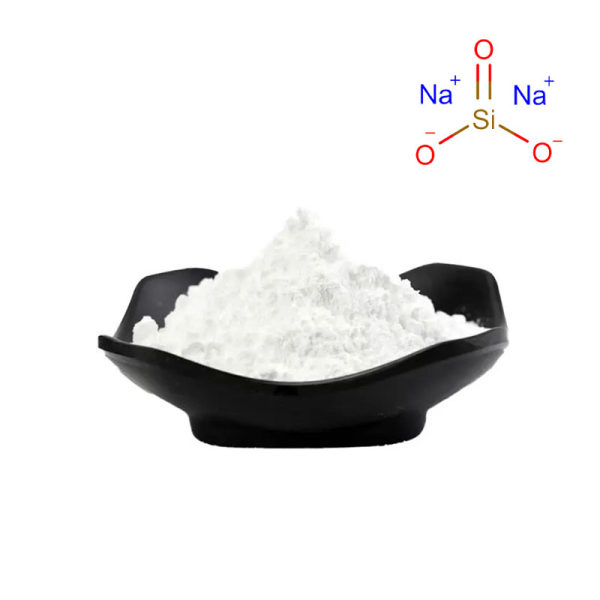
Sodium Silicate CAS#1344-09-8
Sodium Silicate<br/>glassy solid lumps; powders; clear to turbid liquid solutions<br/><br/>Sodium silicate is available as glassy lumps, powder, or aqueous solution, with properties depending on composition and water content. It is non-combustible and forms alkaline solutions. Its adhesive, binding, detergent, flocculating, soil-stabilizing, and surface-treatment functions support construction, foundry sand, textile processing, paper deinking and sizing, wastewater treatment, mineral processing, and industrial cleaning.
Send Us Your Inquiry Today